Single-Stage vs Variable-Speed AC in Southwest Florida
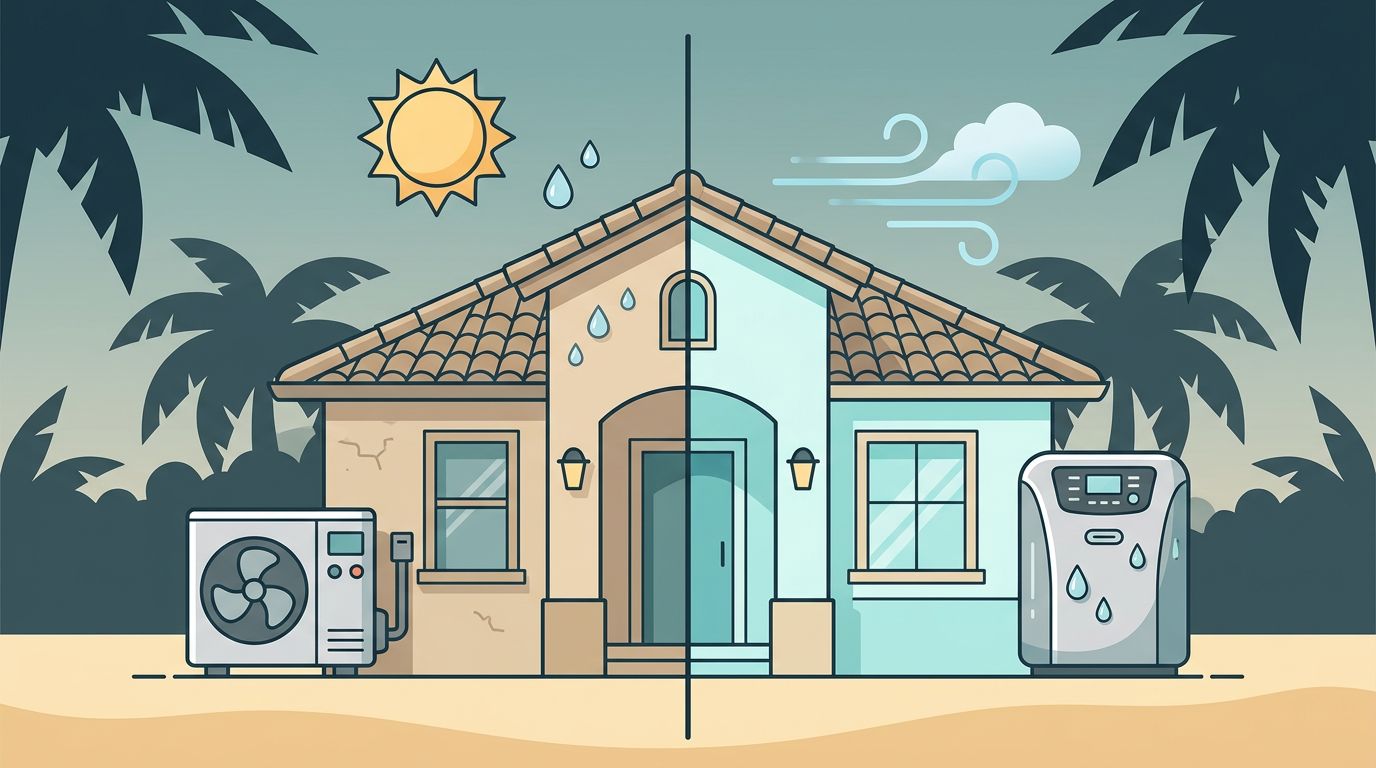
Humidity is the real comfort test in Southwest Florida. A house can sit at 74 degrees and still feel sticky if the AC shuts off too soon.
When you're comparing single-stage vs variable-speed AC , the question is less about raw cooling power and more about how long the system runs. Longer, steadier runtimes usually pull more moisture from the air, which matters for comfort, mildew, and sleep.
That makes equipment choice important, but it also puts sizing and installation in the spotlight. The right system is the one that cools the house and dries it without short cycling.
Why humidity changes the AC decision
Southwest Florida heat brings a lot of moisture with it. Afternoon storms, coastal air, and tightly closed homes all trap humidity indoors. When indoor humidity stays high, the air feels heavy even when the thermostat looks fine.
That is where short cycling causes trouble. The AC cools the air fast, then shuts off before the coil stays cold long enough to pull much water out of the air. You get a quick blast of cold air, but not much dehumidification.
Mildew often shows up in the same homes that feel clammy. Closets, bath edges, and return grilles can all hold onto that damp feeling. Over time, that extra moisture can make the whole house smell stale.
Comfort in Florida is about temperature and moisture. If one of them stays off, the house never feels quite right.
A system that runs longer does more than cool. It keeps air moving across the coil, which gives the moisture somewhere to go. That is why a well-matched AC often feels better than a bigger one.
How single-stage AC handles moisture
Single-stage AC runs at one output level, full power or off. That makes it simple, dependable, and usually less expensive to buy.
For many homeowners, the biggest plus is the lower upfront cost. Replacement parts are often simpler too, which can help keep repair bills more predictable later. If you want a straightforward system and your budget matters most, that simplicity has real value.
The tradeoff shows up in humidity control. If the unit is a little oversized, or the ductwork moves air poorly, the system cools the house fast and quits early. The air feels cold, but not dry enough.
Single-stage equipment can still work well in smaller, tighter homes, especially when the cooling load is steady and the system is sized correctly. It just has less room to fine-tune comfort when the weather turns muggy. In a Southwest Florida summer, that difference can be easy to notice.
Why variable-speed AC feels drier
Variable-speed AC takes a different approach. Instead of racing to full power right away, it starts low and ramps up as the house needs it. That usually means longer runs, fewer temperature swings, and more time for moisture to condense on the coil.
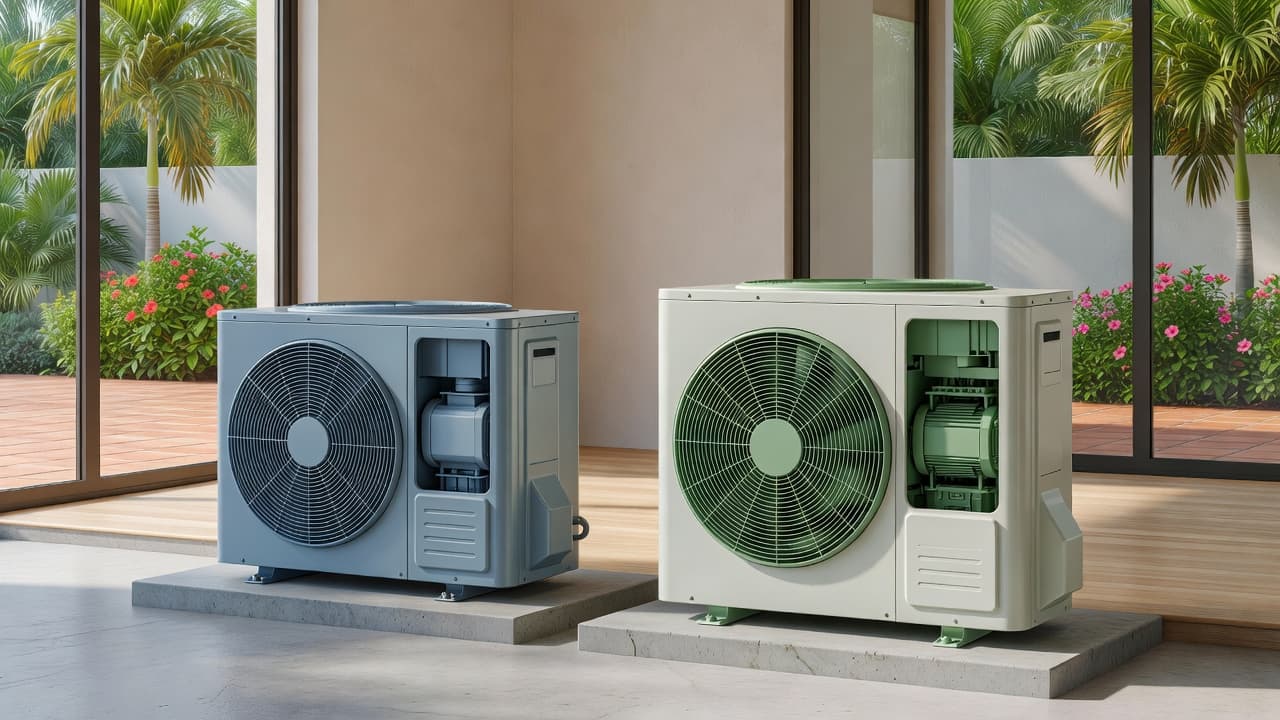
Longer runtimes are the real advantage here. When the system keeps moving air across a cold coil, it has more chances to remove water, which helps the home feel drier without overcooling every room.
That steadier operation can also make the house feel calmer. Rooms warm up and cool down less sharply, and the system often runs more quietly in the background. For families who spend a lot of time at home, that difference matters.
If humidity is the complaint, run time matters as much as capacity.
Variable-speed systems do cost more upfront, and the controls are more complex. If a board, sensor, or inverter component fails, the repair can be more involved than a basic single-stage fix. Still, many Southwest Florida homeowners like the steadier feel, especially in homes that stay closed up during summer heat.
Single-stage vs variable-speed AC at a glance
A quick side-by-side view makes the tradeoffs easier to see.
| Factor | Single-stage AC | Variable-speed AC |
|---|---|---|
| Upfront cost | Lower | Higher |
| Humidity control | Good when runtime is long, weaker when oversized | Stronger because it runs longer and slower |
| Temperature comfort | More swings | More even temperatures |
| Noise | Usually louder at start-up | Often quieter |
| Repair complexity | Simpler parts | More complex controls |
| Best fit | Smaller, tighter homes with modest humidity load | Homes that need steadier comfort and moisture control |
The short version is simple. If your main complaint is sticky air and uneven rooms, variable-speed often wins on comfort. If your budget is tight and your home is smaller, a well-sized single-stage unit can still do the job.
Why sizing and installation matter more than the label
Equipment type matters, but sizing and installation matter just as much. In fact, an oversized premium system can feel worse than a properly matched basic one.
If you're replacing a unit, determining the right AC size for your home should happen before anyone talks about bells and whistles. Square footage is part of the answer, but insulation, window size, sun exposure, ceiling height, duct condition, and air leakage all affect moisture control.
A careful installer also checks refrigerant charge, airflow, return placement, and thermostat location. When one of those pieces is off, humidity problems tend to stick around. A system can be new and still leave the house sticky if the airflow is wrong.
Regular tune-ups matter too, and a year-round HVAC maintenance plan helps keep coils clean, drains clear, and performance steady. In Southwest Florida, that consistency matters. A clean coil and clear drain line help the system do the quiet work of removing water from the air.
When a whole-home dehumidifier still helps
Even a good AC can struggle in a very humid home. That happens when the house leaks outdoor air, the ducts are poorly sealed, or the cooling load is low enough that the AC doesn't run long enough to dry the air.
A whole-home dehumidifier can solve that problem without forcing the thermostat lower. It gives moisture its own equipment, which helps in homes with large open layouts, frequent door openings, or rooms that stay damp even after the AC runs.
That extra piece of equipment makes sense when the house feels clammy but the temperature is already comfortable. It can also help protect wood furniture, fabrics, and storage areas from that damp Southwest Florida feel. For homes that keep showing signs of mildew, it can be a smart addition.
If you find yourself lowering the thermostat just to chase dryness, the system may need help with moisture removal. In those homes, adding dehumidification can be more useful than buying more cooling capacity.
Choosing the right fit for your home
Most homeowners end up choosing between comfort and cost. In reality, the better question is where you notice the problem most.
If your home is smaller, well sealed, and the humidity complaint is mild, single-stage AC may be the practical choice. If you want steadier temperatures, less stickiness, and a calmer indoor feel through long summer stretches, variable-speed AC usually offers better value over time.
The right answer is the one that fits your house, not the brochure. A good replacement takes the whole picture into account, including room layout, ductwork, moisture load, and how often the home sits empty.
Conclusion
Humidity is the test that exposes an AC's weak spots. A system that cools fast but shuts off early can leave a Southwest Florida home feeling damp, even when the thermostat says everything is fine.
Single-stage equipment can work when it's sized and installed well. Variable-speed equipment gives you more control and usually better dehumidification, but only when the rest of the system supports it.
If your house still feels sticky after a replacement, the issue may be runtime, sizing, or a separate dehumidification need. In this climate, the goal is a cool house that also feels dry.
Recent Posts