Why AC Air Handlers Leak Water in Fort Myers Homes

A puddle under your indoor unit can show up without much warning. In Fort Myers, that problem often grows faster because hot, humid air puts extra strain on your AC system.
When an AC air handler is leaking water , the cause is usually simple at first, then expensive if you wait too long. A clogged drain, a dirty filter, or a frozen coil can send water where it does not belong.
The good news is that many leaks start with warning signs you can spot early. Understanding those signs can help you protect your floors, walls, and ceiling before the damage spreads.
How the air handler handles moisture in a humid Fort Myers home
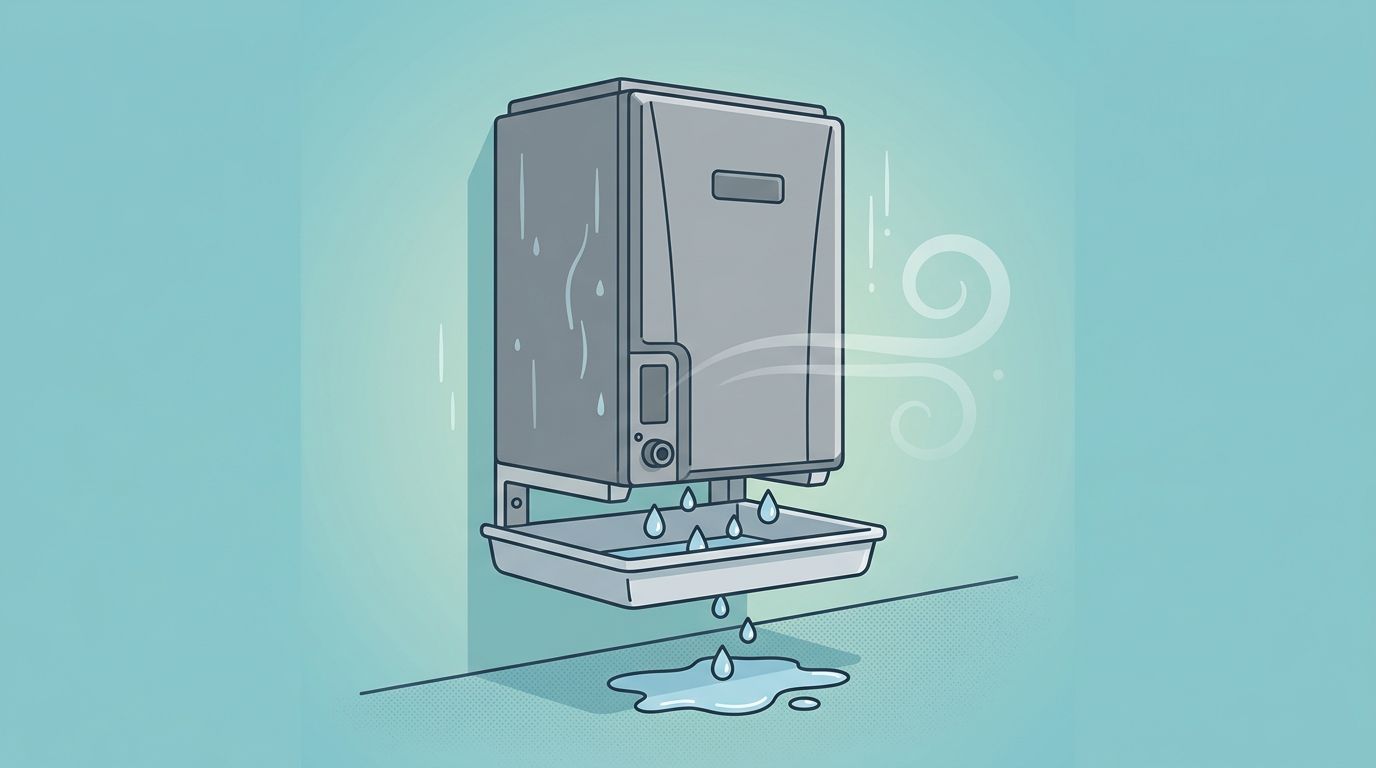
Your AC does more than cool the air. It also pulls moisture out of it. That moisture collects on the evaporator coil, drips into a drain pan, and moves out through a condensate line.
In Fort Myers, that process never gets much of a break. Warm coastal air holds a lot of humidity, so your system often runs longer and makes more condensate. If any part of the drain path gets blocked, the water has nowhere to go.
Dust, pollen, and salt in the air can make the problem worse. They build up on coils and filters, which slows airflow and adds stress to the unit. Over time, even a small backup can turn into a leak.
Common reasons an AC air handler starts leaking water
A clogged condensate drain line
This is one of the most common causes. The drain line carries water away from the air handler, but algae, dirt, and sludge can clog it. When that happens, water backs up into the pan and spills over.
In coastal Southwest Florida, drain lines can clog faster than many homeowners expect. High humidity gives algae the moisture it needs, and an older system may not drain as well as it should.
A dirty filter or weak airflow
A clogged filter can choke airflow across the coil. When airflow drops, the coil can get too cold and start to ice up. Later, that ice melts and sends a rush of water into the drain pan.
If your system also seems to cool poorly, the problem may be tied to the same airflow issue. Signs of AC cooling problems often show up beside the leak, not after it.
A frozen evaporator coil
Frozen coils often point to restricted airflow, low refrigerant, or a blower issue. When the ice thaws, the water can overflow the pan or drip from places that look unrelated at first.
This is one of the clearest signs that the leak needs more than a quick cleanup. If ice comes back after you change the filter, a technician should check the system.
A damaged drain pan or loose drain connection
Drain pans can rust, crack, or shift out of place. The drain connection can also loosen over time. In either case, water escapes before it reaches the drain line.
Older air handlers are more likely to have this issue, especially if the unit sits in an attic, closet, or utility room where leaks are easy to miss.
Refrigerant or electrical trouble
Low refrigerant can help create frozen coils, while electrical problems can affect the blower or other parts that move air across the system. Both can lead to water where it should not be.
These are not DIY fixes. Refrigerant and electrical work should stay with a licensed HVAC technician.
What water from the air handler can damage if you wait too long
A small leak can look harmless on day one. A few days later, the floor may warp, the drywall may stain, and the insulation may hold moisture like a sponge.
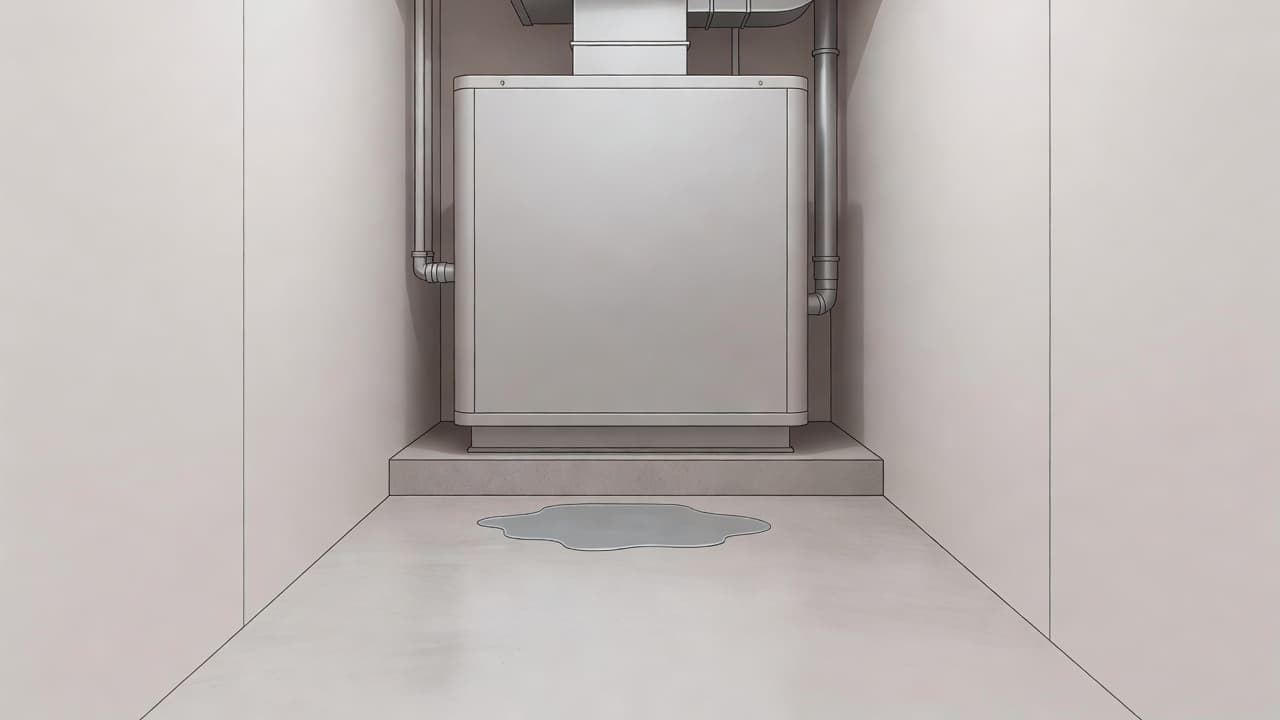
If the air handler sits in a closet or attic, the damage can stay hidden. Water can soak into framing, baseboards, ceiling material, and nearby wiring. In some homes, the first sign is a musty smell, not a puddle.
Water under the air handler can hide inside walls and ceilings long before you see the full damage.
Mold becomes a bigger concern when water sits for hours or days. So does corrosion on metal parts. That is why a leak should never be treated like a normal part of AC ownership.
Safe checks you can do before calling for service
A few simple checks can tell you a lot. Keep them basic and safe.
- Turn the system off if you see active dripping, ice on the coil, or water near electrical parts.
- Replace the air filter if it looks dirty, bent, or packed with dust.
- Check the area around the unit for standing water, rust, or a full drain pan.
- Look for the condensate line outlet outside the home. If it is dripping normally, that is a good sign. If it is dry during heavy AC use, the line may be blocked.
- Listen for gurgling, hissing, or the blower running in short bursts. Those sounds can point to deeper trouble.
If you know where the drain access is and it is easy to reach, you can flush the line with care. Use a simple, safe method only if you are comfortable and the system is off. Stop right away if the line backs up again or you are unsure where the water should go.
Do not open electrical panels. Do not remove sealed covers. Do not add refrigerant. Those jobs need professional tools and training.
How to keep the drain system clear in Florida weather
Prevention is easier than cleanup, especially in Fort Myers humidity. A few habits can keep the air handler draining the way it should.
- Change the filter on schedule, usually every one to three months.
- Keep return vents clear so air can move freely.
- Ask for drain line and drain pan checks during routine maintenance.
- Make sure the condensate line exits where water can drain safely outside.
- Schedule a tune-up before peak cooling season, not after the leak starts.
- Watch for repeat clogs, because a line that backs up once often needs a deeper cleaning.
Regular maintenance also helps catch the small stuff, like a weak blower, a dirty coil, or a float switch that is starting to fail. Those parts often give hints before the leak becomes obvious.
If the leak keeps coming back, the system needs a full inspection. Recurring water problems usually mean the root cause is still there.
When to call a technician right away
Some signs point past a simple drain issue. Call for service if you notice any of these:
- The leak returns after you change the filter.
- Ice forms on the indoor coil.
- The system blows warm air or cools unevenly.
- Water is near wires, controls, or the electrical compartment.
- The drain line clogs again soon after it was cleared.
Recurring leaks can also mean the unit was installed with poor drainage or the pan is not pitched correctly. In that case, the fix may involve more than a quick cleaning.
If your system is already struggling to cool, the leak may be only one part of the problem. A technician can check airflow, refrigerant charge, drainage, and the blower together. That saves time and prevents guesswork.
Final thoughts
In a Fort Myers home, an air handler leak usually starts with moisture that cannot drain fast enough. Humidity, clogged filters, frozen coils, and blocked lines all play a part.
The safest response is simple. Turn the system off if water is near electrical parts, check the filter, look for obvious drainage issues, and call for help when the leak keeps coming back. A little water today can turn into real damage tomorrow, so fast attention matters.
Recent Posts