Sunset Gulf HVAC • June 20, 2026

Why AC Capacitors Fail During Fort Myers Heat Waves

Share this article

Why AC Capacitors Fail During Fort Myers Heat Waves

Fort Myers heat waves push AC systems harder than most homeowners realize. When your unit runs longer and starts more often, the capacitor takes a steady beating. That small part can be the difference between cool air and a hot, silent house.

Salt air, dirty coils, and voltage swings make the problem worse across Southwest Florida. If your AC has started humming, clicking, or blowing warm air, the capacitor may already be weakening. Here is why it happens, and what to watch for before the system quits.

How Fort Myers Heat Wears Down an AC Capacitor

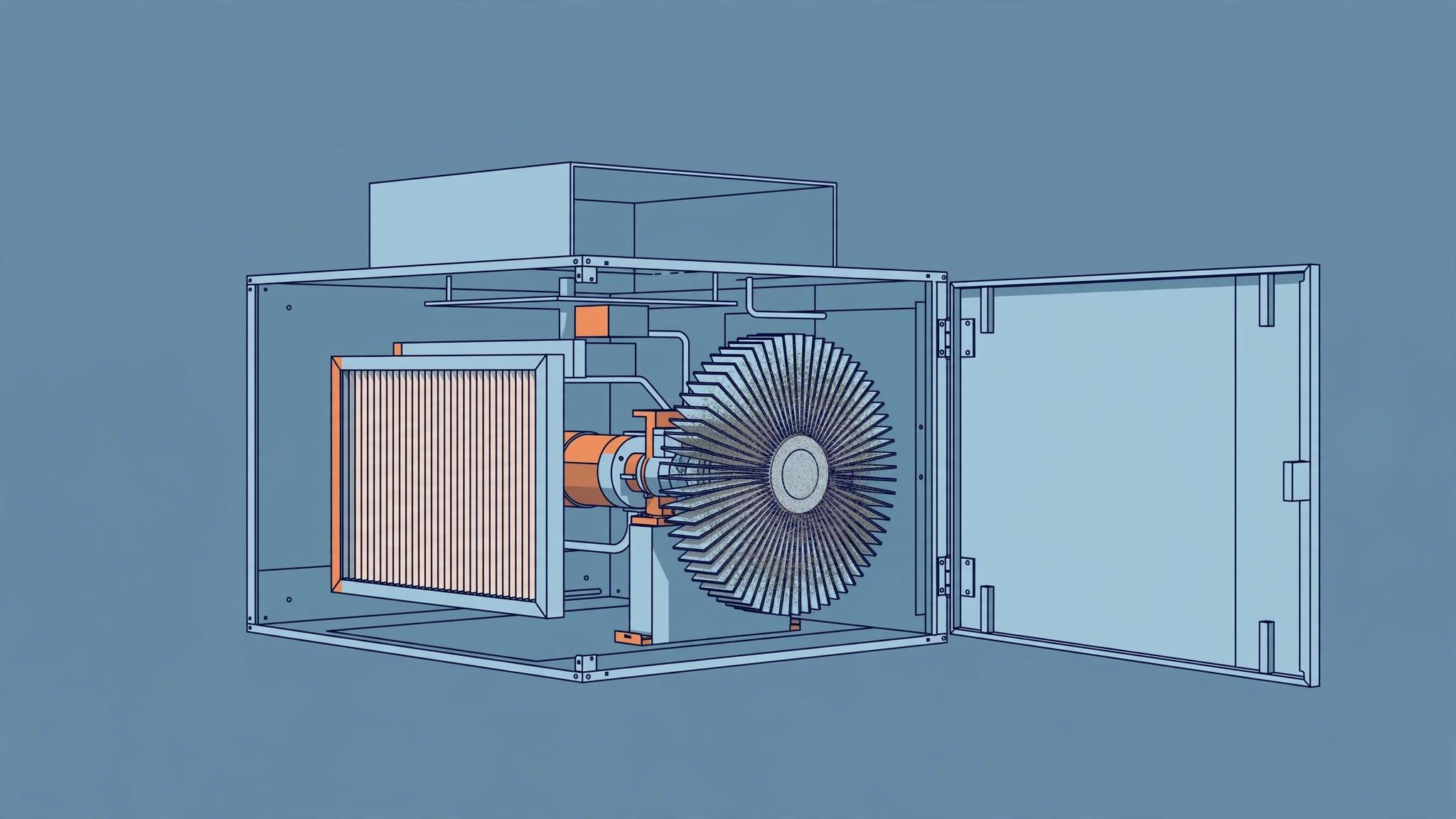
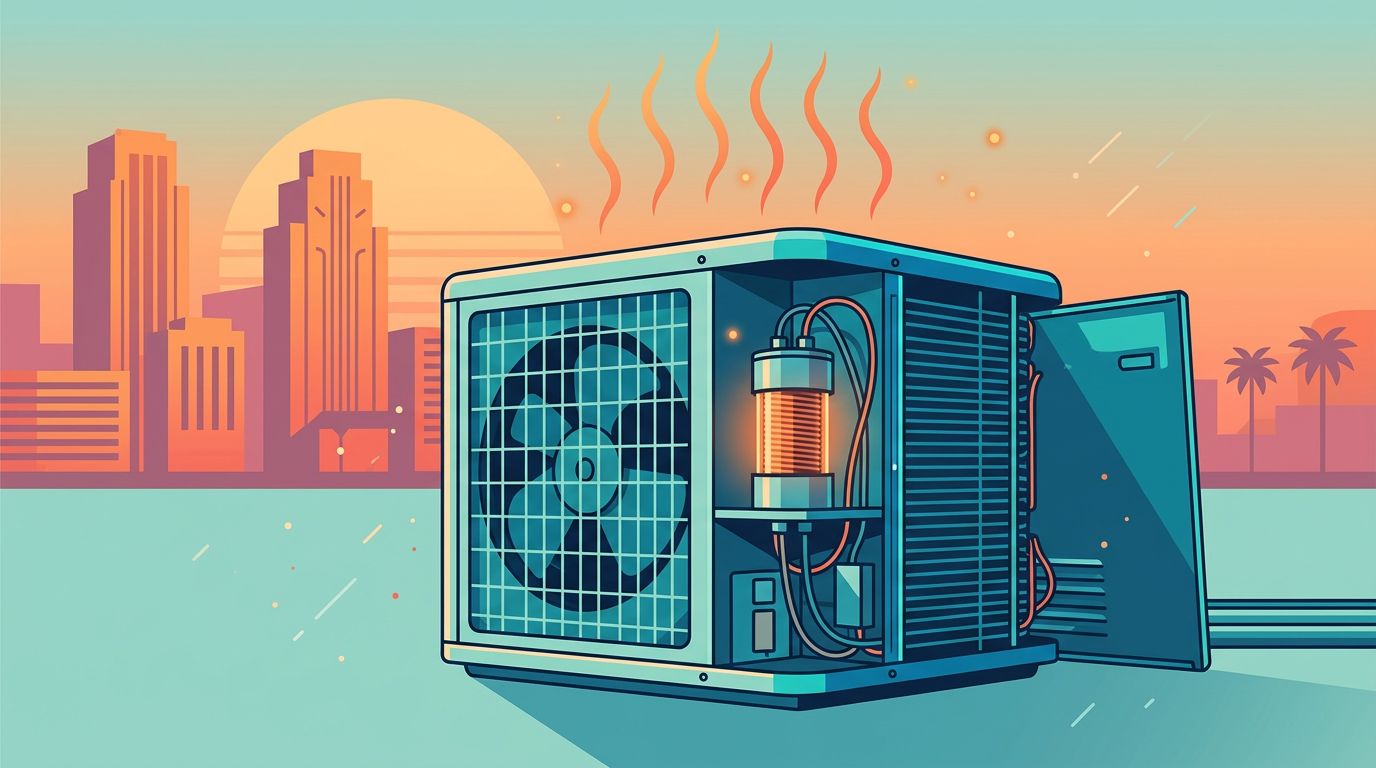
An AC capacitor is a small part with a big job. It gives the compressor and fan motor the burst they need to start, then helps them keep running. When Fort Myers temperatures stay high for days, the system may run for hours at a time, and that part gets worked over and over.

Heat alone does not usually kill a healthy capacitor in one afternoon. The trouble starts when the part is already aging, the unit is dirty, or the compressor has to fight for every start. Add long runtime, and AC capacitor failure becomes much more likely.

A capacitor can fail after months of stress, not one dramatic event. The hottest days often expose the weakness first.

The outdoor unit also holds heat longer during a wave, especially when the sun hits it for most of the day. That trapped heat raises the strain on electrical parts. In other words, the capacitor is not just fighting the weather outside, it is also fighting the heat inside the cabinet.

Local Conditions That Shorten Capacitor Life

Fort Myers homes deal with more than high temperatures. Coastal Southwest Florida brings humidity, salty air, and storm-related power changes. Each one can chip away at capacitor life.

A few local stress points show up again and again:

  • Age : Older capacitors lose strength over time, even if the system still seems to work.
  • Voltage fluctuations : Brief surges or dips after storms can stress electrical parts fast.
  • Poor maintenance : Skipped tune-ups leave dirt, weak connections, and other hidden problems in place.
  • Dirty condenser coils : When coils stay coated with dust and debris, the unit cannot shed heat well.
  • Restricted airflow : A clogged filter, blocked vent, or crowded outdoor unit makes the system work harder.
  • Overworked compressors : If the compressor strains, the capacitor has to keep up.
  • Salt-air corrosion : Coastal air can wear on terminals, wires, and metal connections.

These issues often build slowly. A capacitor may work fine through spring, then fail during the first real heat wave. That timing makes the problem feel sudden, but the damage usually started earlier.

The outdoor unit does not have much room for error in a Florida summer. When airflow is weak and the cabinet runs hot, the capacitor spends every cycle under extra pressure. After enough stress, it can lose the ability to start the motor cleanly.

Signs the Capacitor Is Starting to Fail

Capacitor trouble often sounds like an AC problem long before it looks like one. Homeowners may hear the unit try to start, then stall. Others notice cooling that comes and goes without warning.

Here is a quick way to compare the most common signs:

Symptom What you may notice What it can mean
Clicking at startup The system tries to turn on, then stops The capacitor may not be giving enough power to start
Humming sound The outdoor unit hums, but the fan does not spin The motor is trying to start without a strong boost
Hard starting The AC takes several tries to come on The capacitor may be weak or failing
Warm air Air blows from the vents, but it never gets cool The compressor may not be starting right
Intermittent cooling The system cools for a while, then quits The capacitor may be losing capacity under heat
Sudden shutdowns The AC shuts off and stays off for a while The unit may be protecting itself from electrical strain

If warm air is the main symptom, a capacitor may be part of the problem, but it is not the only possibility. This guide on reasons your air conditioner is not cooling can help you compare the clues.

These symptoms can also point to other parts, such as the contactor, fan motor, or compressor. That is why a real diagnosis matters. Swapping parts without testing the system can waste time and money.

Why You Should Not Replace a Capacitor Yourself

A capacitor can hold a dangerous electrical charge even after the power is off. That charge can shock you badly if you touch the wrong terminals. It can also damage other parts if the replacement is not the right size.

The right capacitor has to match the system's needs. If the rating is off, the fan or compressor may start poorly, run hot, or fail again. A rushed DIY fix can turn a small repair into a much larger one.

A licensed HVAC technician checks more than the bad part itself. They test the capacitor, inspect the compressor draw, look for airflow problems, and check for the issue that caused the failure. That matters because a weak capacitor is often a symptom of a bigger strain on the system.

If the coils are dirty, the filter is clogged, or the unit has been overheating, the new part could fail too. A proper repair fixes the cause, not just the symptom.

How to Lower the Risk Before the Next Heat Wave

The best time to think about capacitor stress is before the hottest stretch of summer. Once Fort Myers heat sets in, the system may not get much of a break.

A few simple habits can help:

  • Replace air filters on schedule so airflow stays strong.
  • Keep the outdoor unit clear of leaves, weeds, and patio clutter.
  • Have condenser coils cleaned during routine maintenance.
  • Watch for power issues after storms or flickering lights.
  • Schedule a tune-up before peak summer heat arrives.

Regular maintenance does not prevent every problem, but it gives a technician a chance to catch weak capacitors early. It also helps spot dirty coils, loose connections, and airflow trouble before they turn into a no-cool call on the hottest day of the year.

In coastal Southwest Florida, small signs matter. A unit that starts a little slower, hums a little longer, or blows slightly warm air may already be telling you something. The earlier that warning gets checked, the better the odds of avoiding a full breakdown.

Conclusion

Fort Myers heat waves do not always destroy a capacitor in one shot. They wear it down through long run times, hot cabinets, dirty coils, salt air, and electrical strain.

When your AC starts clicking, humming, or blowing warm air, the capacitor may be near the end of its life. Because the part can store a dangerous charge, it should be handled by a licensed HVAC technician.

A small part can stop a whole system when the weather is at its worst. Catching the problem early keeps a hot afternoon from turning into a long, miserable night.

Recent Posts

By Sunset Gulf HVAC June 19, 2026
A blank thermostat screen can stop your routine in a hurry, especially on a hot, sticky day in Lehigh Acres. One minute the house feels fine, and the next the display is dark with no easy answer. That does not always mean the whole AC system is dead. In many homes, the problem...
By Sunset Gulf HVAC June 18, 2026
An air conditioner that trips the breaker once may be a fluke. When it keeps happening, the problem is usually bigger than a hot day or a weak panel. The breaker is a safety device , so repeated tripping often points to overheating, excess current, or an electrical fault. In F...
By Sunset Gulf HVAC June 17, 2026
Summer in Babcock Ranch can make a thermostat feel like a daily decision with real consequences. The wrong setting leaves the house sticky, the AC running too long, and the bill creeping up. The right Babcock Ranch thermostat settings do more than chase a low number. They keep...