AC Fan Auto vs On for Fort Myers Homes
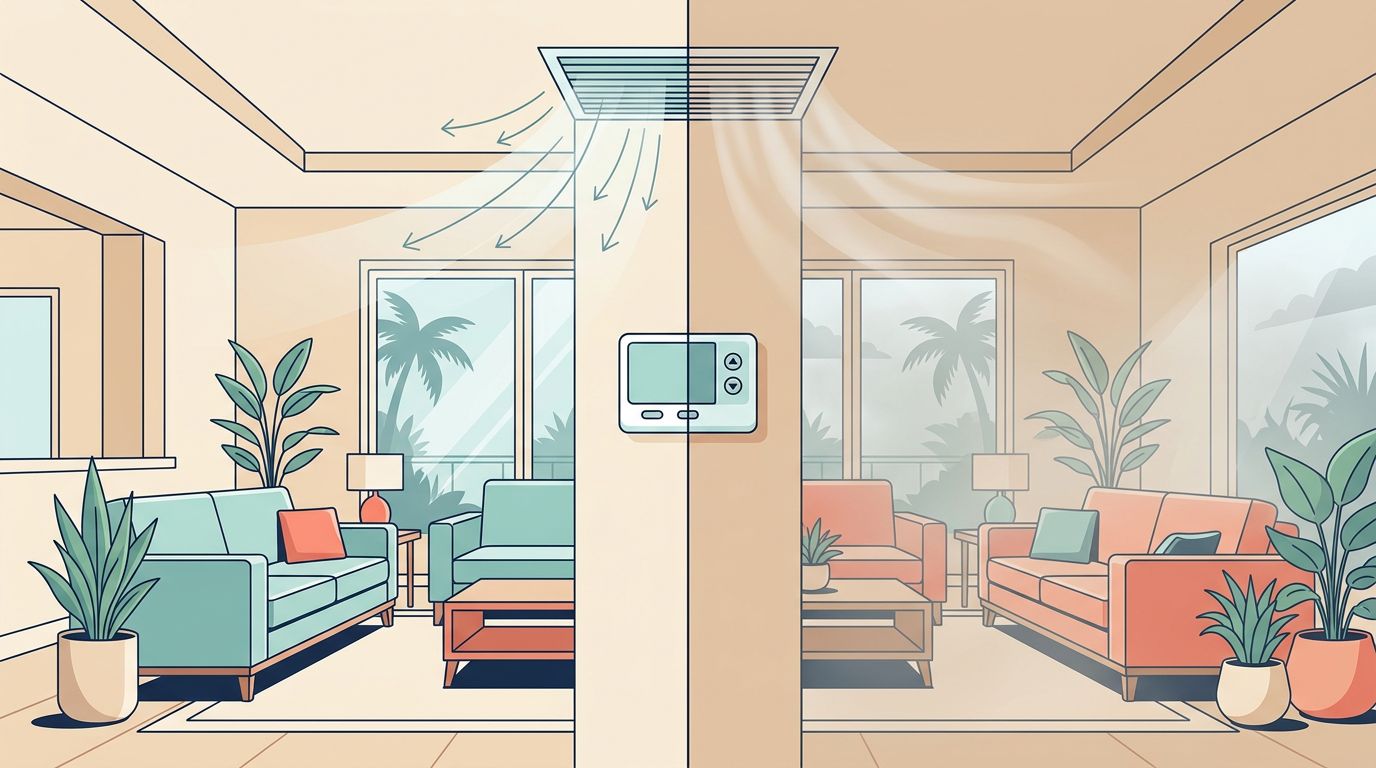
On a humid Fort Myers afternoon, the wrong fan setting can leave your home feeling clammy even when the thermostat shows a comfortable number. The choice between AC fan auto vs on affects when the indoor blower runs, how long moisture stays on the cooling coil, and how your home feels after each cooling cycle.
For most Southwest Florida homes, Fan Auto is the better starting point during cooling. Fan On still has useful applications, but continuous airflow can work against humidity control in some conditions. The difference becomes clear once you know what the thermostat is telling the blower to do.
AC fan auto vs on: What each setting actually does
Your thermostat controls two related parts of the air conditioner. The cooling system removes heat and moisture, while the indoor blower moves air through the ducts and back into your rooms.
With Fan Auto , the blower runs when the thermostat calls for cooling. The compressor and indoor fan operate together during the cooling cycle. Once the home reaches the set temperature, the compressor stops, and the blower usually stops after a short programmed delay.
With Fan On , the indoor blower runs continuously while the thermostat remains in that setting. The outdoor condenser may be off between cooling cycles, but the blower keeps moving indoor air. Fan On does not make the air conditioner cool continuously by itself.
That difference matters in Fort Myers, Babcock Ranch, and nearby communities because air conditioning has two jobs during summer: lowering temperature and removing moisture. A home can reach the selected temperature while still feeling damp if the system does not manage humidity well.
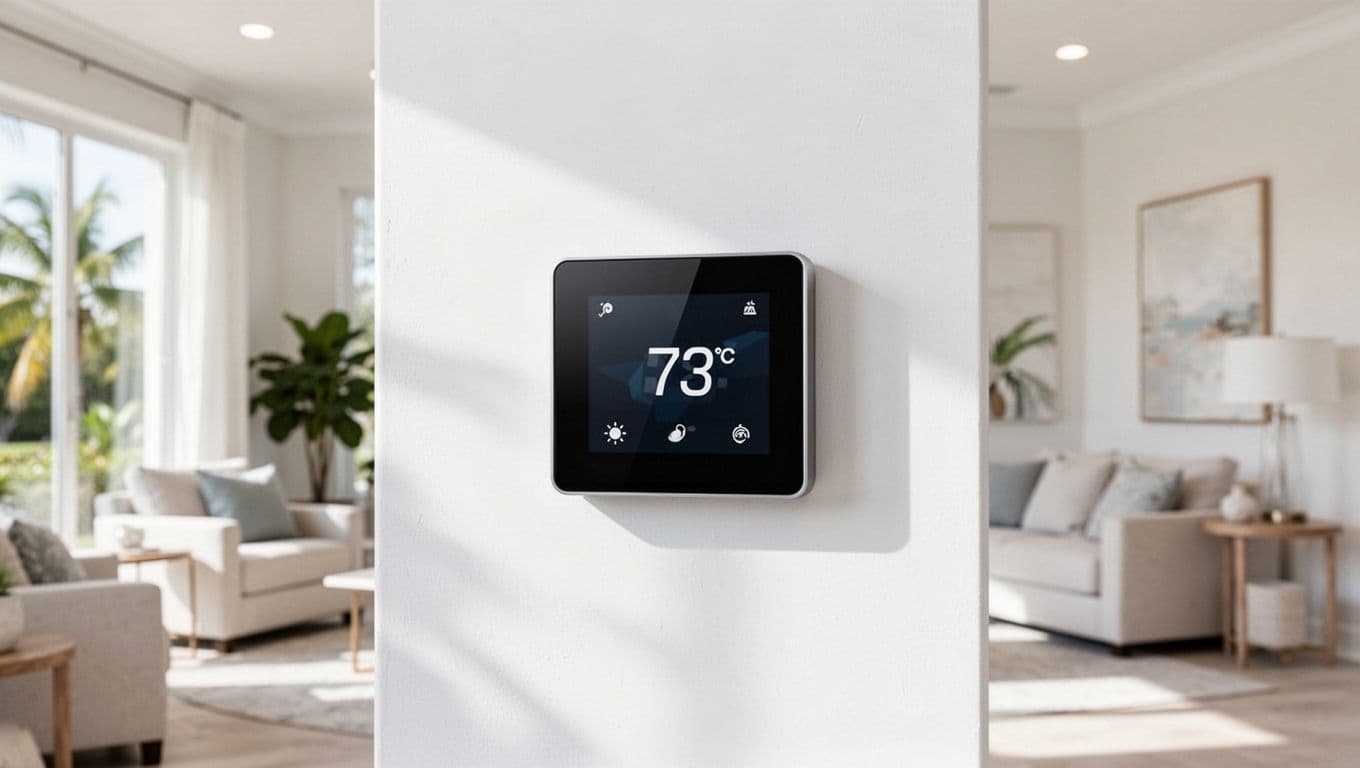
The blower setting also affects comfort after the compressor shuts off. A cold evaporator coil can still hold moisture at the end of a cycle. Continuous airflow may move some of that moisture back into the living space instead of allowing it to drain away.
Auto and On compared for Fort Myers cooling
This table shows how the two settings usually behave in a Florida home.
| Thermostat setting | Blower operation | Humidity effect | Best use |
|---|---|---|---|
| Fan Auto | Runs during cooling cycles | Usually supports moisture removal | Daily summer cooling |
| Fan On | Runs continuously | May re-evaporate moisture from a wet coil | Temporary air mixing |
| Circulate, if available | Runs at scheduled intervals | Depends on timing and system conditions | Moderate air distribution |
Fan Auto is usually the better choice when your priority is keeping the home comfortable without adding unnecessary blower runtime. It also gives the evaporator coil time to drain after the compressor stops.
Fan On can help mix air between rooms, especially when one bedroom stays warmer than the rest of the home. However, it doesn't lower the temperature unless the outdoor system is also running. It will usually use more electricity than Auto because the blower operates for longer periods.
The practical answer to AC fan auto vs on isn't based on temperature alone. Consider how the home feels, whether humidity stays controlled, and whether the blower is solving a real comfort problem.
In a humid climate, continuous fan operation can make a cool room feel less comfortable if moisture returns to the air after a cooling cycle.
Why humidity changes the fan-setting decision
Fort Myers homes face a long cooling season, frequent rain, and outdoor moisture that can enter through normal air leaks, doors, and ductwork. Your air conditioner removes some of that moisture whenever warm indoor air passes over the cold evaporator coil.
Fan Auto supports that process because the blower usually stops when the cooling cycle ends. Moisture on the coil can then drain through the condensate system. Fan On continues moving air across the coil, which may allow some remaining moisture to evaporate back into the air.
That doesn't mean Fan On will make every home humid. System size, duct design, airflow, coil temperature, run time, and indoor moisture sources all affect the result. A properly designed system may handle continuous fan operation without a noticeable problem.
Still, a cool but damp home deserves attention. Place a basic hygrometer in a central living area and watch the readings over several days. Persistent indoor relative humidity above 60 percent often points to a comfort or system issue that deserves inspection.
When the fan setting isn't the main problem
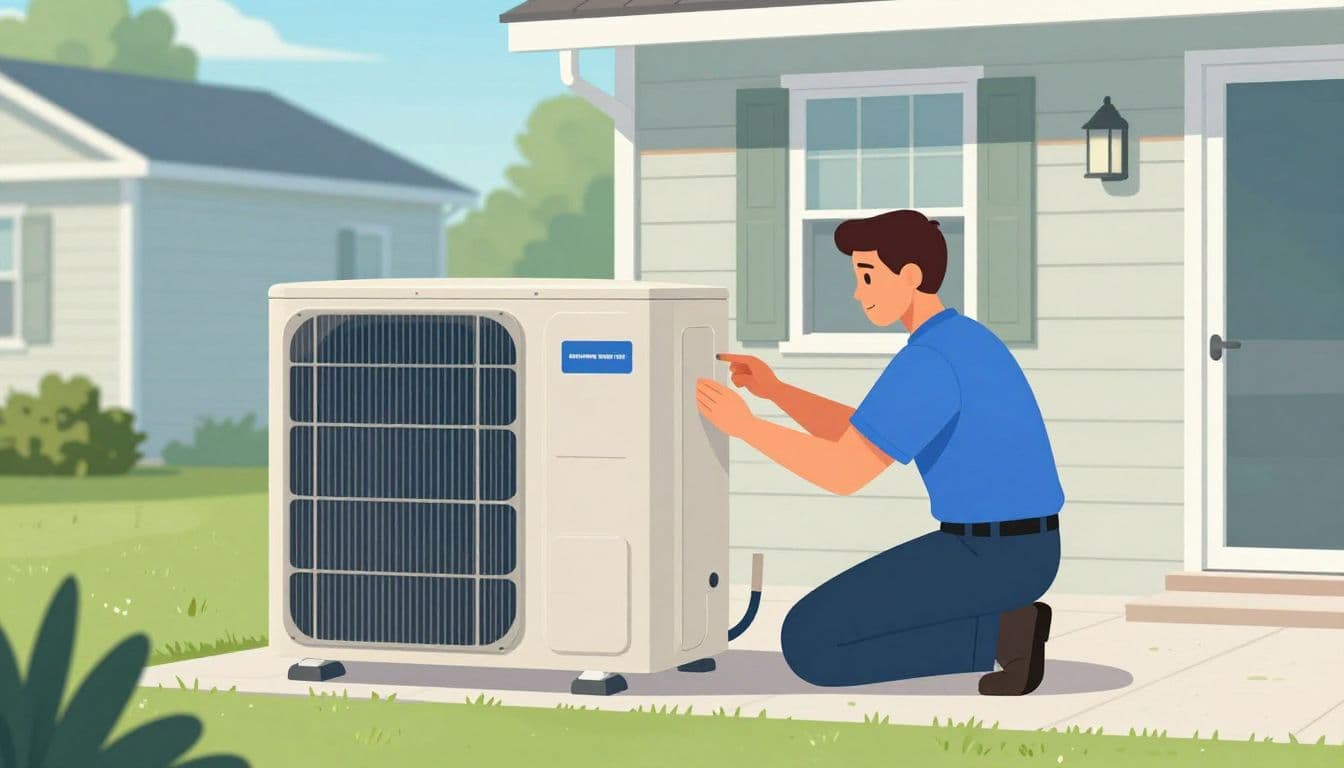
Changing Fan On to Auto may improve the way the home feels, but it can't correct a mechanical or airflow problem. A service visit may be appropriate when you notice:
- The house feels damp even with Fan Auto and normal cooling cycles.
- The air conditioner runs for long periods but doesn't remove enough moisture.
- The system starts and stops every few minutes.
- Water appears near the indoor unit or drain pan.
- Supply airflow feels weak in several rooms.
- The evaporator coil or refrigerant lines show ice.
Dirty filters, blocked return grilles, restricted ducts, low refrigerant, an oversized system, and a clogged condensate drain can all affect comfort. Coastal salt air can also increase wear on outdoor equipment, so regular inspection matters for homes near the Gulf.
Thermostat settings that work well in Southwest Florida
A good starting schedule helps your AC run long enough to manage moisture without making the house unnecessarily cold. Every home responds differently, so adjust based on comfort and humidity readings.
For many Babcock Ranch homes, these starting points are practical:
- Set the thermostat around 76 to 77 degrees when occupied .
- Try 74 to 76 degrees at night if your household sleeps comfortably there.
- Use 78 to 80 degrees when away , while keeping the system operating during humid weather.
- Set the fan to Auto during normal cooling.
- Keep the system mode on Cool rather than Fan Only when you want the home cooled.
You can find more local guidance in these summer thermostat settings, including how to adjust the setpoint when the house feels damp.
Avoid setting the thermostat much lower in hopes of fixing humidity quickly. A colder setting may extend the cooling cycle, but it won't repair poor airflow, an incorrect system size, a dirty coil, or a drainage problem. If the temperature feels fine and the air still feels sticky, look beyond the number on the thermostat.
A smart thermostat can also help you create a schedule and monitor temperature changes. Some models offer a Circulate setting that runs the blower at intervals instead of continuously. That option can help with room-to-room temperature differences, although the exact timing varies by thermostat.
When Fan On can make sense
Fan On is useful when air distribution is the immediate concern. For example, a closed interior door may leave a bedroom warmer than the hallway. Running the blower for a short period can mix the air and make temperatures more even.
You might also use Fan On briefly after cooking or during a gathering when several rooms need better circulation. Watch how the home feels afterward, especially during rainy weather. If the space becomes cooler but noticeably damp, return the fan to Auto.
Continuous circulation can push more air through the HVAC filter, but it isn't a complete indoor air quality solution. Filter type, airflow, duct condition, and the source of the indoor particles all matter. A filter that's too restrictive can also reduce airflow and strain the system, so follow the equipment manufacturer's guidance.
If your thermostat offers Fan Circulate, test it during a dry period first. This gives you a way to improve air mixing without running the blower every minute of the day.
Maintenance protects comfort in humid weather
The fan setting works best when the rest of the system is clean and correctly adjusted. Replace the filter on the schedule recommended for your home, keep supply vents open, and avoid blocking return grilles with furniture.
Outdoor maintenance matters too. Leaves, grass, and salt residue can restrict airflow around the condenser. Keep the area clear and arrange professional service before the hottest part of the season. A technician can check electrical components, refrigerant performance, coil condition, blower airflow, thermostat calibration, and condensate drainage.
Sunset Gulf HVAC's HVAC maintenance program includes scheduled system inspections and thermostat calibration options. Regular service won't eliminate every repair, but it can reveal drainage, airflow, or electrical concerns before they interrupt cooling.
Call for service when the fan behaves differently from the thermostat setting. In Auto, it should not run continuously unless the thermostat, control board, or wiring has a problem. A blower that keeps running may also indicate a fan relay issue or a setting that changed accidentally.
The same applies when the outdoor unit hums without starting, the indoor coil freezes, or the AC stops removing moisture. Check the mode, setpoint, and filter first. If the issue continues, shut the system off when necessary and have a qualified technician inspect it.
Conclusion
For most Fort Myers homes, Fan Auto is the sensible daily setting during air conditioning season. It lets the blower run with the cooling cycle, gives moisture time to drain, and avoids continuous airflow when the compressor is off.
Fan On has a place when you need short-term air mixing, but it shouldn't hide a humidity, airflow, or equipment problem. Start with 76 to 77 degrees when occupied, keep the fan on Auto, monitor indoor moisture, and arrange service when the home stays cool but damp.
Recent Posts