
Sunset Gulf HVAC • June 17, 2026

Babcock Ranch Thermostat Settings for Summer Cooling

Share this article

Babcock Ranch Thermostat Settings for Summer Cooling

Summer in Babcock Ranch can make a thermostat feel like a daily decision with real consequences. The wrong setting leaves the house sticky, the AC running too long, and the bill creeping up.

The right Babcock Ranch thermostat settings do more than chase a low number. They keep humidity in check, protect comfort, and give your cooling system a fair workload. That matters even more in Southwest Florida, where the air can feel heavy long before the afternoon heat peaks.

Finding Your Comfort Zone in the Heat

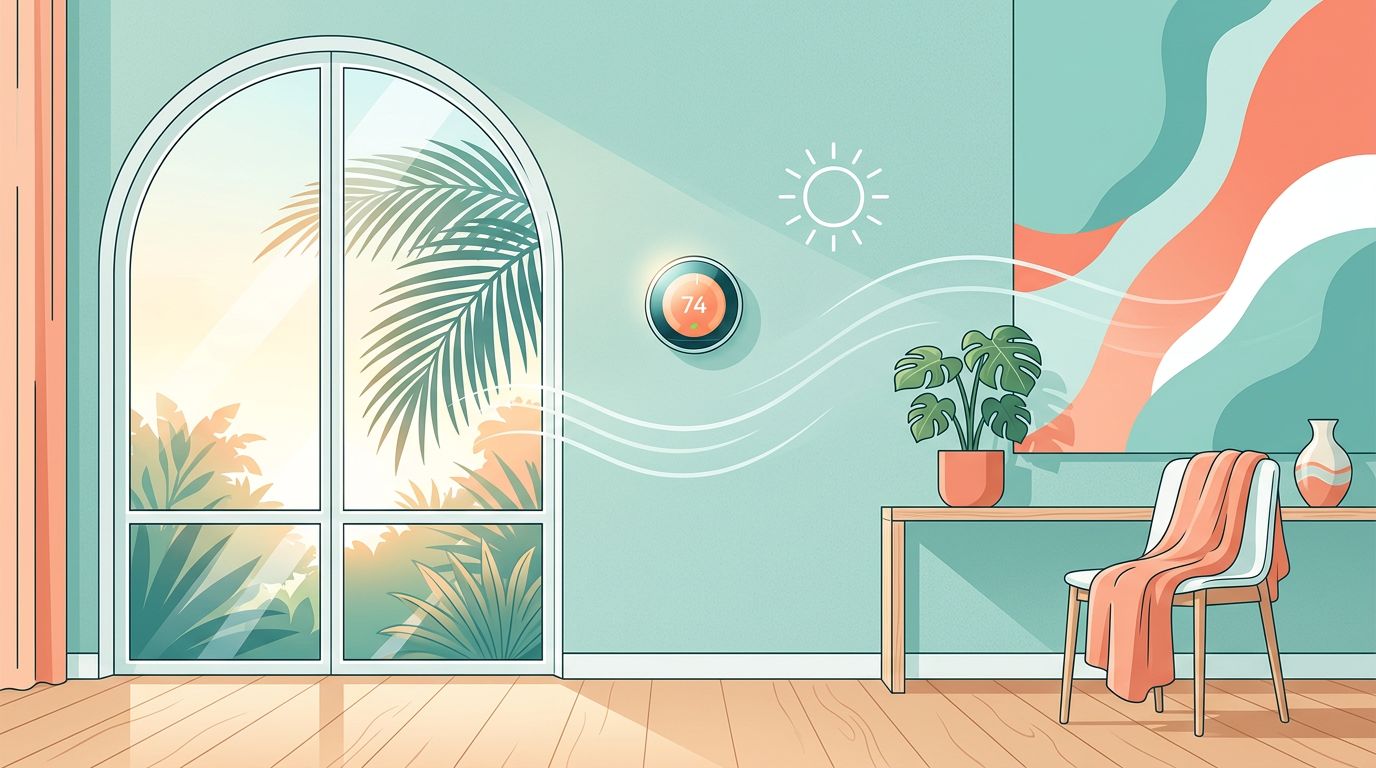
For many homes in Babcock Ranch, a good daytime starting point is 76 to 77 degrees when people are home. That range often gives you a better balance than trying to keep the house at 72 all summer.

A newer, well-sealed home may feel fine at 77. A house with more glass, more sun exposure, or a second floor that heats up fast may need 75 or 76. The point is to start in a sensible range, then adjust one degree at a time.

Small changes matter. Dropping the thermostat five degrees in one shot rarely makes the home feel better, and it can make the system work harder than needed. If the house is comfortable at 76, there is no prize for forcing it to 72.

Why humidity matters more than the number on the display

In Southwest Florida, temperature is only half the story. Humidity decides whether your home feels cool, damp, muggy, or truly comfortable.

A room at 75 degrees can feel worse than a room at 77 if the air is packed with moisture. That is why humidity control should shape your thermostat choice. Many homes feel best when indoor humidity stays around 45 to 55 percent .

If the house feels sticky, the thermostat number may be hiding a moisture problem.

That is why the fan setting matters. Keep the fan on auto , not on. When the fan runs nonstop, it can push damp air back through the house and make the home feel clammy. Some thermostats also offer a dehumidify or comfort setting, which can help during long stretches of humid weather.

Watch for simple clues. Foggy windows, a musty smell, and bedding that feels damp are all signs the home needs more moisture control, not just a colder setpoint.

Settings that fit occupied hours, sleep, and time away

The best thermostat plan depends on how the house is used. A home that stays full all day needs a different setting than one that sits empty until evening.

Use this as a practical starting point for summer cooling:

Situation Good starting setting Why it works
Home during occupied hours 76 to 77 degrees Comfort stays steady without overcooling
Sleeping hours 74 to 76 degrees Cooler air often feels better at night
Away for work or errands 78 to 80 degrees Saves energy while keeping humidity down
Vacation or long trips 80 to 82 degrees Prevents the home from getting too warm and damp

For many families, 76 during the day, 75 at night, and 78 to 80 when away is a solid place to begin. If the home still feels humid, do not rush straight to a much lower number. First, check whether the system is running long enough and whether the fan is set to auto.

A few degree changes are normal. Big swings usually create more discomfort than they solve.

Smart thermostat programming that helps all summer

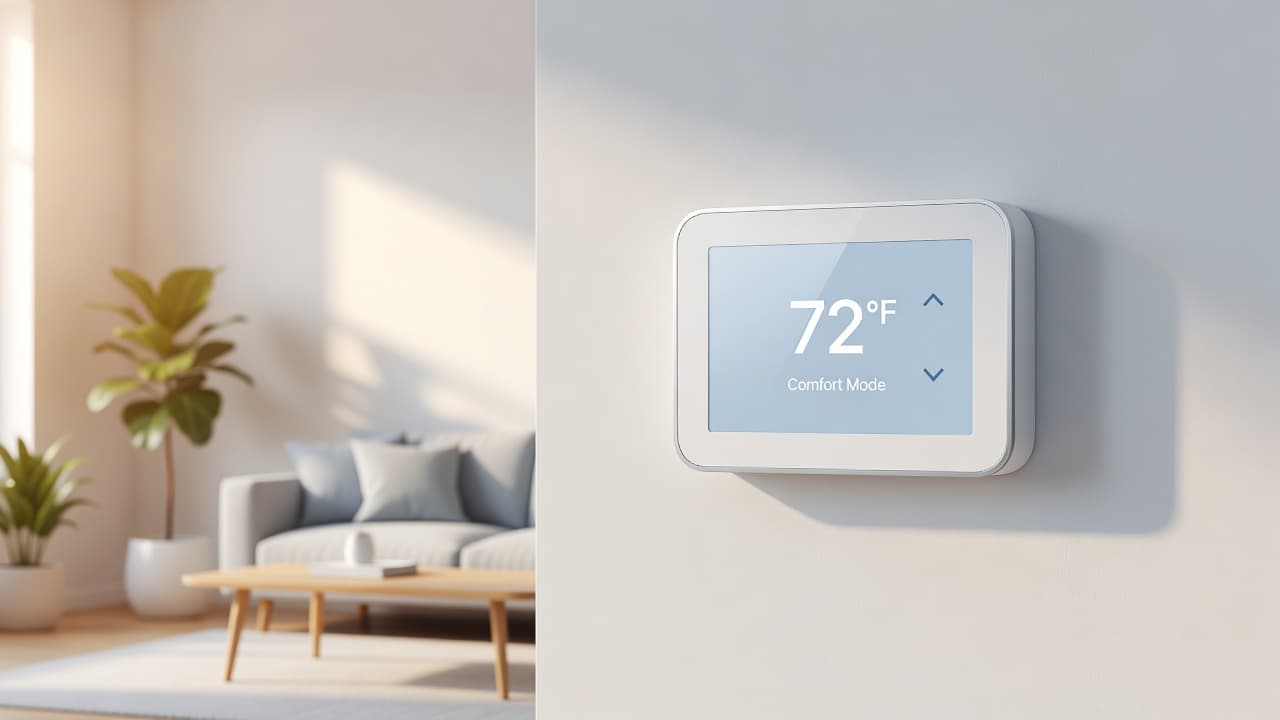
Smart thermostats can make summer cooling easier, but only if the settings match real life. A schedule built around your actual routine works better than one constant hold.

Start by setting weekday and weekend schedules separately if your routine changes. Then program the system to begin cooling a little before people wake up or return home. The house should be comfortable when you walk in, not ten minutes later.

A few habits make smart controls more useful:

  • Set the thermostat for routine use, not for wishful thinking.
  • Use temporary holds when plans change, then let the schedule resume.
  • Keep the fan on auto so the AC can pull moisture out of the air.
  • Give each temperature change time to work before changing it again.
  • Use vacation or away mode for longer trips instead of leaving the house at a home setting.

Smart thermostats are also helpful for homes with different comfort needs in different parts of the day. If the upstairs gets warmer in the late afternoon, a small pre-cool window can help. If the home is empty during work hours, a slightly higher daytime setpoint can trim costs without hurting comfort.

The biggest mistake is constant tinkering. Summer cooling works best when the thermostat has a clear schedule and enough time to do its job.

When the thermostat is not the real problem

Sometimes the setting is fine, but the house still feels hot. That usually means something else is getting in the way.

A thermostat placed near a sunny wall, a kitchen, or a supply vent can read the wrong temperature. Dirty filters can slow airflow. Low refrigerant, leaky ducts, and a weak blower can also make the system struggle. If the unit runs all day and still leaves the house sticky, the thermostat is probably not the whole problem.

Uneven rooms are another clue. If one bedroom is cold while the main living area stays warm, the issue may be airflow, duct balance, or insulation. If the system short cycles, humidity can climb because the AC never runs long enough to dry the air.

That is why thermostat settings and system health go together. A well-chosen setpoint helps, but it cannot fix a cooling system that needs service. When summer comfort slips out of range, it pays to look at the whole setup, not just the number on the screen.

A Summer Setting That Fits Your Home

For most Babcock Ranch homes, the sweet spot starts around 76 to 77 degrees when occupied , 74 to 76 at night , and 78 to 80 when away . Those settings give the AC room to manage heat and humidity without grinding away all day.

If the home feels damp at those temperatures, the answer is usually not a colder thermostat. It is better humidity control, better airflow, or a system check. Once those pieces line up, the house feels cooler at a higher setting, which is exactly what summer comfort should look like in Southwest Florida.

Recent Posts

By Sunset Gulf HVAC June 16, 2026
One room that never seems to cool down can make the whole house feel off. In a Fort Myers home, that room often feels muggy by midafternoon, even when the rest of the house is comfortable. That kind of uneven cooling usually has a clear cause. It may be airflow, ductwork, insu...
By Sunset Gulf HVAC June 15, 2026
When your AC blows warm air in Lehigh Acres, the problem can feel urgent fast. Florida heat does not leave much room for guesswork, especially when the house stays sticky after the system has been running for hours. The good news is that warm air often starts with a simple iss...
By Sunset Gulf HVAC June 14, 2026
Cooling bills in North Fort Myers can rise for a reason you never see. Leaky air ducts waste cooled air before it reaches your rooms, so your AC works longer and harder. That lost air matters more in Southwest Florida than many people expect. Long cooling seasons, hot attic sp...