Fresh Air Ventilation for Babcock Ranch Homes

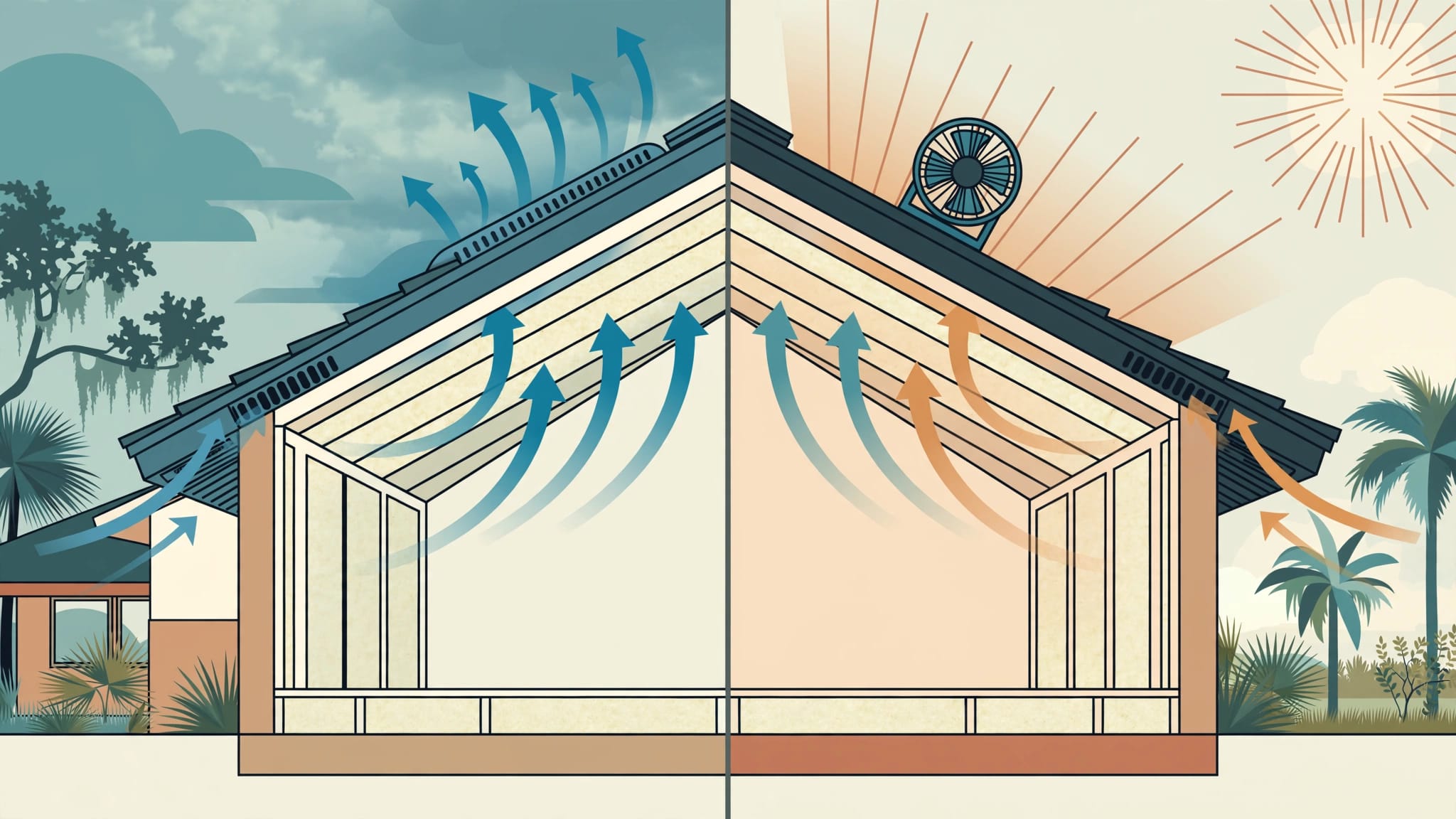
Fresh air ventilation in a Babcock Ranch home must handle more than stale indoor air. It also needs to manage Southwest Florida's heat, moisture, pollen, and long cooling seasons without driving up energy use.
Keeping windows open can bring in humidity and outdoor pollutants. Running the AC fan all day can spread air without removing moisture. The right ventilation setup introduces outdoor air in a controlled way, then works with your cooling system to keep the home comfortable.
Why Babcock Ranch Homes Need Moisture-Controlled Ventilation
Outdoor air is not automatically healthy air indoors. In Southwest Florida, outdoor air often contains a large amount of water vapor. When that humid air enters your home without proper control, your AC must remove the added moisture before the space feels comfortable.
Many newer homes have tighter construction than older homes. That helps reduce unwanted air leakage, but it also means the home may not receive enough natural air exchange. Cooking, showers, cleaning products, pets, and everyday occupancy can add odors and airborne particles.
Your air conditioner removes some humidity whenever the compressor runs. However, the system may not run long enough on mild days to control moisture well. An oversized AC can cool a room quickly, shut off, and leave the indoor air damp. A home can feel cool while still registering uncomfortable humidity.
A practical indoor humidity target for many homeowners is roughly 45% to 55% relative humidity. Persistent readings above 60% can make rooms feel sticky and may support mold growth on cold surfaces.
Fresh outdoor air should enter through a controlled system, not through random leaks around doors, ducts, attics, or wall cavities.
Fresh air ventilation and dehumidification also perform different jobs. A ventilator brings in outdoor air and removes stale air. A whole-home dehumidifier removes indoor moisture when the AC isn't running long enough. Some homes need both.

Fresh air ventilation options for Babcock Ranch homes
Each ventilation method affects indoor pressure, humidity, filtration, and cooling demand differently. The best option depends on the home's layout and existing HVAC equipment.
| Ventilation option | Best fit | Main concern |
|---|---|---|
| Exhaust-only fan | Small homes with limited ventilation needs | May draw humid air from unconditioned areas |
| Supply-only system | Homes needing filtered outdoor air at one controlled point | Can add moisture and pressurize the home |
| Balanced ventilation | Tight homes needing steady air exchange | Requires careful duct design and commissioning |
| ERV | Hot-humid homes where moisture control matters | Higher installation cost than a basic exhaust fan |
| HRV | Cooler or drier climates | Usually transfers less moisture than an ERV |
Exhaust-only ventilation
Exhaust ventilation uses a fan to remove indoor air. Bathroom fans, range hoods, and dedicated exhaust fans are common examples.
This approach is simple and affordable, but the replacement air enters through leaks or passive openings. That air may come through the attic, garage, wall cavities, or other unconditioned spaces. It can also carry humidity, dust, insulation particles, and outdoor odors.
An exhaust fan can help remove shower moisture or cooking odors. It usually isn't the best choice as the only whole-home ventilation method for a tightly built Florida home.
Supply-only ventilation
A supply system brings outdoor air into the home through a fan and duct. The intake can include a filter, which gives you more control over where incoming air enters.
Supply ventilation can work with a central AC system, but the incoming air needs proper treatment. If the system brings in warm, wet air without dehumidification, your cooling equipment must work harder. Poorly sealed building cavities can also receive moisture if the home becomes over-pressurized.
Balanced systems and ERVs
Balanced ventilation supplies outdoor air while exhausting a similar amount of indoor air. This keeps pressure closer to neutral and gives the installer more control over the air path.
An energy recovery ventilator, or ERV, is often a strong fit for Babcock Ranch homes. Its core transfers some heat and moisture between outgoing indoor air and incoming outdoor air. During a Florida summer, the outgoing air can reduce the heat and moisture load carried by the incoming air.
An ERV doesn't make outdoor air dry. It reduces the burden on your AC and dehumidifier. It also doesn't replace good filtration, duct sealing, or regular maintenance.
HRVs and Florida humidity
A heat recovery ventilator, or HRV, transfers heat but provides less moisture transfer than an ERV. HRVs are useful in climates where heating dominates and indoor moisture needs to leave the home.
In Southwest Florida, an HRV may not be the first choice because moisture control matters as much as temperature. An HVAC professional should compare the home's humidity pattern, equipment, and ventilation rate before selecting an HRV or ERV.
How to choose fresh air ventilation for your home
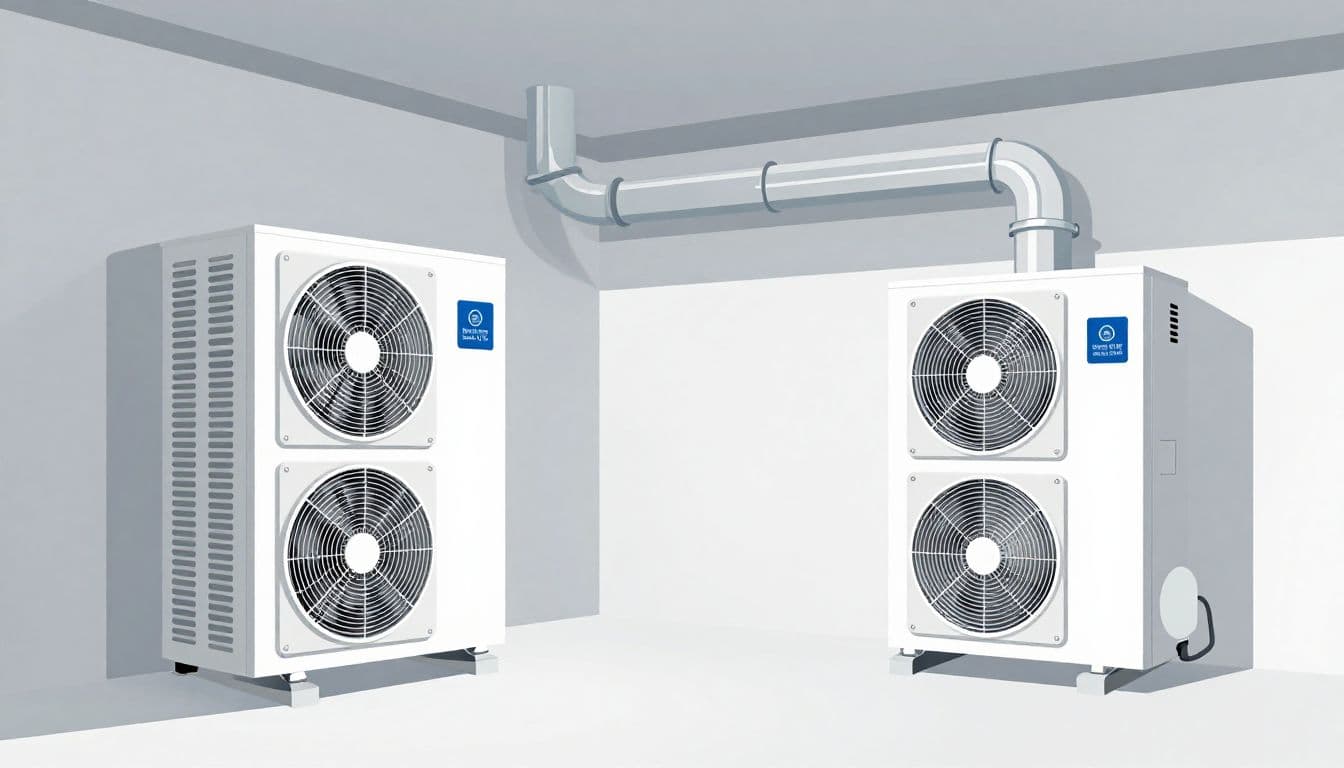
The most useful recommendation starts with the house, not the equipment brochure. Use these factors to narrow the options.
- A smaller home with one central split system or heat pump may work well with a properly sized ERV tied to the main ductwork. The installer should confirm that the blower can handle the added airflow and filter resistance.
- A larger home with multiple zones may need separate ventilation control for each zone or a dedicated outdoor-air system. One intake point may not distribute air evenly across distant bedrooms and living areas.
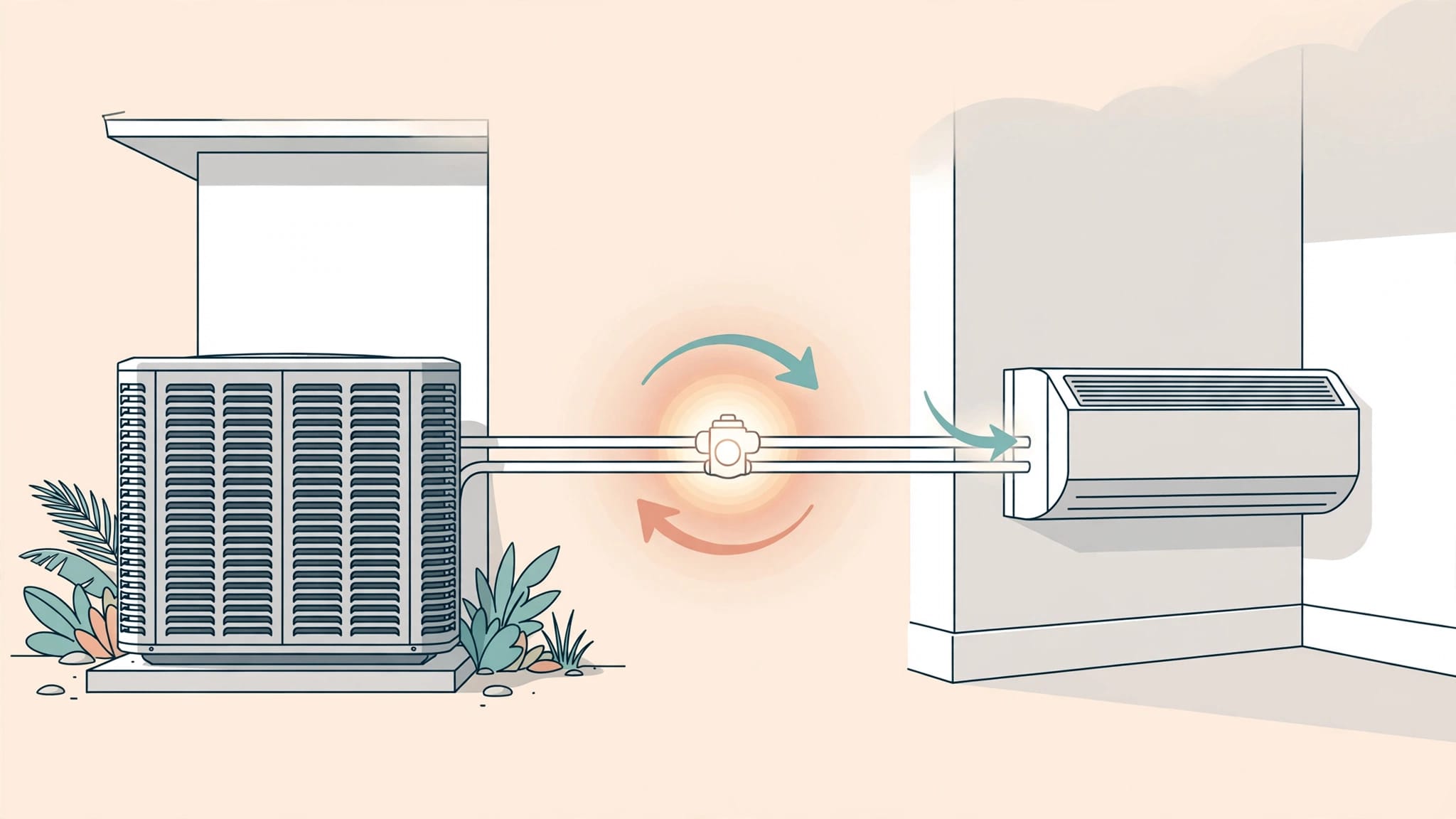
- A home with a ductless mini-split usually needs a separate ventilation system. A wall-mounted mini-split head recirculates indoor air, so it doesn't provide outdoor air exchange by itself.
- If the home feels sticky even when the AC runs, focus on latent moisture control. An ERV can reduce incoming moisture, while a whole-home dehumidifier may provide better control during mild, wet weather.
- Allergy concerns call for a filtered outdoor-air intake and a compatible central-air filter. MERV 11 or MERV 13 may help capture smaller particles, but the HVAC blower must support the filter without losing too much airflow.
- Homes with more occupants produce more moisture and carbon dioxide. A larger family, frequent guests, or rooms used as offices may benefit from continuous low-speed ventilation or demand-based controls.
- If your HVAC system already has an outdoor-air connection, have the duct, damper, controls, and filter checked before adding new equipment. An existing connection may be poorly balanced or may introduce air without enough moisture control.
The thermostat also affects ventilation performance. For many systems, the indoor fan setting should stay on AUTO instead of running continuously. Continuous fan operation can move air across a damp cooling coil after the compressor stops. Variable-speed systems and communicating controls may handle this differently, so follow the equipment design rather than using one setting for every home.
Installation details that affect comfort and efficiency
Ventilation equipment works well only when the air path is designed correctly. The outdoor intake should sit away from dryer exhaust, plumbing vents, vehicle fumes, irrigation spray, and areas that collect storm debris. A weather-resistant hood and a properly sealed damper help reduce rain intrusion.
The intake duct must be insulated and sealed. In a hot attic, an uninsulated duct can collect condensation and add heat before the air reaches the ventilator. All connections should receive attention, not only the visible equipment cabinet.
Duct leaks can undermine both ventilation and cooling. If rooms have uneven temperatures, dusty air, or rising electric bills, ask about ductwork sealing and inspection. Leaks in an attic or garage can pull in unwanted air and waste conditioned air.
Controls deserve the same care as the hardware. A ventilator may run continuously at a low rate, operate on a timer, or respond to humidity and occupancy. The right control depends on the home and the system's capacity. A technician should measure airflow after installation instead of relying only on the fan's rating.
Ventilation should also work with your filtration plan. Filters need an accessible location and a replacement schedule based on dust, pets, pollen, and occupancy. During storm season, inspect the outdoor hood after heavy rain and wind.
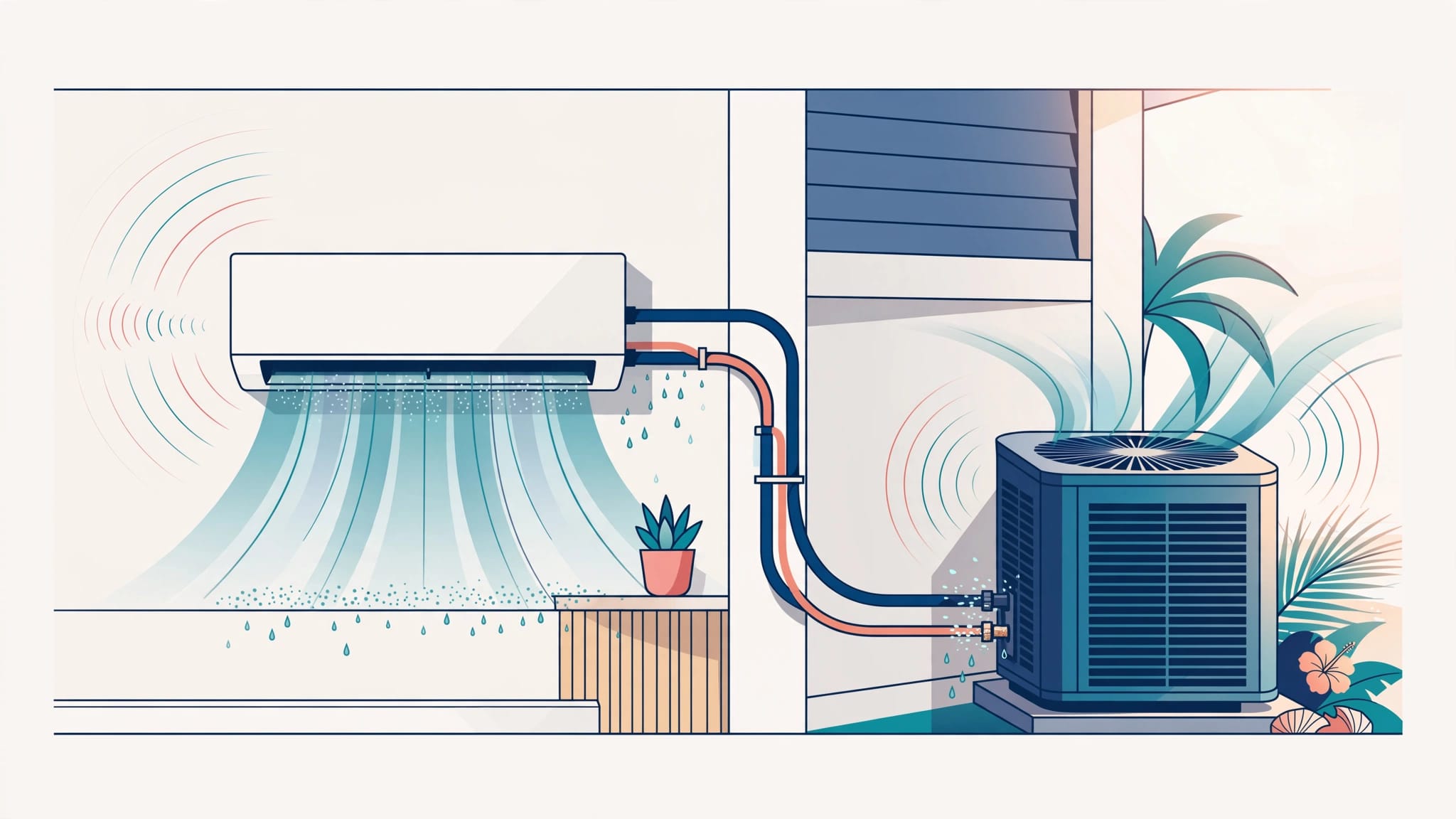
Persistent musty odors need investigation before adding more outdoor air. Musty AC smells can point to wet insulation, drain problems, dirty coils, or excess humidity. Ventilation won't correct those issues by itself.
Common mistakes to avoid
Many homeowners choose a fan based on purchase price and discover the comfort problem later. These mistakes can add humidity or reduce cooling performance:
- Using a bathroom fan as the home's only ventilation system.
- Adding an outdoor-air duct without checking dehumidification capacity.
- Selecting an HRV without considering Southwest Florida's moisture.
- Installing a high-MERV filter that restricts airflow for the existing blower.
- Running the indoor fan continuously when the system isn't designed for it.
- Ignoring duct leaks, clogged filters, or a blocked condensate drain.
- Placing the outdoor intake near an exhaust outlet or storm-prone area.
The most reliable installation includes airflow testing, humidity checks, filter verification, and a review of how the ventilator interacts with the AC or heat pump.
Choosing a comfortable path forward
For many Babcock Ranch homes, a balanced ERV is a practical starting point because it brings in filtered outdoor air while limiting added heat and moisture. Homes with persistent humidity may also need dedicated dehumidification. Smaller or less tightly built homes may need a simpler solution, but exhaust-only ventilation should not be selected automatically.
Home size, HVAC type, allergies, occupancy, duct condition, and indoor humidity all belong in the decision. Good fresh air ventilation makes the home feel cleaner without asking the AC to fight uncontrolled Florida moisture.
Conclusion
The right ventilation system for a Babcock Ranch home balances outdoor air with humidity control and cooling efficiency. ERVs often fit the local climate, while supply, exhaust, HRV, and dedicated dehumidification systems each have narrower uses.
Start with indoor humidity, HVAC setup, duct condition, and household needs. When those details guide the equipment choice, fresh air can improve indoor comfort instead of becoming another source of moisture.
Recent Posts