Signs of AC Blower Motor Failure in Cape Coral Homes
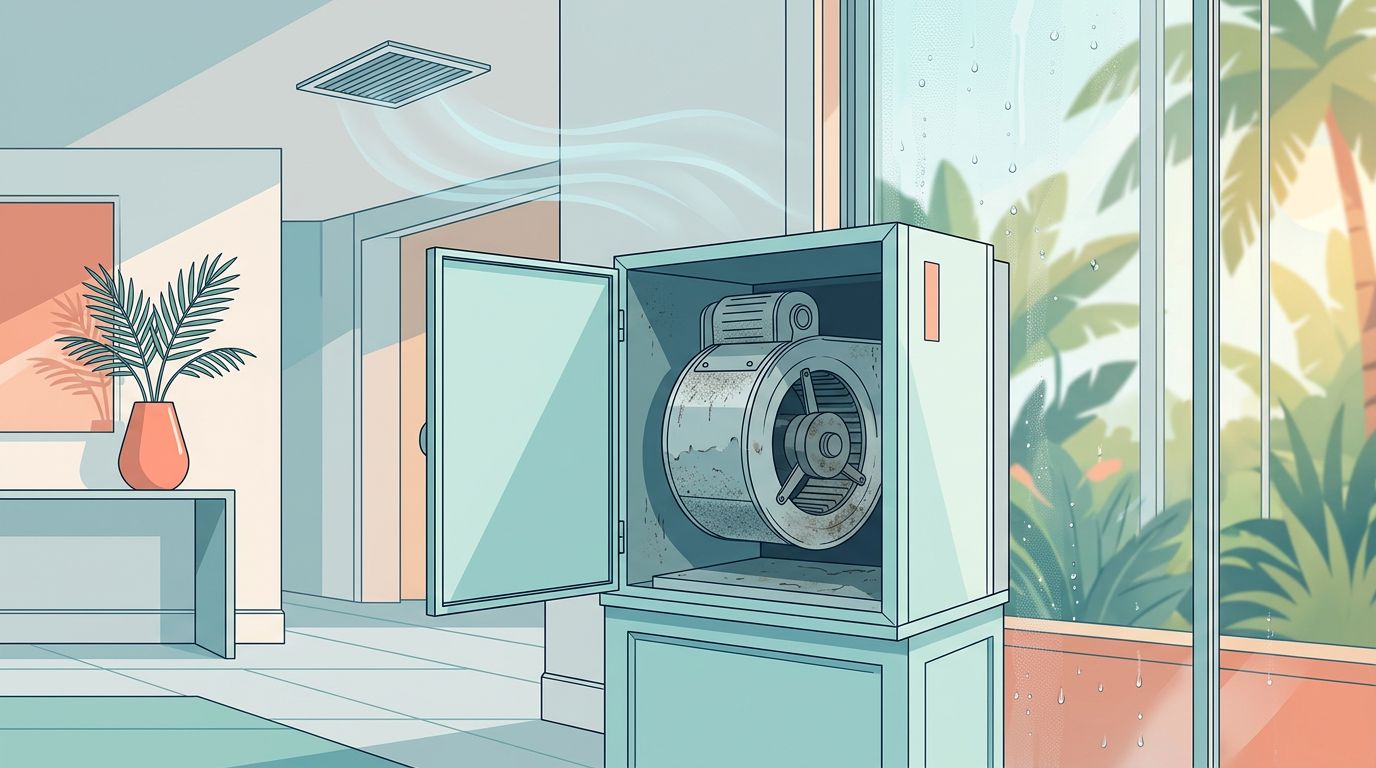
An air conditioner that runs all day but barely moves air may be showing an early AC blower motor failure . In Cape Coral, weak airflow is more than a comfort issue because Florida heat and humidity can build quickly inside the home.
The indoor blower pushes cooled air through your ductwork. Once it slows, overheats, or stops, rooms may feel damp while the system continues using energy. Recognizing the warning signs helps you shut the system down before a small motor problem affects other components.
What the Indoor AC Blower Motor Does
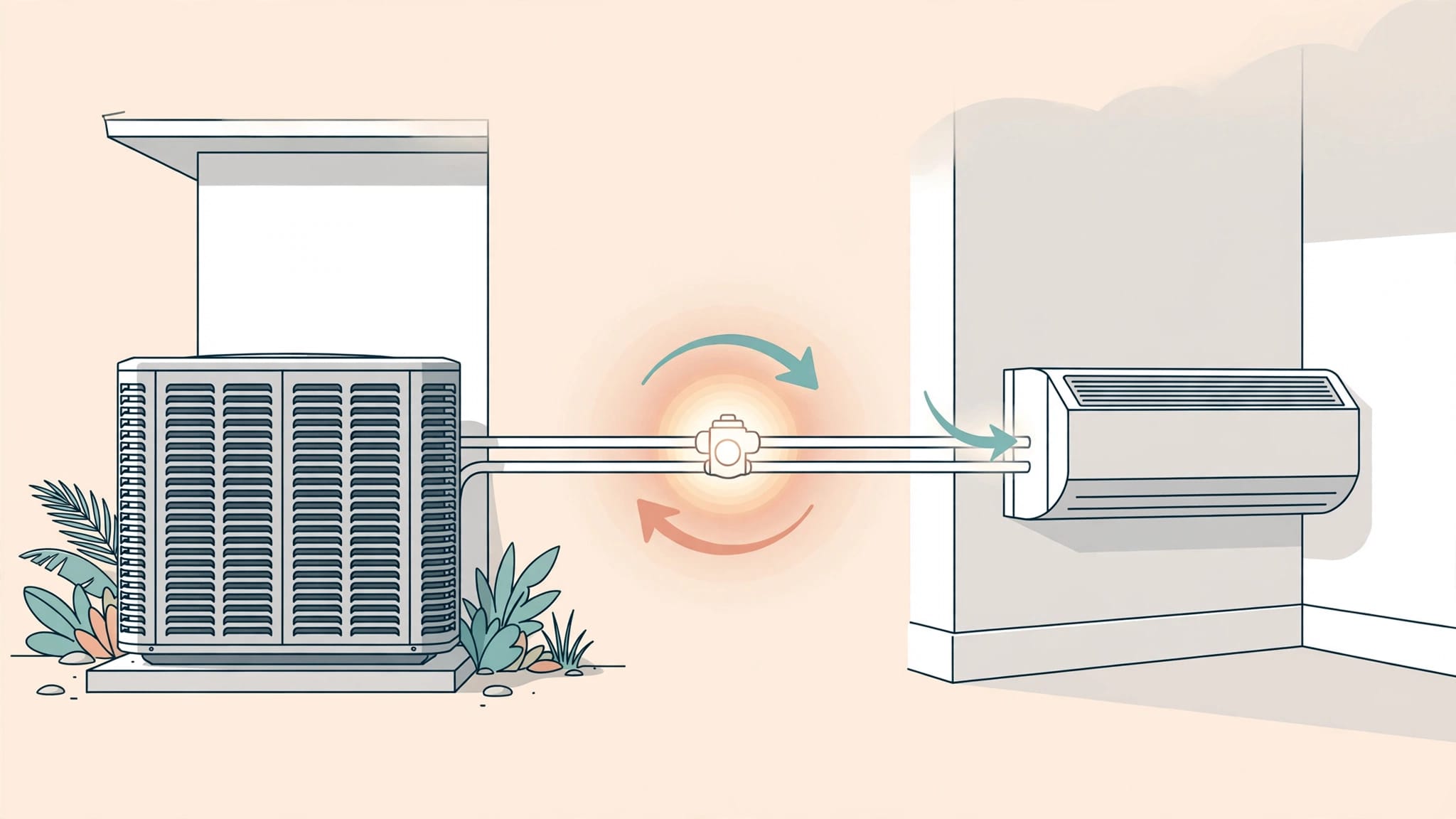
Your air conditioner has two fans that homeowners often confuse. The indoor blower motor sits inside or beside the air handler and moves conditioned air through the supply ducts. The outdoor condenser fan moves air across the outdoor coil, so an outdoor fan problem needs a different diagnosis.
When the indoor motor slows, the thermostat may still show that the system is running. However, little air reaches the rooms. A motor can also overheat, lose power, or fail to start because of worn bearings, an electrical fault, a capacitor problem, or restricted airflow.
In newer systems, an electronically commutated motor, or ECM, may use an electronic control module. Older systems often use a permanent split capacitor, or PSC, motor with a run capacitor. These parts aren't interchangeable, and the correct replacement depends on the air handler model, motor type, and required airflow.
A problem with the outdoor fan can also cause humming without cooling. Sunset Gulf HVAC's guide to an air conditioner fan not spinning explains why that symptom can involve a capacitor, motor, contactor, or power issue.
AC Blower Motor Failure: Signs Cape Coral Homeowners Should Watch
One symptom may have a simple cause, such as a clogged filter. Several symptoms together point more strongly toward a blower motor or electrical problem.
Weak or Uneven Airflow
Stand near several supply vents while the air conditioner runs. If the airflow feels weak at every vent, the blower may not be reaching its normal speed. A clogged filter, dirty evaporator coil, blocked return grille, or duct restriction can create the same symptom, so a technician should test the full airflow path.
Uneven airflow can also point to a developing problem. One bedroom may stay warm while the living room cools normally. If the weak airflow appeared suddenly, the motor may have lost power or developed a failing capacitor. If it developed slowly, dirt, bearing wear, or a restricted filter may be placing extra strain on the assembly.
The Blower Starts, Stops, or Works Only Sometimes
A blower that starts normally in the morning but stops during the hottest part of the day may be overheating. As the motor temperature rises, an internal overload protector can shut it off. After cooling, the motor may start again.
This pattern often causes confusing thermostat calls. You may hear the system running, yet the vents stop delivering air. Repeated cycling can also leave the evaporator coil cold enough to freeze because warm room air no longer passes over it.
An intermittent blower problem is still a real failure risk. Waiting for the motor to stop permanently can leave your home without cooling during a heat wave.
Humming, Grinding, or Squealing Sounds
A low hum without normal airflow can mean the motor is receiving power but cannot start. A weak capacitor, seized bearings, or a damaged motor can produce this sound. Grinding or squealing often points to mechanical wear that won't improve on its own.
Listen for a change from the system's usual sound. A brief startup click is normal, but a loud buzz that continues for several seconds deserves attention. Don't tap the cabinet or try to spin an indoor fan blade by hand. The motor may start unexpectedly, and exposed components can cause serious injury.
Warm Air, Damp Rooms, or Ice
When the blower cannot move enough air, the air conditioner may blow air that feels cool but not cold. The home can also become clammy because the system struggles to control humidity.
Ice on the refrigerant line or evaporator coil is another warning sign. Low airflow can make the coil temperature drop below freezing, allowing ice to build. Continuing to run the system can stress the compressor and increase water damage when the ice melts.
If several vents have little or no airflow, turn the system off and arrange service. Florida homes can become uncomfortable quickly, but running a failing system won't restore cooling and may increase the repair.
Why Cape Coral Humidity Makes Airflow Problems Urgent
Cape Coral's long cooling season puts regular demand on air handlers and blower motors. High humidity adds another concern because the air conditioner must move enough air across the coil to remove moisture from the home.
When airflow drops, the system may run longer without reaching the thermostat setting. Rooms can feel sticky, indoor temperatures can rise, and the coil may freeze. A blocked filter or dirty coil can also make the blower work harder, which may push an already worn motor toward failure.
A blower motor problem can damage more than comfort. Low airflow may lead to coil icing, water overflow, and added strain on the compressor.
Moisture around the air handler deserves prompt attention. A full drain pan, wet insulation, or water near the cabinet can follow a frozen coil or a blocked condensate drain. Shut the system off if you see active leaking, then call for HVAC service.
Safe Checks Before Calling an HVAC Technician
You can perform a few basic checks, but electrical and motor repairs belong with a trained HVAC technician. Start with the thermostat and visible airflow issues rather than opening the air handler.
- Set the thermostat to "OFF" and check whether the fan setting responds normally. If the system makes a humming sound or repeatedly tries to start, leave it off.
- Turn off power at the service switch or breaker before inspecting equipment. Check the filter only after power is off, and replace it if it is visibly dirty or packed with dust. Use the size and type listed for your system.
- Walk through the home and check supply registers and return grilles. Furniture, rugs, curtains, or storage items can block airflow. Keep the main return grille clear.
- Check the electrical panel once for a tripped air conditioner breaker. If it trips again, leave it off. Repeated resets can expose the system to an electrical fault and create a fire risk.
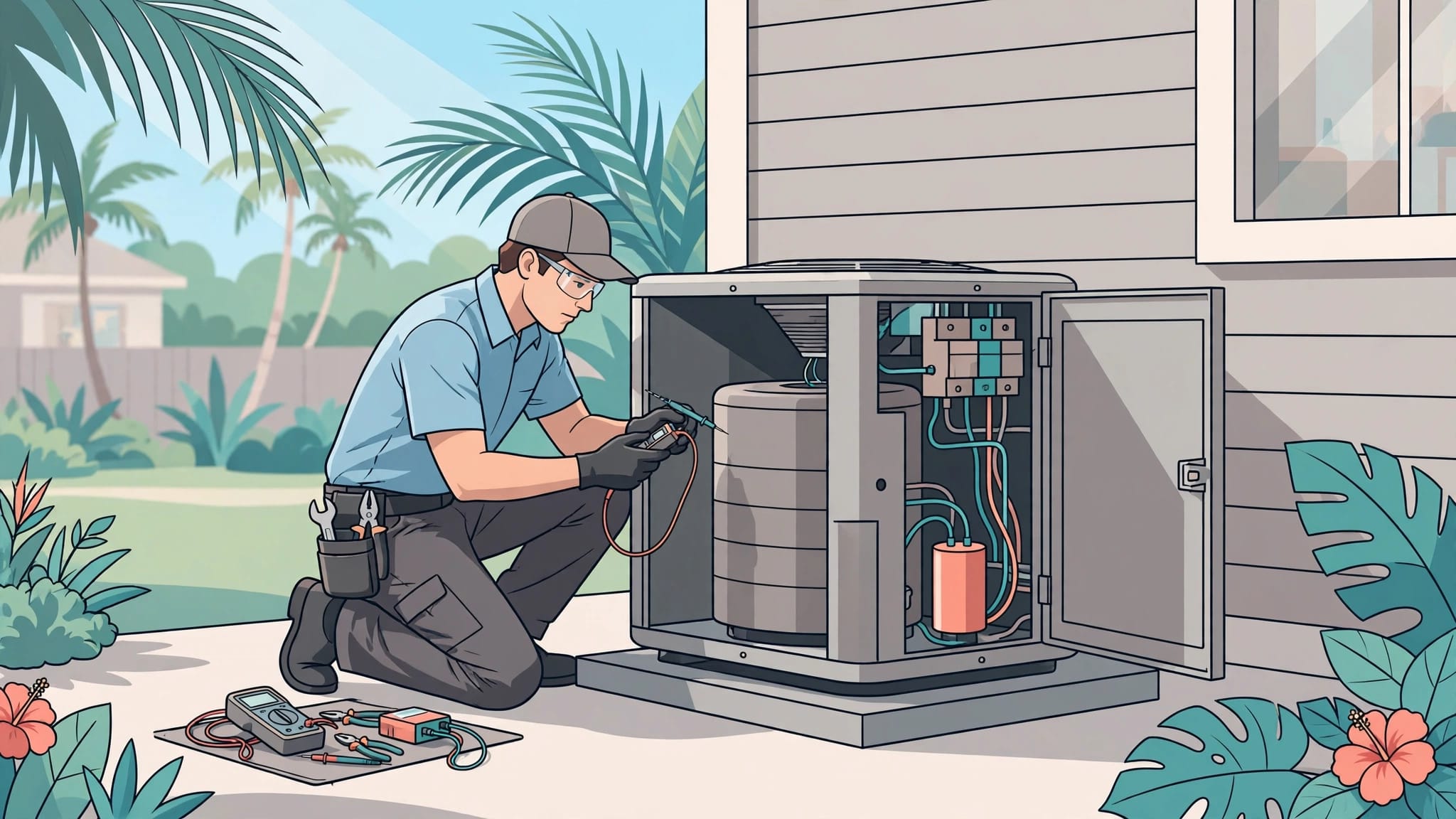
Don't remove the air-handler access panel, touch wiring, test a capacitor, or try to force a fan blade. Capacitors can retain an electrical charge even after the system stops. A technician needs to test voltage, motor amperage, capacitor condition, control signals, and airflow safely.
When Blower Motor Service Cannot Wait
Call promptly when the system has no airflow from multiple vents , especially if the outdoor unit continues running. Without indoor air movement, the evaporator coil can freeze while the compressor keeps operating.
Turn the system off and request service if you notice:
- A burning smell or a cabinet that feels unusually hot.
- Grinding, squealing, or loud buzzing from the air handler.
- A breaker that trips more than once.
- Ice on the refrigerant line or indoor coil.
- Water leaking around the air handler.
- Warm, damp air after the blower should have started.
A complete lack of airflow during a Cape Coral heat spell deserves same-day attention when possible. High indoor heat and humidity can affect comfort, pets, flooring, and sensitive belongings. If the home becomes unsafe for anyone with medical needs, use a safe temporary location while waiting for service.
Repair, Replacement, and Prevention
A technician should identify why the motor failed before recommending a replacement. The repair may involve a capacitor, relay, wiring connection, control board, or ECM module. In other cases, the motor itself has worn bearings or electrical damage and needs replacement.
The correct motor must match the air handler's voltage, horsepower, speed, mounting pattern, and airflow requirements. Installing an incorrect motor can create poor comfort, excess noise, coil icing, or another failure. A professional may also check static pressure, the filter, evaporator coil, return duct, and supply ducts to find restrictions that caused the motor to work too hard.
Replacement makes more sense when the motor is older, the repair cost is high, or the air handler has other serious problems. A technician can compare the motor repair with the condition and expected service life of the complete system.
Routine maintenance helps catch these issues earlier. Keep the filter clean, leave return grilles open, and schedule cooling service before the hottest part of the year. A scheduled AC maintenance plan can also help homeowners stay on top of filter checks, electrical testing, drain inspections, and airflow concerns.
Conclusion
Weak airflow, intermittent operation, unusual noises, ice, damp rooms, and repeated breaker trips can all point to AC blower motor failure . A dirty filter may be the cause, but the motor and its electrical components need professional testing when symptoms continue.
Turn off the system before inspecting visible items, never attempt motor or capacitor repairs, and seek prompt HVAC service when airflow stops or the equipment overheats. In Cape Coral's hot, humid climate, early attention can protect comfort and prevent a manageable blower problem from becoming a larger system repair.
Recent Posts