Why Your AC Fan Isn't Spinning in Fort Myers

When your AC fan is not spinning , your home can heat up fast, especially in Fort Myers. The outdoor unit needs that fan to move heat out of the system, so a silent fan can turn a working AC into a warm, sticky problem.
Heat, humidity, and long cooling cycles put steady stress on fan parts here. Some causes are simple, but many involve electrical parts or motors that should not be handled at home.
The Role of the Outdoor AC Fan in Cooling Your Home
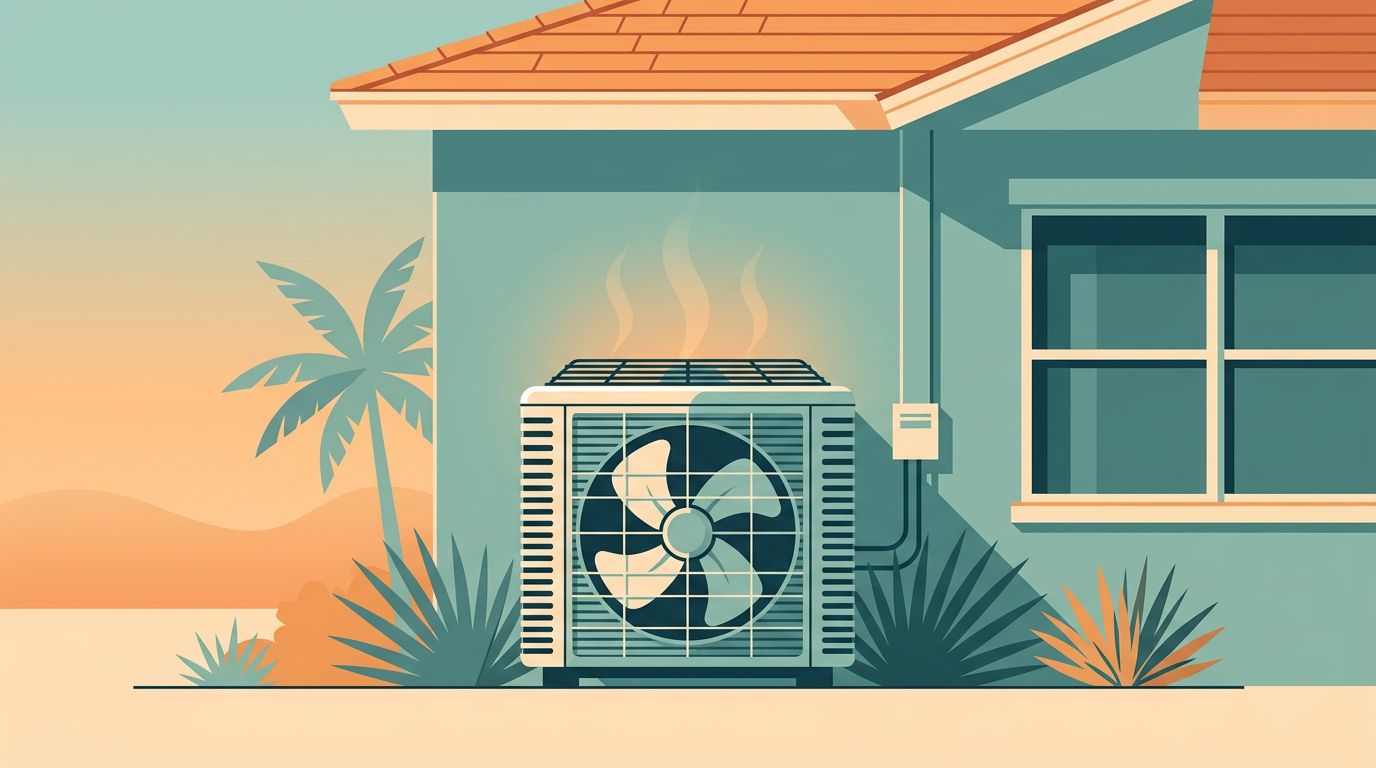
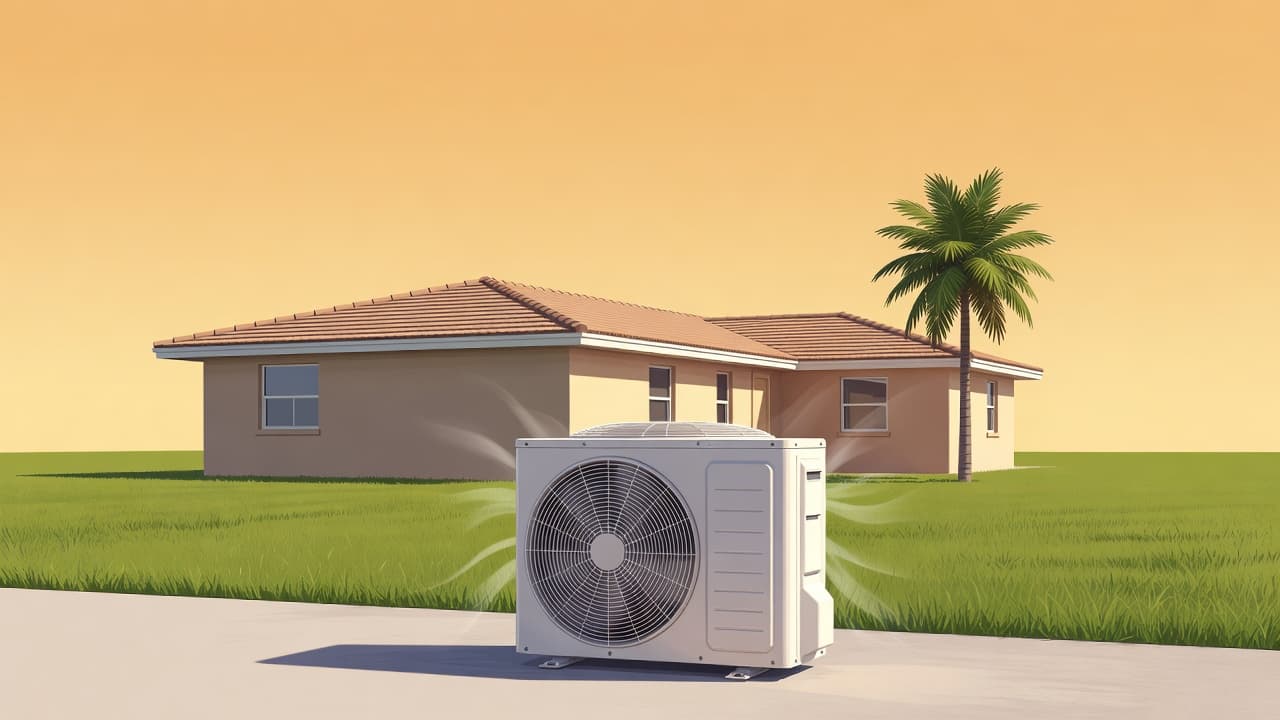
The outdoor fan does one big job, it pushes heat away from the condenser coil. That lets the system release the warmth pulled from inside your house.
If that fan stops moving, the AC can still sound like it is running, but the cooling drops off quickly. In Fort Myers, where AC systems work hard for most of the year, the house can feel warmer within minutes.
You may also notice the air coming from the vents feels damp or lukewarm. That is one reason homeowners often start with troubleshooting warm air from AC vents before they realize the fan outside has stopped.
A fan problem can seem small at first. Still, it often points to a part that needs real repair, not guesswork.
Common Reasons an AC Fan Stops Spinning
Several things can stop the outdoor fan, and some are more common than others. In Southwest Florida, heavy use and salty, humid air can wear parts down faster than many homeowners expect.
Power or thermostat issues can stop the fan before it starts
Sometimes the fan is fine, but the unit is not getting the signal or power it needs. A thermostat that is set wrong, a tripped breaker, or a disconnected outdoor switch can keep the fan still.
A power bump or storm can also trip the system. If that happens once, it may be a simple reset issue. If it happens again, the problem is deeper.
Watch for these signs:
- The thermostat is set to cool, but the fan never starts.
- The indoor air runs, but the outdoor unit stays silent.
- The breaker trips again after being reset.
- The system starts and then shuts off right away.
If the breaker keeps tripping, stop there. Repeated resets can make the damage worse.
A failing capacitor or contactor is a common cause
The capacitor gives the fan motor the push it needs to start. The contactor sends power to the outdoor unit. When either one fails, the fan may not move at all.
This often shows up as a humming sound, a click, or a fan that twitches and stops. In hot weather, these parts wear out faster because the system starts and stops so often.
A fan that hums but will not spin often points to a capacitor or contactor issue. Shut the system off and let a technician check it.
These parts can hold a charge even after the system is off. That makes them risky to handle without the right training and tools.
The fan motor may be worn out or overheated
If the motor is old, dirty, or strained, it may seize up. In some cases, it overheats and shuts itself down to avoid more damage.
Fort Myers heat makes this worse. The motor may run for long stretches during the hottest part of the day, then fail when it is needed most. Dust, salt air, and age all add more stress.
A bad fan motor can make a buzzing sound, a grinding sound, or no sound at all. Sometimes the blade feels stuck when the unit should be off. Do not try to force it.
Repeated attempts to restart a weak motor can burn it out faster. That can turn a repair into a replacement.
Debris, dirt, or bent blades can block movement
Outdoor units collect a lot of junk. Leaves, palm fronds, grass clippings, seed pods, and small debris can get inside the cabinet or around the fan blade.
Even a small obstruction can stop the fan from turning. Bent blades can also rub against the housing and lock the fan in place.
Dirty coils make things harder too. When the unit cannot release heat well, the fan and motor work harder, and overheating becomes more likely.
If you see debris around the unit, clear the area around it, but do not reach inside the cabinet. Sharp metal edges and moving parts can cause injury.
What You Can Safely Check Before Calling for Help
A few quick checks can help you narrow things down. Keep your hands out of the unit itself, and do not remove panels or touch wires.
- Make sure the thermostat is set to cool and the temperature is set below the room temperature.
- Check the breaker box for a tripped AC breaker.
- Look at the outdoor disconnect if you know where it is, but do not open any electrical parts.
- Replace a dirty air filter if it looks clogged.
- Clear grass, leaves, and yard debris from around the outdoor unit.
- Listen for humming, clicking, or grinding, then shut the system off if you hear them.
If these simple checks do not help, the problem is likely inside the unit. That is where electrical testing and motor repairs belong in the hands of a trained HVAC tech.
When a Fort Myers AC Fan Problem Needs Immediate Help
Some fan problems can wait a little while. Others should be handled right away, especially in Fort Myers heat.
Turn the system off and call for service if you notice any of these:
- A burning smell near the outdoor unit
- A breaker that trips more than once
- A fan that hums but never starts
- Grinding, screeching, or rattling sounds
- A fan blade that wobbles or hits something
- Indoor air that gets warmer and more humid fast
A stalled fan can put extra strain on the compressor. That is one of the most expensive parts in the system, so keeping the AC running can make a small repair much bigger.
If the fan still will not spin, schedule your HVAC service before the system takes more damage. Quick attention can save time, money, and a lot of discomfort.
Fort Myers Heat Makes Fan Problems Show Up Faster
In cooler places, a weak fan might limp along for a while. In Fort Myers, the system does not get that break. It runs through long afternoons, high humidity, and back-to-back cooling demands.
That heavy use exposes weak parts fast. A capacitor that was already fading may fail on the hottest afternoon of the week. A motor that was struggling in spring may stop during the first real heat wave.
Humidity also makes the house feel worse when cooling drops off. Even if the air is moving, it may feel heavy and damp. That is often the first clue that the outdoor unit is not doing its job.
The sooner you deal with the problem, the better chance you have of avoiding a larger repair. In this climate, waiting rarely helps.
Conclusion
When an AC fan stops spinning, the cause is often a failed capacitor, a bad contactor, a worn motor, a power issue, or a simple blockage. In Fort Myers, those problems show up fast because the system works so hard for so many months of the year.
A few safe checks can rule out basic trouble, but electrical and motor repairs should stay with a professional. If your unit is humming, tripping the breaker, or blowing warm, damp air, shut it down and get help before the damage spreads.
Recent Posts