Heat Pump Reversing Valve Problems in Bonita Springs
A heat pump that stays in cooling mode during a heating call can leave your home uncomfortable and leave you wondering whether the whole system needs replacement. The heat pump reversing valve may be involved, but the same symptoms can come from controls, airflow, refrigerant problems, or other electrical components.
Bonita Springs homeowners also deal with long cooling seasons, high humidity, coastal air, and occasional cool mornings when heating matters. Before approving a major repair, have a qualified HVAC professional confirm the cause and compare the condition of the valve with the condition of the entire system.
What the heat pump reversing valve does
One component changes the operating mode
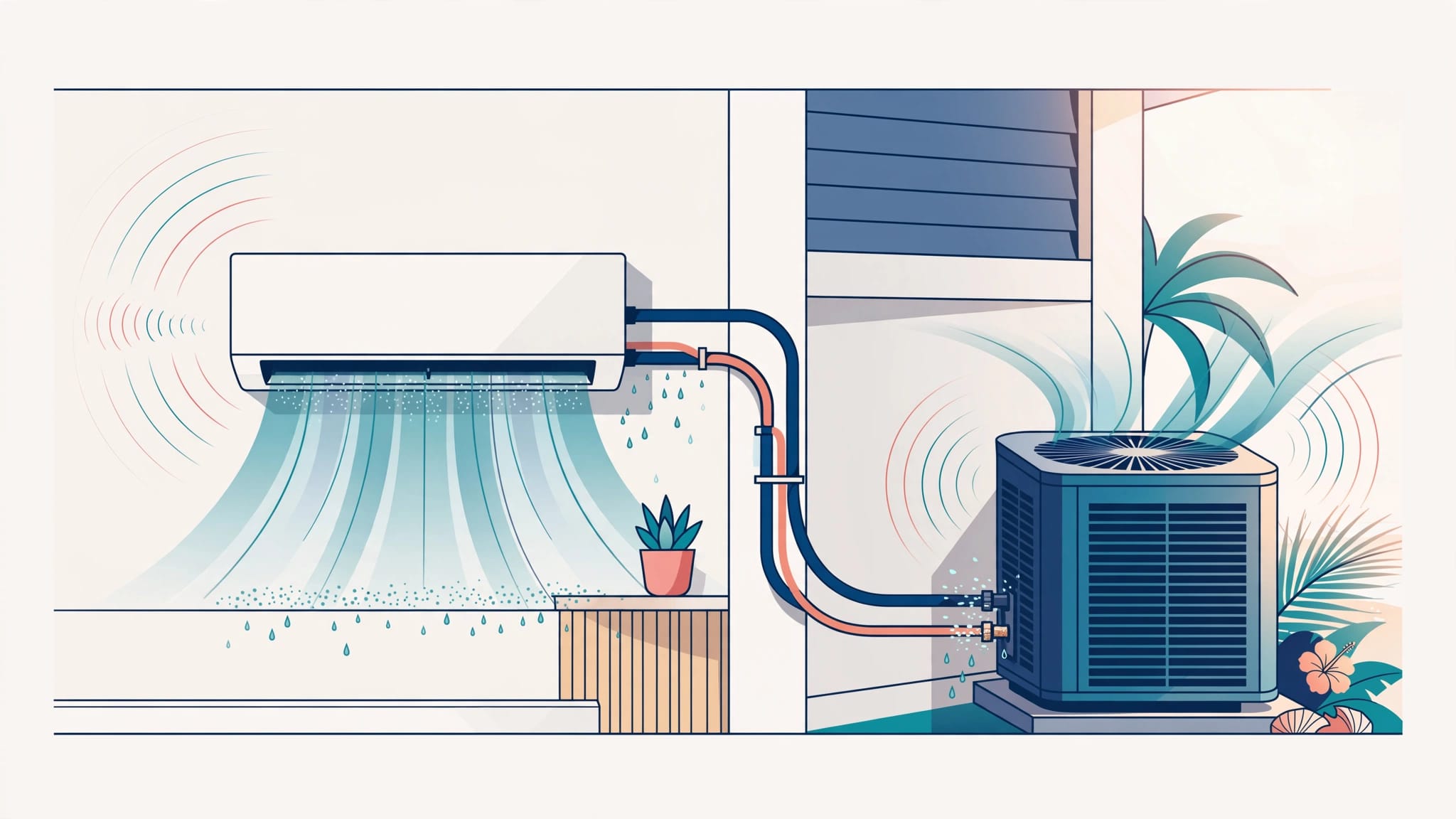
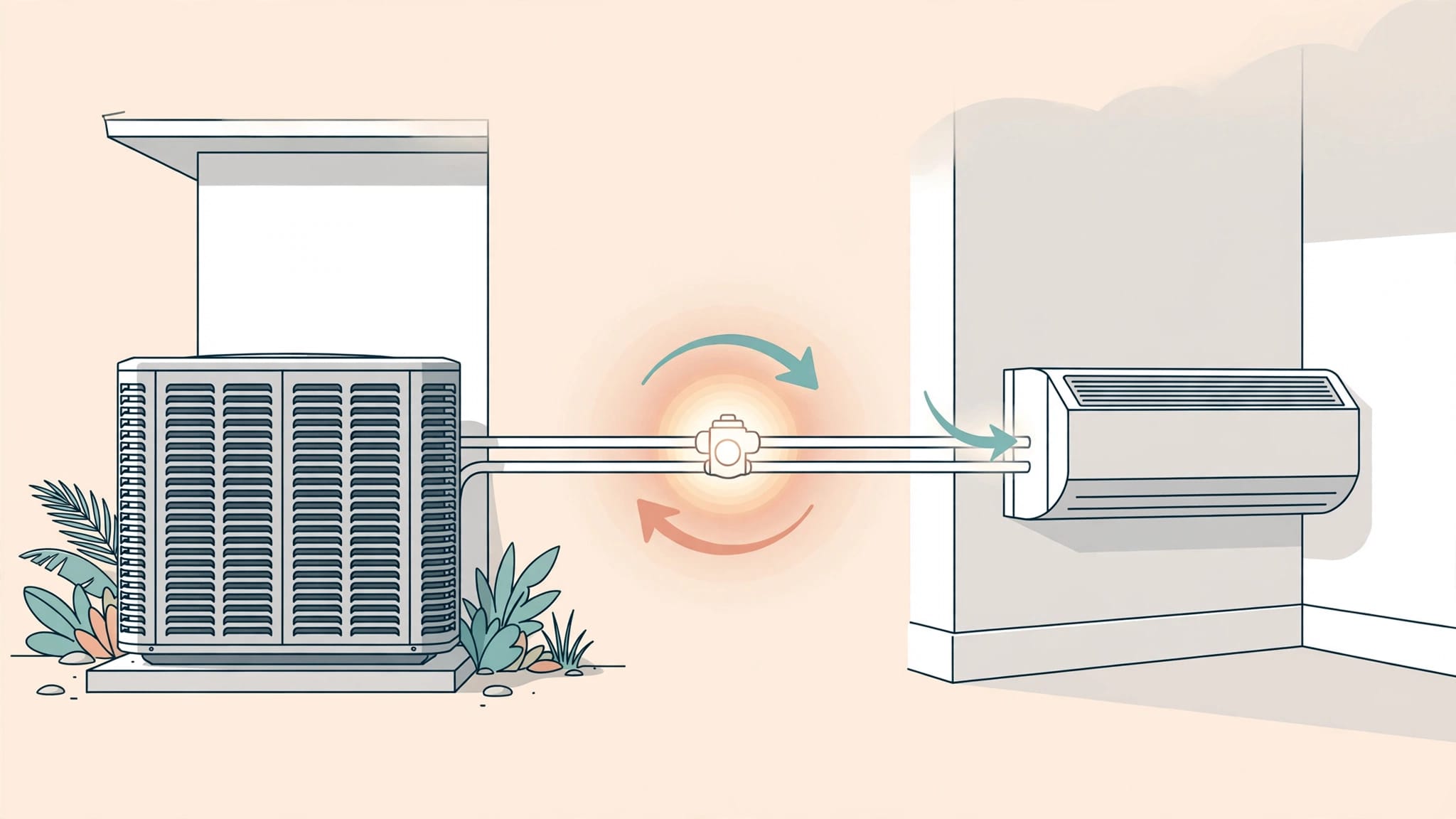
A heat pump uses the same basic system for cooling and heating. The reversing valve changes the direction of refrigerant movement so the indoor and outdoor coils perform different jobs in each mode.
When the valve receives the correct control signal, the system can switch between air conditioning and heating. A problem with the valve, its solenoid, its wiring, or the signal from the thermostat can interfere with that change.

A symptom does not prove the valve failed
A heat pump stuck in cooling mode may have a valve problem, but it may also have a thermostat, low-voltage control, or circuit issue. Likewise, a system that stays in heating mode may need more than a valve inspection.
The valve sits within the refrigerant system, so diagnosis requires more than listening to the outdoor unit or checking the air from one vent. A technician needs to compare the thermostat command with the system's actual response.
Signs that deserve a professional diagnosis
The system will not change modes
The clearest concern is a system that runs but does not respond correctly when you change from cooling to heating or heating to cooling. You may notice cold air during a heating call, warm or lukewarm air during cooling, or an outdoor unit that behaves differently than expected.
Briefly cooler air can occur during a normal defrost cycle in heating mode. However, the home should return to normal comfort after that cycle. Persistent lukewarm air, a falling indoor temperature, or repeated failure to change modes deserves service.
A heat pump may also display Aux Heat during startup, recovery, or defrost. That message alone does not confirm a reversing valve problem. If backup heat stays on for most cycles or appears during mild weather, ask a technician to check the complete heating sequence.
Sounds and cycling can have several causes
Repeated clicking, humming, grinding, scraping, or banging should not be treated as proof of a bad valve. These sounds can involve electrical controls, a fan motor, a capacitor, a contactor, or the compressor.
Frequent cycling also has several possible explanations. Poor airflow, a dirty filter, thermostat problems, refrigerant issues, sizing concerns, and control faults can all affect run time. Sunset Gulf HVAC's guidance on heat pump clicking noise diagnosis recommends service when clicking repeats, cooling stops, the outdoor fan fails to start, or the breaker trips.
A brief change in sound during defrost can be normal. Grinding, repeated electrical clicking, or a unit that stays in the wrong mode calls for a closer inspection.
How technicians diagnose a reversing valve problem
Electrical and control checks come first
A qualified technician may begin by confirming the thermostat settings, the requested operating mode, and the low-voltage signal reaching the outdoor equipment. Electrical testing can help separate a control problem from a mechanical problem.
The inspection may include the thermostat wiring, control board, solenoid, safety controls, outdoor fan, and other electrical components. A thermostat issue can look similar to a valve issue, particularly after a thermostat change or wiring problem. Homeowners should not move thermostat wires or bypass a safety control. The heat pump thermostat compatibility guide explains why heat-pump controls need to match the equipment.
The refrigerant system also needs evaluation
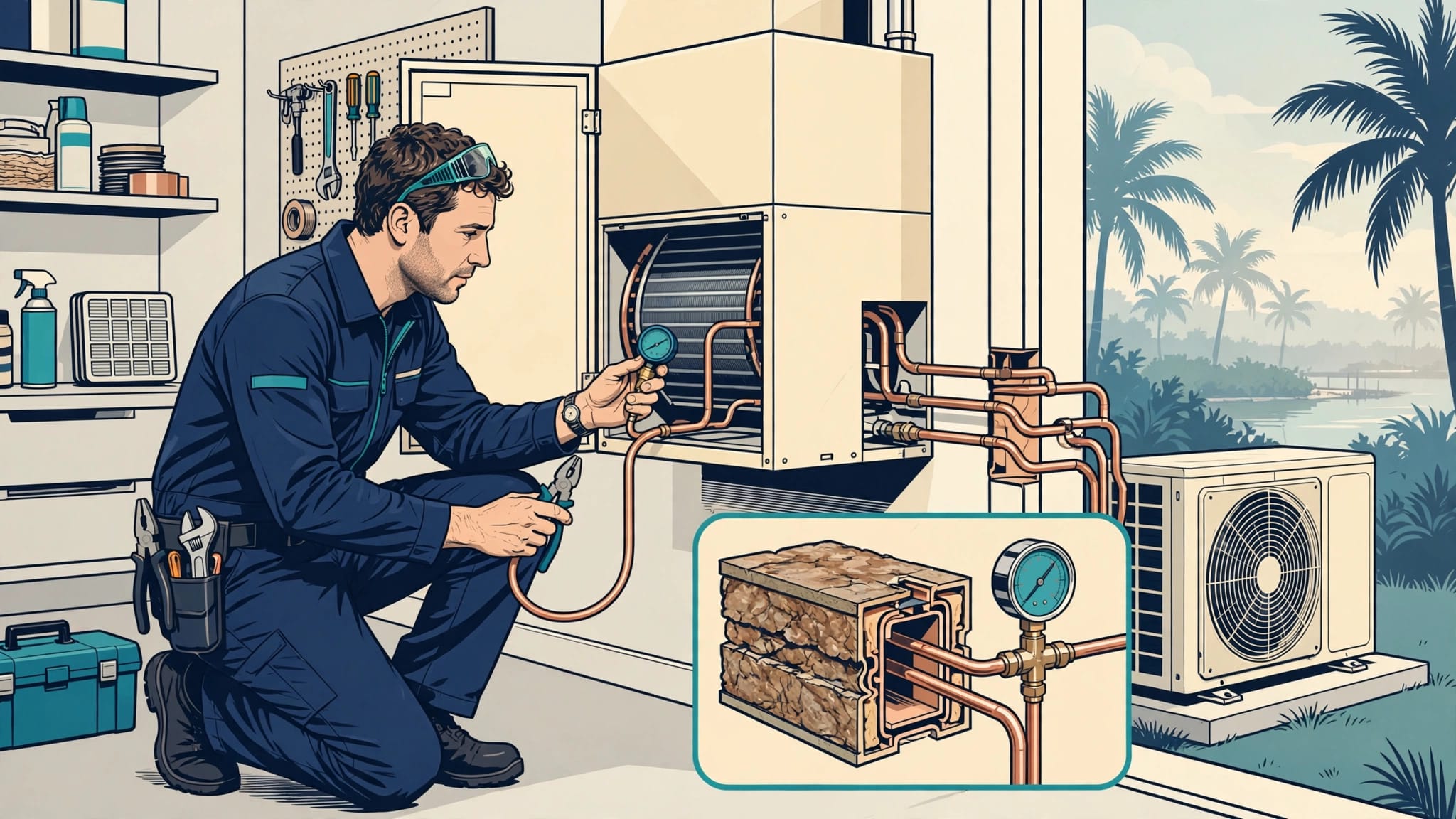
Because the reversing valve is part of the refrigerant circuit, diagnosis may require a refrigerant-system evaluation. The technician may review operating conditions, look for signs of leakage, and assess whether the system is moving heat as expected.
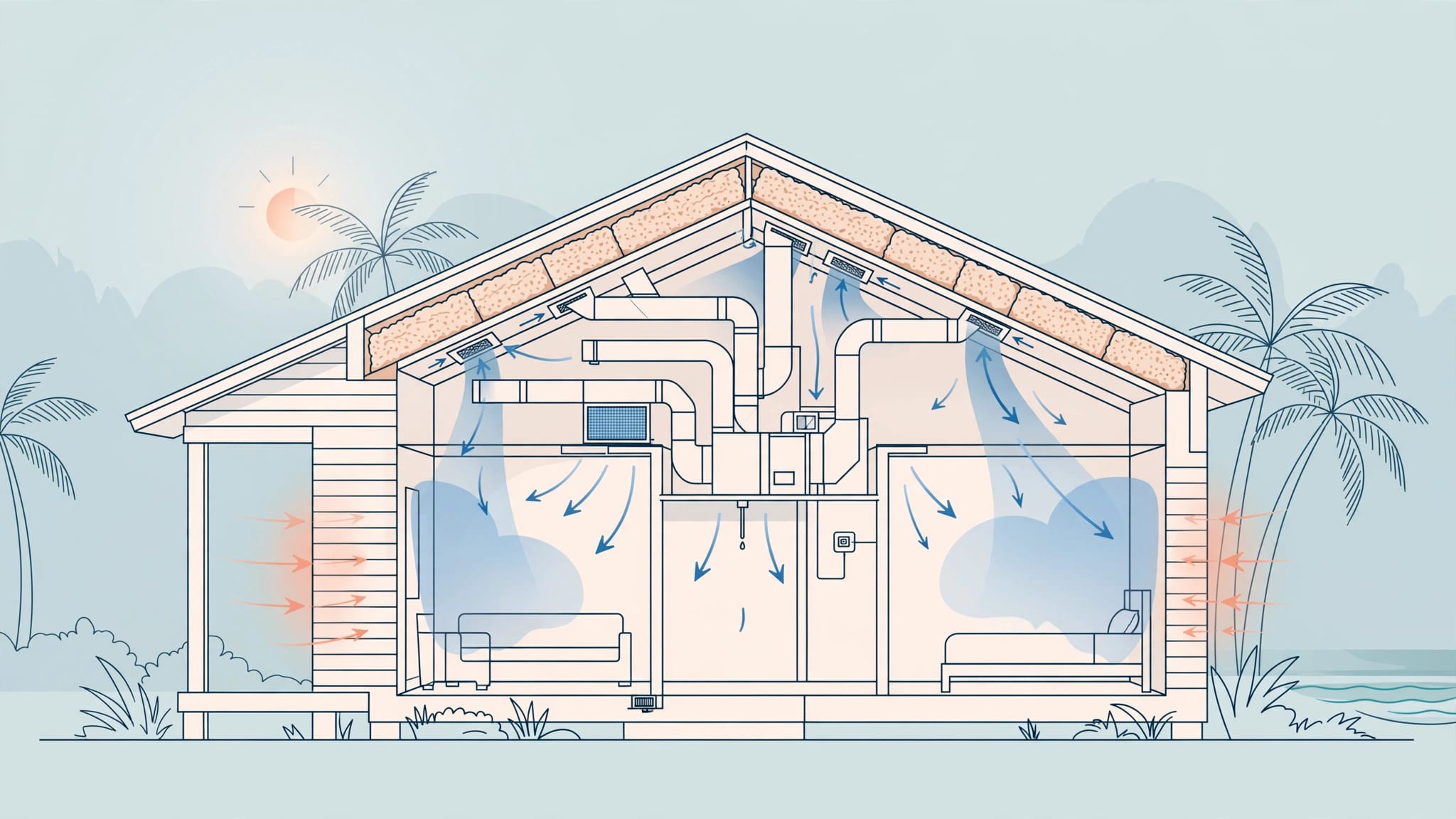
The visit should also consider airflow, the indoor coil, the outdoor coil, defrost controls, and the fan. A dirty outdoor coil can be more likely in coastal areas where salt air, dust, and yard debris affect the equipment. A restricted filter or duct problem can produce poor comfort even when the valve works correctly.
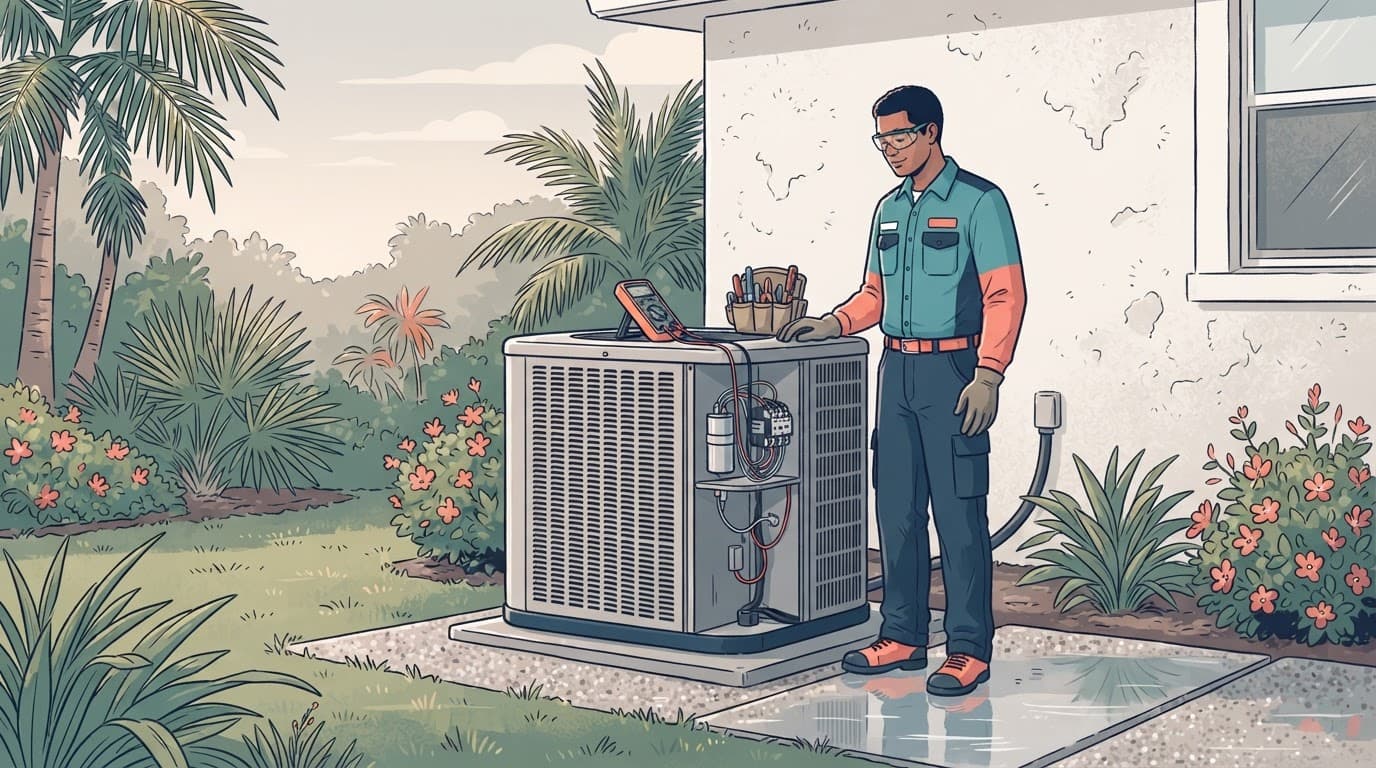
Before recommending work, the technician should inspect the valve and its solenoid, confirm the electrical command, and compare the findings with the system's actual heating and cooling performance. A diagnosis based only on lukewarm air or a mode-change complaint is incomplete.
Repair or replacement: how to compare the options
When repair may make sense
Repair may be reasonable when the technician identifies an isolated fault and the rest of the heat pump remains in good condition. For example, the issue may involve a control signal, solenoid, wiring connection, or another related component rather than the valve itself.
A repair decision should account for the system's age, maintenance history, comfort performance, refrigerant condition, and any other known failures. If the equipment has provided reliable service and the repair solves a clearly defined problem, keeping the existing system may be practical.
Ask for a written explanation of what failed, how the technician confirmed it, and whether the repair includes refrigerant recovery, evacuation, charging, or other sealed-system work. Refrigerant work belongs with a qualified professional.
When replacement may be discussed
Replacement becomes a more serious option when the equipment has several problems, needs major sealed-system work, performs poorly after previous repairs, or no longer provides dependable humidity and temperature control. A valve repair may fix one fault without correcting an aging compressor, damaged coil, weak airflow, or poor system capacity.
You do not need to choose replacement solely because a technician mentions it. Ask for both options when they are reasonable, then compare the scope of work, equipment condition, warranty information, efficiency ratings, installation requirements, and total price.
| Question | Repair | Replacement |
|---|---|---|
| Main purpose | Restore a confirmed failed component or control | Replace equipment with broader condition concerns |
| Best fit | The system is otherwise dependable | Multiple repairs or ongoing comfort problems exist |
| Information to request | Failed part, testing performed, refrigerant work, warranty | Equipment size, efficiency, installation scope, warranty |
| Cost discussion | Written labor and parts estimate | Complete installed price, including required modifications |
Sunset Gulf HVAC notes that service troubleshooting can carry a diagnostic fee, while estimates for complete system replacements are offered without charge. Clarify those terms before scheduling. Its AC repair services page also discusses common Southwest Florida issues such as refrigerant leaks, failed capacitors, poor airflow, dirty condenser coils, and high humidity.
Safe checks before scheduling service
You can gather useful information without opening the equipment or handling refrigerant.
- Confirm that the thermostat is set to the intended mode and that the temperature setting calls for heating or cooling.
- Replace a dirty filter with the correct size if the filter is in an accessible homeowner compartment.
- Look around the outdoor unit for leaves, grass, or other debris, but keep your hands and tools away from the cabinet.
- Note whether the outdoor fan starts, whether the system changes modes, and how long the air feels lukewarm.
- Check whether a breaker has tripped, but do not repeatedly reset it. If it trips again, leave the system off and request service.
- Record when the problem began, whether it followed a storm or thermostat change, and whether Aux Heat appears.
Do not remove electrical panels, test live components, disconnect thermostat wires, bypass float switches, or attempt to open the refrigerant circuit. Those tasks can create shock, burn, pressure, and equipment hazards.
When to shut the heat pump off
Turn the system off and seek prompt professional help if you smell burning insulation, see smoke or exposed wiring, hear grinding or loud banging, or find a breaker that trips again. A long hum with no fan movement also warrants stopping the system rather than repeatedly trying to restart it.
Heavy ice that will not clear, a complete shutdown, water near electrical equipment, or no cooling during extreme heat also deserves urgent attention. Sunset Gulf HVAC lists these conditions among reasons to request emergency HVAC repair. Keep away from damaged equipment until a technician evaluates it.
Key takeaways
- A heat pump reversing valve can affect whether the system operates in heating or cooling mode, but symptoms alone do not confirm valve failure.
- Lukewarm air, frequent cycling, clicking, humming, and poor mode changes can also involve controls, airflow, refrigerant, fans, or other electrical parts.
- Diagnosis may require electrical testing, refrigerant-system evaluation, and inspection of the valve and solenoid.
- Repair is often worth considering when the fault is isolated and the rest of the equipment is in good condition.
- Replacement may be worth comparing when several major concerns affect an older or unreliable system.
- Homeowners should limit checks to thermostat settings, the filter, visible debris, and basic observations.
Frequently asked questions
Can a heat pump get stuck in cooling mode?
Yes, a heat pump can fail to change modes, but the reversing valve is only one possible cause. Thermostat settings, low-voltage controls, wiring, the solenoid, and other system problems can create similar behavior. A technician should confirm the fault before recommending a valve repair.
Is lukewarm air proof that the reversing valve failed?
No. Lukewarm air may occur during defrost, when backup heat operates, or when airflow, refrigerant charge, ductwork, or another component affects performance. Persistent lukewarm air during the selected mode needs professional diagnosis.
Can I replace the valve myself?
No. Replacing the valve involves the refrigerant circuit and may require electrical testing, recovery, brazing, evacuation, and system commissioning. Use a qualified HVAC professional rather than opening the equipment or handling refrigerant.
How much does a reversing valve repair cost?
There is no dependable single price. The total depends on the diagnosis, access, equipment design, labor, refrigerant handling, related repairs, and whether the system needs additional work. Request a written estimate that separates the diagnostic charge, repair scope, parts, refrigerant, and warranty.
Conclusion
A heat pump that refuses to change modes deserves attention, but it does not automatically need a new reversing valve or a new system. In Bonita Springs, careful diagnosis matters because humidity, coastal exposure, airflow, controls, and refrigerant performance can all affect comfort.
Have a qualified technician test the electrical controls, evaluate the refrigerant system, and inspect the valve before choosing repair or replacement. When the evidence is clear, you can make the decision based on the equipment's overall condition instead of one worrying symptom. For scheduling, you can contact Sunset Gulf HVAC and describe the mode problem, sounds, cycling, and recent system changes.
Recent Posts