Why Your AC Makes a Clicking Noise in Babcock Ranch
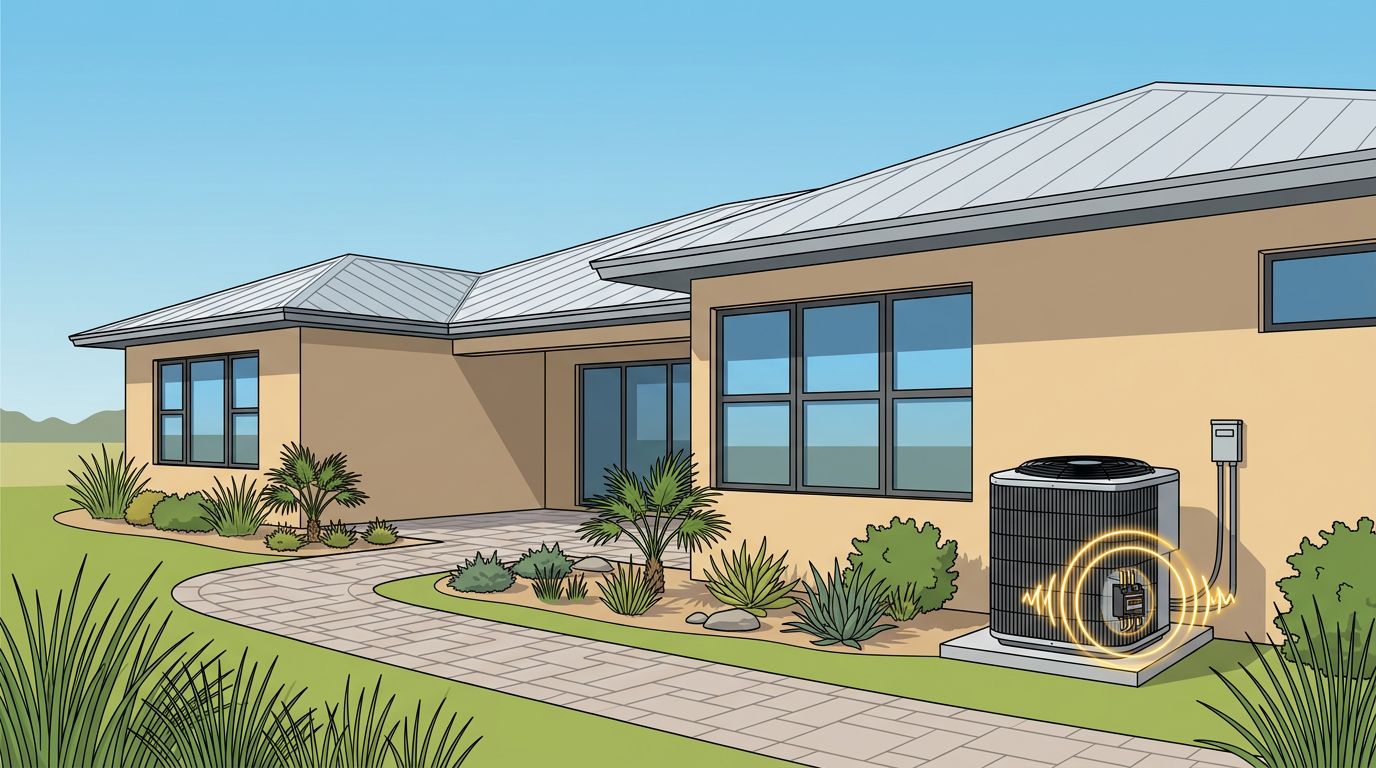
A single click when your air conditioner starts or stops can be normal. However, an AC clicking noise that repeats, continues without cooling, or comes with buzzing deserves attention.
Babcock Ranch homes rely on air conditioning through long, hot cooling seasons. That means a small electrical problem can turn into a no-cooling call quickly. The sound may come from the thermostat, contactor, capacitor, compressor, fan, or debris around the outdoor unit.
The timing and pattern of the sound offer useful clues.
What an AC clicking noise means
Your AC uses switches and relays to control power. When the thermostat calls for cooling, it sends a low-voltage signal to the equipment. A relay or contactor then closes an electrical circuit, which can create one distinct click.
A single click at startup , followed by the outdoor fan and compressor running normally, usually isn't a concern. You may hear another click when the system shuts down. Many thermostats also make a soft click as their internal relay responds to a temperature change.
The concern starts when the clicking becomes repetitive or the equipment fails to start. Pay attention to these patterns:
- A click every few seconds can point to a control, power, or starting problem.
- A click followed by silence may indicate a failed capacitor, contactor, or compressor issue.
- Clicking from the outdoor unit with no fan movement can mean the motor isn't starting.
- A sharp metallic click that changes with fan speed may come from debris or a loose component.
- Clicking alongside a burning odor, smoke, or a tripped breaker requires immediate attention.
If the outdoor unit repeatedly clicks but doesn't start, turn the system off at the thermostat. Repeated start attempts can place extra stress on electrical and compressor components.
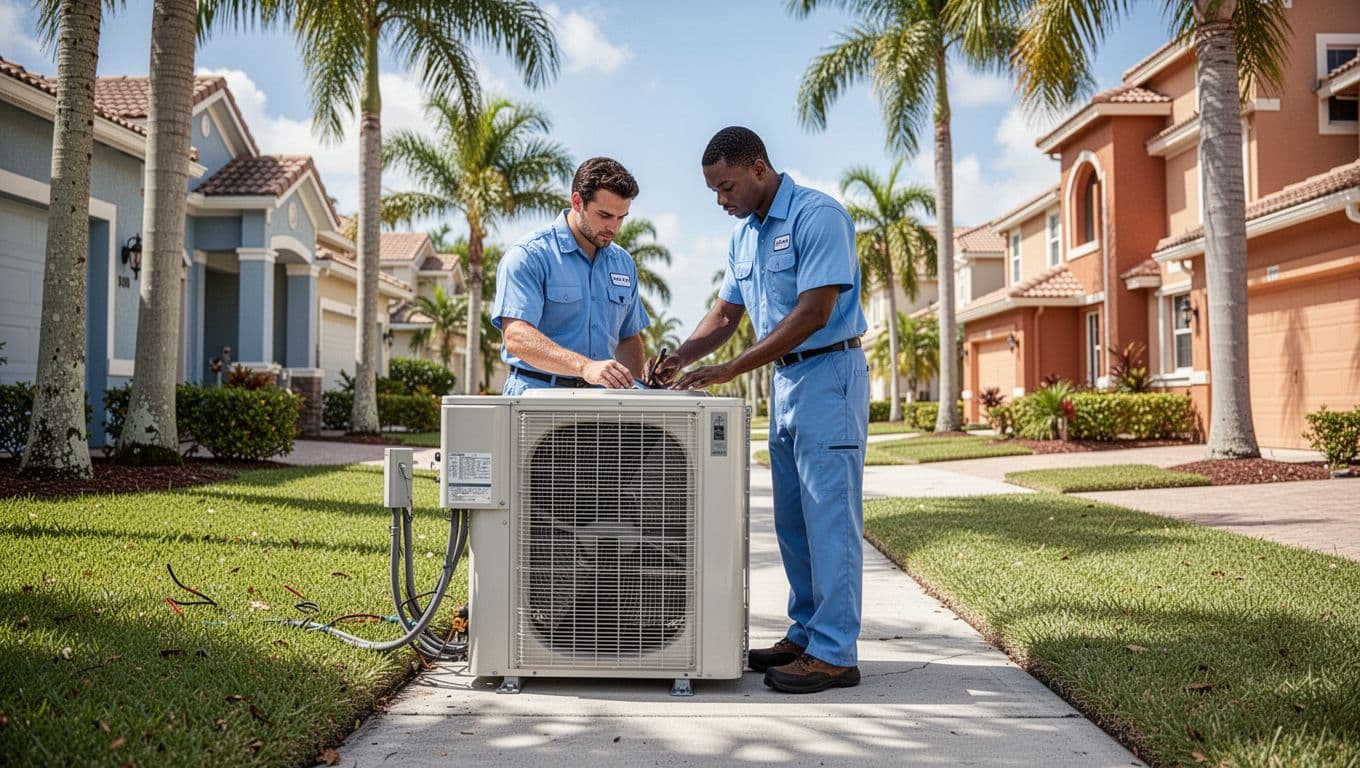
The location matters, too. A click from the wall thermostat differs from a click near the condenser outside. Try to identify where you hear it without removing any covers or reaching into the equipment.
Common causes of an AC clicking noise
Several problems can produce similar sounds. A trained technician needs to test the system before identifying the exact repair.
Thermostat or relay clicks
A thermostat can click once when it calls for cooling. That sound is part of normal operation. The problem may be a thermostat with weak batteries, a failing relay, or a control signal that repeatedly turns the system on and off.
If your thermostat has an accessible battery compartment, replace the batteries with the correct type. Don't remove the wall plate or handle wiring. Also check whether the display is blank, flickering, or showing an unexpected temperature.
A thermostat that keeps clicking while the indoor blower and outdoor unit remain off needs professional testing. The issue could involve the thermostat, low-voltage wiring, transformer, or control board.
A worn contactor in the outdoor unit
The contactor controls high-voltage power to the outdoor condenser. Each cooling cycle causes it to open or close. Over time, its contacts can wear, pit, corrode, or fail to make a clean connection.
A failing contactor may cause clicking, chattering, buzzing, or a click followed by no cooling. Florida moisture can contribute to corrosion, while long run times increase the number of cycles and operating hours.
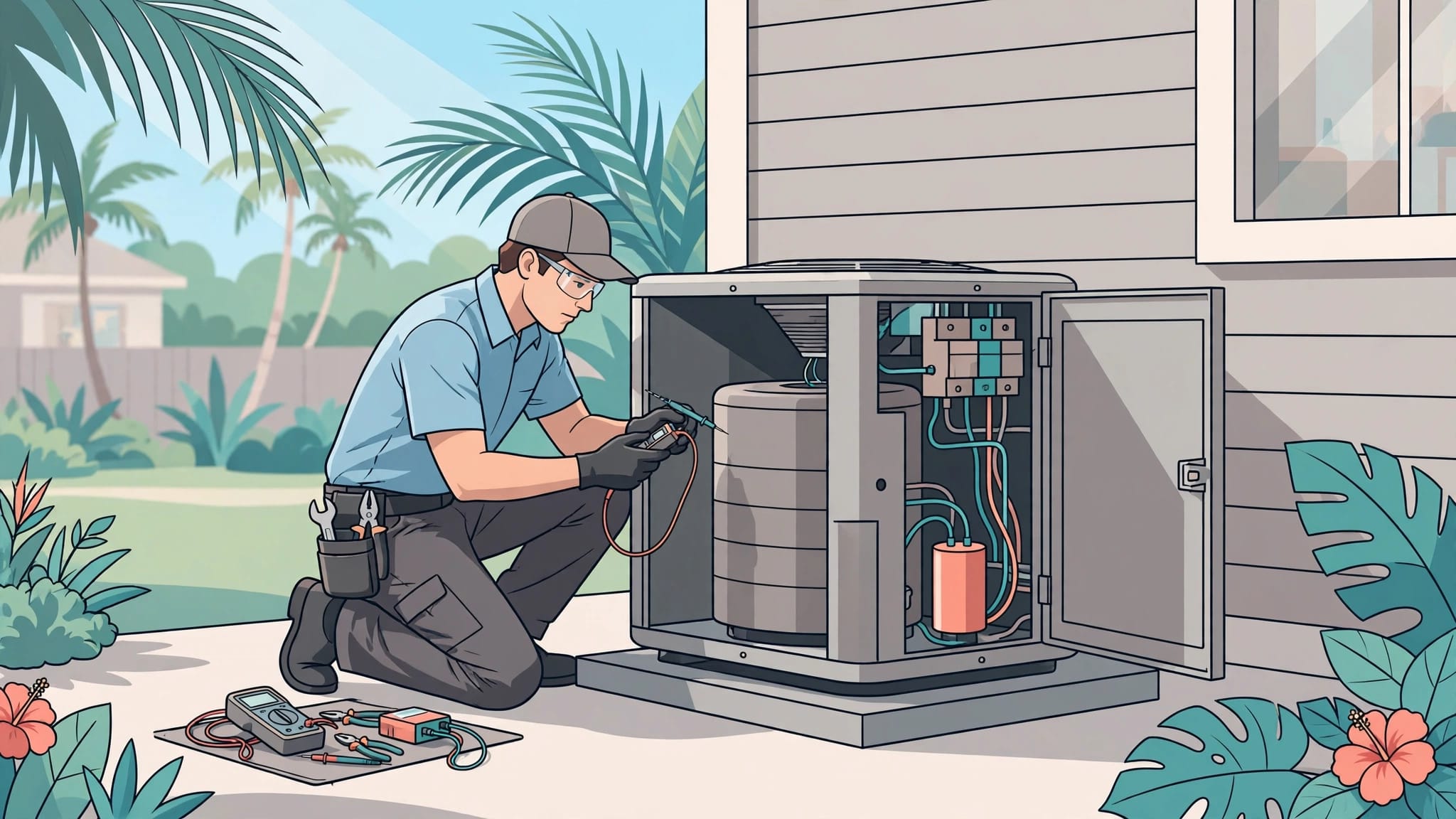
The contactor is inside the electrical section of the outdoor unit. It carries dangerous voltage, even when the system appears quiet. Never remove the panel or attempt to test, clean, or replace it yourself.
Loose parts or debris near the fan
A palm fragment, twig, small stone, or other debris can contact the condenser fan. You might hear a rhythmic click as the fan rotates. A loose fan guard, damaged blade, or loose service panel can create a similar sound.
Turn the system off at the thermostat before inspecting the area. Look only from the outside, and keep your hands, tools, and clothing away from the fan. If you see debris inside the grille or a bent blade, leave the unit off until a technician checks it.
A loose indoor blower wheel can also click as it spins. That sound may travel through the ductwork and seem to come from a vent or hallway.
A failing capacitor
The start and run capacitors help the compressor and fan motor start and continue running. When a capacitor weakens, the system may click, hum, struggle to start, or shut down shortly after trying to run.
Some homeowners hear the contactor click, followed by a hum from the outdoor unit. The fan may move slowly, fail to start, or require repeated attempts. These signs often point to a starting circuit problem, although other faults can create the same symptoms.
Capacitors can store an electrical charge after power is removed. Don't touch one, discharge one, or open the electrical compartment. A technician can test its condition with the proper meter and replace it safely if needed.
Compressor trouble
The compressor is the main component that circulates refrigerant through the cooling system. A hard-starting or failing compressor may cause a click when power is sent to it, followed by silence or a breaker trip.
Compressor problems can resemble a bad capacitor or contactor. The technician may need to measure electrical readings, inspect wiring, check operating pressures, and evaluate the system's age and condition before recommending a repair.
A compressor that overheats may also shut down on an internal safety control. If the clicking returns after the unit sits for a while, stop resetting the system and arrange service.
Safe checks you can make before calling
You can collect helpful information without opening the AC equipment. Start at the thermostat and note whether the display is working, whether the setpoint is below the indoor temperature, and whether the indoor air handler runs.
Next, check the air filter. A heavily loaded filter can restrict airflow and cause the system to overheat or shut down. Replace it if it's dirty, using the correct size and type for your equipment.
From a safe distance, inspect the outdoor unit. Look for leaves, vegetation, standing water, visible storm damage, or anything touching the cabinet. Don't reach through the grille, move internal debris, or remove panels.
Write down when the sound occurs:
- Note whether it happens at startup, shutdown, or continuously.
- Listen for a click from the thermostat, air handler, or outdoor condenser.
- Check whether cool air reaches the vents.
- Watch for a non-running fan, unusual odor, water leak, or tripped breaker.
Turn the system off at the thermostat if it repeatedly clicks, smells hot, makes a harsh grinding sound, or fails to start. If you see smoke or signs of an electrical fire, leave the area and contact emergency services.
Why Babcock Ranch conditions can affect your AC
Babcock Ranch has the same demanding Southwest Florida cooling environment as nearby communities. High outdoor temperatures keep systems running for long periods, while humidity makes the home feel warmer and increases the need for steady dehumidification.
Heavy rain, lightning, and power interruptions can also affect electrical controls. Moisture and corrosion may develop around outdoor connections over time. Homes closer to the coast can experience additional salt exposure, while inland properties still deal with rain, vegetation, insects, and blowing debris.
These conditions make routine maintenance more useful than waiting for a strange sound to become a breakdown. A service visit can include a condenser coil rinse, electrical inspection, capacitor testing, thermostat calibration, drain-line inspection, and airflow checks.
Maintenance steps that help prevent noise
Check the filter every month during the cooling season. Many homes need a replacement every one to three months, but pets, construction dust, and household occupancy can change that schedule.
Keep grass, mulch, leaves, and stored items away from the outdoor condenser. Follow the clearance requirements in your owner's manual, and don't allow vines or shrubs to cover the cabinet.
Schedule professional maintenance before the hottest part of the year. The technician should inspect electrical connections, the contactor, capacitors, fan motor, refrigerant performance, condensate drain, and safety controls. These checks can identify a weak starting component before it leaves you without cooling.
Homeowners who prefer scheduled service can review the HVAC maintenance membership available through Sunset Gulf HVAC. Regular visits help keep the system ready for Florida's long cooling season.
After a severe storm, inspect the unit from outside. If water entered the equipment, the cabinet looks damaged, or the system began clicking after a power event, keep it off until a professional checks it.
When to schedule AC repair
An occasional startup click doesn't automatically mean your system needs a major repair. Still, schedule service when the clicking repeats, cooling stops, the outdoor fan doesn't start, or the breaker trips.
Call promptly if you notice a burning smell, smoke, exposed wiring, melted insulation, or loud electrical buzzing. Don't keep resetting the breaker or lowering the thermostat to force the system to run.
During a service visit, the technician can trace the sound and test the thermostat signal, contactor, capacitor, fan motor, compressor, wiring, and control board. Ask what caused the noise, which repair is recommended, and what the diagnostic fee covers before approving work.
For local help, Sunset Gulf HVAC provides air conditioner repair services in Babcock Ranch and surrounding Southwest Florida communities. A clear diagnosis is more useful than replacing parts based on sound alone.
Conclusion
A normal AC click happens once when a control changes position. Repeated clicking, clicking without cooling, or clicking with a burning odor points to a problem that needs professional attention.
Thermostats, relays, contactors, loose parts, capacitors, compressors, and outdoor debris can all create similar sounds. Keep the system closed, avoid electrical components and refrigerant work, and turn the AC off when it repeatedly tries to start.
In Babcock Ranch's hot, humid climate, early service can prevent a small clicking noise from becoming a larger cooling failure .
Recent Posts