
What Is an HVAC Blower Wheel and When Does It Need Cleaning?

Your HVAC blower wheel moves conditioned air through the ductwork and into your home. When dirt builds up on its blades, the system may lose airflow, run longer, or make unusual sounds.
However, these symptoms can also come from a clogged filter, dirty coil, damaged motor, duct restriction, or refrigerant problem. Knowing which component is involved helps you avoid paying for cleaning that won't solve the real issue.
What an HVAC blower wheel does
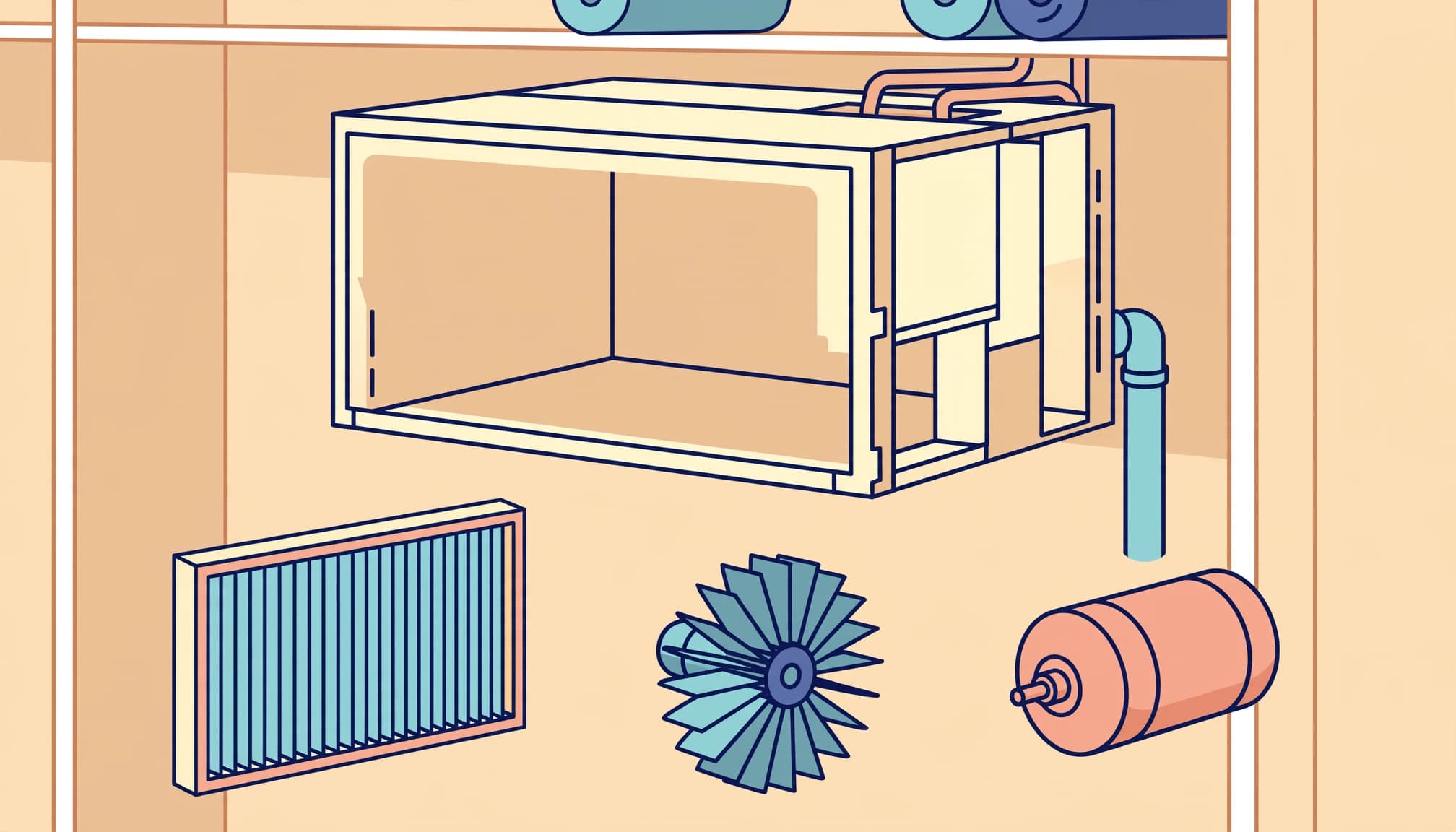
Blower wheel, motor, and filter
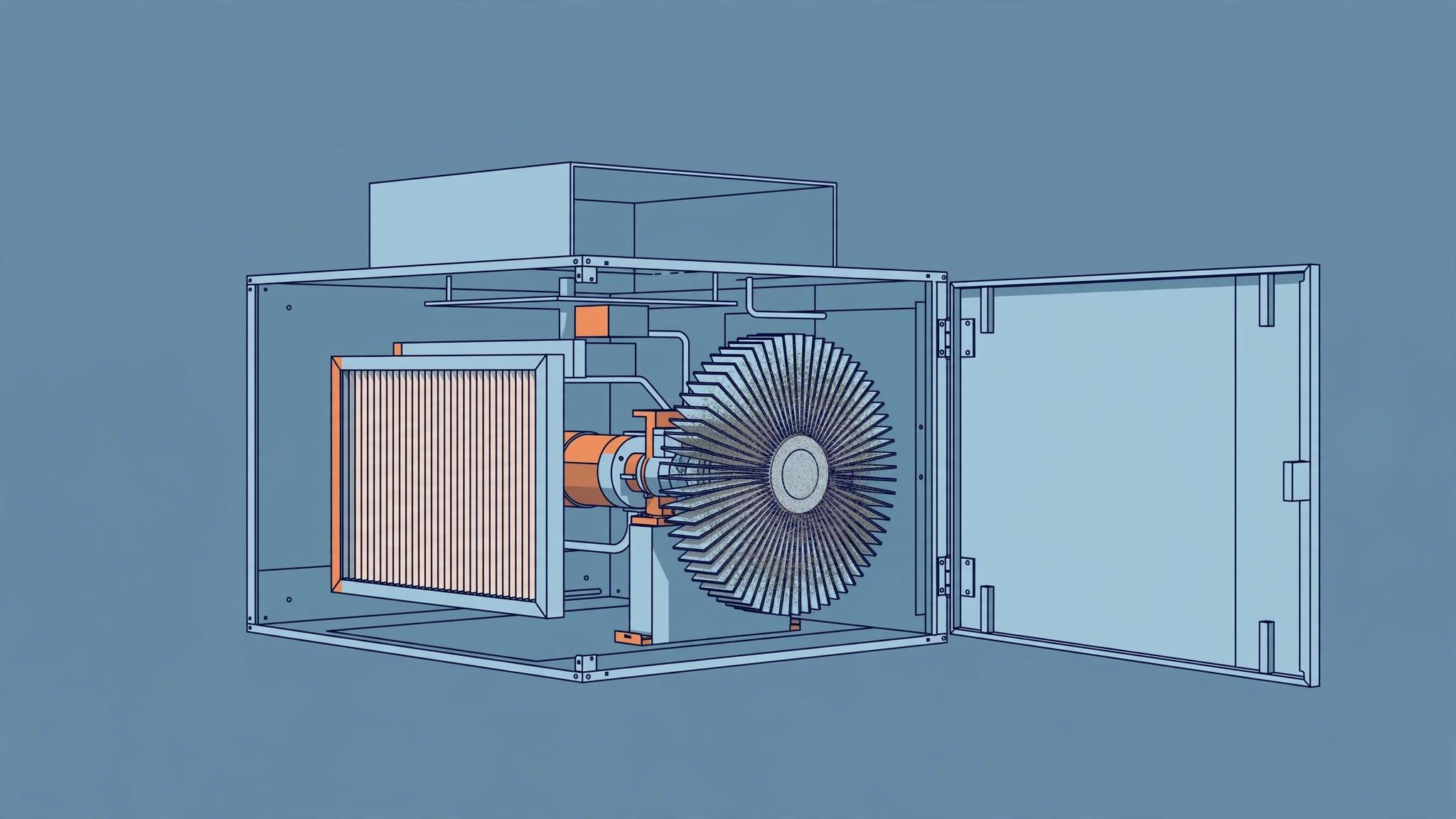
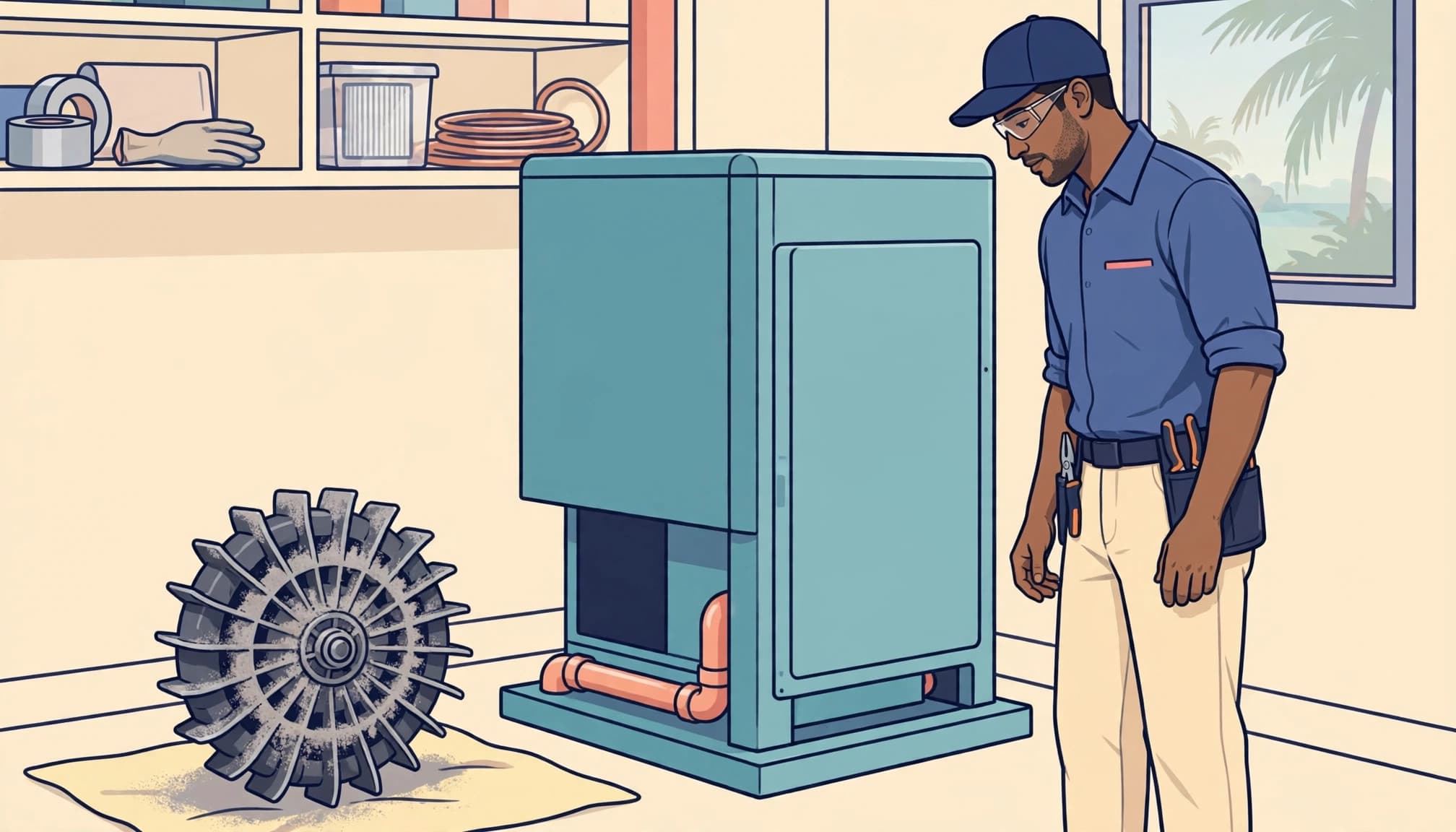
The blower wheel is a round, finned component inside the indoor air handler. It spins rapidly and pushes air across the evaporator coil, then through the supply ducts.
The blower motor provides the power that turns the wheel. The motor is an electrical and mechanical component, while the wheel is the air-moving fan attached to it.
The air filter has a different job. It catches dust, pet hair, and other particles before they reach the blower compartment and coil. A dirty filter can restrict airflow and make the blower work harder, but replacing the filter doesn't automatically clean the wheel.
How dirt reaches the wheel
Dust can pass through gaps around an incorrectly fitted filter or collect when the filter is overdue for replacement. Construction debris, pet hair, and neglected maintenance can add more buildup.
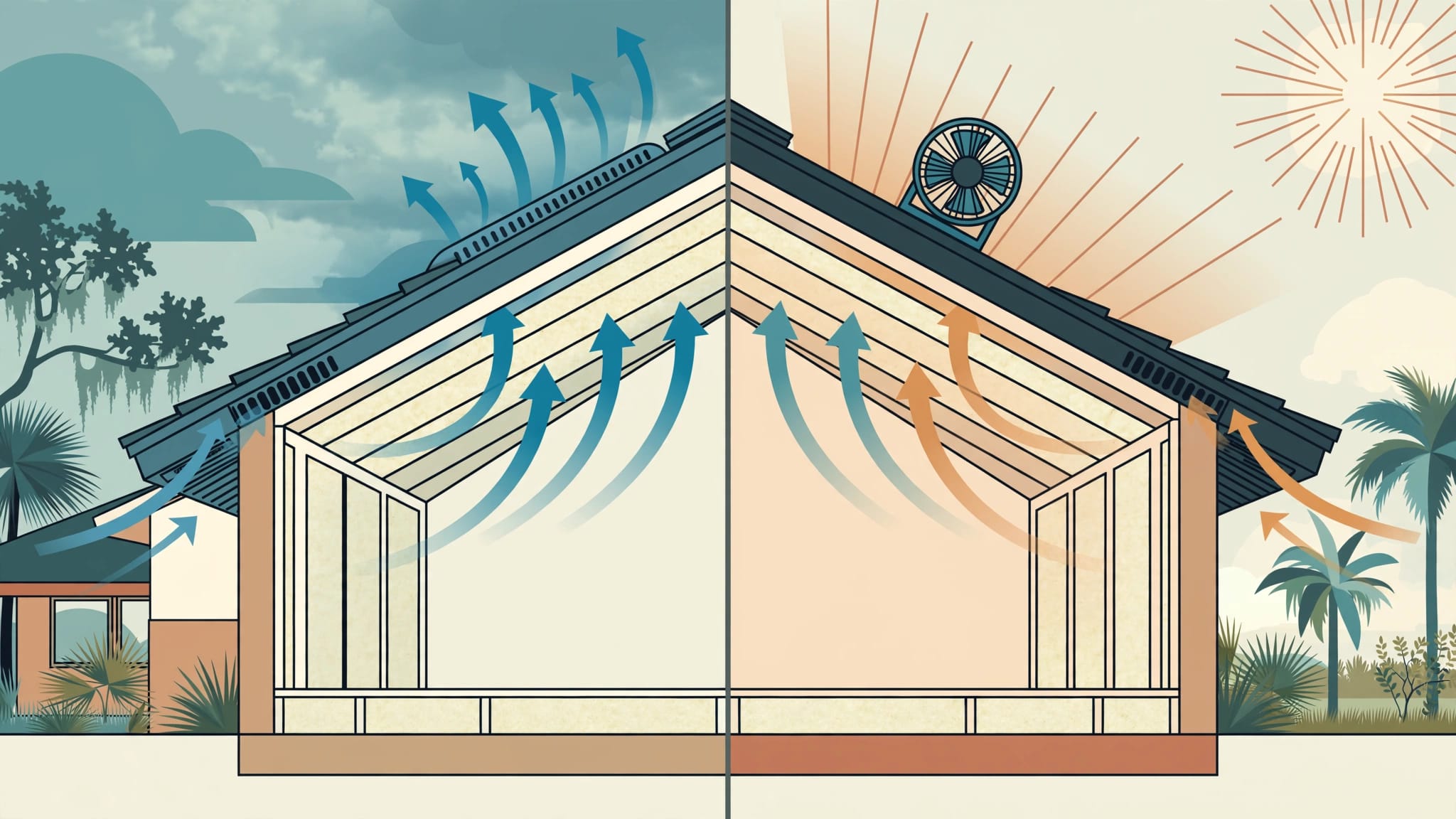
In Southwest Florida, air conditioners run for long periods while managing high humidity. That extended use can expose airflow problems sooner, especially when the return grille or filter cabinet is dirty.
When an HVAC blower wheel may need cleaning
Weak or uneven airflow
A dirty wheel may move less air, causing weak airflow at several supply registers. Some rooms may feel warmer than others, and the system may take longer to reach the thermostat setting.
Long run times and slow temperature recovery also deserve attention. Still, weak airflow doesn't prove the wheel is dirty. A blocked filter, closed damper, crushed duct, leaking connection, or dirty evaporator coil can create the same result. These signs your home needs duct cleaning may overlap with equipment problems, so the whole air path needs evaluation.
Dust, noise, or cooling problems
Visible dust inside the return, filter cabinet, or blower compartment is a stronger reason to schedule an inspection. A filter that becomes dirty unusually fast can also point to excessive dust entering the system.
Clicking, rattling, scraping, or vibration may come from the wheel, motor, loose panel, or ductwork. An indoor blower wheel can create a clicking sound that travels through the ducts and seems to come from a vent. Review these causes of AC clicking noises before assuming cleaning is the answer.
Ice on the indoor coil, water near the air handler, or warm air from the registers requires prompt attention. Restricted airflow can contribute to coil icing, but refrigerant, drainage, and mechanical faults can also be involved.
Blower-wheel cleaning versus other HVAC service
A blower-wheel cleaning removes dust and buildup from the rotating fan. It doesn't repair worn bearings, a weak capacitor, damaged wiring, a failing motor, or a bent wheel.
Filter replacement is a homeowner maintenance task when you use the correct size and type. A 1-inch filter commonly needs replacement every 30 to 60 days, while thicker media filters may last 90 to 180 days or longer. Your home's dust, pets, remodeling, and system use can change that schedule. See this guide to how often to replace AC filters.
Coil cleaning removes buildup from the evaporator coil, which is separate from the wheel. Duct cleaning addresses debris inside the supply or return passages. Sealing or repairing ducts may be necessary when leaks or crushed sections cause poor airflow.
Replacing a filter and still having weak airflow means the problem may involve the blower, coil, ducts, thermostat, refrigerant, or another part of the system. Cleaning alone cannot correct those conditions.
Safe next steps for homeowners
What you can check safely
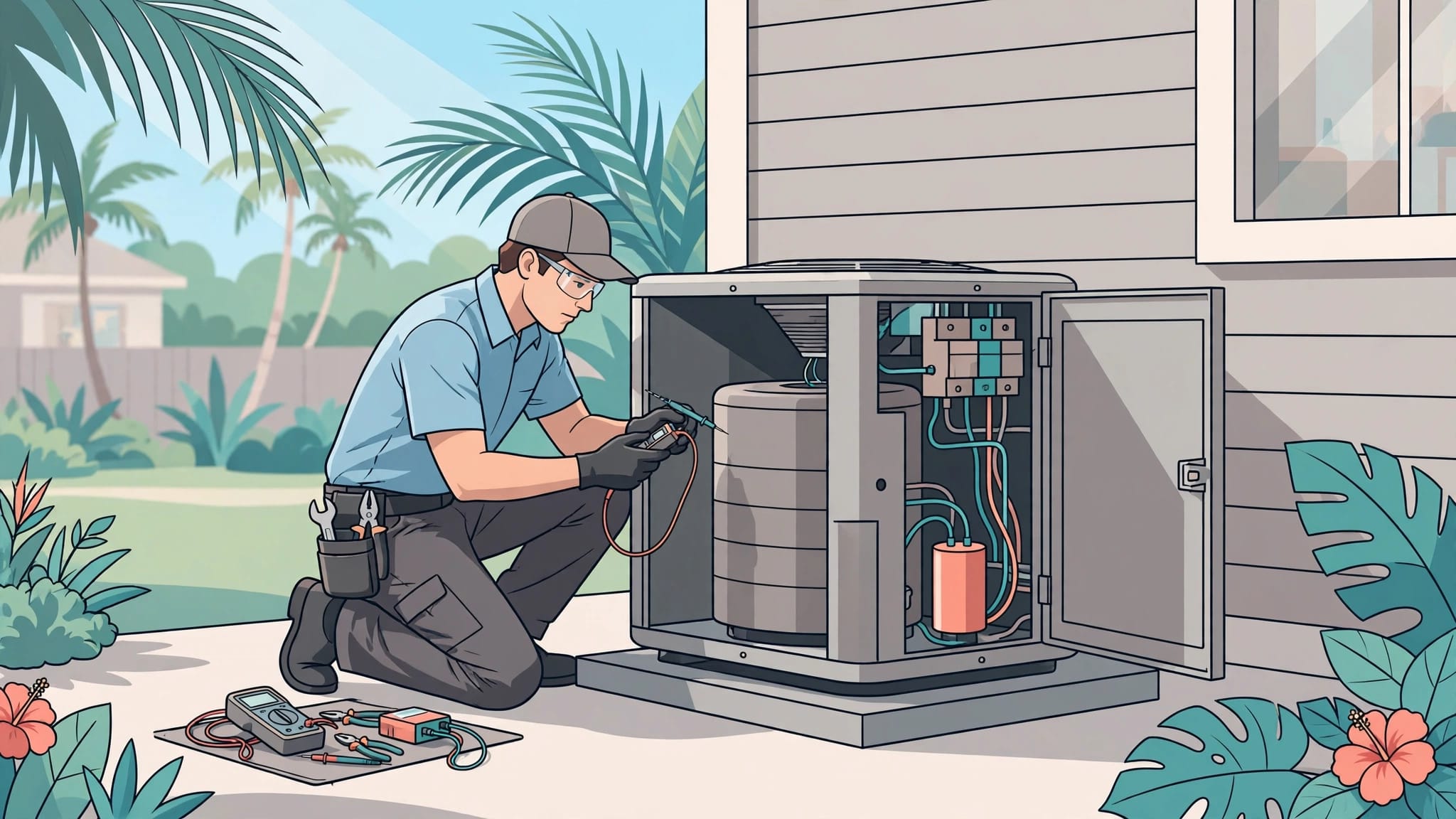
Turn the system off at the thermostat before checking visible components. Then switch off power at the service switch or breaker before inspecting the air handler. Never reach into a cabinet while the equipment can start.
You can check whether the filter is visibly loaded, confirm that supply registers and return grilles are open, and look for dust around accessible openings. Vacuum grille surfaces with a HEPA-filtered vacuum, then wipe them with a damp microfiber cloth. Don't push a household vacuum hose deep into ductwork or blow compressed air into a grille.
Don't spray water into the air handler, bend coil fins, remove electrical covers, or use lubricant on the motor or wheel.
When professional cleaning is safer
A qualified technician can inspect the blower compartment, protect electrical parts, remove the wheel when necessary, clean the blades with the right method, and check for balance or damage. After reassembly, the technician can test airflow and listen for abnormal operation.
Call for service when airflow remains weak after filter care, rooms stay warm, the system runs constantly, or the wheel makes repeated grinding, squealing, or clicking sounds. Burning smells, tripped breakers, exposed wiring, active leaks, and ice on the coil require prompt attention. These AC blower motor problems can look similar to a dirty wheel but need electrical and mechanical testing.
Key takeaways
- The blower wheel moves air, the motor spins it, and the filter protects both components.
- Weak airflow, dust, long run times, and unusual sounds can justify an inspection.
- Symptoms alone don't prove that cleaning is needed.
- Turn off power before any inspection and avoid opening electrical compartments.
- Professional diagnosis is necessary when cleaning doesn't explain or resolve the problem.
Frequently asked questions
How often should an HVAC blower wheel be cleaned?
There isn't one reliable cleaning interval for every home. Schedule an inspection when buildup is visible, airflow changes, dust returns quickly, or the system develops unusual noise. Filter care and regular maintenance can reduce contamination, but they don't guarantee a clean wheel.
Can I clean the blower wheel myself?
Homeowners can safely handle filter replacement and accessible grille cleaning. Blower-wheel removal usually requires opening the air handler and working near electrical components. A trained HVAC professional should handle deep cleaning, removal, reassembly, and testing.
Will cleaning the wheel improve cooling?
It may help when dirt on the wheel is restricting airflow. It won't fix a failing motor, dirty coil, damaged duct, low refrigerant, inaccurate thermostat, or electrical fault. A technician should identify the cause before recommending cleaning.
Conclusion
An HVAC blower wheel is a key part of your indoor air handler, but it is only one part of the airflow system. Dust buildup can reduce performance, yet similar symptoms often point to the filter, coil, ducts, motor, or electrical controls.
For homeowners in Babcock Ranch and Southwest Florida, the safest approach is simple: check the filter, shut off power before inspection, and arrange professional diagnosis when airflow or cooling problems continue.
Recent Posts