How Often Should You Change AC Filters in North Fort Myers?

Your AC filter does more work than most homeowners realize. In North Fort Myers, most homes should check the filter every month and replace it every 30 to 90 days , depending on the system, the season, and what's happening inside the house.
That range matters because Southwest Florida puts extra strain on cooling systems. Long run times, high humidity, dust, pets, and busy households can clog a filter faster than you expect.
If you've ever wondered whether your filter is fine for another month or already past due, the answer depends on a few simple signs. Start with the basics, then adjust for your home.
The Short Answer for North Fort Myers Homes
For many local homes, a monthly filter check is the safest habit. If you use a 1-inch filter , plan on changing it more often, usually every 30 to 60 days. If your home uses a thicker media filter, you may get 90 to 180 days, sometimes longer, but you still need to inspect it on schedule.
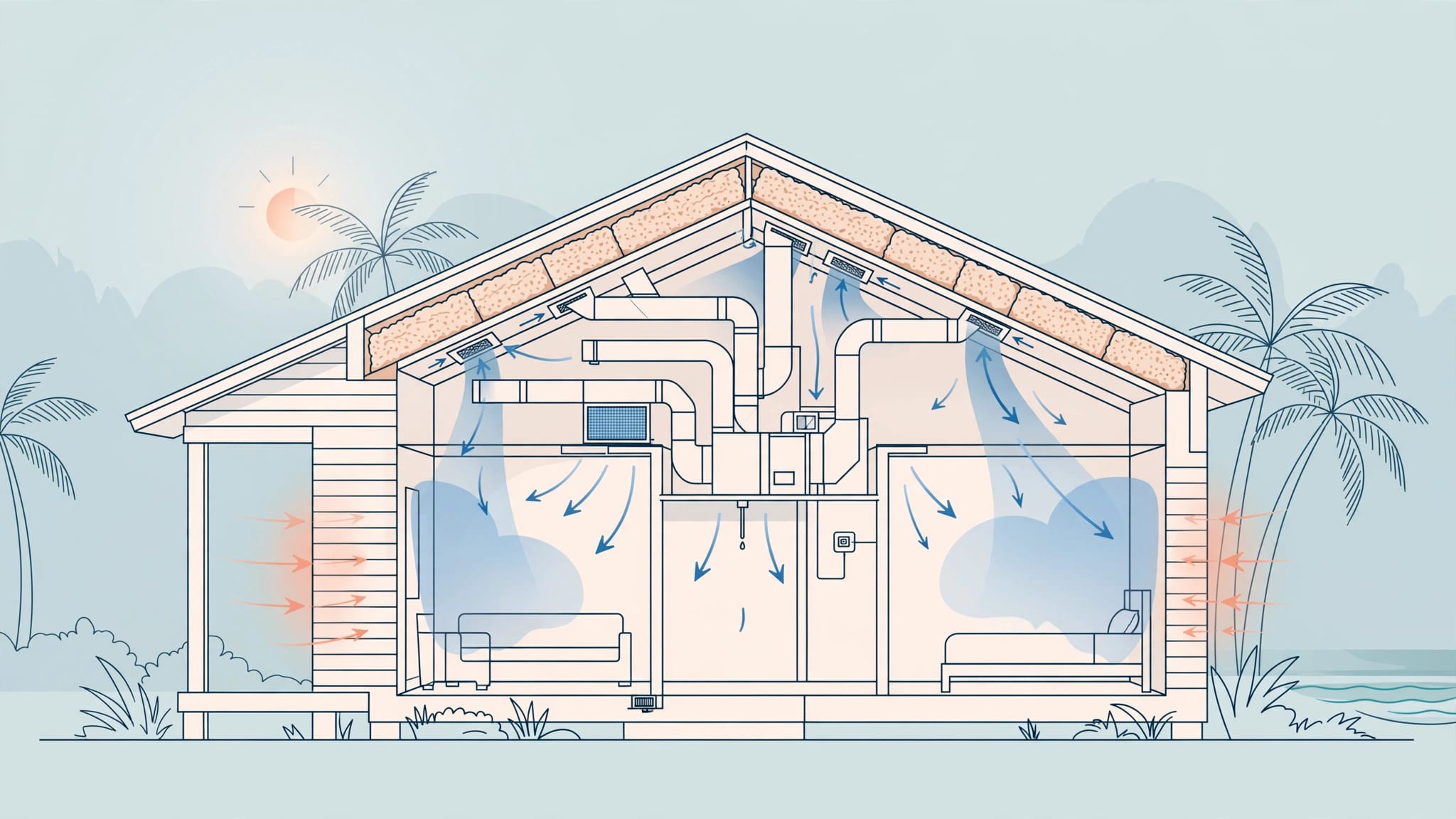
That timing changes because your AC rarely gets a long break here. In North Fort Myers, the cooling season stretches across much of the year, so the filter traps more dust and debris over time. When the system runs more often, airflow slows down sooner.
A clean filter helps the system breathe. A clogged one makes the AC work harder, and that can show up in your comfort, your electric bill, and your indoor air quality.
What Changes the Timing in Southwest Florida
Two homes on the same street can need different filter schedules. That's because AC filters in North Fort Myers deal with local conditions that vary from house to house.
Humidity is a big one. Moist air can make dust stick to the filter more easily, so buildup happens faster. Add in summer heat, and the AC may run for hours each day.
Other factors matter too:
- Pets add hair and dander, which can clog a filter early.
- More people in the home means more dust, skin cells, and indoor activity.
- Indoor air quality goals can call for more frequent changes, especially if someone has allergies.
- Dust from remodeling or storms can fill a filter in days instead of weeks.
- Nearby traffic or open windows can bring in more particles.
The filter schedule should match the home, not a generic calendar. A quiet condo with one or two people may go longer than a busy house with pets and kids. Still, monthly checks are smart for both.
1-Inch Filters Need Closer Attention
A thin filter looks simple, but it fills up fast. Most 1-inch filters are designed for regular replacement, not long stretches between changes.
Here's a quick comparison.
| Filter type | Common replacement timing | Best for |
|---|---|---|
| 1-inch fiberglass or pleated | 30 to 60 days | Basic filtration, homes with low to moderate dust |
| 2 to 4-inch media filter | 90 to 180 days | Better dust capture, longer life |
| Thicker whole-home media filter | 3 to 6 months, sometimes longer | Homes that want fewer changes and stronger filtration |
The takeaway is simple. Thinner filters need more attention because they have less surface area to catch debris. Thicker filters usually last longer, but they still need inspection. A filter that looks clean from the outside can still restrict airflow if the inner layers are packed with dust.
If you're not sure what size your system uses, check the return grille or the air handler cabinet. If the filter seems hard to fit, warped, or dirty on day one, the wrong size may be part of the problem.
Signs Your AC Filter Needs Attention Now
A filter does not always fail in a dramatic way. Most of the time, it gives small warnings first.
Watch for these signs:
- Weak airflow from the vents
- Dusty rooms even after cleaning
- Higher indoor humidity
- Longer cooling cycles
- A musty smell when the AC starts
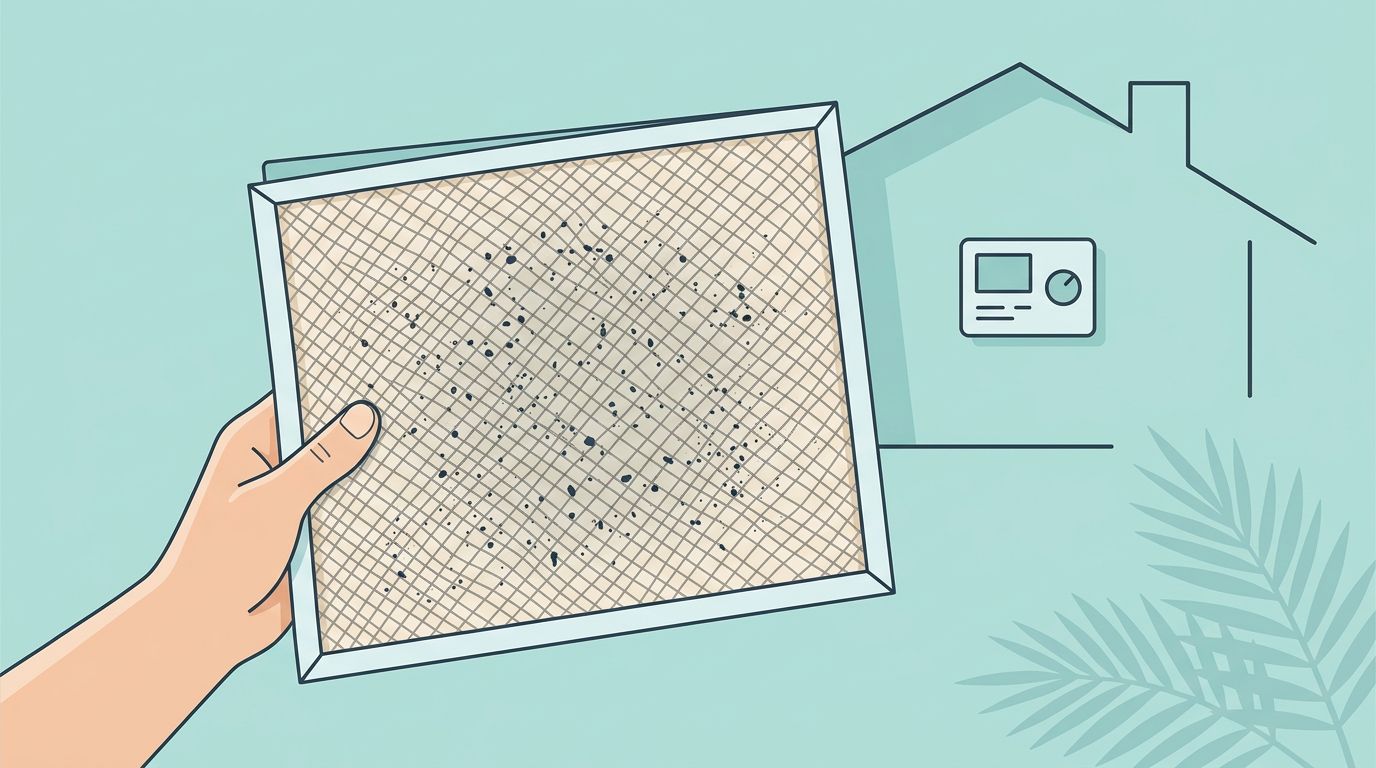
- Visible dirt or gray buildup on the filter
- Uneven temperatures from room to room
If the filter looks gray or packed with dust, it's already limiting airflow.
When airflow drops, the system can't move enough air across the coil. That can make the home feel sticky, even when the thermostat says the temperature is right. It can also make the AC run longer than it should.
A dirty filter may also leave more dust on furniture, floors, and vents. So if you're dusting more often and still seeing buildup, the filter may be part of the issue.
Waiting Too Long Can Cost More Than Comfort
A neglected filter can cause a few different problems, and none of them are good news for your AC system.
First, the system has to work harder to pull air through the filter. That extra strain can raise energy use. Second, reduced airflow can make the evaporator coil get too cold and freeze. When that happens, cooling drops fast.
A clogged filter can also shorten the life of parts inside the system. The blower motor, coil, and other components all feel the strain when air can't move the way it should. In a humid place like North Fort Myers, that matters even more because the AC already works hard to remove moisture.
There's also the comfort issue. Poor airflow often means hot spots, sticky rooms, and longer run times. In a Florida summer, that gets old fast.
A clean filter is a small thing. Still, it protects a system that costs much more to repair or replace.
When a New Filter Does Not Fix the Problem
Sometimes homeowners replace the filter and expect everything to feel normal right away. That often happens, but not always.
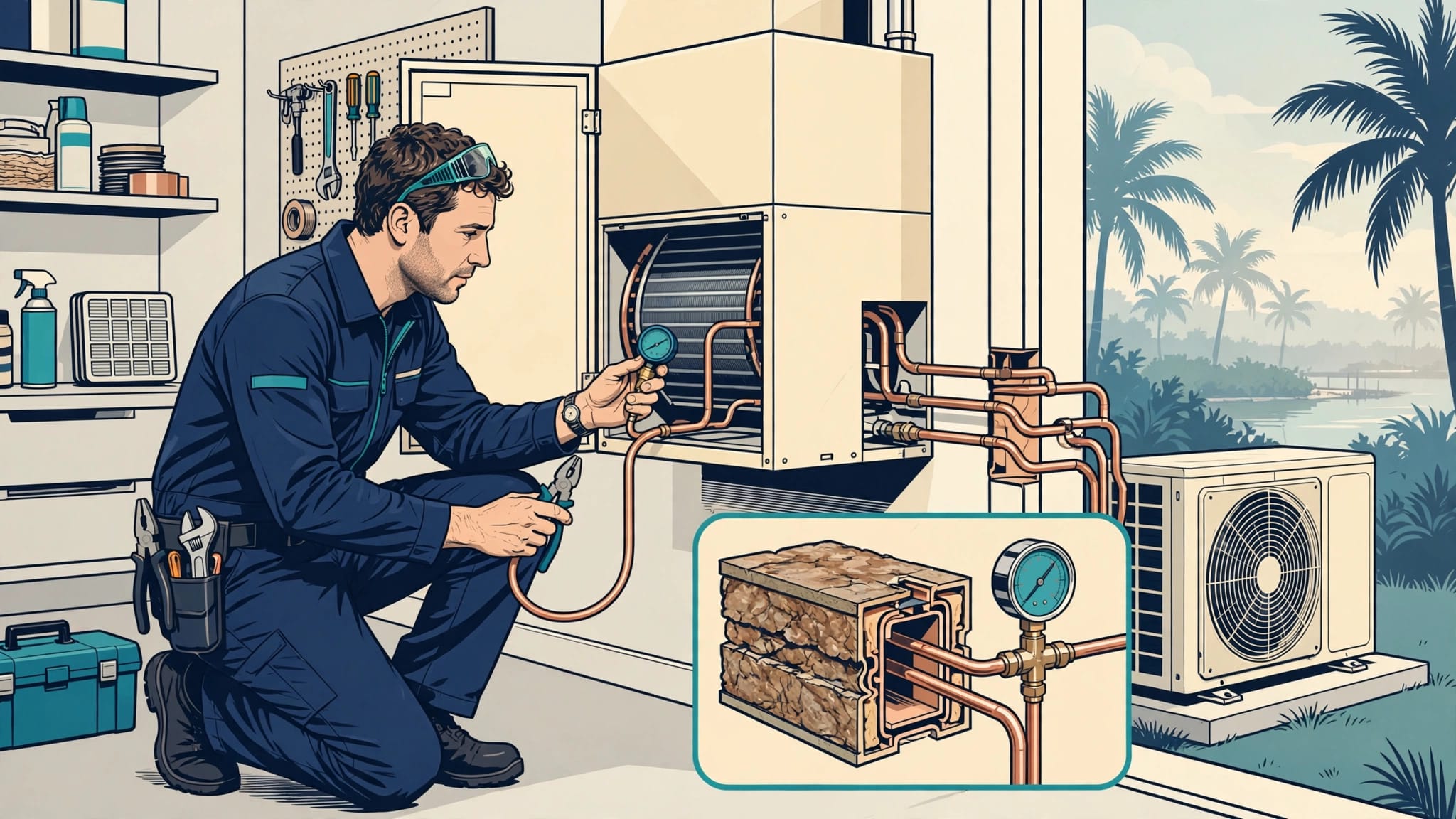
If the AC still struggles after a fresh filter goes in, the issue may be bigger than airflow through the filter. The return ducts may be undersized, the coil may be dirty, the blower may need service, or the thermostat may not be reading the home correctly. In some cases, low refrigerant or a mechanical issue can also limit cooling.
Call an HVAC professional if you notice any of these after changing the filter:
- The air is still weak at the vents
- The system runs, but the house stays warm
- The AC cycles on and off too fast
- Ice forms on the indoor unit or refrigerant line
- You hear new rattling, grinding, or buzzing sounds
- The home feels damp even when the AC is on
A new filter fixes one problem. It does not fix a failing part, a dirty coil, or duct issues hidden in the system. If the same symptoms keep coming back, the system needs a closer look.
A Simple Routine That Works All Year
The easiest way to stay ahead of AC filter problems is to tie the check to something you already do. Pick one day each month, then inspect the filter before it gets bad.
A good routine looks like this:
- Turn the system off.
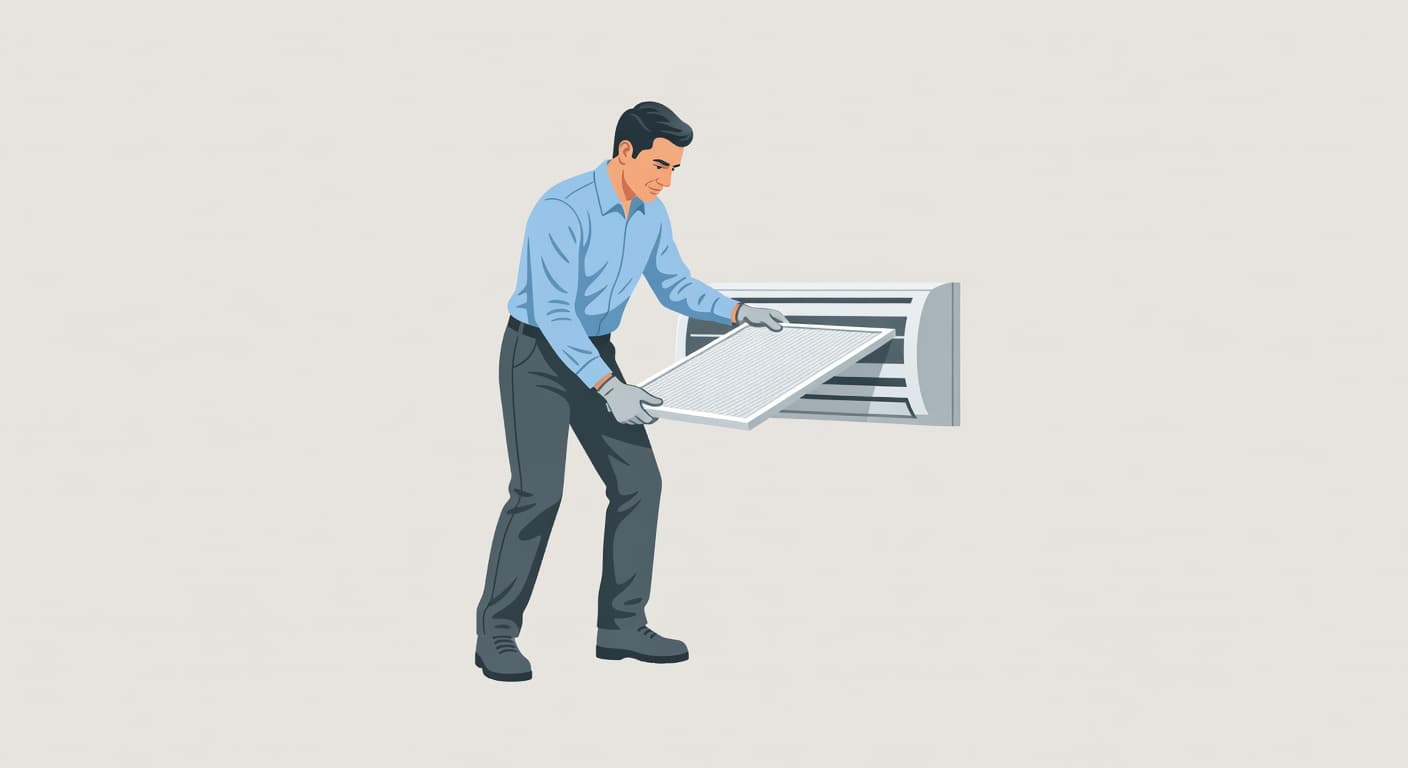
- Remove the filter and look at both sides.
- Hold it up to the light.
- Replace it if the surface looks dusty, gray, or matted.
- Write the date on the filter frame or your calendar.
That quick habit helps you spot changes fast. If you replace the filter and notice it looks dirty again far sooner than usual, that can point to a larger air quality or system issue.
Homes in North Fort Myers often need more frequent checks during heavy-use months. During milder weather, the same filter may last a bit longer. The key is to look at the filter, not guess.
Conclusion
For most homes in North Fort Myers, the best answer is simple, check AC filters monthly and replace them about every 30 to 90 days. Thin 1-inch filters usually need the most attention, while thicker media filters can last longer.
Humidity, pets, dust, and long cooling runs all shorten filter life in Southwest Florida. If a fresh filter does not restore airflow or cooling, the problem likely goes beyond the filter itself.
A clean filter keeps the system breathing easier, and in this climate, that matters every day.
Recent Posts