Are AC Surge Protectors Worth It in Babcock Ranch?
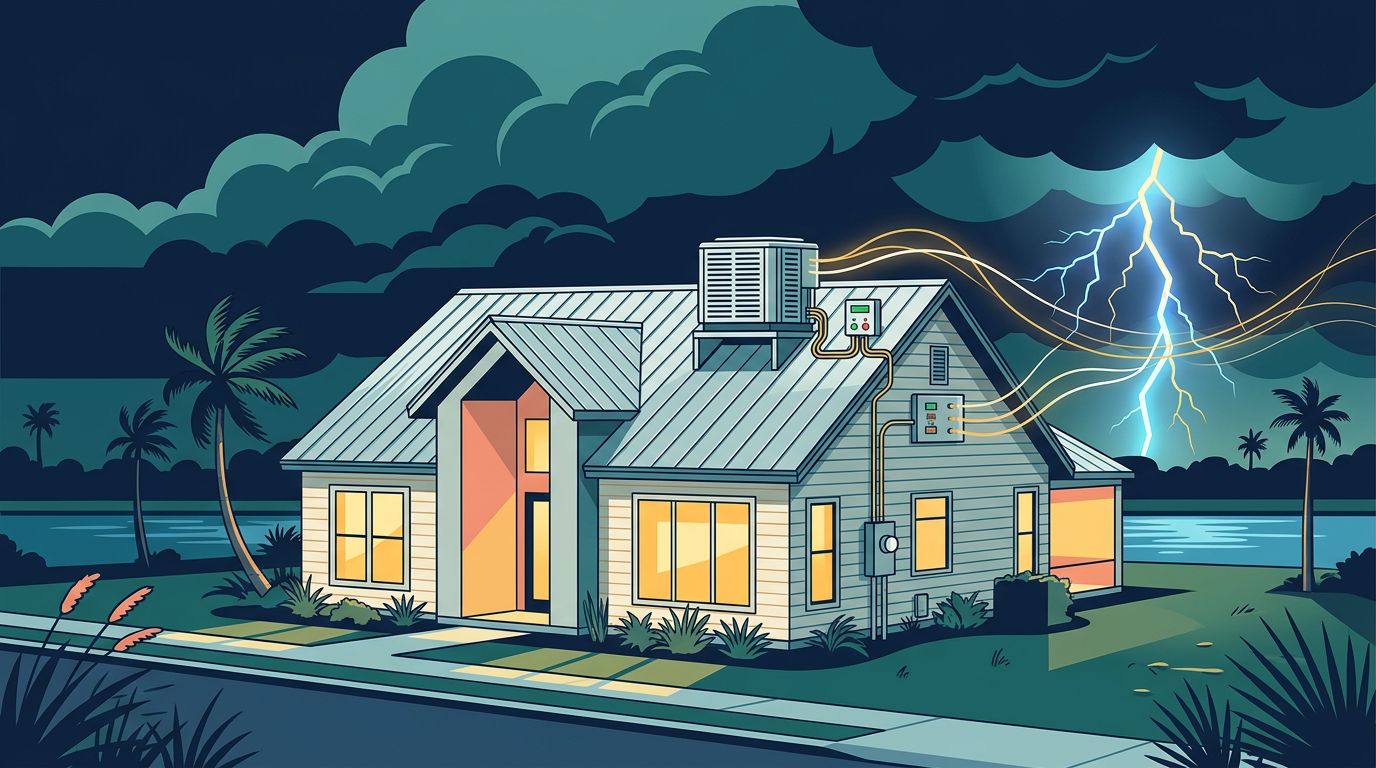
A lightning strike miles away can send a damaging electrical surge through a Babcock Ranch home before you notice anything unusual. Your air conditioner may keep running, but a control board, capacitor, or compressor can suffer damage that appears days later.
That risk matters in Southwest Florida, where summer thunderstorms, heavy cooling demand, hurricanes, and power restoration all place stress on electrical equipment. AC surge protectors can reduce the chance of expensive HVAC damage, but only when you choose the right device and install it correctly.
Key Takeaways
- Babcock Ranch homes face surge risks from nearby lightning, utility switching, and power restoration.
- An HVAC surge protector can help protect sensitive AC electronics, but it doesn't prevent every type of electrical damage.
- Whole-home protection and a dedicated AC protector address different parts of the electrical system.
- The cost is often reasonable compared with replacing a control board or compressor.
- Proper grounding, correct ratings, and professional installation matter as much as the protector itself.
Why Babcock Ranch Homes Face Electrical Surge Risk
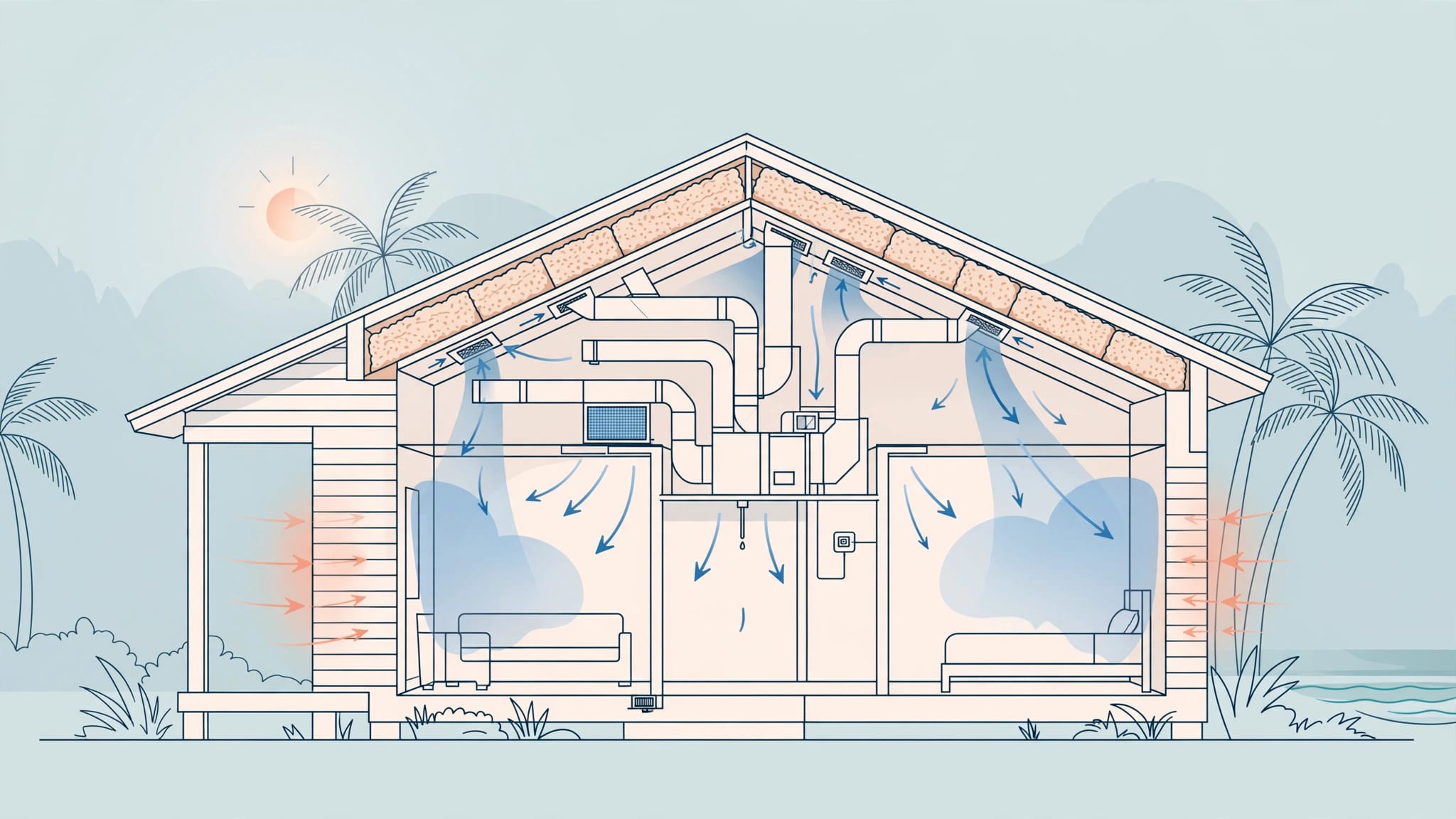
Air conditioners in Babcock Ranch work hard for much of the year. Long cooling cycles put regular wear on contactors, capacitors, motors, circuit boards, and compressors. When a system also experiences a sudden voltage spike, a small weakness can become a major failure.
Lightning is the most obvious source of a surge, but it isn't the only one. A nearby strike can travel through utility lines, communication lines, or the home's electrical system. The strike doesn't need to hit your roof or outdoor unit to cause trouble.
Utility activity can also create short voltage spikes. When power goes out and returns, electrical equipment can experience a sudden change. The same may happen when the utility switches circuits or restores service after a storm. These events are brief, so you may never see a flickering light, yet sensitive electronics can still be affected.
New construction doesn't remove this risk. A newer Babcock Ranch home may have an efficient variable-speed system, a heat pump, a smart thermostat, or communicating controls. These features can improve comfort and efficiency, but they also rely on electronic components that cost more to replace than older mechanical controls.
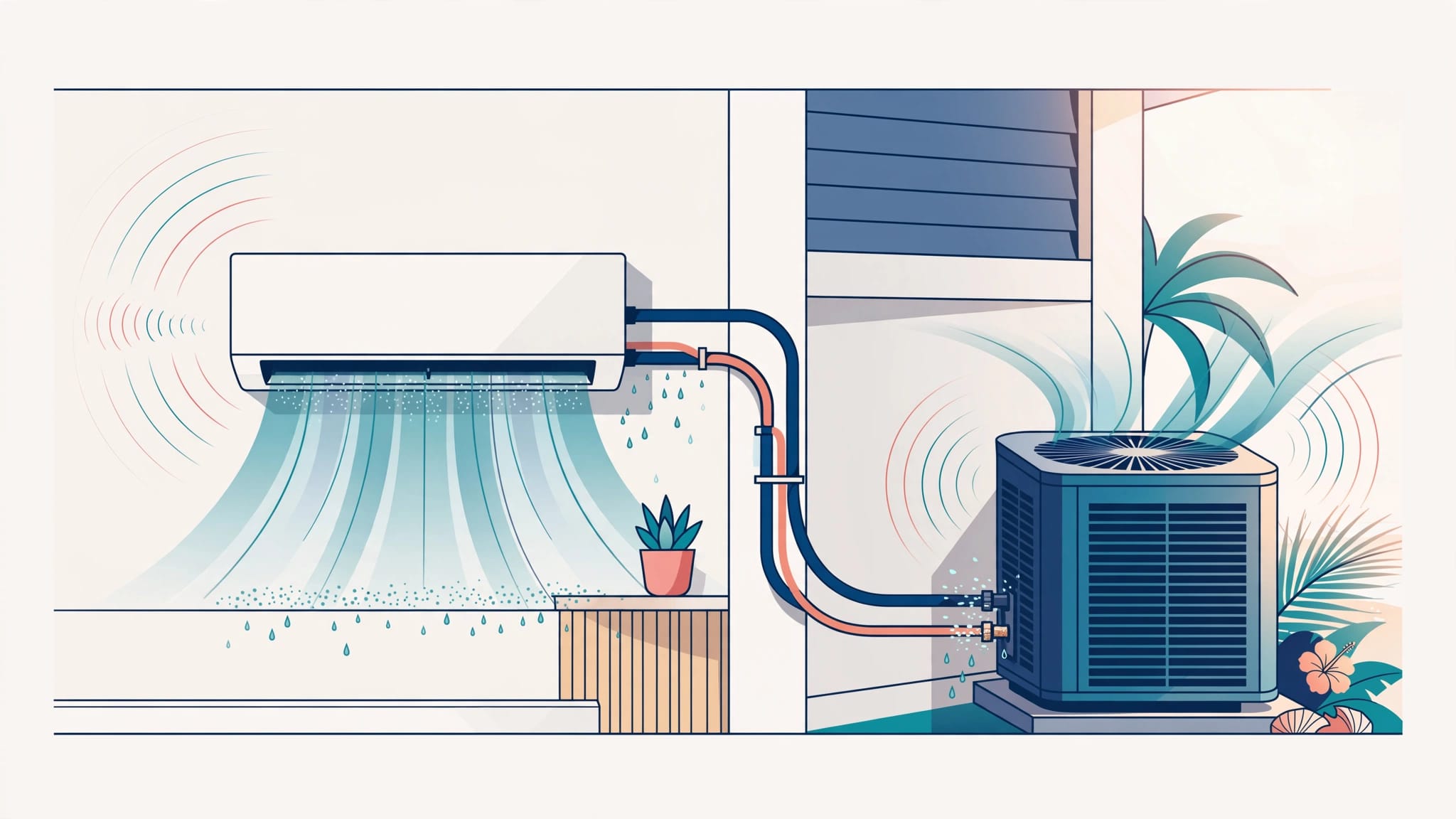
The outdoor condenser is especially exposed. It sits outside through thunderstorms, intense heat, humidity, wind-driven rain, and salty air. The indoor air handler and thermostat can also be damaged if a surge travels through separate circuits.
A surge protector can't control the weather or stop an outage. It can give excess voltage a safer path away from connected equipment. That added layer is useful in a region where cooling is tied directly to comfort, humidity control, and indoor air quality.
What an AC Surge Protector Actually Does
A surge protective device, often called an SPD, responds to a rapid rise in voltage. Its internal components divert excess energy toward the grounding system and limit the voltage that reaches the air conditioner's electrical parts.
That protection happens in a fraction of a second. The device doesn't store electricity for later use, and it doesn't keep the AC running during an outage. Its job is narrower, but still valuable: reduce the intensity of short, damaging voltage events.
An HVAC-rated protector usually connects near the outdoor unit's disconnect or electrical service point. Depending on the design, it may protect the condenser circuit and related controls. However, one device may not protect every part of a split system if the indoor air handler, thermostat, and outdoor unit use separate circuits.
A surge protector also has limits. It won't correct:
- A loose connection or failing breaker
- Low voltage caused by utility problems
- A sustained overvoltage condition
- Poor grounding or bonding
- Flooding, wind, corrosion, or physical storm damage
- Normal wear in a capacitor, motor, compressor, or fan
That distinction prevents unrealistic expectations. A protector lowers risk, but it doesn't make an air conditioner indestructible.
A surge protector is one part of electrical protection, not a substitute for good wiring, sound grounding, and regular AC maintenance.
Look for a device rated for your system's voltage and electrical configuration. A certified product should carry a recognized safety listing, such as UL 1449. The installation should also follow the manufacturer's instructions and local electrical requirements.
Many protectors include a status light. If the light goes out, the device may have taken a surge and need replacement. A lit indicator doesn't prove that every internal component is perfect, so a technician should inspect the device after a major electrical event or suspected lightning strike.
AC-Specific Protection or Whole-Home Protection?
Homeowners often compare a dedicated air conditioner protector with a whole-home surge protective device. These options overlap, but they don't do the same job.
A dedicated HVAC protector focuses on the air conditioner's circuit. It is installed close to the equipment, which can help limit the distance a transient travels before reaching sensitive components. This option may make sense when your main concern is the outdoor condenser, heat pump, or replacement system.
A whole-home SPD installs at the main electrical panel or another approved service location. It protects several branch circuits at once, including circuits serving appliances, garage equipment, internet equipment, and HVAC components. Its performance depends on correct installation, grounding, bonding, and the home's electrical layout.
Some homeowners choose both forms of protection. A panel-mounted device handles surges entering through the main electrical service, while a dedicated protector adds protection near the air conditioner. A qualified professional can determine whether that arrangement fits the home and equipment.
| Protection option | Main purpose | Important consideration |
|---|---|---|
| Dedicated HVAC protector | Focuses on the AC or heat pump circuit | It may not protect separate indoor controls |
| Whole-home SPD | Covers multiple circuits at the electrical panel | Panel condition and grounding affect performance |
| Plug-in power strip | Protects small indoor electronics | It isn't a replacement for HVAC protection |
A plug-in strip won't protect an outdoor condenser because the condenser isn't connected through that strip. It may help with a television or computer, but it has a different job.
If you're replacing an air conditioner, ask whether the quote includes a dedicated surge protector, whole-home protection, or neither. Also ask which components the proposed device covers. Clear answers matter more than a vague promise that the "system" is protected.
Are AC Surge Protectors Worth the Cost?
For many Babcock Ranch homeowners, the answer is yes, especially when the home has a newer or higher-end air conditioner. A dedicated protector usually costs far less than a major repair, although the final price depends on the device, wiring, access, panel condition, and labor.
Ask for an itemized estimate that separates the equipment, installation, permit work if required, and any grounding or panel repairs. An unusually low quote may leave out needed electrical work. A high quote should include a clear explanation of what makes the installation more involved.
The potential repair costs vary widely. A surge may damage one small control component, or it may affect several boards and electrical parts. On some variable-speed systems, a failed inverter or control board can be expensive and may require special-order parts. Protection doesn't guarantee that those repairs will never happen, but it can reduce one source of avoidable damage.
The decision makes even more sense when:
- Your home is in an area with frequent summer lightning
- The AC system uses variable-speed or communicating controls
- You recently installed a costly heat pump or high-efficiency system
- Your home has experienced outages or electrical fluctuations
- You work from home and depend on stable cooling
- You want added protection for equipment that is difficult to replace quickly
The value is less clear when someone presents a cheap device without identifying its ratings, coverage, or installation method. A protector with poor grounding or the wrong voltage rating may not provide the protection you expect.
Also remember that surge coverage in a homeowner's insurance policy can include exclusions, deductibles, and limits. Don't assume insurance will cover every surge-related AC failure. Review your policy and keep installation records, invoices, and maintenance documentation.
Correct equipment selection matters during an AC replacement, too. A system that is oversized or undersized may cycle poorly, struggle with humidity, or wear out faster. Before adding protection, confirm that the replacement itself is properly designed for the home with this guide to choosing the correct AC size.
How to Choose and Install an HVAC Surge Protector
Start with the air conditioner's electrical information. A technician needs to confirm the system voltage, circuit arrangement, disconnect location, and available grounding path. The protector must match those conditions rather than rely on a generic "one size fits all" label.
Ask these questions before approving the work:
- Is the device listed for HVAC use and rated for this system?
- Will it protect the outdoor unit, indoor unit, or both?
- Where will it be installed?
- What happens if the status indicator shows failure?
- Does the electrical panel need repairs or additional work?
- Will the technician inspect grounding and bonding?
- Does the price include labor and any required permit?
A licensed HVAC professional or electrician should perform the installation. The disconnect and panel can remain dangerous even when the air conditioner isn't running. Opening either one without the right training creates a serious shock hazard.
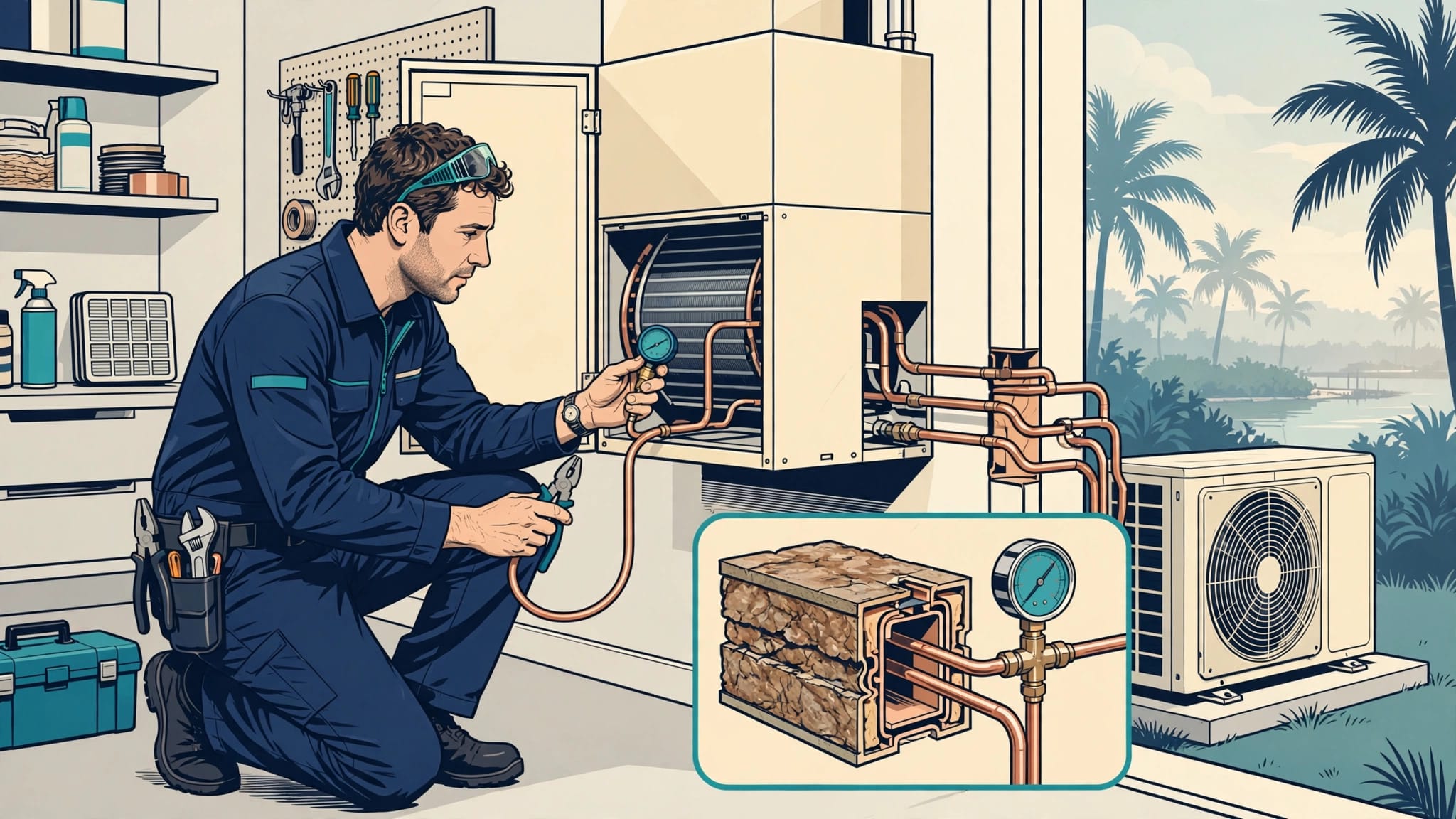
Installation is also a good time to inspect the disconnect, wiring, contactor, capacitor, condenser connections, and thermostat circuit. A surge protector can't compensate for a loose terminal or deteriorated wire.
After installation, keep the paperwork and check the status indicator during routine service visits. If your home experiences a nearby lightning event, major storm, or unusual electrical behavior, have the protector and AC system inspected. Regular tune-ups can catch worn components before they fail, and a scheduled HVAC maintenance plan can help keep those inspections on schedule.
Conclusion
AC surge protectors are worth considering for many Babcock Ranch homes because thunderstorms, utility events, and heavy cooling demand create real electrical risks. They won't stop every failure, but they can reduce the chance that a short voltage spike damages expensive HVAC electronics.
The strongest choice is a correctly rated device installed with sound grounding and clear coverage for your equipment. When the cost is measured against a damaged control board or compressor, surge protection is often a sensible layer of care for a Florida air conditioner .
Recent Posts