How Dirty Evaporator Coils Reduce Fort Myers Cooling
A cooling system can run for hours while your Fort Myers home still feels warm and damp. One common cause is a layer of dust, hair, and residue covering the indoor evaporator coil.
Dirty evaporator coils reduce heat transfer, restrict airflow, and make your air conditioner work harder. In Southwest Florida, the added humidity can turn a small maintenance issue into weak cooling, musty odors, or an iced-over system.
The first step is knowing which coil you're dealing with and how contamination affects the rest of your AC system.
Key Takeaways
- The evaporator coil is inside your home, usually in the air handler or above the indoor furnace cabinet.
- Dirt on the coil blocks airflow and prevents the system from removing heat efficiently.
- Fort Myers humidity can worsen icing, odors, and moisture problems around a dirty coil.
- A frozen coil may also point to low refrigerant or another airflow issue, so proper diagnosis matters.
- Homeowners should handle filter changes, while trained HVAC technicians clean and access the coil.
The Evaporator Coil Is Indoors, Not Outside
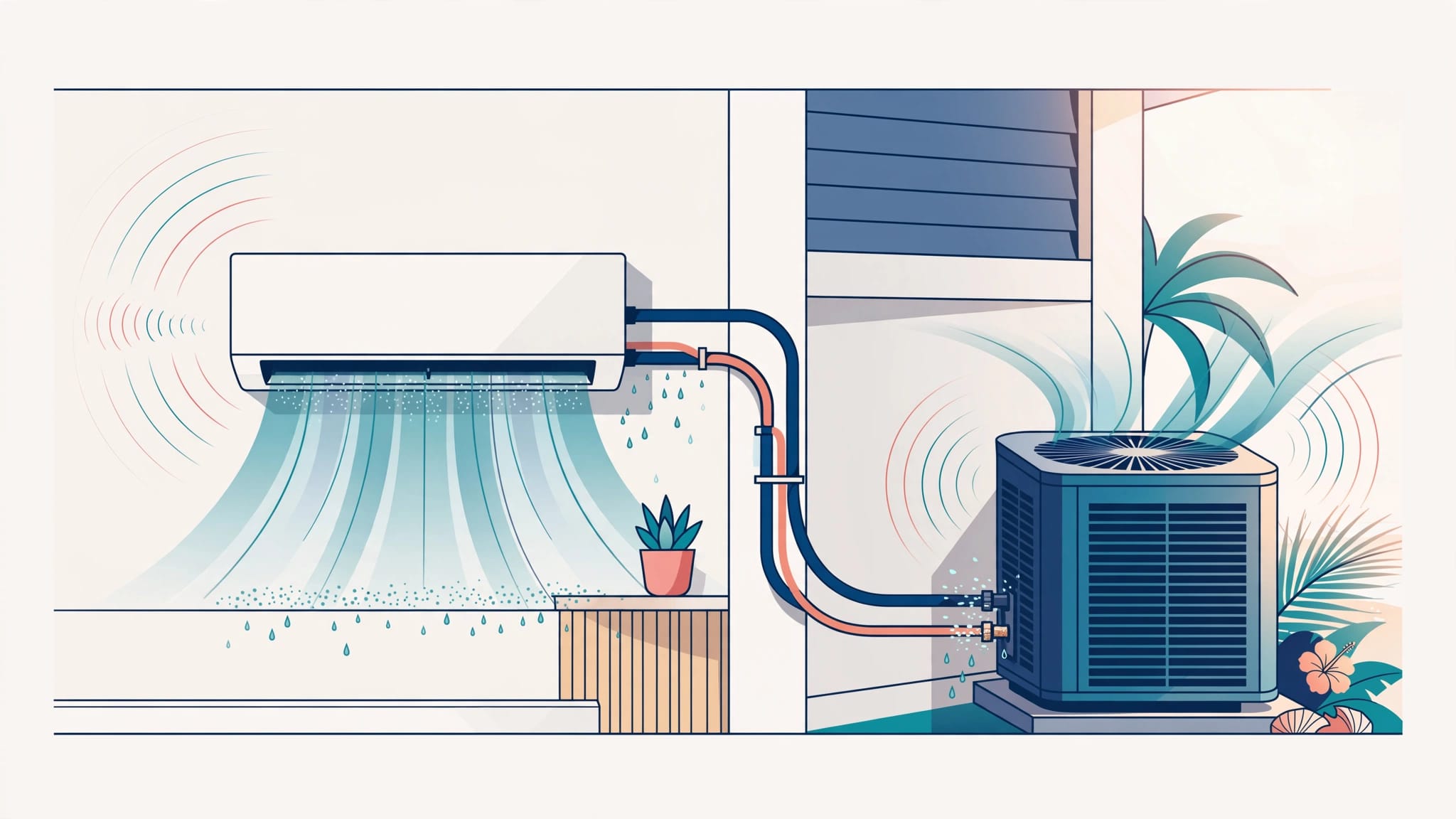
Your air conditioner uses two separate coils, and each one has a different job.
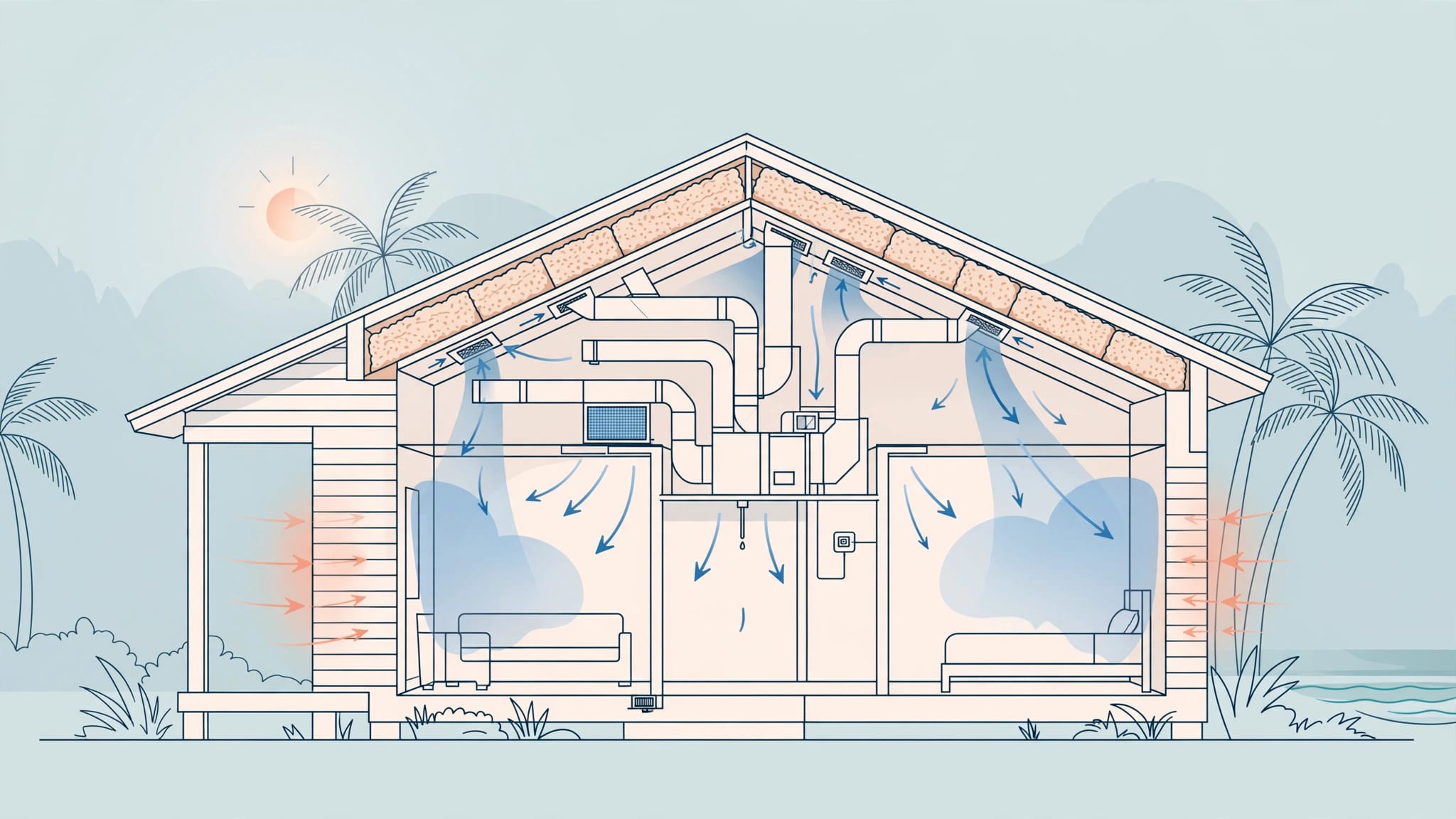
The evaporator coil sits inside the home, usually inside the air handler or in a cabinet above the furnace. During a cooling cycle, warm indoor air passes over this cold coil. Refrigerant inside the coil absorbs heat from the air, while the blower sends cooler air through the ductwork.
The condenser coil is in the outdoor unit. It releases the collected heat outside, along with the heat produced by the compressor. Because the condenser sits outdoors, it faces leaves, grass, dust, and salt air. The evaporator coil faces indoor contaminants instead, including airborne dust, pet hair, cooking residue, and particles that pass through or around the filter.
That distinction matters when your AC loses performance. A dirty outdoor condenser coil can make the system struggle to release heat. A dirty indoor evaporator coil can block airflow and reduce the coil's ability to absorb heat. Both problems affect cooling, but technicians inspect and clean them in different ways.
Fort Myers homes often run air conditioning for much of the year. That gives airborne particles more chances to collect on the indoor coil. If the filter is overdue for replacement or doesn't fit correctly, the coil can become coated faster.
How Dirty Evaporator Coils Weaken Cooling
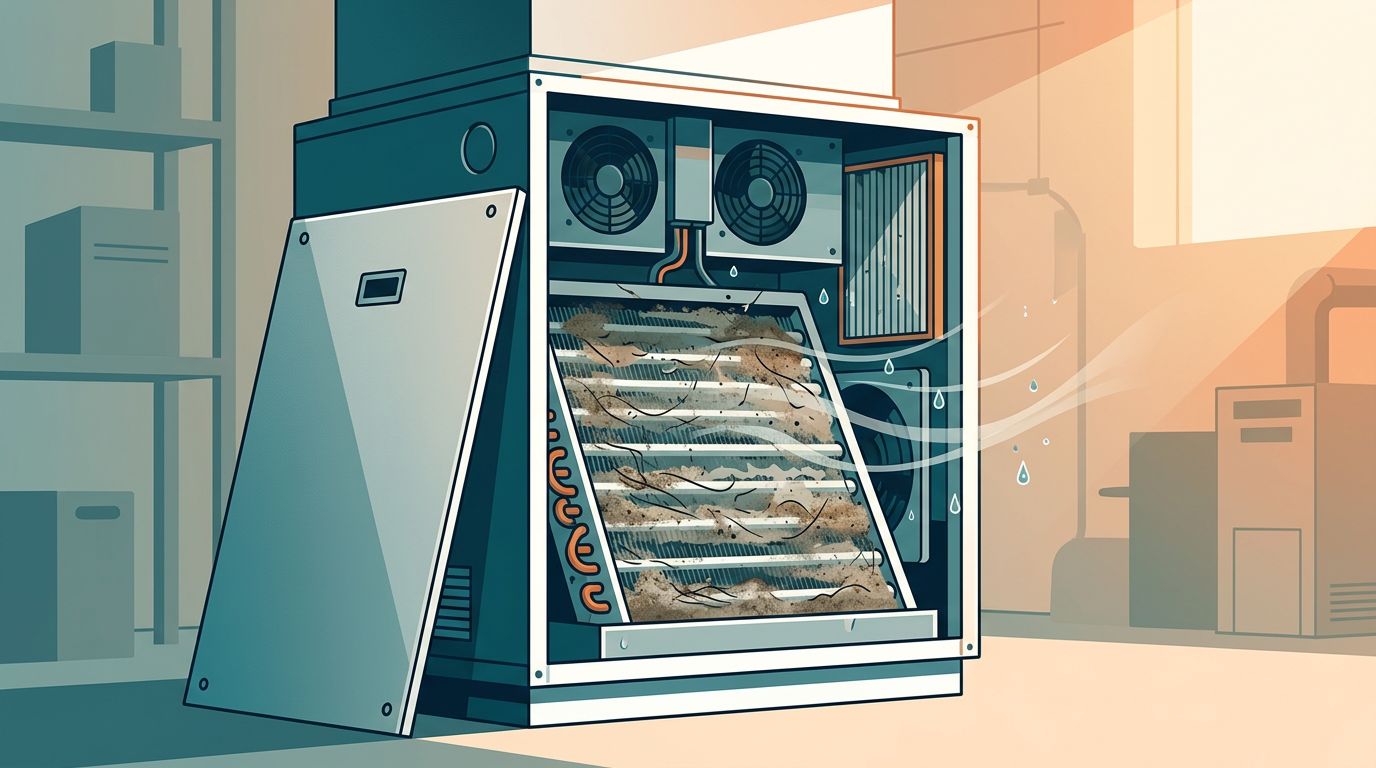
A clean evaporator coil needs steady airflow across its fins. Dirt changes that airflow and adds a layer between the indoor air and the cold coil surface.
At first, you may notice longer cooling cycles. The thermostat reaches its setting more slowly, so the system runs longer than it did before. As the buildup increases, the blower may move less air through the coil. Rooms can feel uneven, and the air coming from the vents may seem cool without providing enough comfort.
The coil also loses contact with the air it needs to cool. Dust acts as an insulating layer, which makes heat transfer less effective. Your AC may consume more electricity while removing less heat from the house.
A restricted, dirty coil can also become too cold. When airflow drops below the system's design range, moisture on the coil may freeze into ice. The ice then blocks even more airflow, which causes the freezing to spread. Eventually, the vents may blow weak or warm air even though the system continues to run.
Ice on the indoor coil is a warning sign. Turn off cooling and arrange service instead of allowing the unit to run through repeated freeze cycles.
A frozen coil doesn't always mean dirt is the only cause. A clogged filter, blocked return grille, failing blower motor, damaged ductwork, or low refrigerant can produce similar symptoms. A technician needs to test the system before deciding whether coil cleaning will solve the problem.
Long runtimes also affect humidity control. Your AC removes moisture as warm air crosses the cold evaporator coil. When the coil is dirty or airflow is poor, the system may struggle to manage moisture even if the temperature eventually drops.
Signs Fort Myers Homeowners May Notice
Dirty coils rarely announce themselves with one obvious symptom. Instead, homeowners often see a pattern that develops over several days or weeks.
Watch for these changes:
- Weak airflow at several supply vents, especially when the filter is clean.
- Long cooling cycles that leave the house warmer than the thermostat setting.
- Warm or inconsistent air from vents during a call for cooling.
- Ice on refrigerant lines or the indoor cabinet , which indicates a possible frozen coil.
- Higher electric bills without a major change in thermostat settings.
- Musty smells that appear when the system starts or runs.
- Water near the air handler after ice melts or a drain system backs up.
A single symptom can have several causes. For example, a dirty filter often creates airflow problems before the evaporator coil becomes heavily coated. A thermostat issue can also cause unusual runtimes. Low refrigerant may create ice even when the coil looks clean.
If your AC blows warm air, you can review these common causes of warm air from AC vents, but avoid guessing at the repair. Continuing to run a frozen system can stress the compressor and leave water around the indoor equipment when the ice melts.
Musty odors deserve attention as well. The evaporator coil stays cold and wet during normal cooling, so dirt can hold moisture against the surface. That damp buildup may contribute to odors inside the air handler or duct system. Fort Myers homeowners can also review these ways to prevent musty odors with evaporator coil cleaning.
Why Fort Myers Humidity Makes Coil Problems Worse
Fort Myers air contains substantial moisture during the long cooling season. Your AC removes some of that moisture as condensate forms on the cold evaporator coil and drains into the pan.
A clean coil allows air to move across its surface while water falls into the drain pan. Dirt, hair, and biological residue can interfere with that process. Moisture may remain trapped in the buildup, and the area can stay damp after the system cycles off.
That damp environment can contribute to stale or musty smells. It can also worsen drain problems if loose debris reaches the pan or condensate line. If the line clogs, water may back up near the air handler and damage surrounding materials.
Humidity also makes comfort harder to judge. A room at the thermostat's temperature can still feel sticky when the AC isn't removing enough moisture. Lowering the thermostat may make the system run longer, but it doesn't correct a dirty coil or restricted airflow.
Homes near the coast face a separate concern. Salt air reaches outdoor equipment and can accelerate corrosion on condenser components. Salt exposure doesn't automatically make the indoor evaporator coil dirty, but it adds another reason to keep the complete system maintained.
Professional Evaporator Coil Cleaning and Prevention
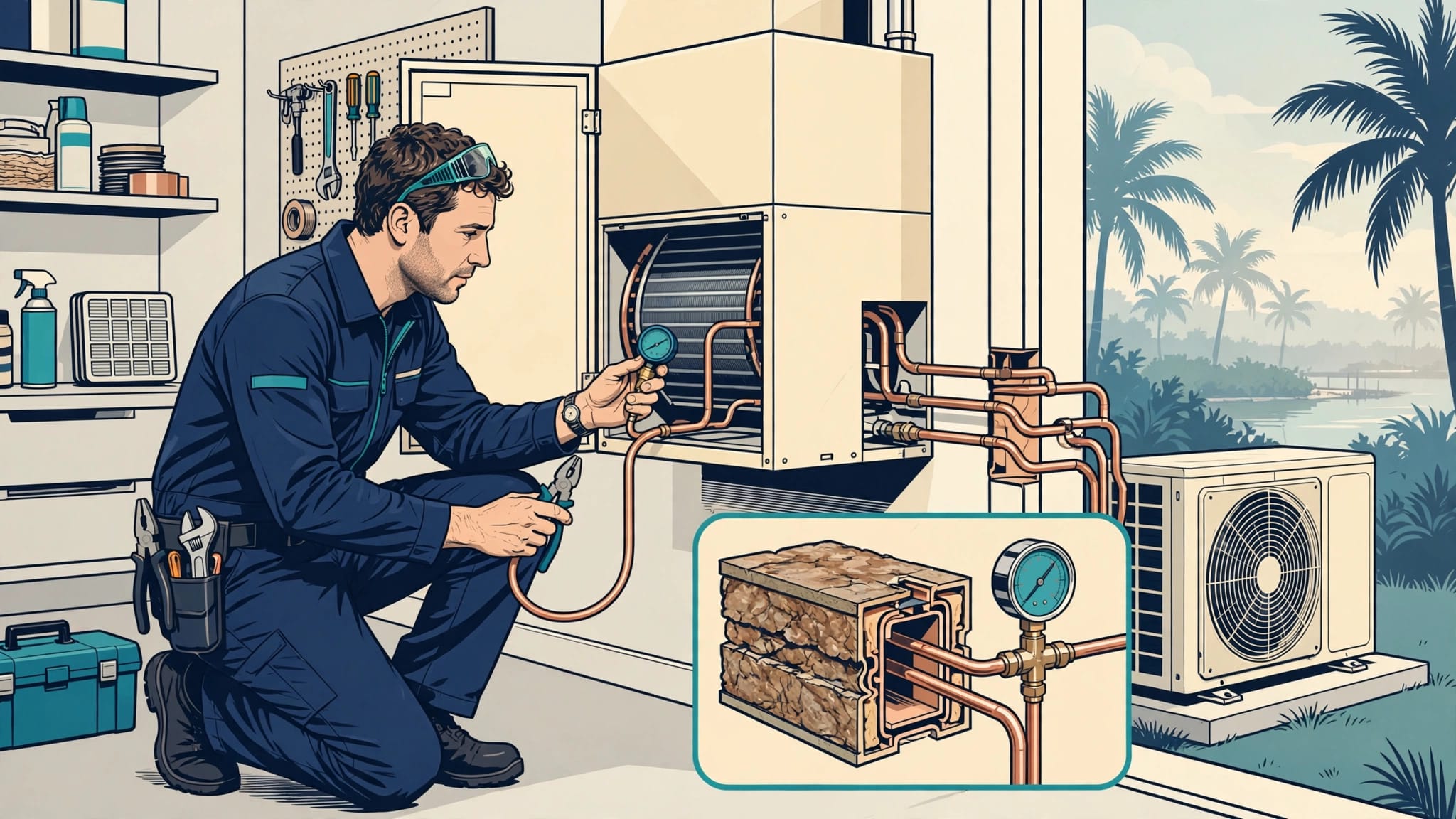
Evaporator coil cleaning requires access to the indoor cabinet. Depending on the equipment, the coil may sit behind a panel, above the air handler, or inside a tight plenum. Removing the panel can expose electrical components and sharp metal edges.
The fins are thin and easy to bend. Aggressive brushing, high water pressure, or the wrong chemical can damage the coil and restrict airflow further. Water also needs a safe path into the drain pan. Spraying into the cabinet without controlling runoff can create an indoor leak.
Refrigerant lines connect to the coil, so homeowners should never disconnect them or attempt to move the coil. Refrigerant work requires proper tools, training, and handling procedures. A professional can inspect the coil, check airflow, test refrigerant operation, protect nearby components, and clean the surface with appropriate methods.
Before the appointment, you can take a few safe steps:
- Replace or inspect the filter using the size and type recommended for your system.
- Keep furniture, boxes, and curtains away from return grilles and supply vents.
- Turn off cooling if you see ice, then allow the system to thaw.
- Note when the problem occurs, such as during the hottest part of the day or after rain.
- Check for water near the indoor unit, but don't open sealed panels.
Routine maintenance helps catch buildup before it causes a major comfort problem. A service visit can include an evaporator coil inspection, airflow testing, condensate drain inspection, electrical checks, thermostat testing, and outdoor condenser care.
For homeowners who prefer scheduled service, annual cooling system maintenance plans can provide regular tune-ups and priority scheduling. The right schedule depends on equipment age, filter conditions, indoor air quality, pets, renovation dust, and how heavily your system runs.
Filter changes remain one of the simplest ways to protect the indoor coil. Check the filter monthly during heavy cooling periods. Replace it when it's loaded with dust or according to the manufacturer's instructions. A filter that fits poorly can allow air to bypass its edges, sending debris toward the evaporator coil.
If the coil already has visible buildup, a filter change won't remove it. Professional cleaning may also reveal other issues, such as a blocked drain, damaged insulation, poor return-air design, or low refrigerant. Fixing the underlying cause helps keep the coil clean after service.
Conclusion
A dirty evaporator coil can make your Fort Myers AC run longer while delivering less cooling and humidity control. Restricted airflow may also lead to ice, odors, water problems, and rising energy use.
The indoor evaporator coil is different from the outdoor condenser coil, and both need the right inspection method. Change your filter regularly, shut down a frozen system, and use a trained HVAC technician for coil access, cleaning, and refrigerant-related diagnosis. A clean coil gives your air conditioner a better chance to keep your home cool when Southwest Florida heat and humidity reach their worst.
Recent Posts