How to Safely Rinse an Outdoor AC Unit in Fort Myers
Fort Myers heat makes your outdoor air conditioner work hard for much of the year. When dust, grass clippings, pollen, and salt residue cover the condenser coil, the system may struggle to release heat.
A light rinse of your outdoor AC unit can remove loose surface debris, but water and electricity require careful handling. Homeowners should clean only the exterior coil after shutting off power. Follow these steps, and know when the unit needs a professional instead.
Key Takeaways
- Turn off the thermostat and outdoor power before touching or rinsing the unit.
- Use a regular garden hose on a gentle setting, never a pressure washer.
- Rinse only the exterior condenser coil, and don't open panels or remove the top grille.
- Avoid harsh chemicals, bent fins, and direct spray on electrical components.
- Call an HVAC professional for ice, poor cooling, damaged fins, electrical concerns, or recurring buildup.
What a Safe Rinse Can and Can't Clean
The outdoor unit is the condenser, which releases heat removed from your home. Thin aluminum fins surround the condenser coil on the cabinet's sides. Air must pass through these fins while the system runs, so a coating of dirt can reduce airflow.
A homeowner can safely remove loose dust, pollen, light grass clippings, and surface grime with a gentle water rinse. This basic cleaning won't repair a refrigerant leak, fix a failing capacitor, straighten crushed fins, or remove heavy buildup trapped inside the coil.
The fan and motor sit beneath the top grille. Electrical connections, capacitors, and control parts may also sit inside the cabinet. Don't remove the top, open an electrical panel, or reach into the unit , even if the power appears to be off.
A safe homeowner cleaning is limited to a light exterior condenser-coil rinse after power is disconnected.
Never rinse a running air conditioner. The fan can start without warning, and water can reach electrical parts. Also, avoid spraying the top grille, disconnect box, thermostat wiring, and any exposed conduit connections.
If the coil looks oily, heavily clogged, green with corrosion, or packed with debris, stop after the visual inspection. A technician can access the coil safely and check for a mechanical problem.
Tools and Materials for a Light AC Rinse
You won't need specialized equipment for a basic exterior cleaning. Gather these items first:
- Garden hose with an adjustable nozzle
- Work gloves
- Safety glasses
- Plastic bag or towel for protecting nearby items
- A small hand broom or your hands for loose leaves
Plain water is enough for routine surface dust. Don't use bleach, vinegar, drain cleaner, household degreaser, or other harsh chemicals. These products can damage metal, affect nearby landscaping, and leave residue on the coil.
A soft coil brush may seem useful, but it can bend delicate fins when used incorrectly. Skip brushing unless a trained technician recommends a particular tool and technique. Bent fins restrict airflow and can make the original problem worse.
Before you start, check the weather. Choose a dry period without nearby lightning. Wet ground, rain, and electrical equipment create unnecessary risk.
How to Rinse an Outdoor AC Unit Safely
Follow this sequence whenever you clean the exterior condenser coil.
- Inspect the unit before touching it. Look for leaves, vines, mulch, nests, corrosion, bent fins, loose wires, or water around the base. If you see damaged wiring, a cracked disconnect box, or floodwater exposure, don't continue.
- Turn off the thermostat. Set the cooling mode to "off." Wait for the indoor and outdoor fan to stop completely. The thermostat shutoff prevents a cooling call, but it shouldn't be your only power precaution.
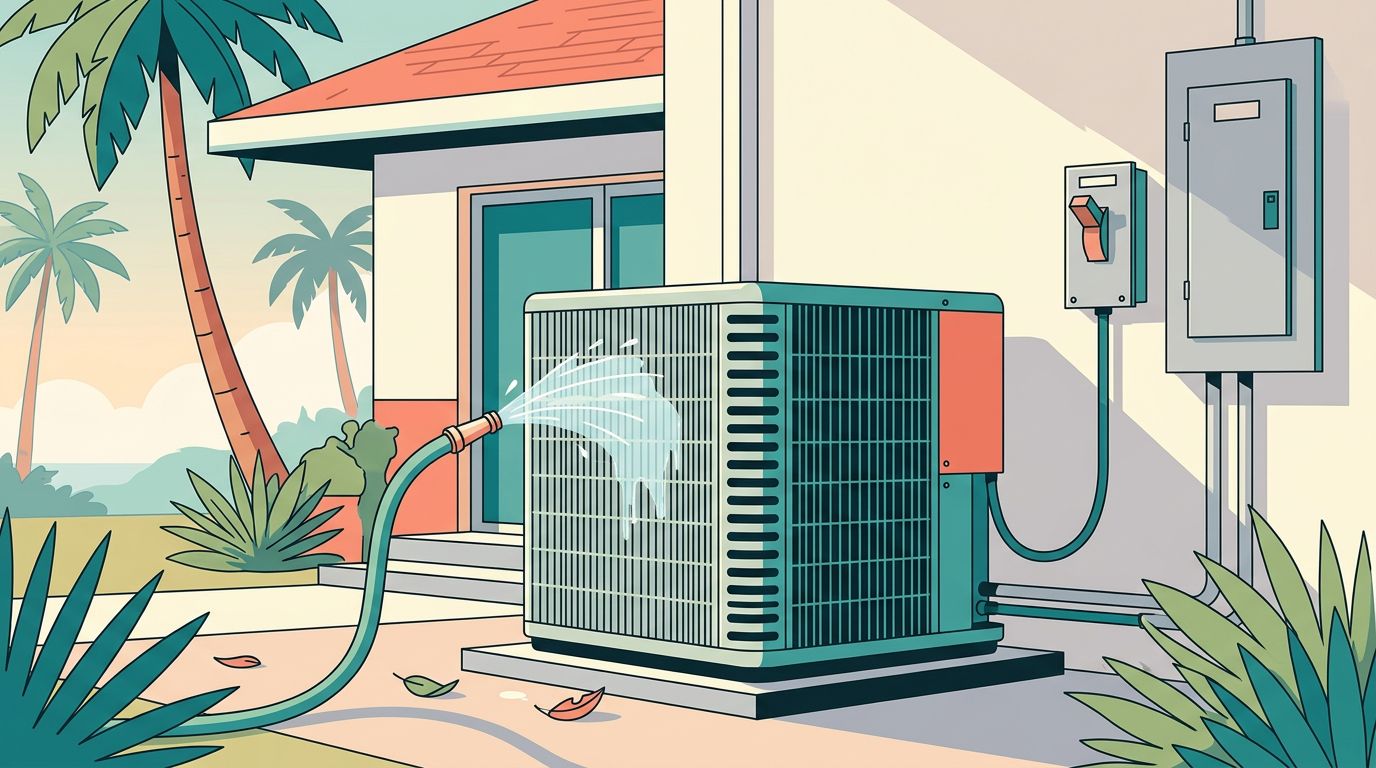
- Disconnect outdoor power. Find the disconnect box near the condenser and switch it off or remove the pull-out, depending on the style. Use dry hands. If the disconnect looks damaged or you aren't comfortable using it, switch off the air conditioner's breaker and arrange professional service. Don't open the disconnect box.
- Clear loose debris by hand. Put on gloves and remove leaves, pine needles, grass, and other material around the cabinet. Pull debris away from the fins instead of dragging it across them. Keep plants, mulch, and stored items away from the unit according to the manufacturer's clearance instructions.
- Set the hose to a gentle stream. A light garden-hose flow is enough for surface dirt. Avoid jet, mist, or pressure settings that can scatter debris or force water toward electrical components. Never use a pressure washer on an AC coil.
- Rinse the exterior coil sides. Stand beside the unit and aim the water at the finned panels. Hold the nozzle several inches away and move slowly across each section. Keep the spray directed at the coil surface, not down through the top grille.
- Watch the fins while you work. Stop if fins begin to bend, separate, or collect more debris. Don't poke them with a nozzle, screwdriver, knife, or brush. A few damaged fins may need professional repair, while extensive damage can affect the condenser's performance.
- Let the unit drain and dry. Water should run out through the bottom of the cabinet. Don't turn power back on while water is pooled around electrical connections or while you are still working. Remove any protective towel or plastic, then restore power at the disconnect or breaker.
After restoring power, wait several minutes before setting the thermostat to cooling. Listen during the first cycle. The outdoor fan should run normally, without scraping, rattling, buzzing, or repeated starts and stops.
A light rinse may leave some discoloration on the coil. That's acceptable when the system cools properly and the fins remain open. Chasing a perfectly bright appearance can lead to aggressive scrubbing or chemical use, which creates more risk than benefit.
Fort Myers Conditions Require Regular Checks
Southwest Florida's long cooling season gives outdoor units fewer opportunities to sit unused. Check the condenser at least once a month during periods of frequent operation, and inspect it after lawn care, heavy rain, or strong winds.
Grass clippings are a common problem when a mower or trimmer points debris toward the cabinet. Keep equipment discharge directed away from the condenser. After yard work, remove loose clippings before they become damp and stick to the coil.
Homes near the Gulf, canals, or other exposed areas may collect salt residue on outdoor equipment. Salt can accelerate corrosion, so a gentle freshwater rinse can help remove surface deposits. Don't apply acid-based cleaners or abrasive products. If you see white corrosion, flaking metal, or rust around the coil, have an HVAC technician inspect it.
Humidity also encourages plant growth around equipment. Vines and dense shrubs restrict airflow, while wet leaves can hold debris against the fins. Trim vegetation without striking the cabinet, and keep the area free of stored items.
Storms bring another concern. If floodwater reaches the condenser, turn off the system at the electrical panel if you can do so safely. Don't operate or rinse a flood-exposed unit until a qualified technician checks the electrical and refrigeration components.
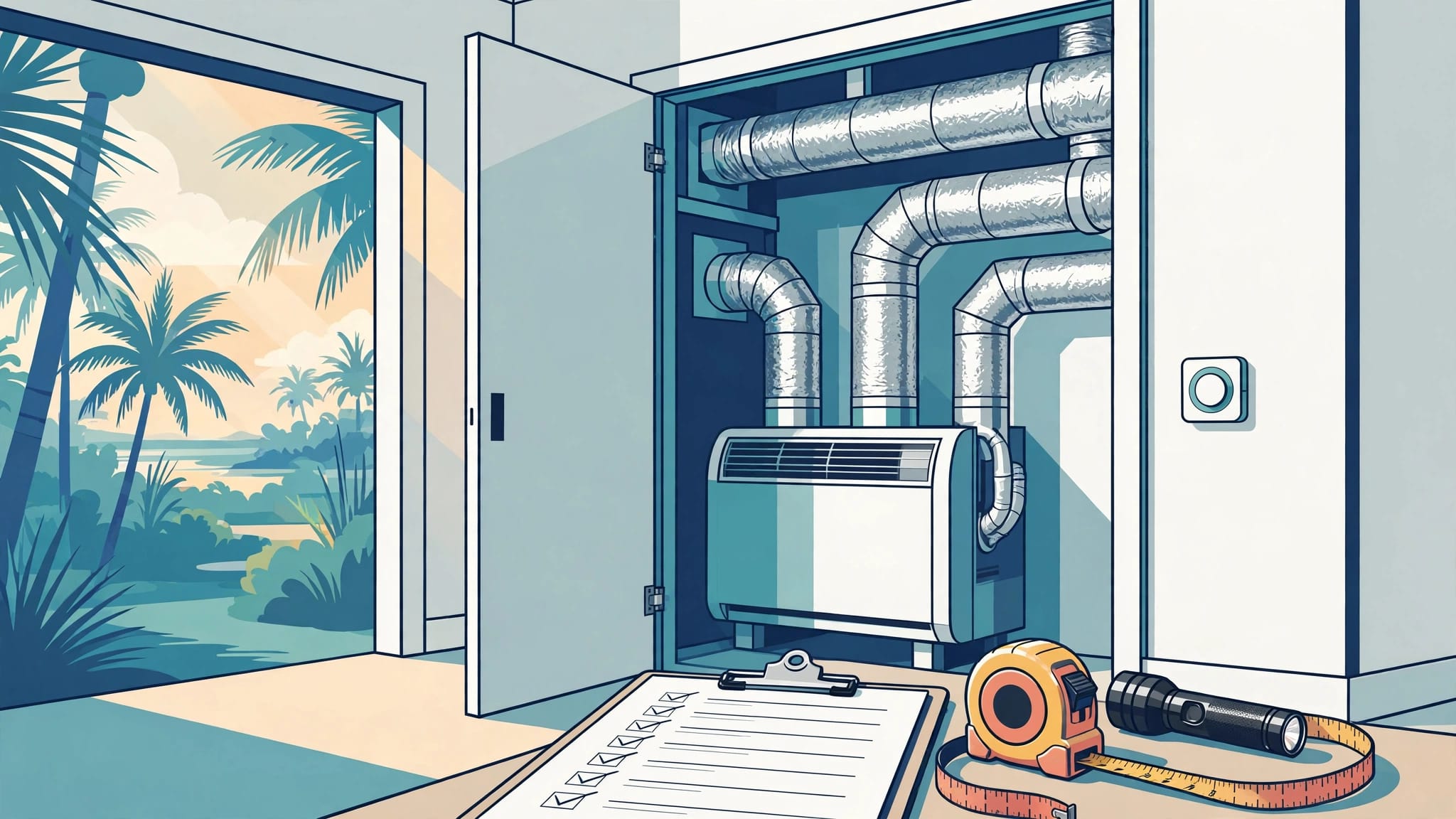
Routine rinsing can't replace planned maintenance. A technician can inspect refrigerant levels, electrical connections, drain operation, blower performance, and coil condition during a full service visit.
When to Call an HVAC Professional
Some symptoms point to a problem that water can't solve. Stop cleaning and schedule service if your AC runs but the home stays warm, airflow drops, or the system takes much longer than usual to cool the house.
Call for help if the outdoor coil has crushed sections, severe corrosion, oily spots, or dirt that remains packed between the fins after a light rinse. A professional can use appropriate coil-cleaning methods without damaging the cabinet or nearby electrical parts.
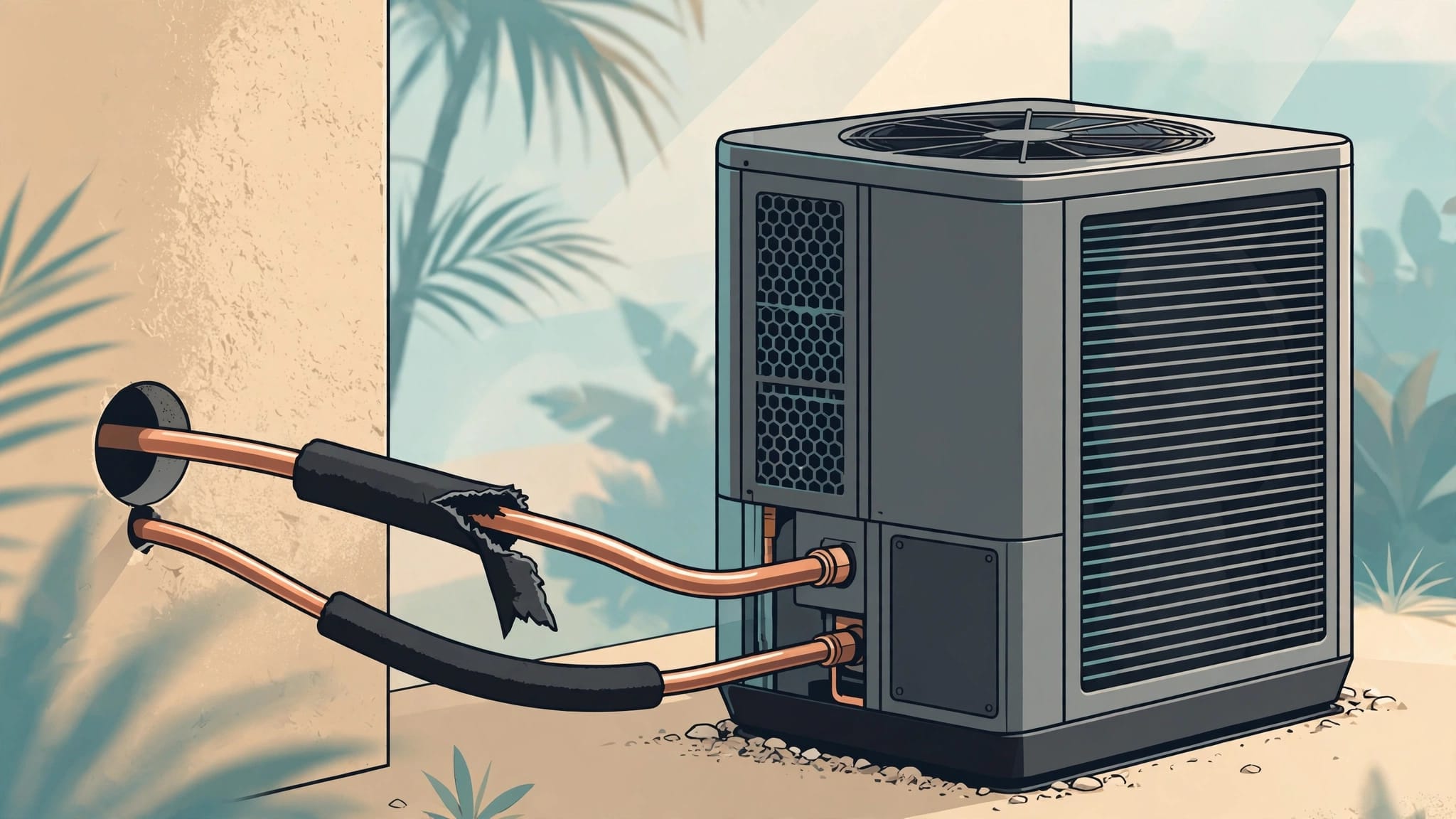
Ice is another warning sign. Frost or ice on the outdoor refrigerant lines, indoor coil, or cabinet can result from restricted airflow, low refrigerant, or another fault. Turn the system off and arrange an inspection instead of trying to wash the ice away.
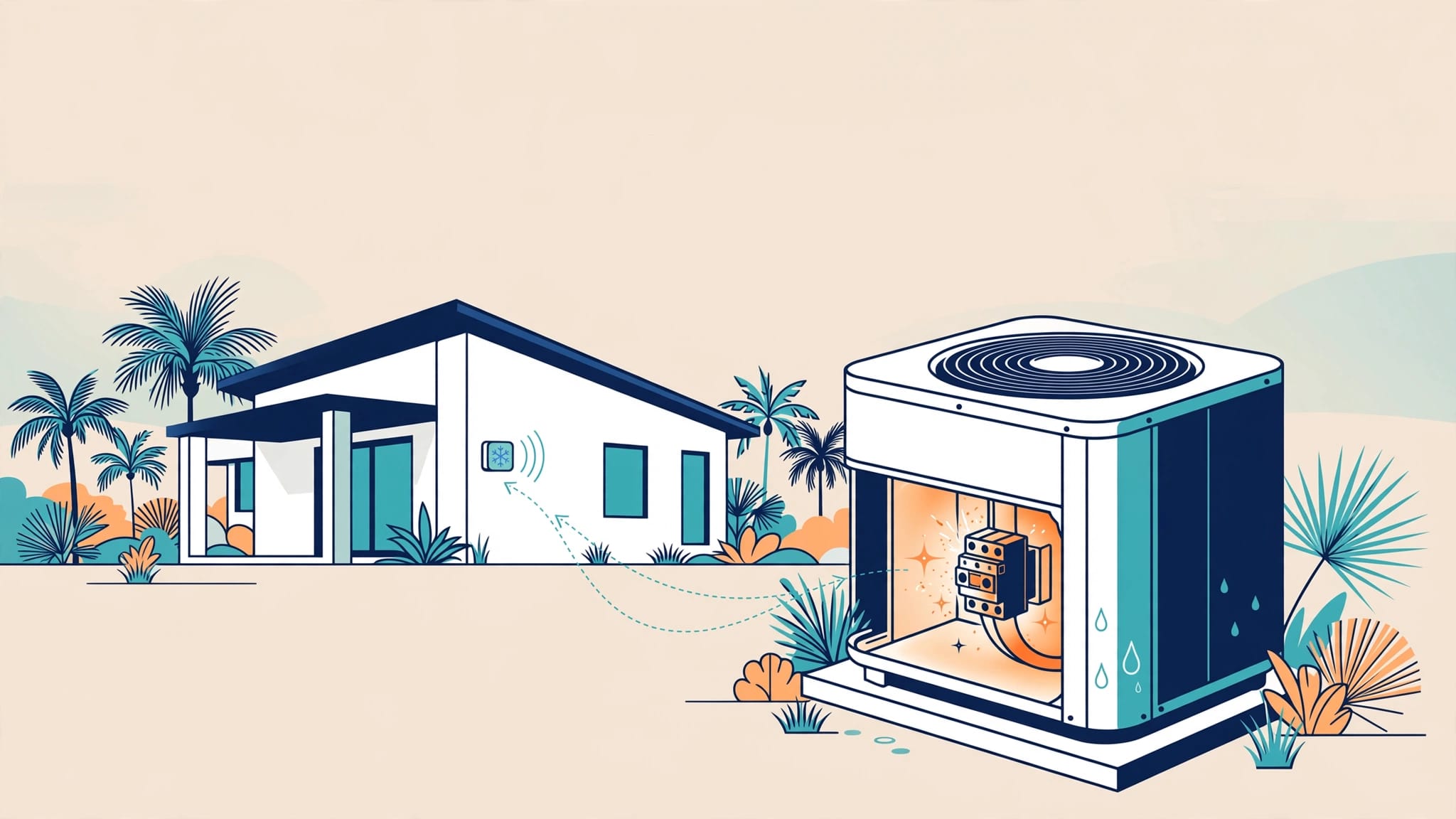
Electrical concerns require immediate caution. Burning smells, buzzing, sparks, exposed wires, a damaged disconnect, repeated breaker trips, or a fan that won't start are reasons to keep the unit off. Don't remove a cover to diagnose the issue.
Unusual noises also deserve attention. Grinding, scraping, loud rattling, and repeated clicking may indicate a motor, fan blade, contactor, or compressor problem. Running the unit during a mechanical fault can increase repair costs.
Schedule professional service when dirt returns quickly after cleaning. Recurring buildup may point to restricted airflow, nearby landscaping, a damaged coil, or a system that needs a deeper inspection.
A trusted HVAC company serving Fort Myers, Babcock Ranch, and nearby Southwest Florida communities can also recommend a maintenance schedule suited to your property's exposure, landscaping, and system age.
Conclusion
A safe outdoor AC rinse starts with one rule: shut off power before water reaches the condenser . Use a garden hose gently on the exterior coil, avoid panels, chemicals, pressure washers, and the top grille, then let the unit drain before restarting it.
Fort Myers weather makes regular visual checks worthwhile, but a rinse has limits. Damaged fins, ice, poor cooling, electrical symptoms, unusual noises, or recurring dirt require a qualified HVAC professional, not more water.
Recent Posts