AC Won't Start After a Florida Power Outage? Safe Steps
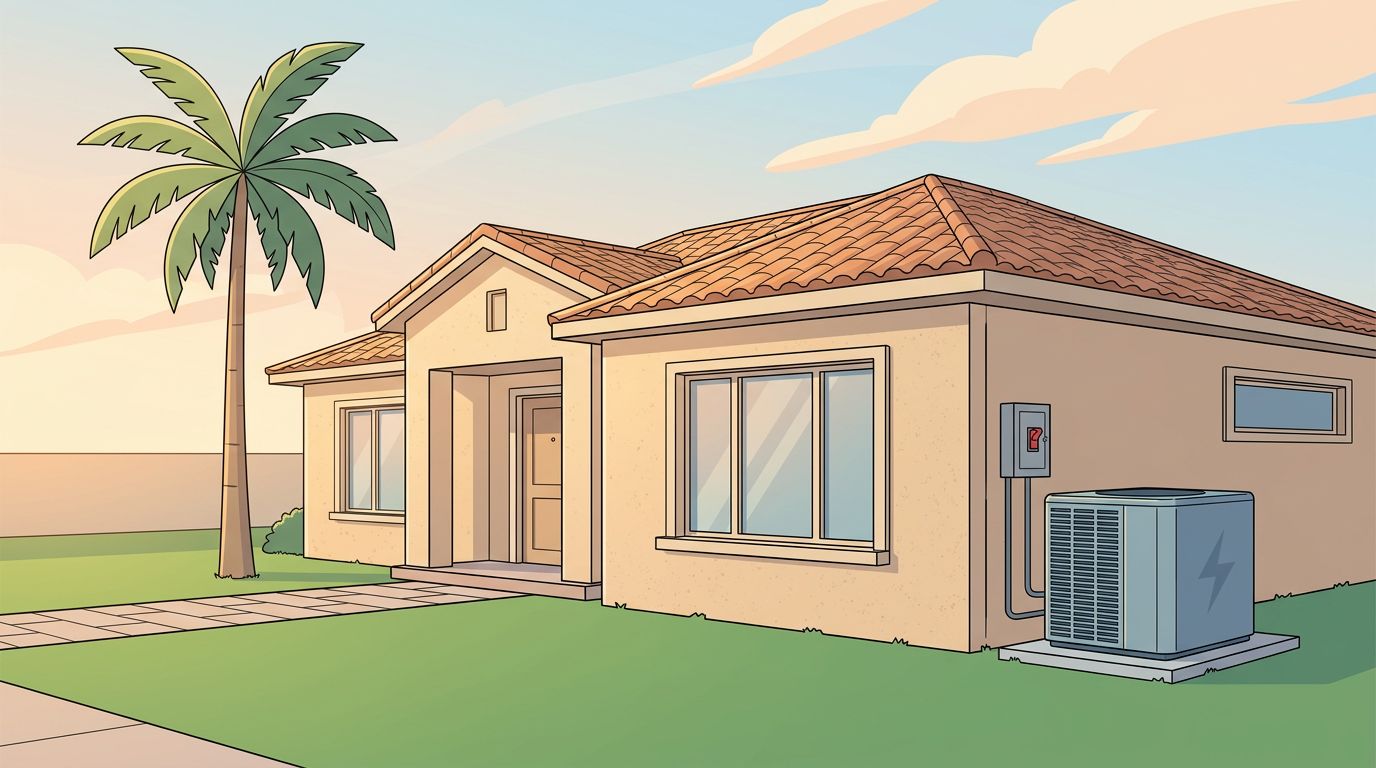
A Florida power outage can leave your air conditioner silent even after the lights come back on. If your AC won't start after a power outage , avoid repeatedly flipping switches or resetting breakers. Those actions can worsen electrical damage or create a safety risk.
Start with simple homeowner checks, then stop if you find a tripped breaker, burning smell, damaged wiring, or signs of water near electrical equipment. The steps below can help you identify the problem safely and keep your Southwest Florida home more comfortable while you wait for service.
Key Takeaways
- Check whether the outage affected only the HVAC system or the entire home.
- Set the thermostat to "Off" before inspecting accessible components.
- Never open an electrical panel or attempt capacitor or contactor repairs.
- A tripped breaker, failed fuse, surge-damaged control board, or condensate switch may require professional HVAC service.
- Reduce heat and humidity while waiting by limiting indoor heat, using fans safely, and keeping doors and windows closed.
Start With Safe Checks After Power Returns
Give the electrical system a few minutes after the utility restores power. Florida outages can involve brief interruptions, voltage fluctuations, or repeated restoration attempts. Your AC may have a built-in compressor delay that keeps it off for several minutes after power returns.
First, check whether other appliances and lights are working. If the entire home remains without power, contact your electric utility. If everything else works but the AC does not, focus on the thermostat, breakers, disconnect, and indoor air handler.
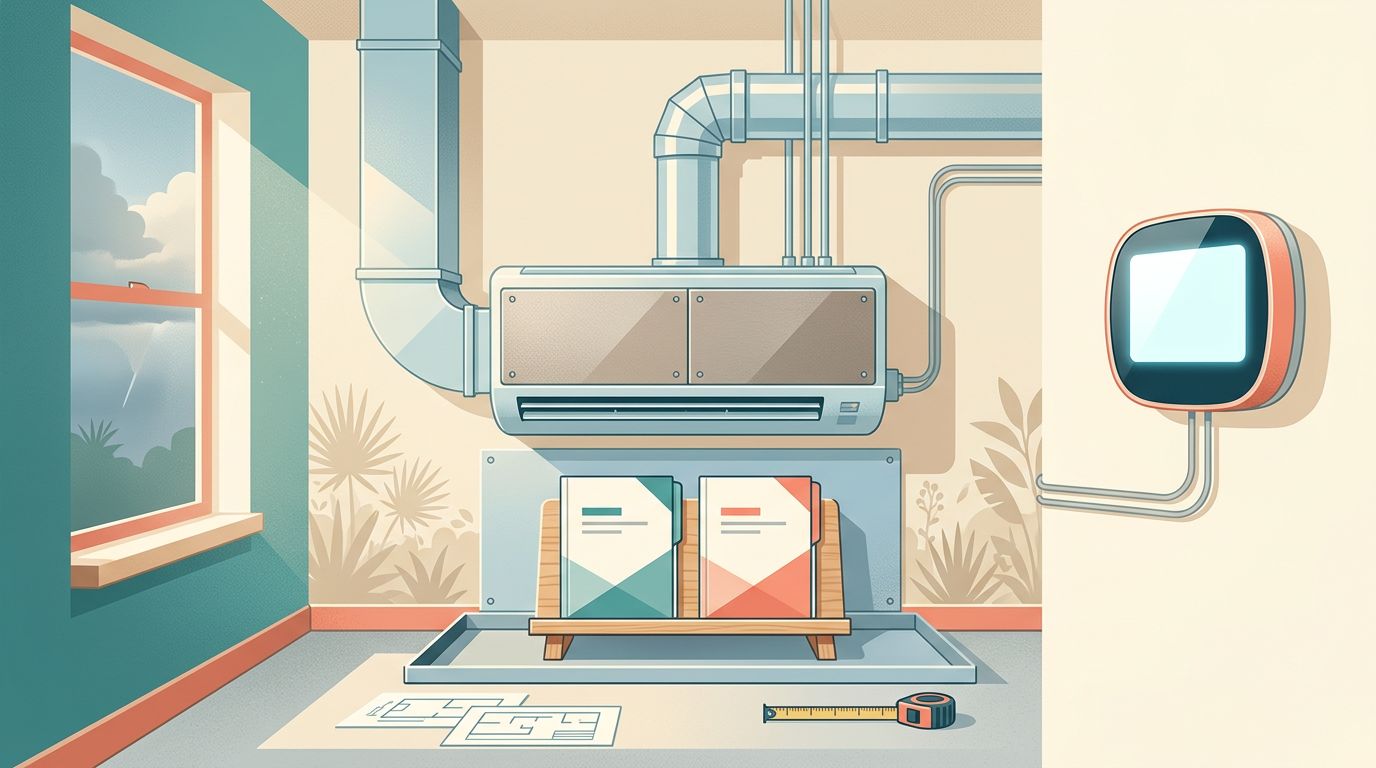
Set the thermostat mode to Off before checking accessible equipment. Then wait about five minutes and set it to Cool. Lower the temperature several degrees below the current indoor temperature. Confirm that the thermostat display works and that its batteries are fresh if it uses batteries.
Next, look at the electrical panel without removing its cover. A breaker may sit slightly out of position after tripping. If you see a breaker that is clearly in the middle or Off position, move it fully to Off once, then back to On. Do not keep resetting it if it trips again.
Check the outdoor disconnect only if it is an accessible homeowner-operated switch. It is usually mounted near the outdoor condenser. A pull-out disconnect or switch can move during storms, but don't remove covers or touch exposed parts. If the disconnect looks damaged, wet, scorched, or loose, leave it alone.
A breaker that trips again is giving you information. Treat it as a warning, not an invitation to try another reset.
If your neighbors also lost power, ask whether their service has fully returned. A partial power problem can affect HVAC equipment even when some lights work. Flickering lights, buzzing, or other unusual electrical behavior calls for an electrician or utility inspection.
Check the Thermostat, Airflow, and Condensate Safety Switch
Once the basic power checks are complete, inspect only components designed for homeowner access. Keep the system turned off while checking the filter, vents, and drain area.
A clogged filter can restrict airflow, but it usually doesn't explain an AC that is completely silent. Still, replace a dirty filter with the correct size. A blocked filter can cause the evaporator coil to freeze and may trigger a safety shutdown after the system starts.
Walk through the house and confirm that supply vents are open. Check the return grille for rugs, furniture, boxes, or heavy dust buildup. These checks won't repair electrical damage, but they remove common airflow problems that can make the system shut down.
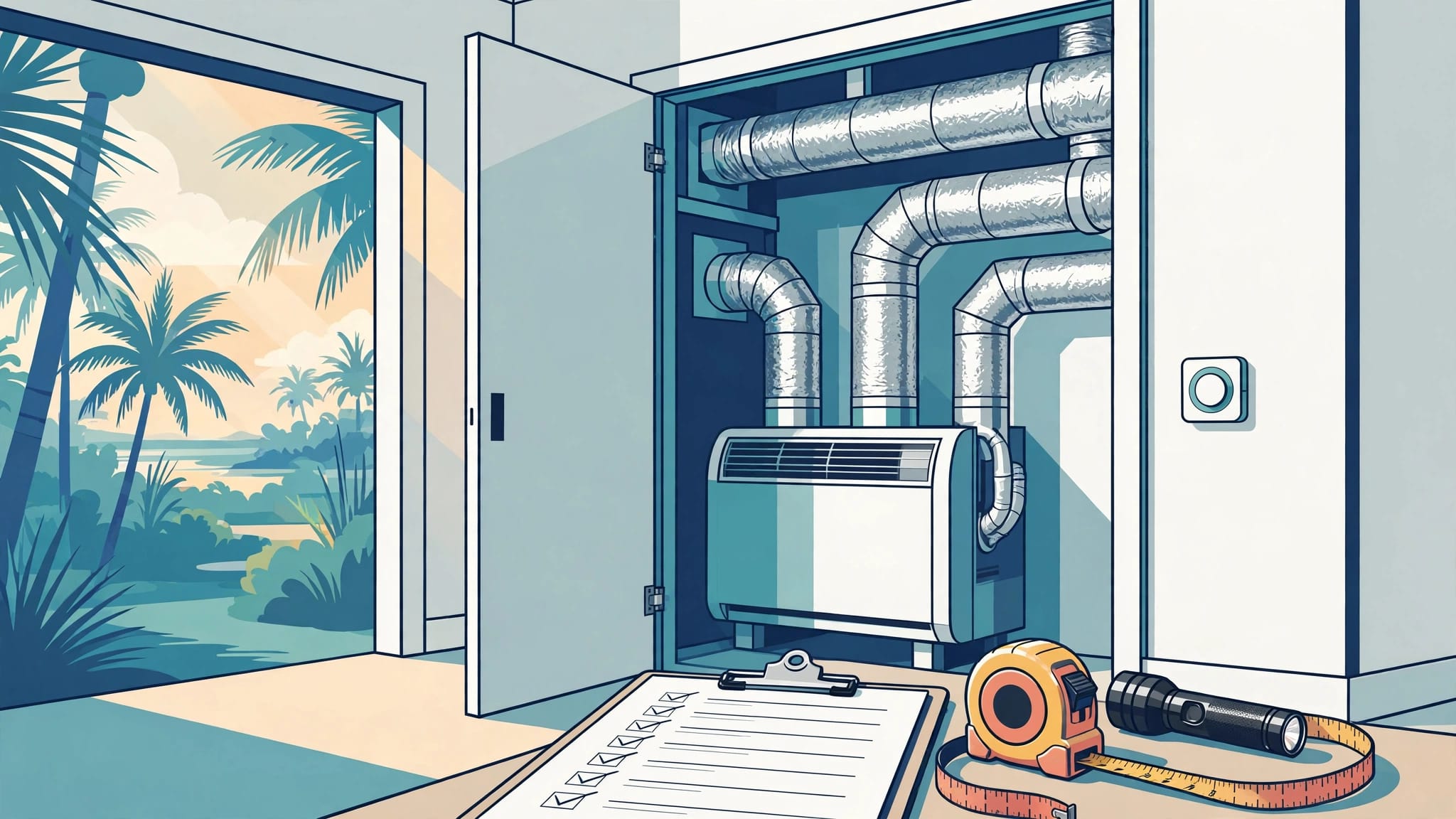
Look near the indoor air handler for a secondary drain pan or a visible drain line. Many Florida systems include a condensate float switch. When water collects because a drain is clogged, the switch can stop the AC to prevent overflow and ceiling damage.
Don't pour chemicals into the drain or reach into the air handler. You can wipe up accessible water and note whether the pan is full, but a technician should clear the blockage and test the safety switch.
A power surge may also damage the thermostat, control board, fuse, or other low-voltage components. The thermostat might show a blank screen, display an error, or appear normal while the indoor unit remains off. Those symptoms need testing with electrical meters and HVAC knowledge.
Homeowner checks are limited to visible, low-risk items:
- Confirm the utility power is back.
- Check the thermostat settings and batteries.
- Inspect the filter and open supply vents.
- Look for visible water around the indoor unit.
- Check for a single tripped breaker without repeated resets.
- Turn the system off and call for service if the issue remains.
Never open a sealed electrical panel. Don't remove the condenser cover, handle wiring, or attempt capacitor, contactor, fuse, or control-board repairs. Capacitors can hold a dangerous electrical charge even when the system is off.
Match the Symptom to the Likely Problem
The sound, display, and location of the failure can help a technician prepare for the visit. However, symptoms don't replace electrical testing.
If the thermostat is blank, start with its batteries if applicable. A blank display can also point to a tripped indoor breaker, blown low-voltage fuse, disconnected wiring, or surge damage. If replacing batteries doesn't restore the display, stop troubleshooting.
A working thermostat with no response from the indoor air handler may indicate a tripped breaker, failed fuse, condensate float switch, damaged transformer, or control-board problem. Water near the air handler makes the drain system more suspicious.
If the indoor blower runs but the outdoor condenser stays off, the outdoor disconnect, breaker, contactor, capacitor, or condenser control circuit may be involved. Don't open the outdoor unit to investigate. A humming condenser that won't start can point to a failed capacitor, which isn't a safe DIY repair.
When the outdoor unit starts and stops quickly, the compressor may be overheating, the system may have a refrigerant problem, or a safety control may be opening. Turn the system off rather than forcing it to run.
A burning odor, smoke, melted plastic, buzzing, sparking, or repeated breaker trips requires immediate shutdown. If you smell burning near the electrical panel, move away from the area and contact a qualified electrician or emergency service. If you see smoke or fire, call 911.
Power restoration can expose weak components that were already near failure. A surge may damage electronic controls, while a sudden return of power can reveal a failing capacitor or contactor. A professional can check voltage, wiring, controls, and refrigerant-related operation without guessing.
For residents in Babcock Ranch, Fort Myers, Cape Coral, Bonita Springs, Estero, Sanibel, and nearby communities, a local HVAC technician can also account for the area's high cooling demand and humidity. Tell the technician when the outage occurred, whether breakers tripped, and what the system did afterward.
Protect Your Home From Heat and Humidity While You Wait
Southwest Florida homes can become uncomfortable quickly after an AC failure. Heat is only part of the problem. Indoor humidity can rise, especially when doors open often or outdoor air enters through gaps.
Keep windows and exterior doors closed as much as possible. Closing blinds or curtains during the sunniest hours reduces heat entering through the glass. Move lamps, televisions, and other heat-producing devices away from occupied rooms, then turn off equipment you don't need.
Use portable fans to improve comfort, but place them on stable, dry surfaces. Keep cords away from standing water and avoid overloading outlets or extension cords. Fans move air across your skin, but they don't lower the room temperature or remove humidity.
Avoid using the oven or stove during the wait. Prepare cold meals when possible, and don't operate heat-producing appliances for long periods. If you have a generator, keep it outdoors and far from doors, windows, and vents. Never connect a portable generator directly to a home's electrical panel without a properly installed transfer switch.
Protect sensitive items from moisture. Keep cardboard, electronics, instruments, and documents off concrete floors and away from exterior walls. Use a dehumidifier only if it can drain safely and operate without overheating the room. Empty its tank often, and never place it near water.
If indoor conditions become unsafe for anyone with heat sensitivity, arrange a temporary location with reliable cooling. Children, older adults, and people with certain health conditions may need relief before an HVAC appointment is available.
Know When Your AC Needs Professional Service
Call an HVAC professional when the system remains off after the thermostat and basic airflow checks, or when a breaker trips again. A technician can test the equipment safely and determine whether the outage caused a control, electrical, drain, or compressor problem.
Request service promptly if you notice:
- A burning smell, smoke, sparks, or melted wiring
- A breaker that trips again after one reset
- A blank thermostat that remains unresponsive
- Water in the drain pan or around the air handler
- Humming, clicking, or buzzing from the outdoor unit
- A condenser that starts and stops repeatedly
- Ice on the refrigerant lines or indoor coil
- Any exposed, wet, or damaged electrical component
Before the appointment, write down the time power returned and whether the system made any noise. Take a photo of an error code or visible water if you can do so without opening equipment. Keep the area around the indoor and outdoor units clear so the technician can work safely.
Ask for a clear diagnosis before approving repairs. A reputable company should explain which component failed, what testing found, and whether the repair restores safe operation. You can also ask whether a surge protector, drain maintenance, thermostat replacement, or regular tune-up makes sense for your system.
Don't let anyone pressure you into opening equipment yourself. Capacitors, contactors, disconnects, and control panels can cause serious injury. Flat-rate pricing and a written repair recommendation can also help you make a decision without guessing at the final cost.
If the AC is older or has experienced repeated electrical failures, compare the repair with the cost and reliability of replacement. A professional can explain both options based on the system's condition, not commission-driven pressure.
Conclusion
When your AC won't start after a Florida power outage, begin with the thermostat, visible airflow issues, and one careful breaker check. Then stop if the breaker trips again, water is present, or you see signs of electrical damage.
Keep the home closed, shaded, and as cool as possible while waiting. Most importantly, leave capacitors, contactors, electrical panels, and sealed HVAC components to a trained professional. A safe diagnosis is worth far more than a risky reset that creates a larger repair.
Recent Posts