AC Rattling Noises in Babcock Ranch: What to Check
A new rattle from your air conditioner can turn a quiet Babcock Ranch evening into a constant distraction. The sound may come from a loose panel, a piece of debris, or a component that needs prompt attention.
AC rattling noises often become louder when the system starts, stops, or changes fan speed. You can perform a few safe checks without opening the equipment, but electrical, refrigerant, and internal mechanical repairs require a trained HVAC professional.
Key Takeaways
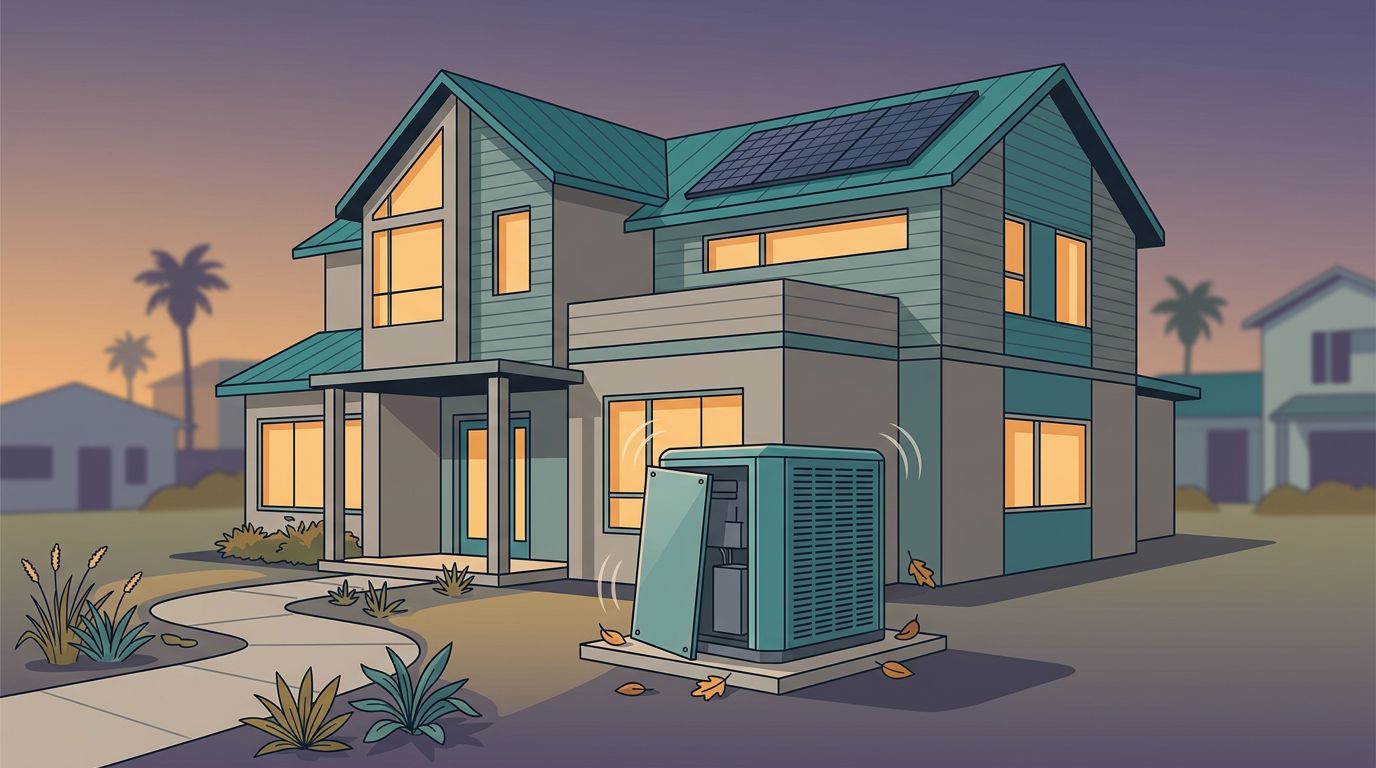
- A rattle from the outdoor unit often points to debris, a loose panel, or a fan-related problem.
- Indoor rattling may come from ductwork, a blower compartment, a filter, or a loose vent cover.
- Turn the system off if you notice smoke, burning odors, electrical smells, refrigerant concerns, or loud metal-on-metal sounds.
- Never attempt electrical, refrigerant, compressor, or internal fan repairs yourself.
- Regular filter changes and professional maintenance can catch loose parts before they cause larger damage.
Start by Finding Where the Rattle Comes From
The location and timing of the sound can provide useful clues. Stand near the thermostat, indoor air handler, and outdoor condenser while the system runs. Keep your hands away from moving equipment and never remove access panels.
Listen for when the rattle begins. A sound that starts immediately at startup may involve a loose cover, blower, or fan. A noise that develops after several minutes can point to vibration, expansion, or a component that shifts as it warms.
| Where you hear it | Possible source | What you can safely check |
|---|---|---|
| Outdoor condenser | Leaves, mulch, loose screws, fan guard, or fan imbalance | Look for visible debris and vibrating panels |
| Indoor air handler | Loose filter, access door, blower issue, or duct vibration | Check filter fit and visible panel movement |
| Supply vent | Loose grille or register | Tighten accessible grille screws |
| Inside a wall or ceiling | Duct movement or a loose duct connection | Note the location and timing for a technician |
| Near the thermostat | Usually not the source, but sound may travel through ductwork | Compare the sound at other equipment locations |
A light buzzing rattle from a grille may be minor. A sharp metallic scraping sound is more serious because a rotating part may be contacting another component. Similarly, a deep vibration that travels through the wall can indicate an equipment or mounting problem.
Try changing the fan setting from "Auto" to "On" for a short test. If the rattle appears only when the indoor fan runs, the indoor equipment or ductwork deserves attention. If it continues when the indoor fan stops, the outdoor condenser or another source may be involved.
Safe Troubleshooting Steps for Homeowners
Begin with the thermostat. Set the system to "Off" and wait for the equipment to stop completely. Then inspect the areas around the indoor and outdoor units without removing covers or reaching inside.
At the outdoor condenser, clear leaves, twigs, grass clippings, and other loose material from the surrounding area. Maintain open space around the unit so airflow can move freely. Never push objects through the grille. Even when the system is off, the fan and electrical components can create a hazard if you reach inside.
Check whether the cabinet panels visibly shake while the system runs. A loose panel can create a fast, tinny rattle. You may tighten an easily accessible exterior screw if the panel is designed for homeowner access, but stop if you need to remove a service panel or electrical cover.
Inside the home, check the air filter. A filter that sits loosely in its slot can vibrate when the blower runs. A heavily loaded filter can also restrict airflow and increase strain on the system. Replace it with the correct size and type listed on the filter frame or equipment documentation. Don't force a filter into a slot that doesn't fit.
Inspect accessible supply registers and return grilles. A loose grille can rattle against drywall or the surrounding trim. Tighten its visible screws carefully, and stop if the noise continues after the grille feels secure.
You can also listen with the system off. Gently press the outside of an accessible duct cover or register grille. If the noise occurs only when airflow starts, note the exact location. Don't tape, bend, or seal ductwork unless you know the material and connection need repair.
Turn off the system and seek professional help for electrical smells, smoke, burning odors, loud metal-on-metal sounds, refrigerant concerns, or a breaker that trips.
Never open the air handler, condenser, capacitor compartment, or refrigerant circuit. Those areas contain electrical parts, moving components, and pressurized refrigerant. A thermostat setting or filter check is appropriate for a homeowner. Internal repairs are not.
Why Babcock Ranch Conditions Can Affect AC Noise
Air conditioners in Babcock Ranch work through long, demanding cooling seasons. Southwest Florida heat and humidity keep systems running for extended periods, so a small vibration may become noticeable after many hours of operation.
Outdoor units also collect material from their surroundings. Grass clippings, palmetto debris, leaves, and small twigs can enter the space around the condenser coil or fan guard. A piece of debris may tap against the grille, while buildup can affect airflow and make the fan work harder.
Heavy rain creates another source of temporary noise. Water can move debris around the condenser pad or leave wet leaves near the cabinet. After a storm, inspect the area around the unit once conditions are safe. Don't spray water into the cabinet or attempt to wash the coil while the system is operating.
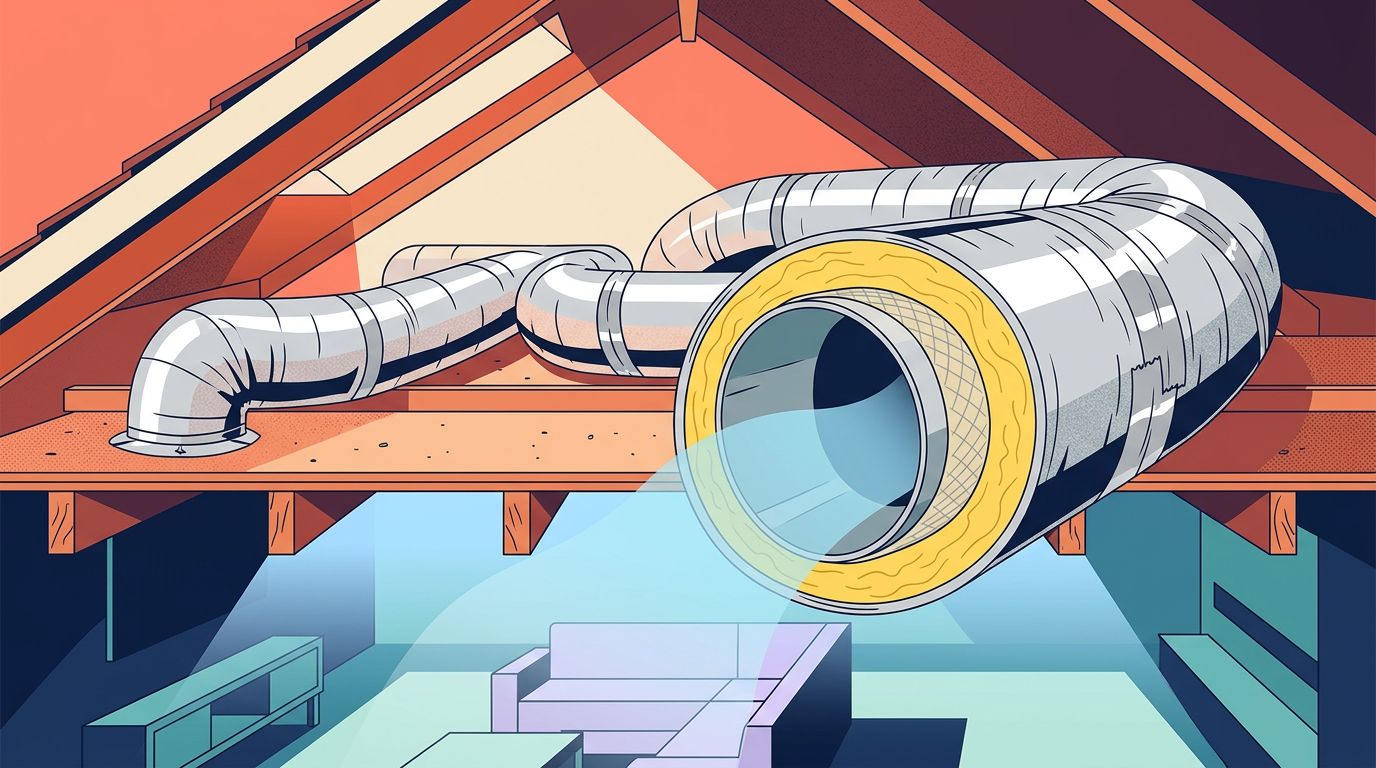
Humidity can also make ductwork and registers more noticeable. Metal ducts expand and contract as temperatures change. Loose straps, undersized supports, or a connection that has shifted can produce tapping or rattling sounds when the blower starts.
Homes near active landscaping or construction may experience more airborne dust and debris. That material can affect filters and outdoor equipment. A clean filter and clear condenser area help, but repeated noise still needs a proper inspection when the source isn't obvious.
When AC Rattling Needs Professional Service
Some sounds call for service instead of further troubleshooting. Contact an HVAC technician when the rattle is loud, persistent, or getting worse. A technician can inspect the blower assembly, condenser fan, motor mounts, electrical components, duct connections, and cabinet fasteners safely.
A metal-on-metal scraping or grinding sound deserves prompt attention. Continuing to run the system may damage a fan blade, motor, blower wheel, or other component. Turn the system off if the sound is severe.
Call for help when you notice any of these conditions:
- The breaker trips when the air conditioner starts.
- The unit produces smoke, a burning odor, or an electrical smell.
- The outdoor fan appears to wobble or strike the protective grille.
- Ice forms on the refrigerant line or indoor coil.
- You hear hissing near the equipment and cooling has declined.
- The rattle comes with weak airflow, warm air, or repeated short cycles.
- Water appears near the air handler along with unusual noise.
- The system stops and restarts without reaching the thermostat setting.
Ice and hissing can point to a refrigerant or airflow problem. Don't touch the refrigerant lines, scrape away ice, or add refrigerant. Refrigerant work requires proper equipment and training, and the source of a leak must be identified before the system receives a charge.
A tripped breaker is also a warning, not an invitation to reset it repeatedly. One reset may be reasonable only if there is no smoke, odor, or visible damage. If the breaker trips again, leave the system off and arrange professional service.
For homeowners who need local help, Sunset Gulf HVAC provides residential air conditioning repair in Babcock Ranch and nearby Southwest Florida communities. Ask the technician to identify the noise source, explain the repair, and provide pricing before work begins.
Preventing Future Rattling and Vibration
Routine maintenance can catch loose fasteners, worn mounts, dirty blower components, and airflow problems before they create a loud rattle. During a professional tune-up, the technician should inspect both the indoor and outdoor equipment, check electrical connections, examine moving parts, and verify system operation.
Replace the filter on a schedule that matches your home's conditions. Homes with pets, renovation dust, or frequent outdoor activity may need more frequent changes. Use the filter size recommended for the equipment, since an incorrect filter can leak air or restrict airflow.
Keep plants, stored items, and yard debris away from the outdoor condenser. Trim vegetation so it doesn't touch the cabinet or interfere with airflow. After storms, check for branches and debris near the unit, but wait until the area is safe and dry.
Pay attention to small changes. A short rattle at startup may become a constant vibration if a loose fastener continues to move. Write down when the noise occurs, where you hear it, and whether cooling changes. A short recording from a safe distance can also help a technician identify the problem.
If your system receives regular professional care, ask about a maintenance plan that includes priority scheduling and tune-ups. Consistent service is especially useful during Southwest Florida's long cooling season.
Conclusion
A rattling air conditioner doesn't always mean a major repair, but the sound shouldn't be ignored. Start by locating the noise, checking the filter, clearing visible debris, and inspecting accessible grilles and panels.
Turn the system off and seek professional help for electrical smells, smoke, burning odors, refrigerant concerns, loud metal-on-metal sounds, or a tripped breaker . With safe troubleshooting and timely service, you can protect your equipment and keep your Babcock Ranch home comfortable.
Recent Posts