
Sunset Gulf HVAC • June 13, 2026

Why Fort Myers AC Vents Smell Musty

Share this article

Why Fort Myers AC Vents Smell Musty

A musty smell from your AC vents is more than a nuisance. In Fort Myers, it often means your system is dealing with moisture it should have removed but didn't.

That smell usually shows up when humidity, dust, and water build up inside the system. Because Southwest Florida stays damp for much of the year, musty AC vents are a common problem in local homes. The good news is that the cause is usually easy to trace once you know where to look.

Why Fort Myers humidity makes AC odors worse

Fort Myers air carries plenty of moisture, especially for long stretches of the year. Your AC pulls that humid air across a cold evaporator coil, where water condenses and drains away. When everything works right, that process helps dry the air and keep your home comfortable.

Problems start when moisture lingers inside the system. Dust on the coil, a clogged drain line, or weak airflow can leave damp spots behind. Those spots become a resting place for mildew and bacteria, and the smell travels through your vents the next time the fan runs.

Cooling cycles matter too. Short cycles may not run long enough to remove enough moisture. Long cycles can keep wet surfaces inside the unit for extended periods. Either way, the result can be the same, a stale, damp odor that seems to come from nowhere.

In humid homes, the smell often comes from trapped moisture, not the vent itself.

That's why the odor can be strongest on muggy days or right after the system starts. The vent is only the messenger. The real issue usually sits deeper in the system.

The most common causes hiding inside the system

Several parts of your AC can create a musty smell. Some problems are small. Others point to buildup that needs attention fast.

Dirty filters are a top culprit. When a filter stays clogged, airflow drops and dust collects on indoor parts. That extra dirt can hold moisture and make the odor more noticeable.

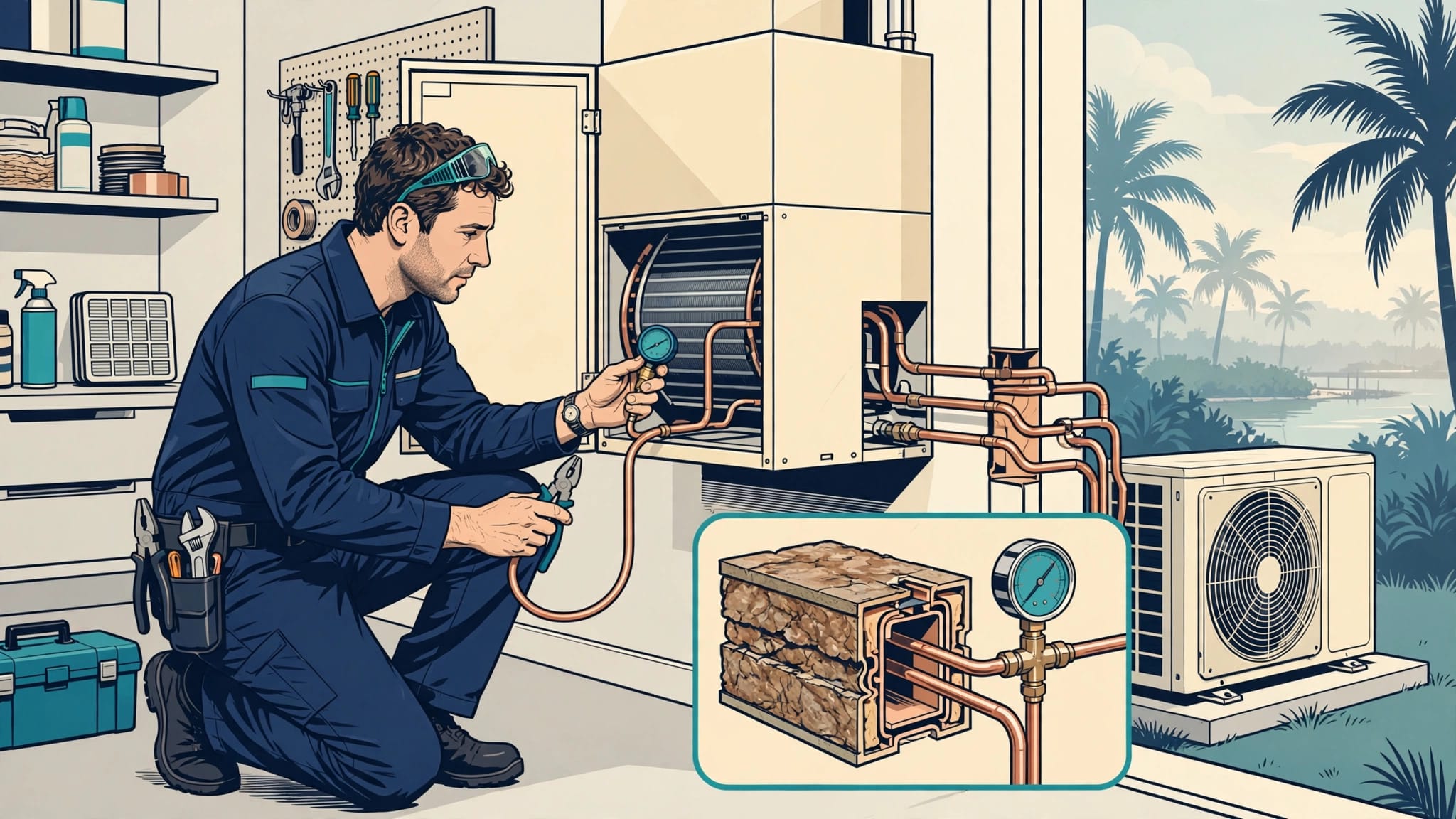
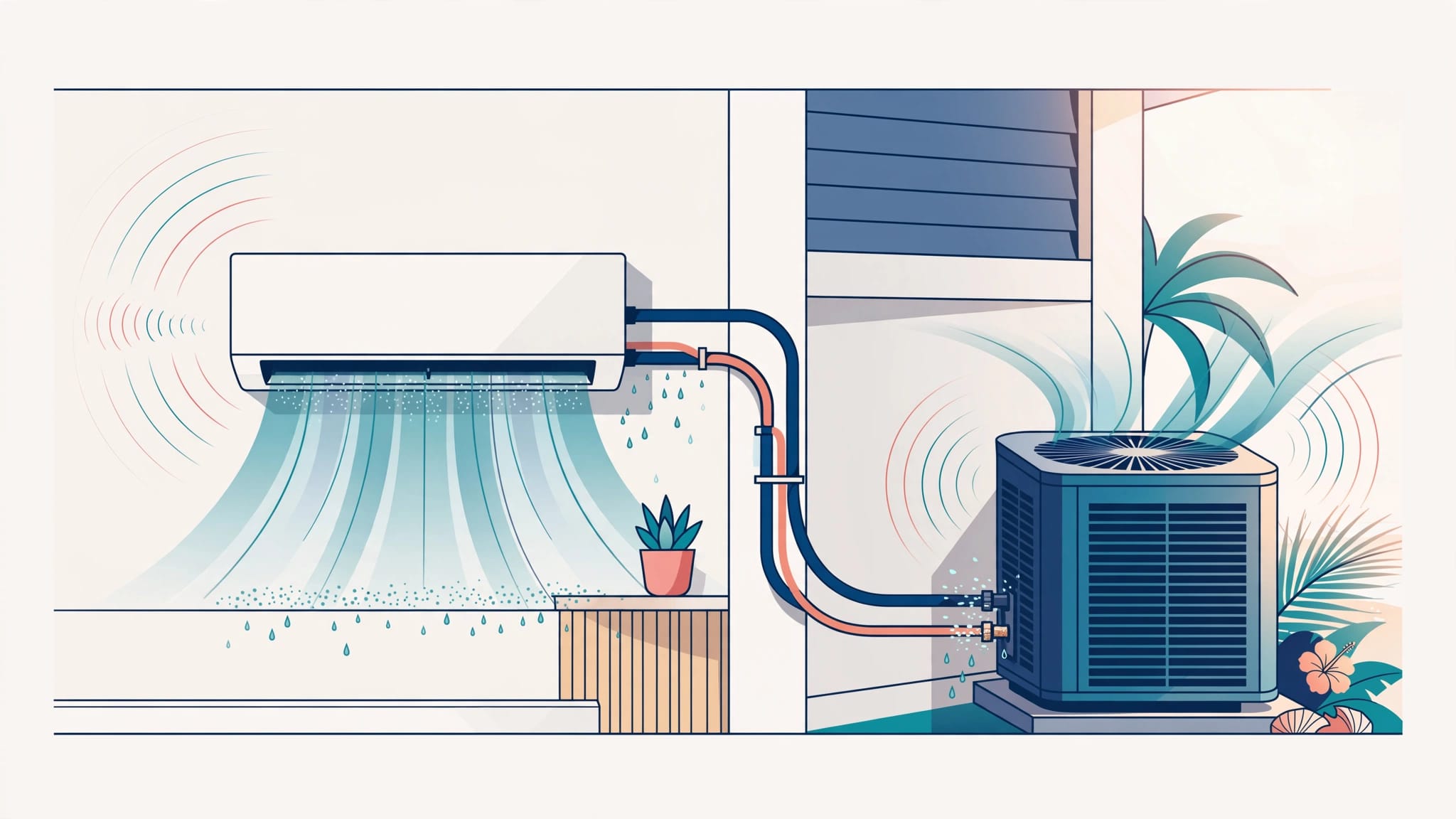
The condensate drain line is another frequent trouble spot. This line carries water away from the unit. If it clogs with algae or sludge, water can back up and leave a damp smell near the air handler.

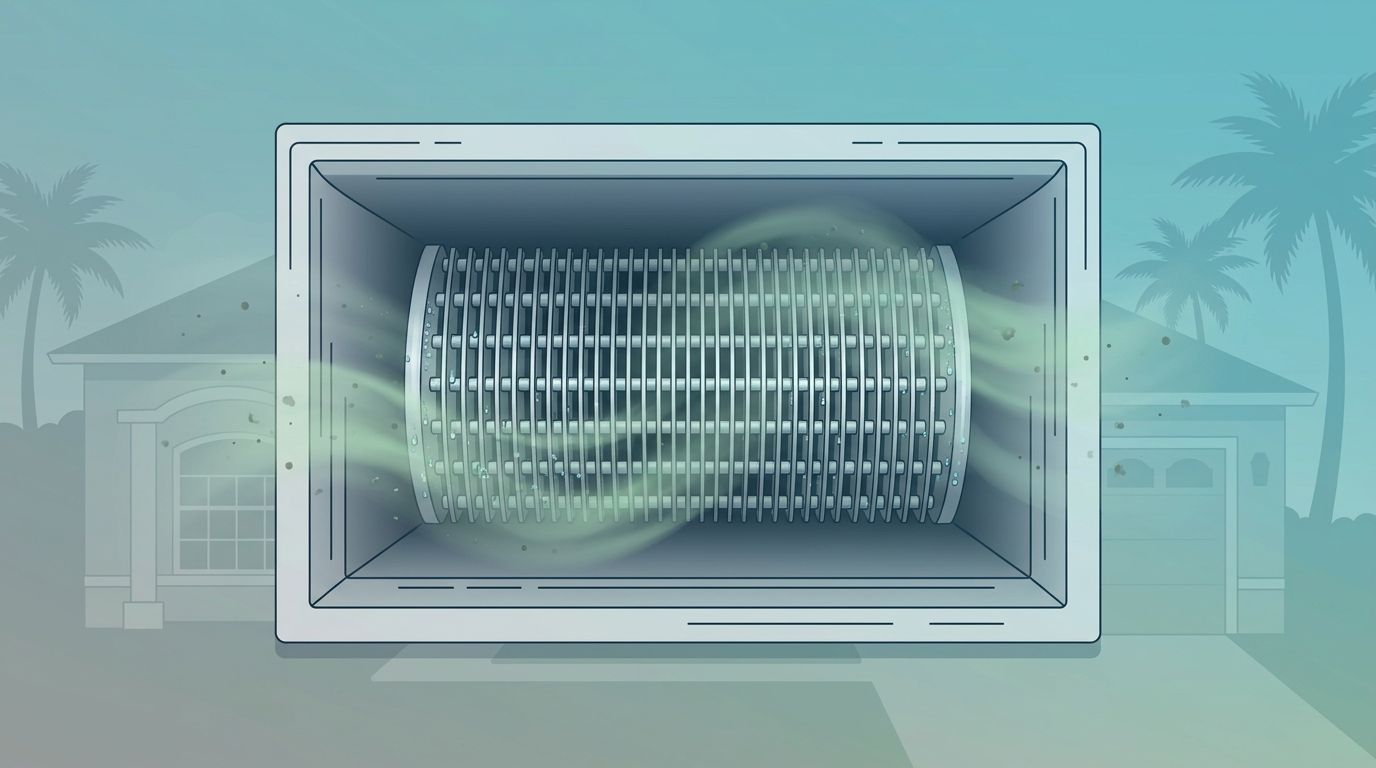
A dirty evaporator coil can do the same thing. The coil sits cold and wet during cooling. If dust sticks to it, the surface can stay damp longer than it should.

Duct issues can spread the smell through the whole house. Wet insulation, dust inside the ducts, or past water damage can make odor return even after you change the filter. In that case, the smell may hit one room harder than another.

A few causes are less common but still important:

  • Mold growth can form where moisture stays trapped.
  • Standing water in the drain pan can sour the air.
  • Poor ventilation can keep indoor humidity high.
  • Old insulation around the air handler can hold odors.

If the smell is sharp, fishy, smoky, or chemical, don't assume it's mildew. Those scents can point to other problems that need quick service.

Safe DIY checks you can do at home

Start with the easiest items first. You don't need to open sealed parts or touch wiring to spot many problems.

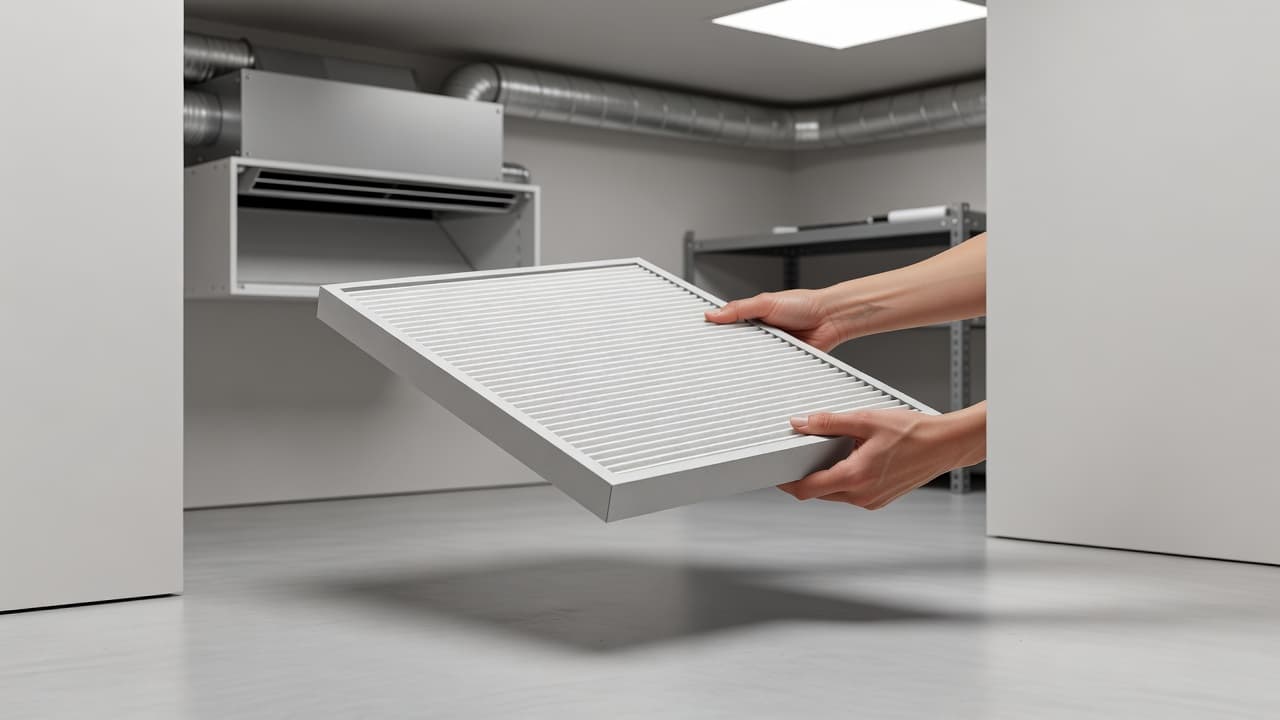
Check the filter and replace it if it looks gray, dusty, or bent. In Fort Myers, many homes need more frequent changes because the air carries more moisture and fine debris. If you have pets or run the system often, the filter may need attention even sooner.

Next, look at the area around the indoor unit. A clean drain pan should not hold standing water. If you see water pooling, that is a sign the drain line may be slow or blocked.

You can also inspect visible supply vents and return grilles. Heavy dust, dark spotting, or a damp feel can point to airflow problems. Wipe the grille with a dry cloth and see whether the smell gets better or worse after the next cooling cycle.

Listen to the system when it starts. If the fan sounds weak or the air feels softer than usual, low airflow may be part of the problem. That can let moisture hang around inside the unit.

Keep these checks safe and simple. Do not spray chemicals into the system, remove sealed panels, or try to clean the evaporator coil yourself unless you know the equipment well. That can make the issue worse.

Simple ways to keep musty odors from coming back

Prevention works best when you focus on moisture control. In this climate, that means helping the AC dry the air the right way.

Change filters on a regular schedule. A clean filter helps the system breathe, which improves airflow and reduces the chance of damp buildup. Mark the date on the frame so you don't lose track.

Keep indoor humidity in a healthy range. A whole-home dehumidifier can help if your house feels sticky even when the AC is running. A good thermostat setting matters too, since very short cooling cycles may leave the home cool but still humid.

Schedule routine AC maintenance before the heavy cooling season. During a tune-up, a technician can inspect the coil, flush the drain line, check refrigerant levels, and look for signs of moisture trouble. That kind of visit helps catch odor problems before they spread.

Keep the drain line clear. If your system has a clean-out point, ask a technician how to use it safely. A blocked line can cause water to back up and create a smell that keeps returning.

Also, pay attention to your home itself. Leaks under sinks, wet attic insulation, and poor bath fan use can raise indoor humidity. The AC has to work harder when the rest of the house stays damp.

A few habits make a real difference:

  • Run bath fans during and after showers.
  • Keep closet doors open a bit if vents are inside them.
  • Replace damaged return grilles or crushed ducts.
  • Avoid setting the thermostat so low that the system short-cycles.

These steps won't fix a deep odor problem on their own, but they can stop the smell from returning after a repair.

When a musty smell needs professional service

Some odors are more than a maintenance issue. If the smell keeps coming back after a filter change and basic cleaning, the problem may be inside the coil, drain system, or ducts.

Call for service if you notice visible mold, repeated water leaks, or dark stains around the air handler. Those signs usually mean moisture has been present long enough to cause growth. The sooner that gets inspected, the better.

Electrical smells need fast attention. A burning odor, hot metal smell, or buzzing sound should not be brushed off as a vent issue. Turn the system off and have it checked.

Persistent odors after a tune-up can also point to duct contamination. Dust, old insulation, or hidden moisture in the ductwork can keep spreading the smell through the house. That's not something a filter change will solve.

If the smell seems tied to one room, the problem may be local. A damaged duct, wet register boot, or insulation issue can affect a single area while the rest of the house smells fine.

Professional service is also the right call when you want a full indoor air quality check. A trained technician can trace the source instead of guessing at it.

Conclusion

A musty AC smell in Fort Myers usually starts with moisture, then grows stronger when dust, weak airflow, or a clogged drain line join the mix. The smell can seem random, but it often follows a pattern tied to humidity and cooling cycles.

Simple steps, like changing filters, controlling indoor moisture, and keeping drain lines clear, can prevent many odor problems. When the smell stays, gets worse, or comes with mold, water, or electrical warning signs, professional service is the next move.

Your vents may be the place you notice it first, but the fix starts deeper in the system.

Recent Posts

By Sunset Gulf HVAC June 12, 2026
An air conditioner that starts and stops every few minutes is not doing normal work. In a Cape Coral home, that pattern can raise your power bill, leave the air sticky, and wear out parts faster than you expect. Short cycling often begins with a small issue, then grows into a...
By Sunset Gulf HVAC June 11, 2026
A frozen AC in a Fort Myers summer feels backward, but it happens more often than most homeowners expect. The air outside can be blistering, yet the coil inside your system can still turn into a block of ice. When an AC is freezing up in Fort Myers, the cause is usually airflo...
By Sunset Gulf HVAC June 10, 2026
If your AC runs all day in Babcock Ranch, the problem may not be a mystery. Southwest Florida heat, humidity, and a few small system issues can keep a unit working long after it should have cycled off. A thermostat set too low, a clogged filter, or a hidden duct leak can stret...