AC Burning Smell in Lehigh Acres: Safe Next Steps
An AC burning smell can mean something minor, such as dust heating on a newly used system. It can also point to an electrical failure that needs prompt attention. In a Lehigh Acres home, where air conditioners often run for long hours, don't ignore an unfamiliar odor coming from the indoor unit, vents, or outdoor condenser.
Turn the system off if the smell is strong, persistent, or resembles burning plastic. Smoke, sparks, tripped breakers, or visible damage require immediate action before anyone investigates the equipment. Start with these safe steps, then arrange professional service when the odor doesn't clear quickly.
Key Takeaways
- Turn off the AC when you notice smoke, sparks, burning plastic, or a strong electrical odor.
- A brief dusty smell can occur during the first startup after a long period of disuse.
- Don't remove electrical panels or test damaged wiring yourself.
- Persistent odors often point to failing components, restricted airflow, or an overheating motor.
- Professional AC repair is the safest choice when the smell returns or comes with unusual noises or poor cooling.
What an AC Burning Smell Can Mean
The source and timing of the smell provide useful clues, but they don't replace an inspection. A mild dusty odor may appear when a system starts after sitting unused. Dust can collect on heat-producing components and burn off within a short time.
That situation is different from a sharp electrical odor. Burning plastic, hot insulation, or a scent similar to overheated wires can indicate a loose connection, damaged wiring, a failing capacitor, or a motor that is drawing too much power. These problems can worsen while the system continues running.
A musty odor usually points to moisture, a dirty filter, a wet drain pan, or biological growth near the coil or ductwork. It isn't the same as a burning smell, although homeowners sometimes notice several odors at once. A clogged filter can reduce airflow, cause parts to run hotter, and add stress to the blower motor.
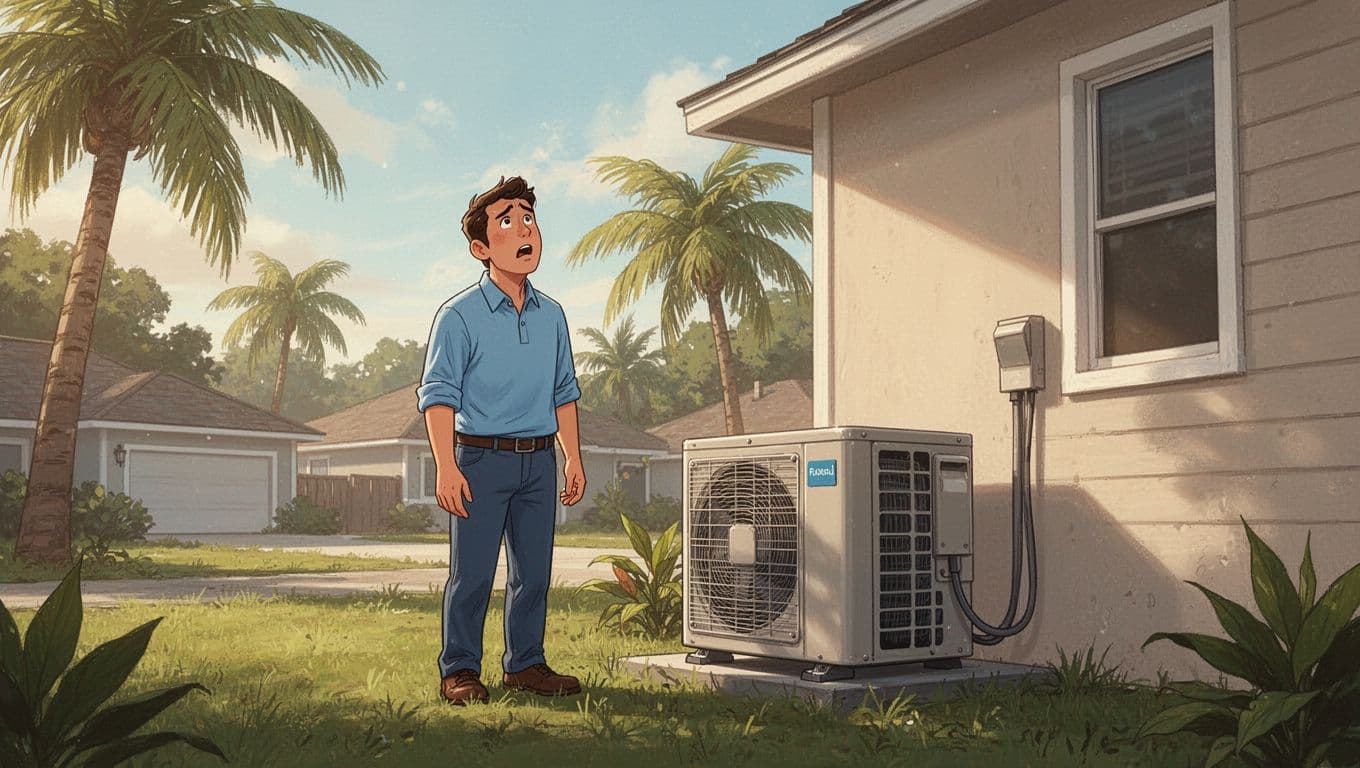
Lehigh Acres' hot, humid weather also keeps cooling equipment under steady demand. Longer run times expose weak electrical connections and worn motors sooner. If the odor appears every time the system starts, treat it as a repair issue rather than a smell to monitor.
A dusty odor that fades quickly may be harmless, but a burning-plastic or electrical smell is a reason to shut the system down.
Safe Steps to Take When You Smell Burning
Follow a simple order of operations. Your goal is to stop the equipment safely, reduce fire risk, and give a technician useful information.
- Turn off the thermostat. Set the system to "Off." Don't keep switching it on to see whether the odor returns.
- Check for smoke or sparks. Look at the vents, indoor air handler, thermostat, and outdoor unit without opening any panels. Move away if you see smoke, flames, or active sparking.
- Switch off the HVAC breaker if it is safe. The electrical panel may be in a garage, utility room, or outside service area. If the panel smells hot, feels warm, shows scorch marks, or makes a buzzing sound, don't touch it.
- Keep people and pets away from the equipment. Don't place your hands near a motor, wiring, or metal panel that may be hot.
- Call for professional help. Tell the company when the smell began, where you noticed it, whether the system was cooling, and if the breaker tripped.
If fire is visible or smoke is spreading, leave the home and call 911. Don't use water on electrical equipment. If the odor remains after the AC is off, ventilate only when you can do so safely, and don't assume the air conditioner is the source until a professional checks it.
Avoid removing access panels. Even after the thermostat is off, some equipment can retain electrical energy. A homeowner can replace an accessible filter, but electrical diagnosis belongs with a qualified HVAC technician.
Common Causes of a Burning AC Odor
Several component problems can create an AC burning smell. The right repair depends on the equipment and the condition of each part.
Dust on heating components
A system that hasn't run for months can release a dusty odor during startup. This often fades after a short period. However, the smell should not grow stronger, produce smoke, or return during every cycle.
Clogged air filter
A dirty filter restricts air moving through the system. The blower may work harder, while the evaporator coil can become too cold and collect ice. When airflow drops, motors and electrical parts can experience extra strain.
Check the filter if you can reach it without opening a service panel. Replace it with the size and type recommended for your system. If the smell continues, shut the AC off and schedule service.
Overheating blower motor
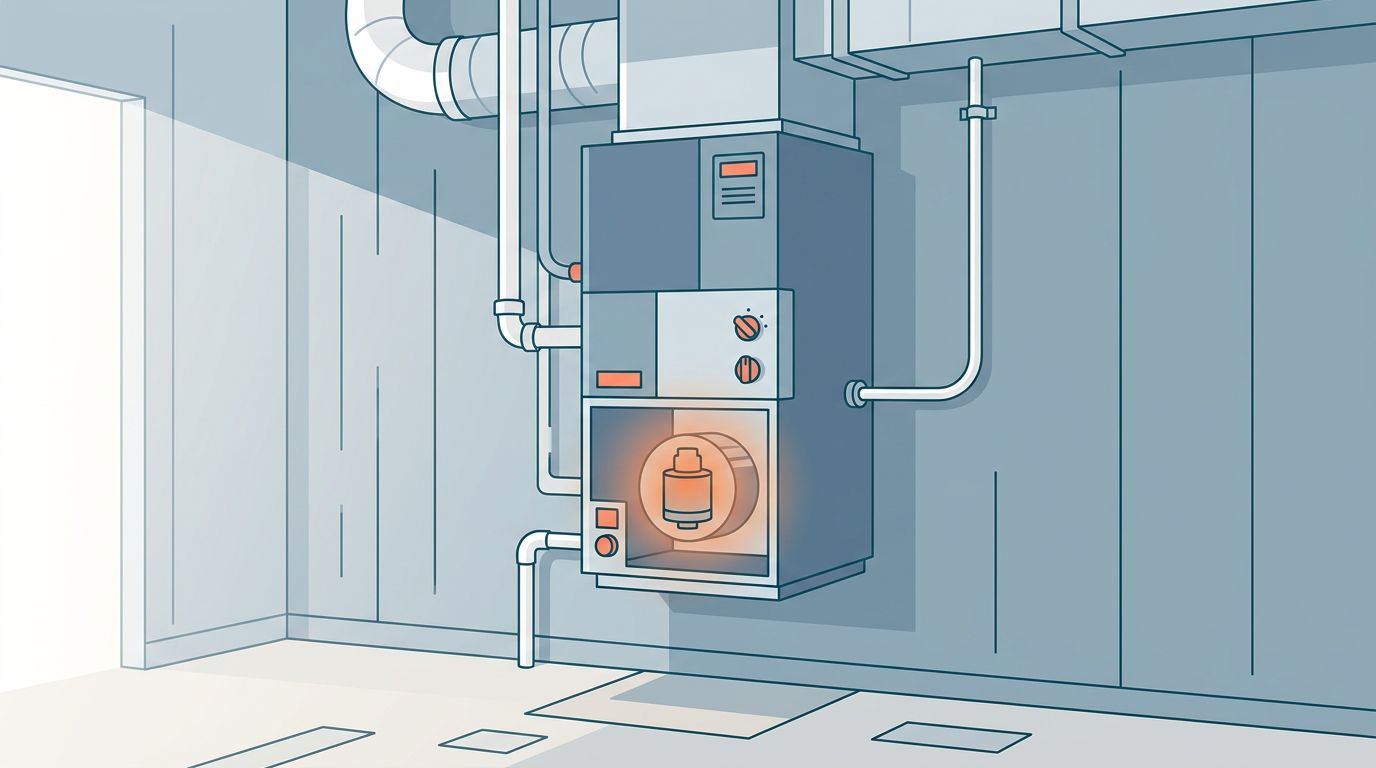
The indoor blower moves cooled air through your rooms. A worn bearing, failing capacitor, blocked airflow path, or motor problem can create a hot electrical odor. You may also hear squealing, humming, grinding, or a change in airflow.
Loose electrical connection
Vibration and age can affect wiring connections. A loose terminal can create resistance and heat, which may damage nearby insulation. This problem requires testing with proper electrical instruments, not a visual check alone.
Failing capacitor or contactor
Capacitors help motors start and run. Contactors control power to major components. When either part begins to fail, the system may buzz, click, struggle to start, or shut off repeatedly. Continued operation can damage the compressor or motor.
Outdoor debris or a stressed condenser
Leaves, grass, and debris can restrict the outdoor unit. A dirty condenser coil makes heat rejection harder, especially during Southwest Florida's hottest weather. The result may be long cycles, higher operating stress, and unusual odors near the condenser.
When to Call for AC Repair in Lehigh Acres
Call promptly when the odor is strong, lasts longer than a brief startup period, or returns after you replace the filter. Schedule service immediately for a burning-plastic smell, smoke, sparking, a tripped breaker, or visible melting around the equipment.
A breaker that trips once deserves attention. A breaker that trips again after reset is a clear reason to leave the system off. Repeated resets can allow a wiring or component problem to continue without fixing the cause.
Poor cooling adds another warning sign. If rooms feel warmer, the system runs constantly, airflow is weak, or ice appears on the refrigerant line, the AC may be under abnormal strain. Running it longer won't solve the underlying problem.
When you contact a technician, share the system's age if you know it. Mention recent repairs, unusual sounds, water near the air handler, and whether the smell comes from a vent or the outdoor unit. These details help the technician prepare for a safer, more focused diagnosis.
For smoke, sparking, repeated electrical shutdowns, or an odor that remains after you turn the system off, use emergency HVAC service rather than waiting for a convenient appointment.
Preventing Burning Odors in Florida Homes
Routine care can catch many problems before they create heat or smoke. Replace the filter on the schedule that fits your home's dust, pets, occupancy, and filter type. A filter that looks dirty before its expected replacement date deserves earlier attention.
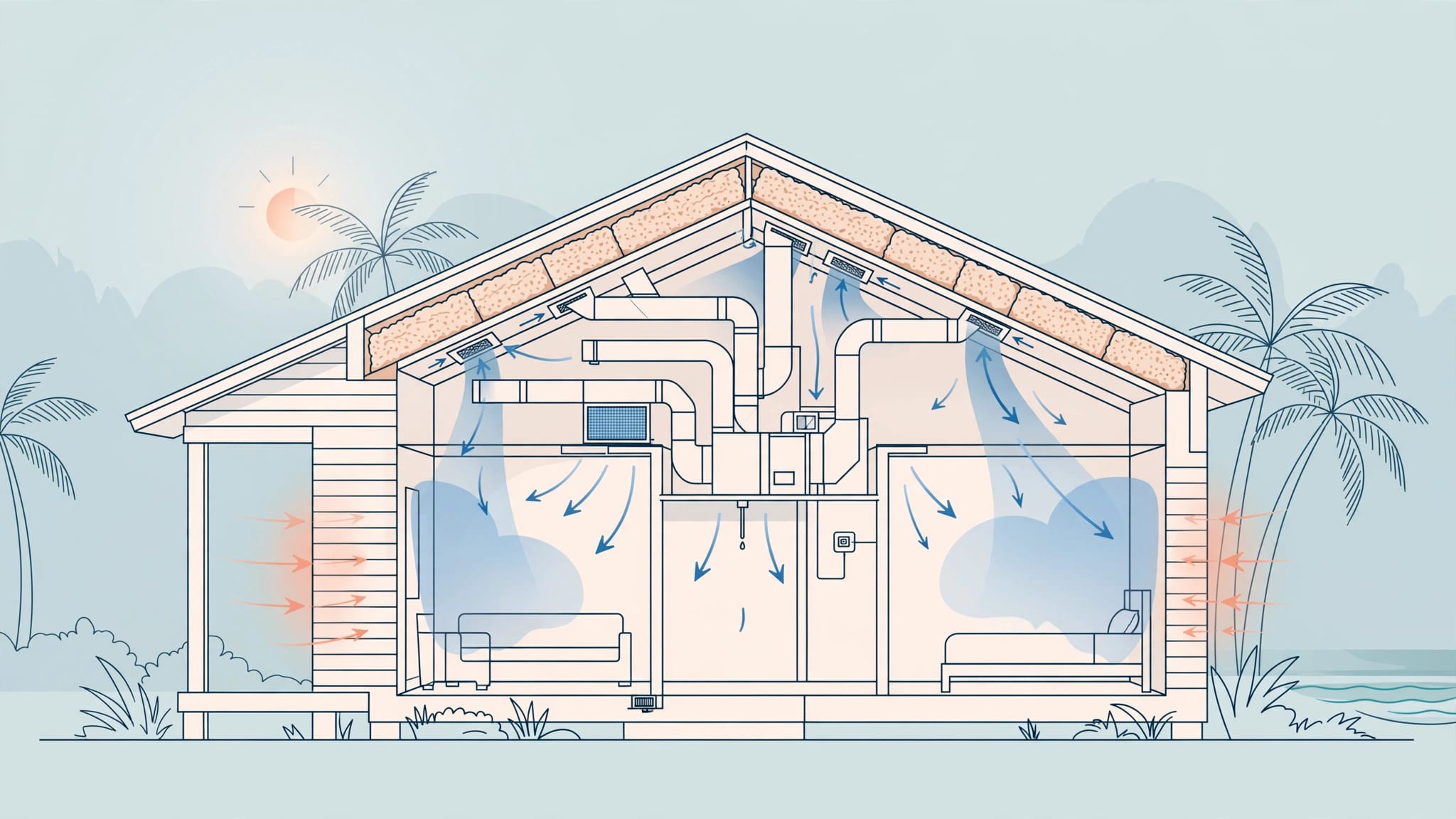
Keep furniture, storage boxes, and curtains away from return grilles and supply vents. Blocked returns reduce airflow, while closed or covered supplies can increase pressure inside the duct system. Make sure the outdoor condenser has clear space around it, and remove loose leaves without bending the coil fins.
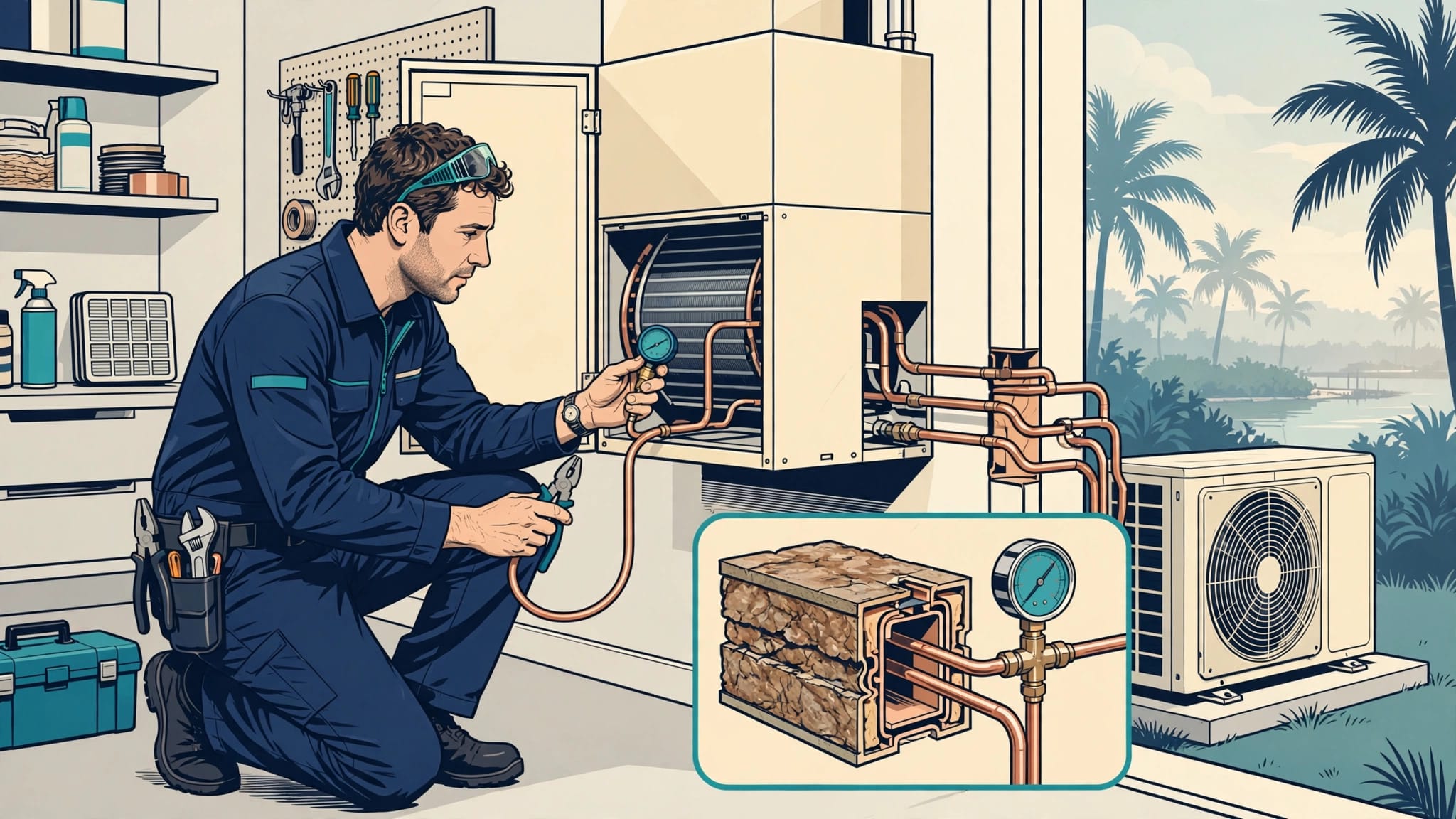
Annual maintenance gives a technician the chance to inspect electrical connections, capacitors, contactors, motors, drain components, coils, and airflow. In a home that depends on cooling through much of the year, two seasonal visits may help identify wear before peak demand.
Sunset Gulf HVAC offers a Comfort Club maintenance membership with scheduled tune-ups, safety checks, drain-line inspection, electrical testing, thermostat calibration, and repair discounts. A maintenance plan won't prevent every failure, but it can reduce the number of neglected problems that become urgent.
Thermostat upgrades and indoor air quality improvements may also help when a home has uneven airflow, excess dust, or persistent odors. Those options should follow a proper inspection, since a new device won't correct damaged wiring or a failing motor.
Why Prompt Diagnosis Matters
A small component problem can affect the rest of the system when the AC keeps running. An overheating motor may damage its wiring. A weak capacitor can leave a compressor struggling to start. A loose connection can heat nearby insulation and create a larger electrical hazard.
Professional service also separates the AC from other possible sources. A burning odor may come from a nearby appliance, outlet, dryer, or electrical panel. If the smell is strongest near the air handler or appears only during an AC cycle, the system becomes a likely source, but a technician should confirm it.
Don't let the need for cooling pressure you into unsafe troubleshooting. Southwest Florida heat makes a failed AC uncomfortable, but opening energized equipment can put you at greater risk. Turn the system off, describe the warning signs, and let a trained professional test the cause.
Conclusion
A brief dusty smell at startup may fade, but an AC burning smell that persists, returns, or resembles hot plastic needs attention. Turn off the system, avoid opening panels, and treat smoke, sparks, tripped breakers, and visible fire as urgent safety concerns.
Regular filter changes, clear airflow, outdoor-unit care, and scheduled maintenance can reduce avoidable strain. When the odor points to an electrical or mechanical problem, prompt professional diagnosis protects your home, your equipment, and the people inside it.
Recent Posts