Can Attic Insulation Cut Cooling Costs in Estero?
Your air conditioner may be working harder because of heat above your ceiling. For homeowners researching attic insulation Estero options, the right upgrade can reduce heat transfer, improve comfort, and help an AC system run for shorter cycles.
Estero homes face intense sun, long cooling seasons, high humidity, and warm attic temperatures. Insulation can help, but only when it has the right depth, coverage, and air sealing. The first step is understanding what insulation can fix and what it can't.
Key Takeaways
- Attic insulation can lower cooling demand by slowing heat transfer through the ceiling.
- Air sealing matters because insulation alone won't stop warm air from entering through gaps.
- Fiberglass, blown-in cellulose, and spray foam suit different attic conditions.
- Duct leaks, poor AC sizing, and humidity problems can still raise energy costs.
- A professional inspection helps identify the upgrade with the strongest return.
How attic insulation Estero Homes Benefit From Works
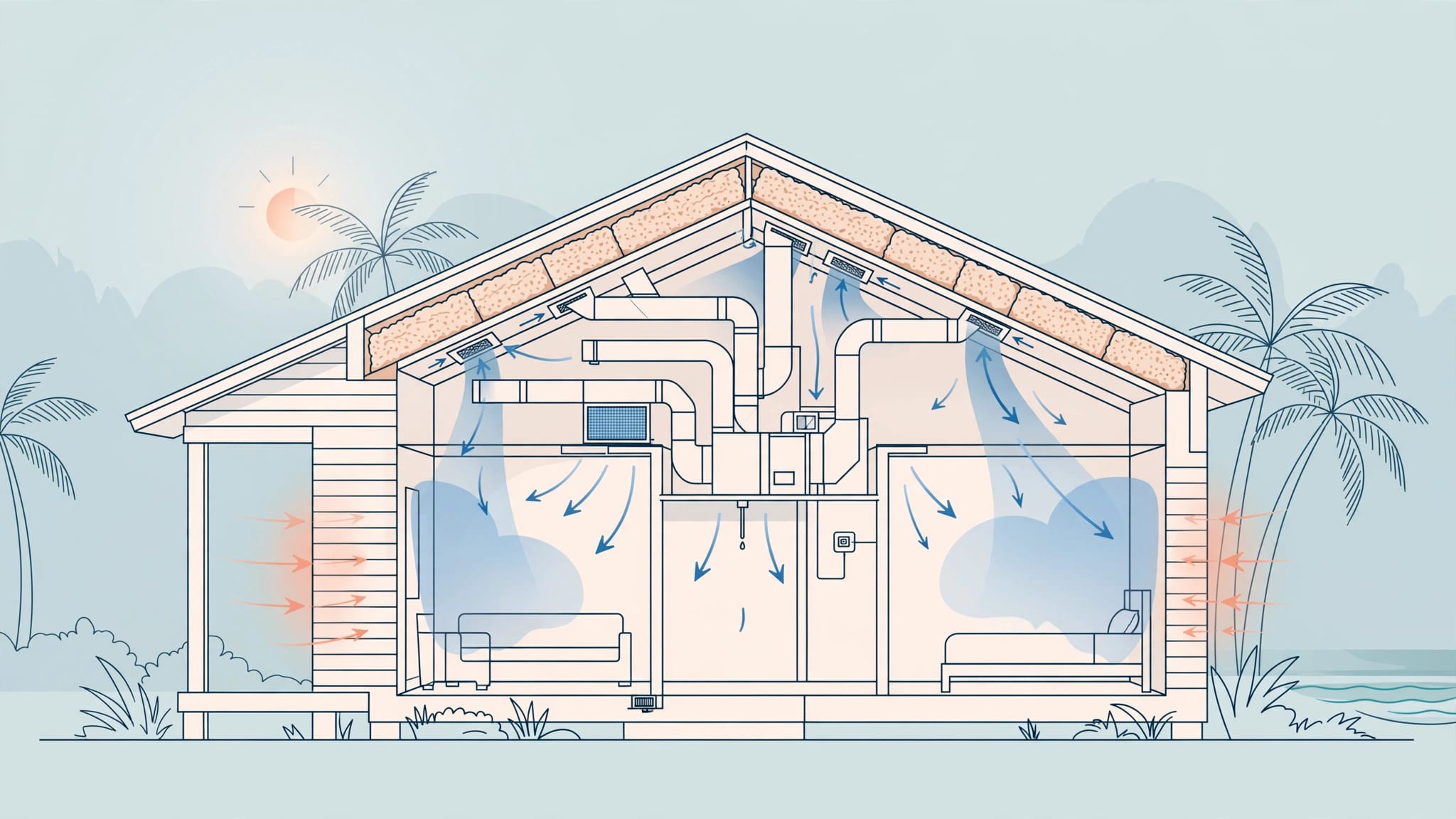
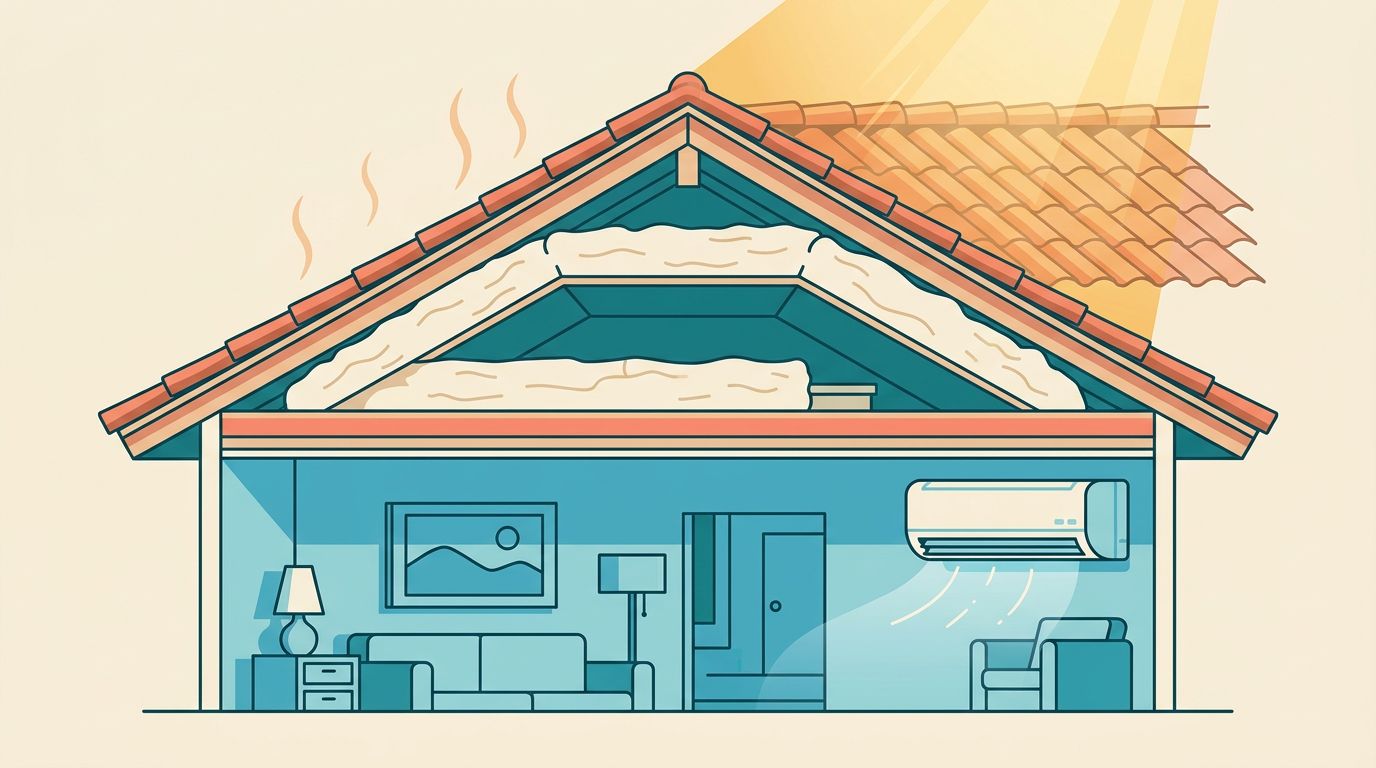
Sunlight heats the roof throughout the day. That heat passes through the roof materials and warms the attic space, sometimes pushing attic temperatures far above the outdoor temperature. Without enough insulation, heat continues moving through the ceiling and into the rooms below.
Your air conditioner then removes that extra heat. The longer it runs, the more electricity it uses. Rooms beneath the attic may also feel warmer, which can cause homeowners to lower the thermostat and increase cooling demand.
Attic insulation slows this process. It creates resistance between the hot attic and the conditioned living space. Insulation doesn't make the attic cold, and it doesn't replace an efficient AC system. Instead, it reduces the amount of heat your cooling system must handle.
Coverage matters as much as material. Thin areas, compressed batts, gaps around recessed lights, and insulation disturbed by electrical work can create weak spots. Heat follows the easiest path through the ceiling, so one poorly insulated section can affect a nearby room.
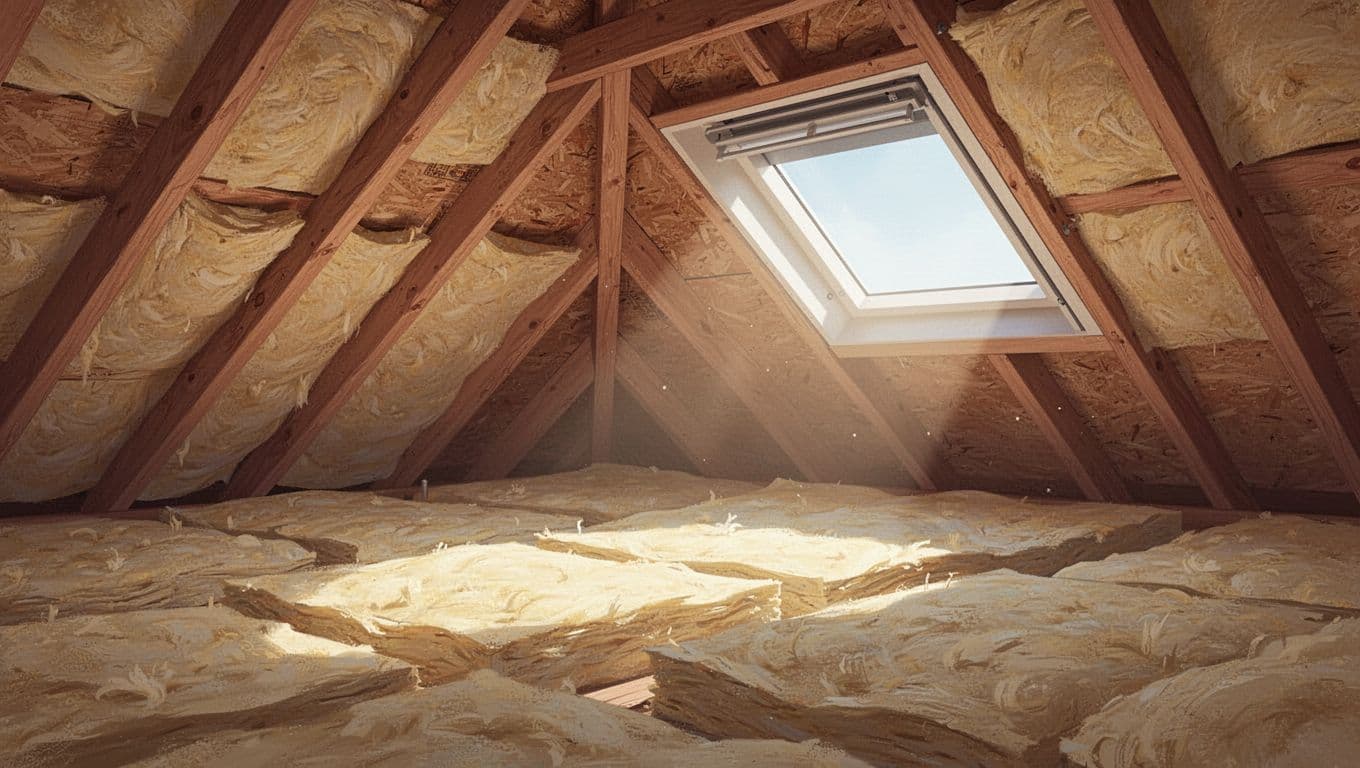
A proper inspection should look at insulation depth, air leaks, ventilation, ductwork, moisture, and the condition of the ceiling below. Adding more insulation without checking these factors can leave the main problem untouched.
Insulation slows heat transfer, but air sealing stops unwanted air movement. Effective attic work often needs both.
Why Estero Attics Put Extra Pressure on Your AC
Southwest Florida's climate creates several conditions that affect attic performance. Estero receives strong solar heat for much of the year, and homes may need air conditioning well beyond the traditional summer season. Even when the outdoor air feels manageable, roof heat can keep the attic hot.
Humidity adds another burden. Your AC removes moisture while cooling the home. If the system runs for long periods because the attic keeps adding heat, it may also face a heavier dehumidification load. Indoor air can feel sticky even when the thermostat reaches its set temperature.
Older homes may have insulation that has settled, shifted, or lost coverage after repairs. Newer homes can also have weak areas around attic hatches, plumbing penetrations, duct openings, and light fixtures. These details affect performance more than a simple statement that the attic "has insulation."
The roof design matters too. A vented attic needs clear airflow through soffit and ridge vents. Blocked vents can trap heat and moisture. A sealed roof deck uses a different insulation strategy and requires careful planning around HVAC equipment, wiring, roof leaks, and future repairs.
Homeowners should also consider the location of ductwork. Ducts that run through a hot attic lose more cooling capacity when their insulation is damaged or their connections leak. Read about preventing cooled air loss in hot attics before assuming ceiling insulation is the only issue.
Which Insulation Material Fits an Estero Home?
The best material depends on the attic layout, existing insulation, access, moisture history, and project budget. Each option has a different installation method and performance profile.
| Insulation type | Common benefit | Important consideration |
|---|---|---|
| Blown-in cellulose | Fills irregular areas and adds depth across an attic floor | Must stay dry and reach consistent coverage |
| Fiberglass batts or blown fiberglass | Familiar material with clean, predictable installation | Gaps and compression reduce its performance |
| Spray foam | Seals air leaks while insulating the roof deck or attic floor | Costs more and requires careful professional application |
Blown-in cellulose works well in many accessible attic floors. Installers distribute loose fibers with a blowing machine, which helps cover small spaces around framing. The material needs proper depth, and the attic must remain free from active moisture problems.
Fiberglass is common in both batt and blown forms. Batts can perform well when they fit tightly between framing members, but installers must cut around obstacles rather than compressing the material. Blown fiberglass can cover broad areas with fewer seams.
Spray foam forms an air barrier as it expands. Some applications place it along the underside of the roof deck, which can bring the attic closer to the home's conditioned space. This approach changes attic ventilation and temperature, so it needs a complete design rather than a quick product choice.
The right attic insulation Estero project should account for Florida-specific concerns, including humidity, roof ventilation, storm-related damage, and the need to access HVAC equipment later. A low-cost material installed poorly can perform worse than a moderate-cost material installed with full coverage and proper sealing.
Air Sealing and Ductwork Can Change the Result
Insulation reduces heat transfer through solid surfaces. Air sealing addresses gaps where hot attic air can move into the home. Common leakage points include the attic access panel, plumbing penetrations, wiring holes, duct openings, and gaps around light fixtures.
Small openings can matter because air moves through them whenever pressure changes inside the home. Sealing these areas before adding insulation helps keep the new material working as intended. The work should use materials suited to the location and temperature, especially around fixtures and mechanical equipment.
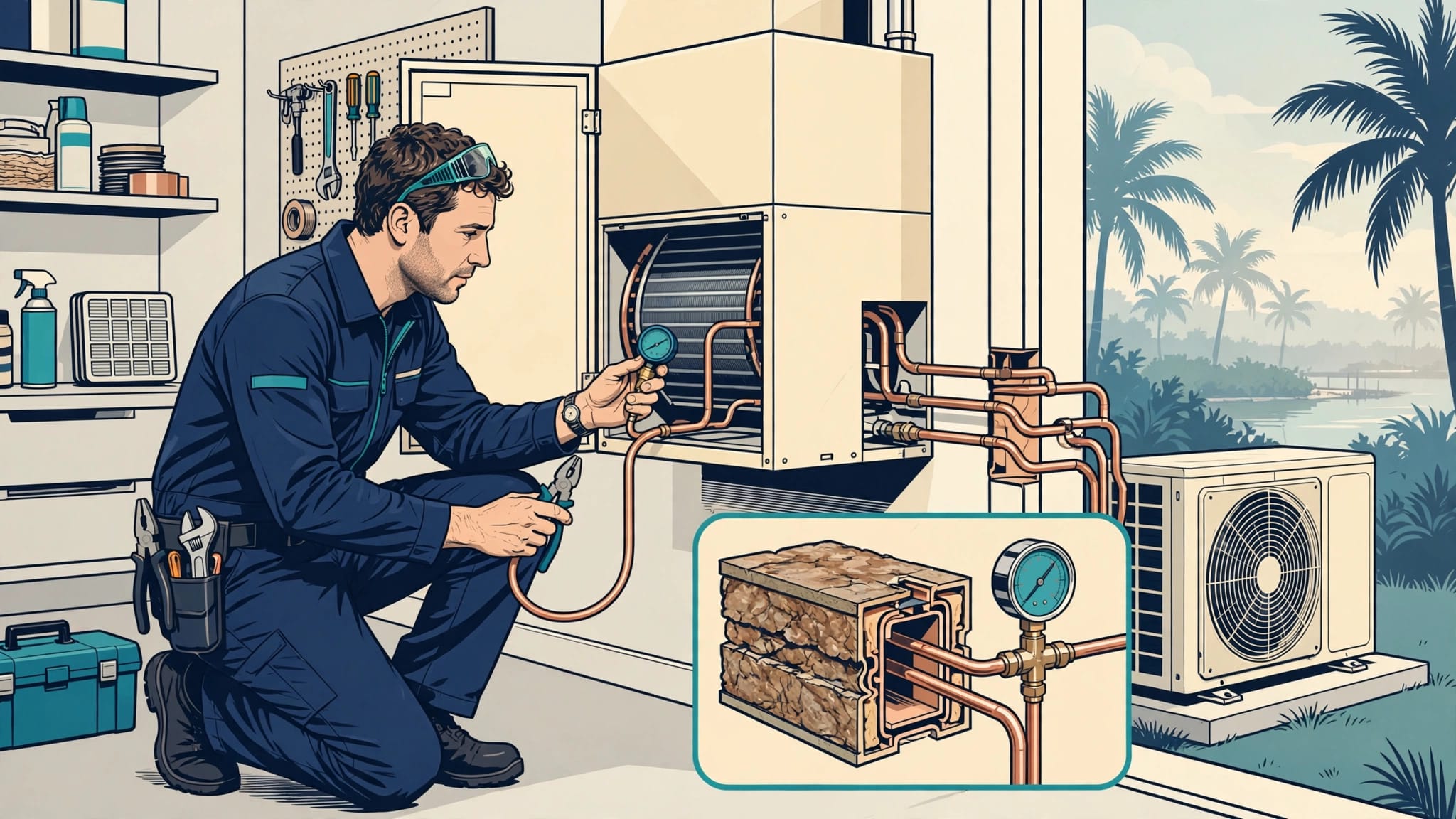
Ductwork deserves separate attention. Leaks in attic ducts can send cooled air into the attic instead of the rooms. Damaged insulation around a duct can also expose it to extreme heat, making the system run longer before the home reaches the thermostat setting.
Airflow problems create similar symptoms. A dirty filter, blocked return, undersized duct, or failing blower can leave rooms warm even when the attic insulation is adequate. In those cases, adding insulation may improve the home but won't solve the comfort complaint by itself.
AC sizing also affects energy use. An oversized system may cool quickly without running long enough to remove humidity. An undersized system may run constantly during hot weather. A proper load calculation considers insulation, windows, sun exposure, ceiling height, air leakage, and duct layout. Sunset Gulf HVAC explains how insulation affects AC sizing for Southwest Florida homes.
Signs Your Home May Need More Attic Insulation
Certain patterns point toward an attic problem, although they don't prove insulation is the only cause. Look for:
- Upstairs rooms that stay warmer than the rest of the home
- A sharp temperature difference between rooms under the roof
- An AC system that runs for long periods during ordinary hot weather
- High summer electric bills without a major change in thermostat settings
- Hot ceilings or attic access panels
- Visible gaps, flattened insulation, or exposed ceiling areas
- Damaged duct insulation or loose duct connections
You can inspect the attic access area if it's safe, but avoid walking on drywall between the framing members. Attics may contain exposed nails, wiring, pests, fragile ductwork, and limited ventilation. A visual check from the opening may be enough to identify thin coverage or obvious gaps.
Utility bills can provide useful clues when compared across similar months. However, weather, occupancy, thermostat settings, pool equipment, appliance use, and AC condition all affect consumption. A single high bill doesn't establish that insulation caused the increase.
A technician can measure temperature differences, inspect accessible ductwork, check airflow, and look for moisture or ventilation concerns. That assessment helps separate an insulation issue from an HVAC repair or maintenance need.
What to Expect From an Attic Insulation Upgrade
A quality project begins with an inspection, not a material recommendation. The contractor should review existing insulation, locate air leakage, check for moisture, and identify anything that could interfere with the installation.
Before work begins, ask how the contractor will protect recessed lights, electrical equipment, ductwork, and the attic access opening. Confirm whether old insulation will remain, be removed, or be repaired. If the attic has signs of roof leakage, condensation, or mold, those problems need attention first.
The installation should create even coverage across the intended area. Gaps around framing, hatches, and penetrations deserve special attention. If the project includes roof-deck spray foam, ask how the change will affect ventilation and access to the air conditioner.
Afterward, comfort improvements may appear before the next electric bill. Rooms can feel more even, the AC may cycle less often, and the thermostat may hold its setting with less effort. The exact savings depend on the starting condition of the attic, the home's air leakage, the AC system, and household habits.
Attic insulation can also support equipment longevity by reducing cooling demand. Still, it doesn't replace filter changes, coil cleaning, drain-line care, or regular HVAC maintenance. Your system needs both a better building envelope and basic mechanical care.
Is Attic Insulation Worth the Cost in Estero?
The answer depends on how much heat your home currently gains through the ceiling and how much work the attic needs. A small top-up may cost less than a full removal and replacement. Air sealing, duct repairs, or moisture correction can change the total project price.
Ask for an itemized estimate that separates insulation, air sealing, removal, ductwork repairs, disposal, and any ventilation work. You should also receive the recommended material, target coverage, warranty details, and explanation of how the work fits your home.
Energy savings are only one part of the value. Better insulation can improve room-to-room comfort and reduce the temptation to set the thermostat lower. It may also help a replacement AC system operate under less stress.
The strongest results usually come when attic work is matched with an HVAC evaluation. If your system is old, poorly sized, or short on airflow, insulation alone won't deliver the improvement you expect. A complete review gives you a clearer order of priorities.
Conclusion
Attic insulation Estero homeowners install can lower cooling demand by slowing heat moving through the ceiling. The upgrade works best when installers also address air leaks, duct losses, ventilation, and moisture.
If your AC runs for long periods or certain rooms stay hot, inspect the whole cooling picture before choosing a material. A well-planned attic improvement can make the home more comfortable and help your cooling system use less energy throughout Southwest Florida's long warm season.
Recent Posts