How Leaky Air Ducts Raise Cooling Costs in North Fort Myers
Cooling bills in North Fort Myers can rise for a reason you never see. Leaky air ducts waste cooled air before it reaches your rooms, so your AC works longer and harder.
That lost air matters more in Southwest Florida than many people expect. Long cooling seasons, hot attic spaces, humid garages, and damp crawlspaces put constant pressure on ductwork.
When ducts leak, comfort slips in small ways first. Then the bills climb, rooms feel uneven, and the system starts running like it cannot catch up.
Why leaky air ducts push up cooling costs
Your duct system is the delivery route for cooled air. If that route has gaps, cracks, loose joints, or disconnected sections, part of the air never reaches the room that needs it.
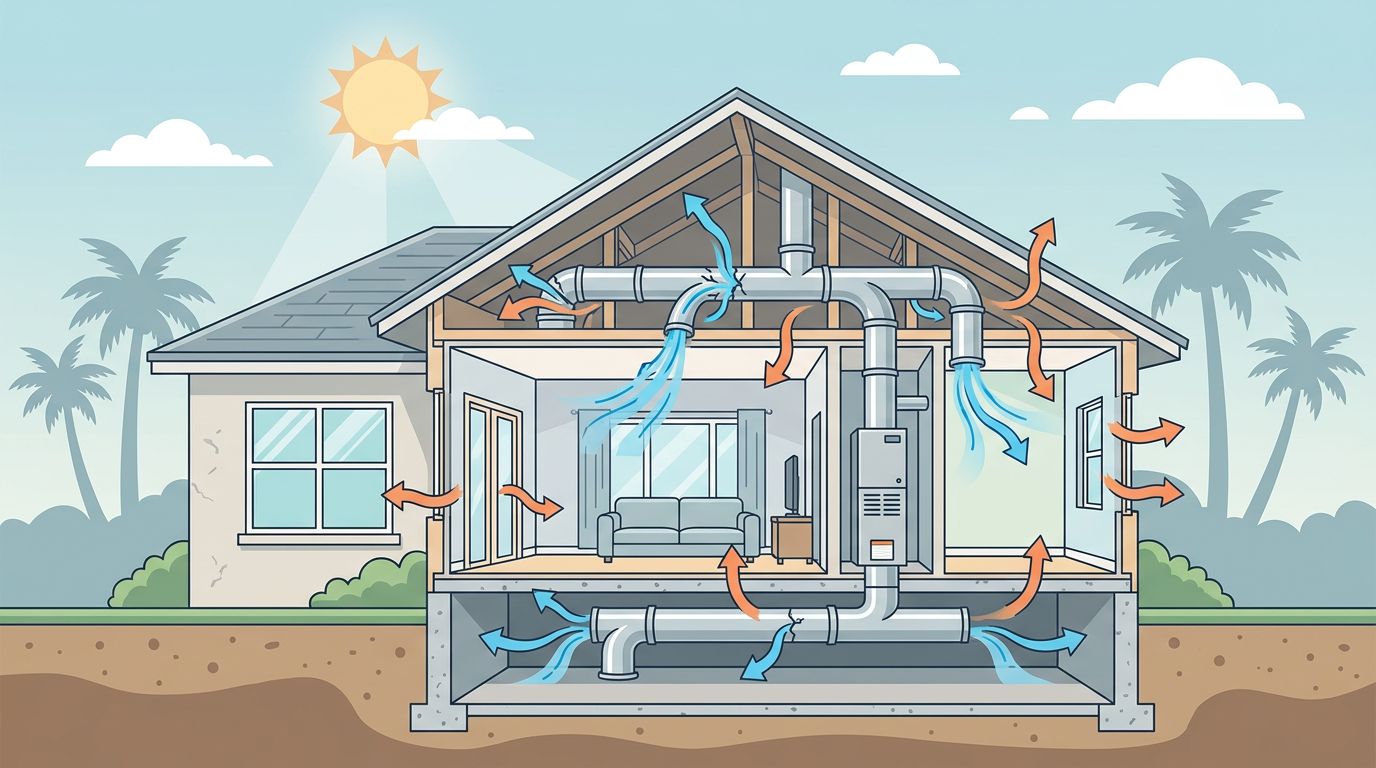
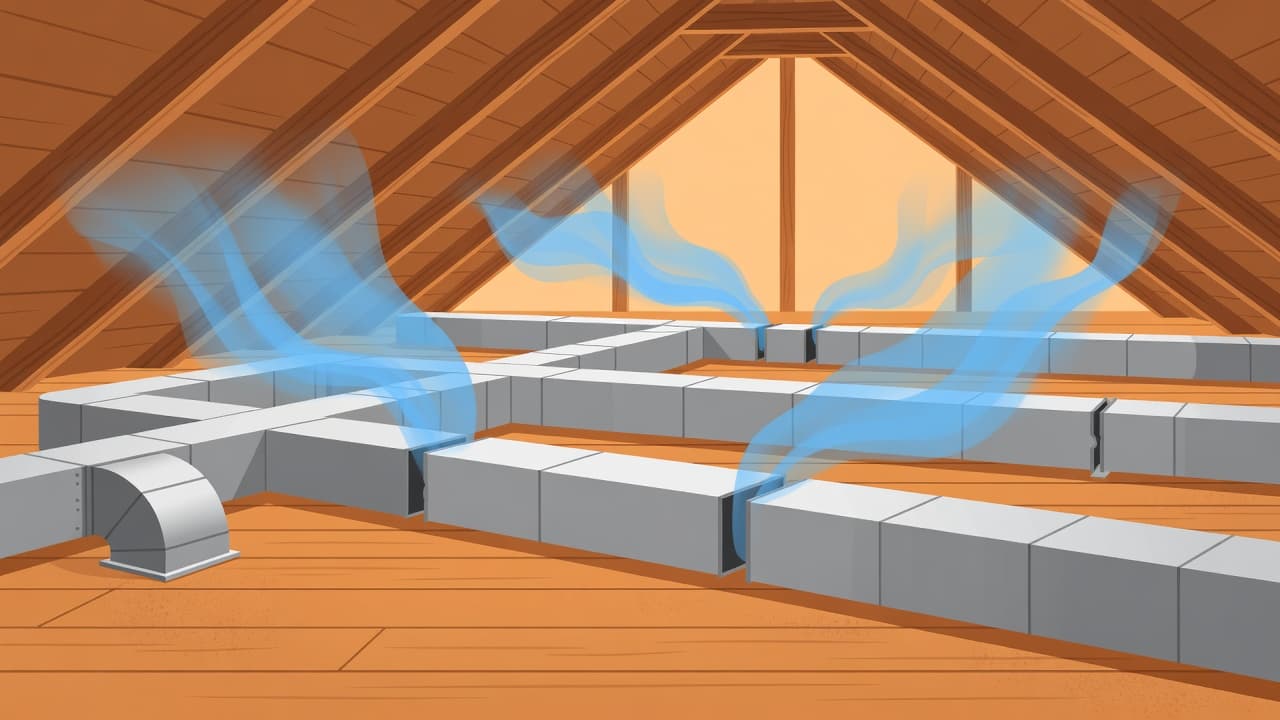
Supply leaks send cool air into places that do not need it, such as attics or wall cavities. Return leaks pull in hot, dusty, or humid air before the system can condition it. Either way, your AC loses efficiency.
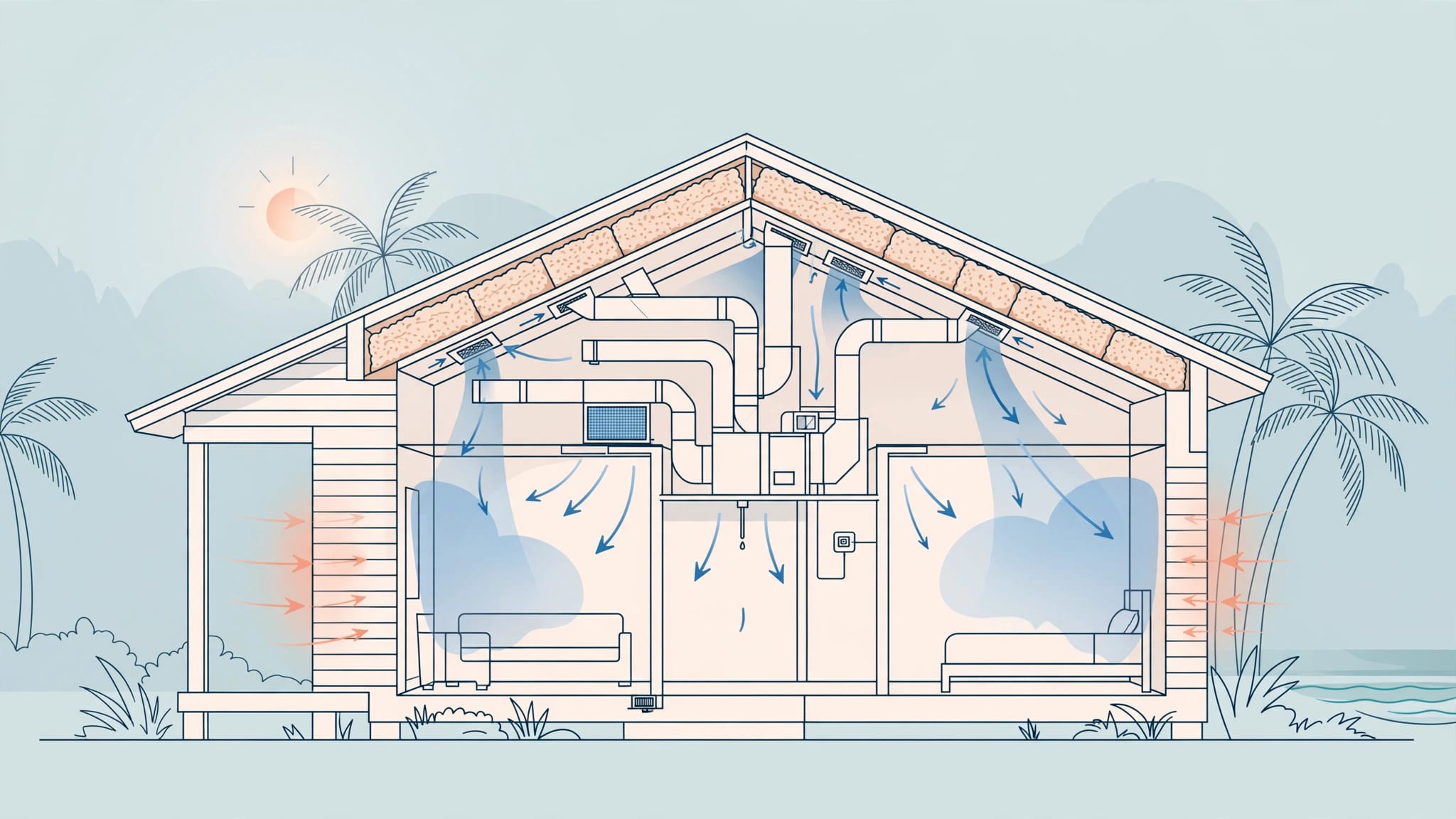
In North Fort Myers, that wasted air disappears into spaces that are already punishingly warm. An attic can feel like an oven in summer. A garage can trap heat for hours. Crawlspaces and wall cavities can hold moisture and warm air. When cooled air leaks into those areas, your system has to replace it again and again.
That extra runtime adds up fast. The thermostat stays satisfied only after the AC has run longer than it should. More runtime means more electricity use, more wear on parts, and more strain on the compressor and blower.
It also affects comfort in a way that feels confusing. A home with leaks may never feel fully cool, even when the thermostat says it should. One room may cool fine while another stays muggy or warm. The AC is working, but some of that work is being lost behind the walls.
A duct leak in a hot attic wastes money twice, once when the air escapes and again when the AC keeps running.
Small leaks can create big waste when they sit in the wrong place. That is why a system that looks fine from the outside can still drive up cooling costs month after month.
The signs you notice before the problem is obvious
Most homeowners do not spot duct leaks right away. They feel them first. The clues are often subtle, then they start piling up.
Uneven temperatures are one of the clearest signs. A bedroom may feel warmer than the living room, even when both rooms get AC from the same system. A bonus room, hallway, or far corner of the house may never seem to settle down.
Weak airflow is another clue. If a vent barely moves air, the duct may be leaking, crushed, kinked, or partly blocked. Sometimes the vent still blows, but the airflow feels thin compared with other rooms.
Dusty rooms can also point to leaky ductwork. When return leaks pull air from attics, garages, or cavities, they can bring dust with them. That dust then spreads through the system and settles on furniture faster than usual.
Higher utility bills often show up after comfort problems begin. If the AC has to run longer to meet the set temperature, your bill will reflect it. The system may look normal on the outside, yet still work much harder because of hidden air loss.
Humidity is another major clue in Southwest Florida. When cooled air escapes, the system loses part of its ability to remove moisture from the home. Rooms can feel sticky even when the temperature seems close to right.
Common warning signs include:
- Uneven room temperatures that never seem to balance out
- Weak or inconsistent airflow at supply vents
- Dust build-up that returns soon after cleaning
- Higher electric bills without a clear reason
- Sticky indoor air or lingering humidity
- Long AC cycles that seem to run forever

If two or three of those show up together, the duct system deserves a closer look. A single weak vent may be a room issue. Several symptoms across the home often point to a bigger duct problem.
Where duct leaks hide in North Fort Myers homes
Duct leaks rarely sit in plain sight. They hide where heat and humidity are already high, which makes the energy loss worse.
Attics are one of the most common trouble spots. Duct joints can loosen over time, tape can fail, and old seals can dry out. In a hot attic, even a small opening can waste a lot of cooled air.
Garages are another place to check. Some homes have duct runs or connected spaces near the garage ceiling or walls. Those areas collect heat, so any leakage there can send conditioned air straight into a hot shell of the home.
Crawlspaces can also cause trouble. Moisture, warm air, and loose connections create a rough environment for ductwork. If the duct insulation is damaged or the joints have opened up, the system can lose both cooling and moisture control.
Wall cavities are harder to inspect, which is part of the problem. When ducts run inside walls or chases, leaks can go unnoticed for years. The homeowner only sees the result, such as one room that never cools properly or a return that seems to pull in dusty air.
Here are the most common leak points:
- Connections between duct sections
- Plenum joints near the air handler
- Boots where ducts meet vents or registers
- Flex duct that has been torn, kinked, or pulled loose
- Old tape or worn sealant around seams
- Uninsulated or poorly insulated runs in hot spaces
A duct system can also lose efficiency without a large hole. Loose fittings, crushed flex duct, and gaps around connections all reduce airflow. That creates a chain reaction, because the blower works harder just to move air through the house.
The location matters as much as the size of the leak. A small leak in a cool, conditioned space causes less damage than the same leak in a hot attic. In North Fort Myers, many leaks sit in the worst possible places.
What you can do before the next power bill
You do not need to open every duct to start noticing trouble. A few simple checks can tell you whether the system needs professional attention.
First, walk through the house while the AC is running. Compare rooms that sit far from the air handler with rooms that are closer. If one side of the home stays warmer or the airflow feels weaker, write it down.
Second, look at any accessible duct runs in the attic, garage, or utility closet. You are not hunting for a full repair. You are looking for obvious gaps, loose insulation, hanging flex duct, or tape that has dried and failed.
Third, pay attention to how long the system runs. If the AC keeps cycling for long stretches and still does not cool the house evenly, air may be escaping before it reaches the rooms.
Fourth, check your vents for dirt patterns. A vent that keeps collecting dust or a room that feels stale can point to return-side leaks or poor duct balance.
A professional inspection is the next smart step when those signs line up. Duct testing can show where the system loses pressure. That helps separate a duct problem from a thermostat issue, a filter issue, or a unit that needs repair.
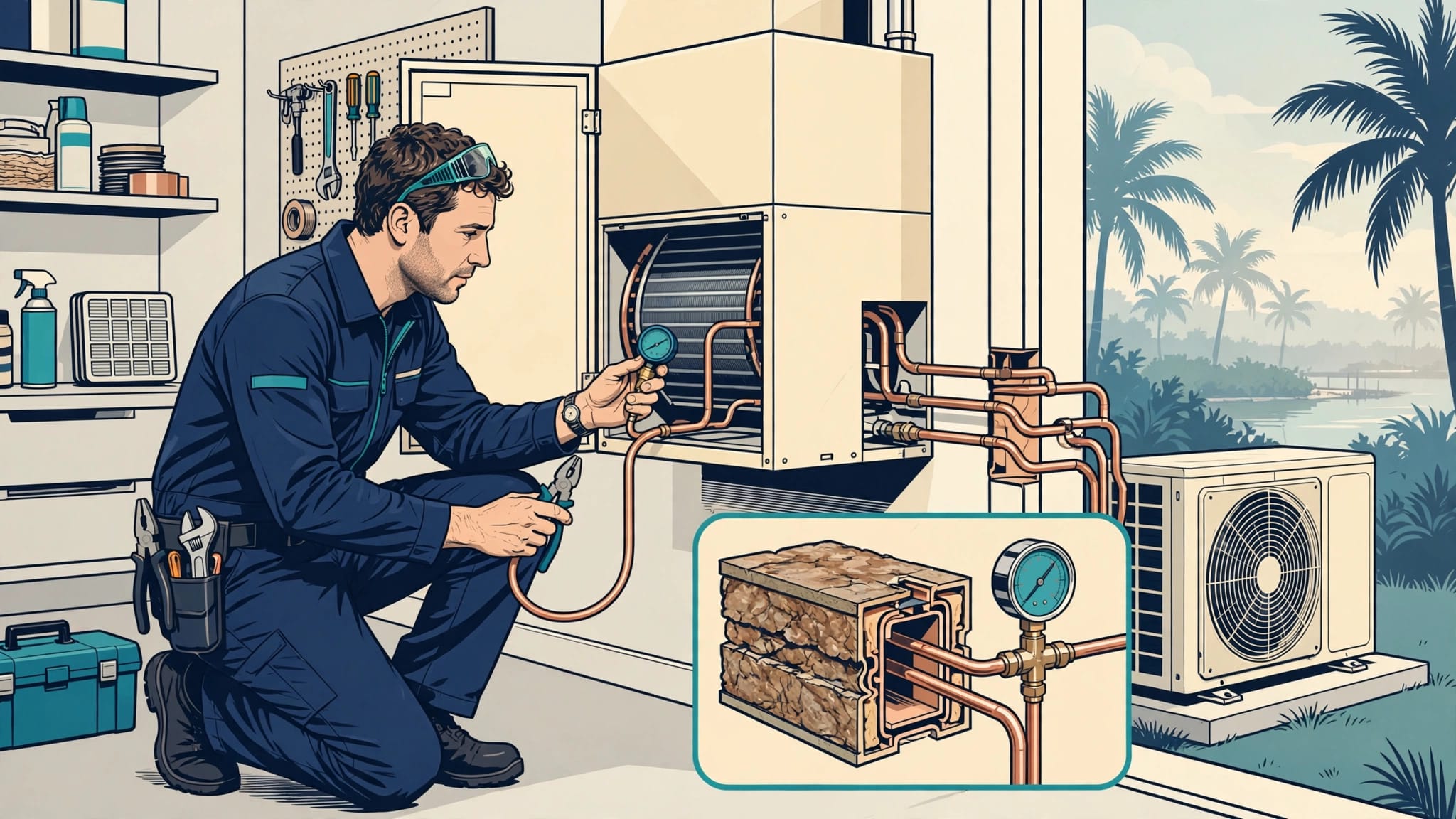
A trained technician can then seal joints with mastic, repair damaged sections, and replace insulation where needed. In some cases, a section of duct may need to be rerouted or rebuilt. The goal is simple, keep the cooled air inside the system until it reaches the room.
Use this short checklist as a guide:
- Notice which rooms feel off first.
- Watch for weak airflow or long run times.
- Inspect accessible ducts for visible gaps or damage.
- Ask for a duct inspection if the problem keeps showing up.
Sealing leaks does more than trim the bill. It also helps the home feel steadier from room to room, which matters in a climate where humidity can creep in fast.
Conclusion
Leaky ducts make an AC system work harder for the same result. In North Fort Myers, that problem grows faster because heat and humidity never give the system a break.
If your bills are climbing, rooms feel uneven, or the air seems damp and dusty, the ductwork may be part of the issue. A professional inspection and sealing service can find the waste that hides in attics, garages, crawlspaces, and wall cavities.
When cooled air stays inside the ducts, your home feels more even, and your system does less unnecessary work. That is a simple fix with a real effect on comfort and cost.
Recent Posts