HVAC Energy Audit Fort Myers: A Homeowner's Guide
A rising electric bill, sticky rooms, or an air conditioner that runs all day can point to more than an aging unit. Your ducts, insulation, thermostat, filter, and home envelope may also be wasting cooling.
If you're searching for an HVAC energy audit Fort Myers homeowners can trust, look for a review of the entire cooling system, not a sales pitch for replacement equipment. A thorough audit shows where energy and comfort are being lost, then helps you choose practical next steps.
Key Takeaways
- Fort Myers homes face long cooling seasons, high humidity, attic heat, and salt-air exposure.
- An audit should examine equipment, ductwork, insulation, air sealing, airflow, thermostat operation, filtration, and moisture control.
- LCEC offers several audit options, including a $15 Class A computerized audit and no-cost walk-through or customer-assisted audits.
- An audit doesn't guarantee a specific dollar amount in savings. It gives you better information before repairs, upgrades, or replacement.
- Electrical work, refrigerant service, equipment repairs, and major duct changes belong with qualified professionals.
Why an HVAC Energy Audit Fort Myers Homeowners Need
Lee County is in IECC Climate Zone 1A , classified as very hot and humid. Fort Myers climate data based on 1991 to 2020 NOAA normals lists about 4,046 annual cooling degree days, compared with only 252 heating degree days.
That imbalance matters. Your air conditioner carries most of the home's comfort load, while humidity keeps adding strain even when the indoor temperature seems acceptable.
Humidity changes the audit priorities
A home can reach the thermostat setting and still feel uncomfortable. If the system cycles off before removing enough moisture, indoor air may feel clammy. Persistent indoor relative humidity above 60% deserves attention, especially when you also notice musty odors, condensation, or damp materials.
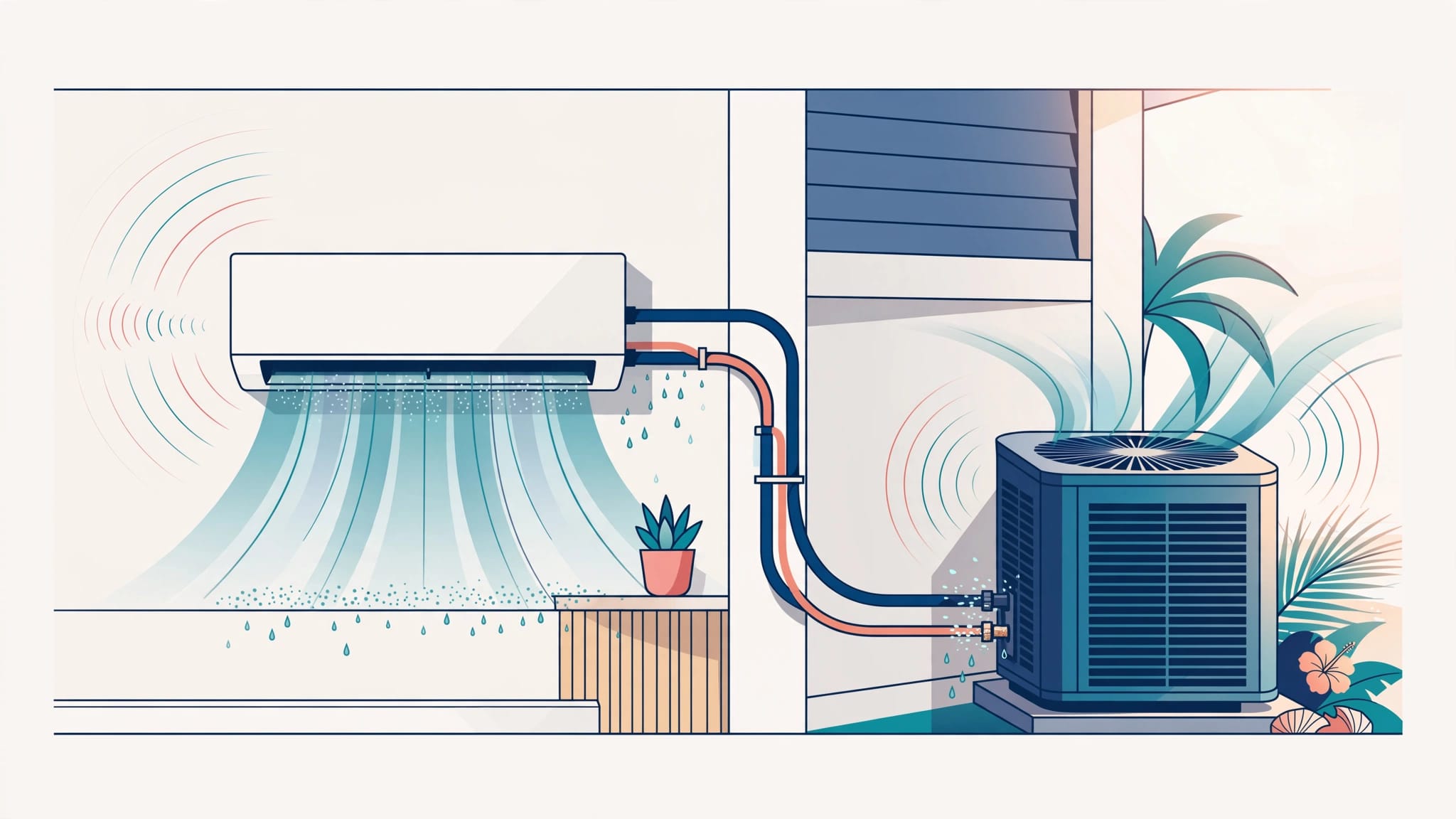
An auditor may check cooling runtime, coil condition, drain operation, airflow, and thermostat settings. They may also look for outdoor air entering through leaks around doors, windows, plumbing penetrations, and attic access panels.
For homes that need controlled outdoor air, ask about fresh air solutions for Florida homes. Ventilation equipment must support humidity control instead of adding moisture without adequate drainage and cooling capacity.
Comfort complaints are useful evidence
Write down which rooms feel warm, when the problem occurs, and whether the issue gets worse during afternoon sun. Uneven temperatures can point to duct leakage, weak return airflow, poor insulation, blocked vents, or a thermostat in the wrong location.
Fort Myers receives about 55.93 inches of average annual precipitation, so moisture management matters outside the living space too. Roof leaks, wet insulation, and poorly sealed penetrations can affect both comfort and indoor air quality.

What an HVAC Energy Audit Fort Myers Includes
A useful audit connects your symptoms to measurable conditions. It should not stop at reading the thermostat or checking the age of the outdoor unit.
Equipment condition and performance
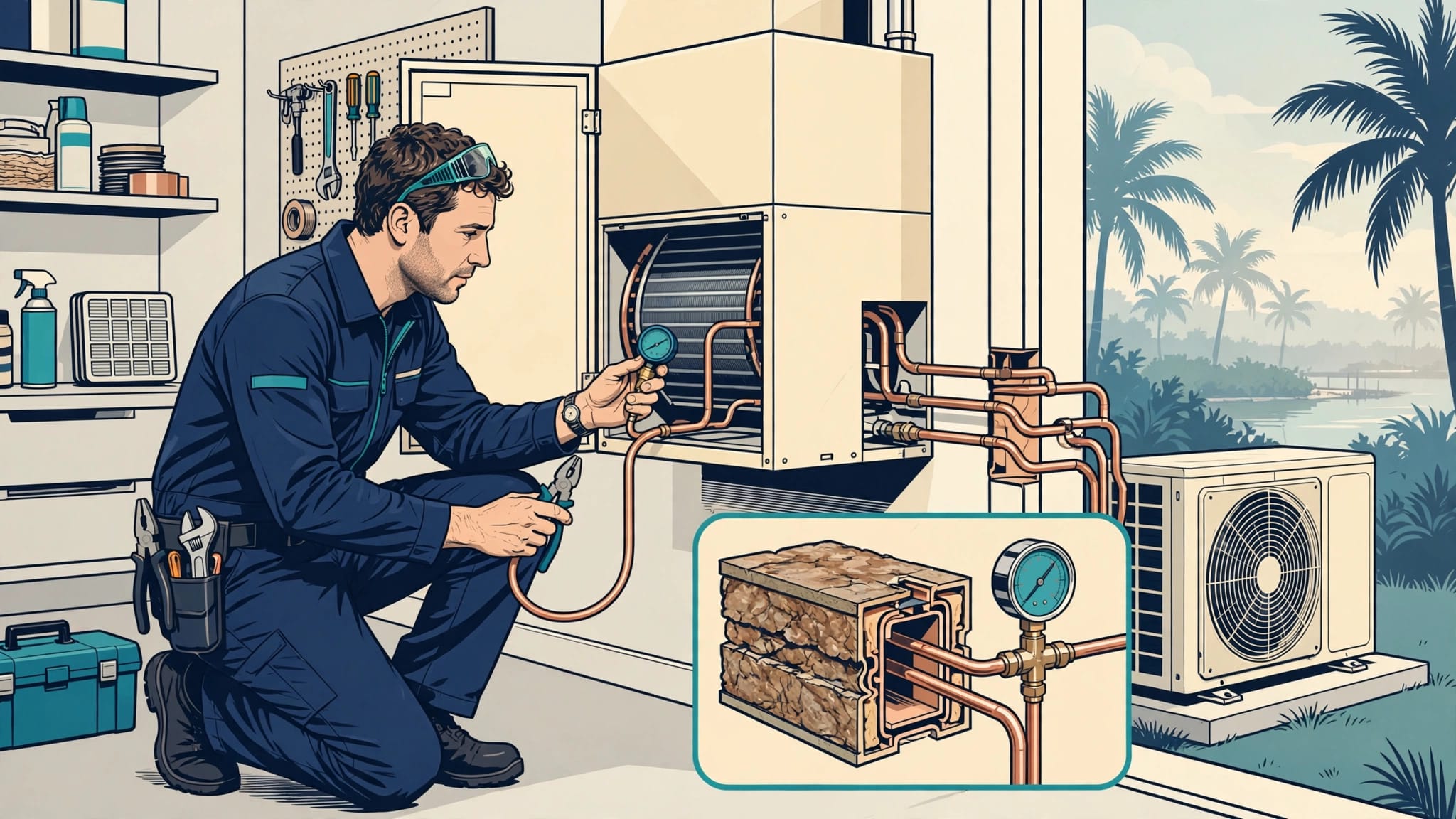
The technician may inspect the condenser, evaporator coil, blower, electrical components, refrigerant-related operation, condensate drain, and safety controls. They may also review maintenance history and look for signs of restricted airflow, icing, corrosion, or short cycling.
A dirty filter is easy to address, but a refrigerant problem, failing capacitor, weak blower motor, or repeated breaker trip requires professional diagnosis. Do not open high-voltage panels or bypass safety switches yourself.
If the audit identifies a repair need, compare the findings with a written estimate for air conditioning repair services. A second opinion can help when the proposed work involves a major part or full replacement.
Ducts, insulation, and airflow
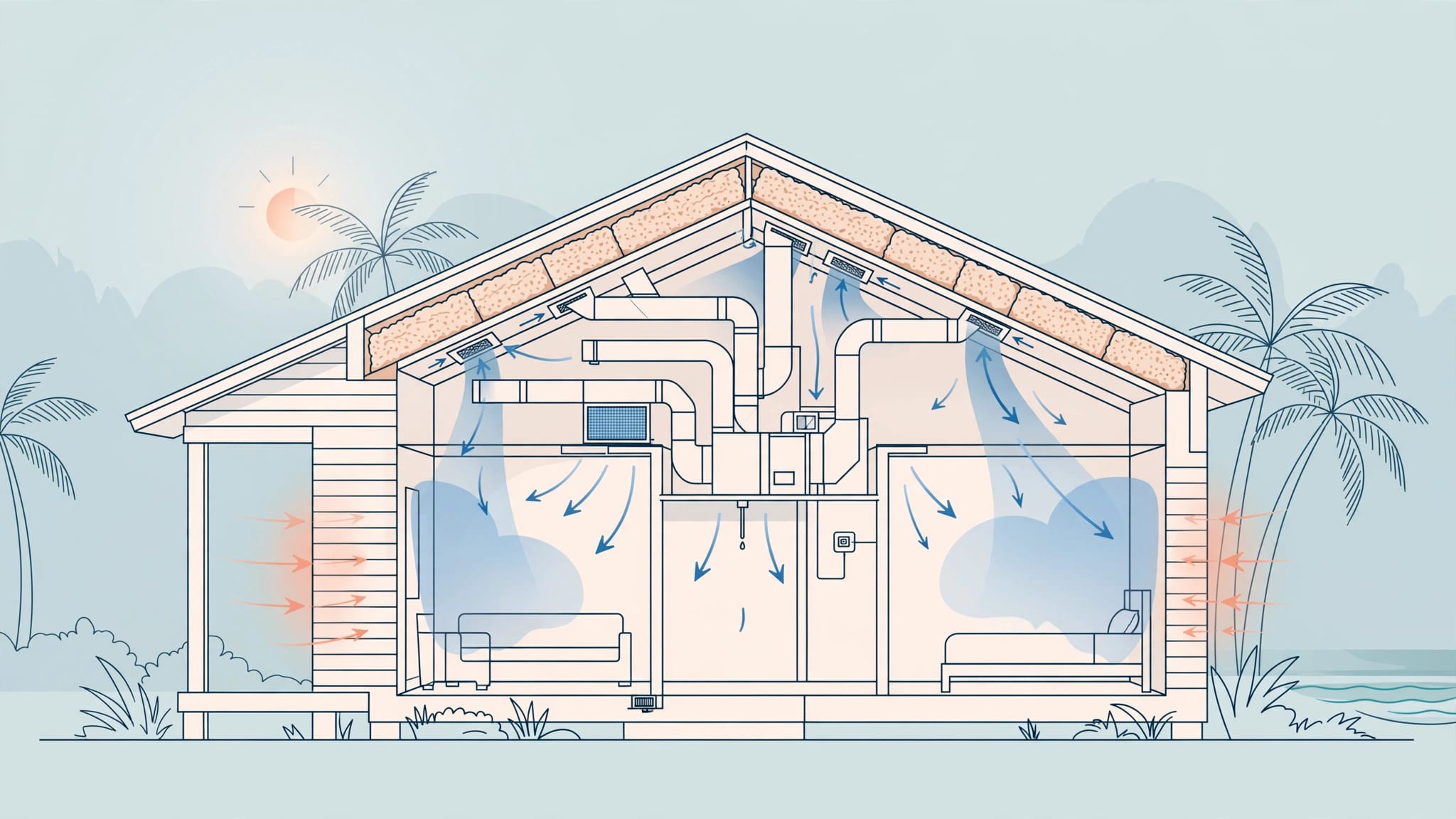
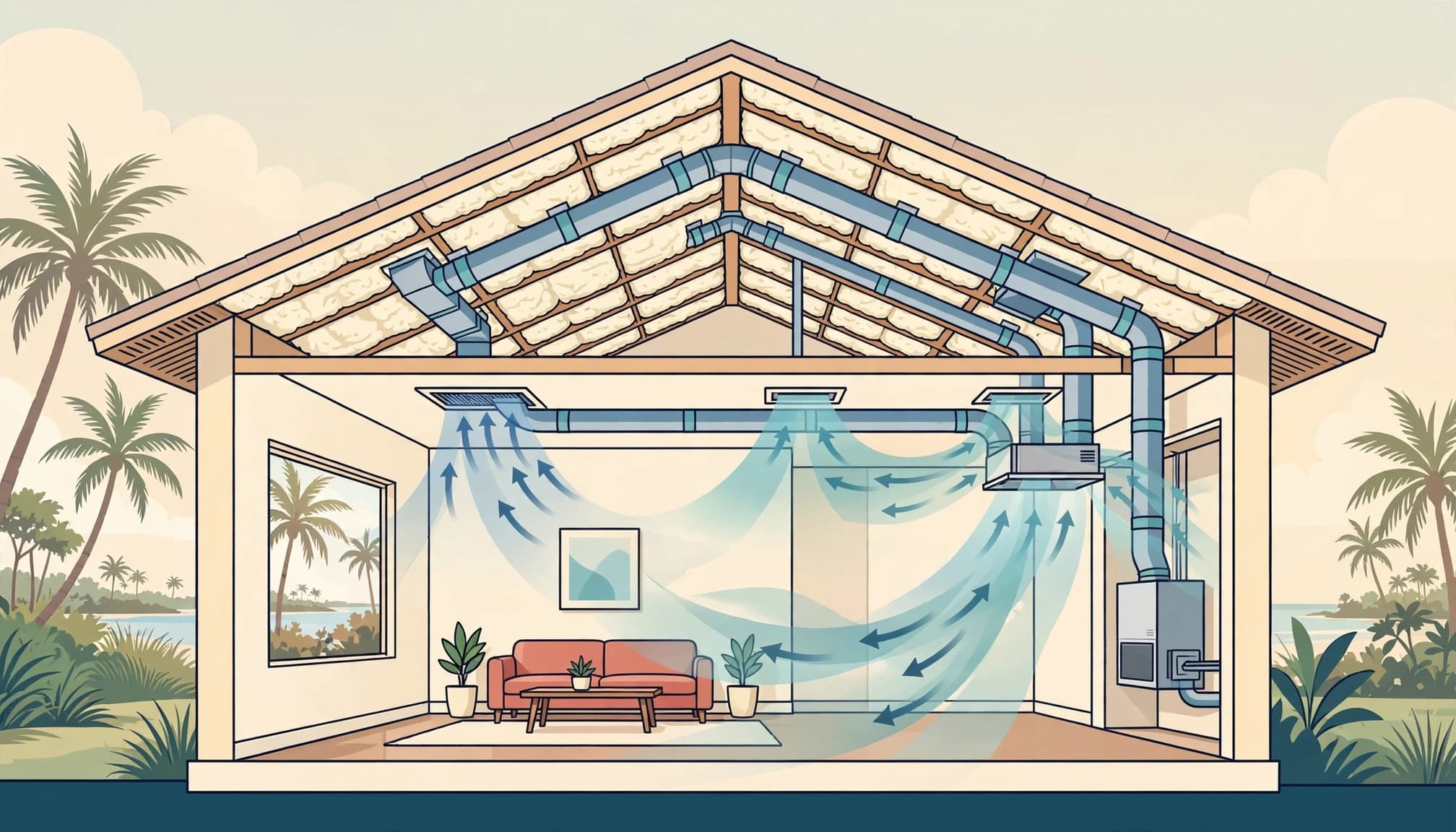
Ductwork often runs through hot attics, garages, ceilings, and tight wall cavities. Open joints, crushed sections, damaged insulation, and disconnected ducts can waste cooled air before it reaches a room.
A professional may measure static pressure, inspect accessible ducts, check supply and return airflow, and recommend duct leakage testing. Look for duct sweating, dusty vent patterns, stale rooms, or one bedroom that stays warm while the rest of the home feels comfortable.
Learn more about HVAC duct inspection and sealing before approving a cleaning or sealing project. Cleaning removes buildup, but it does not repair a disconnected or poorly insulated duct.
Thermostat, filter, and moisture controls
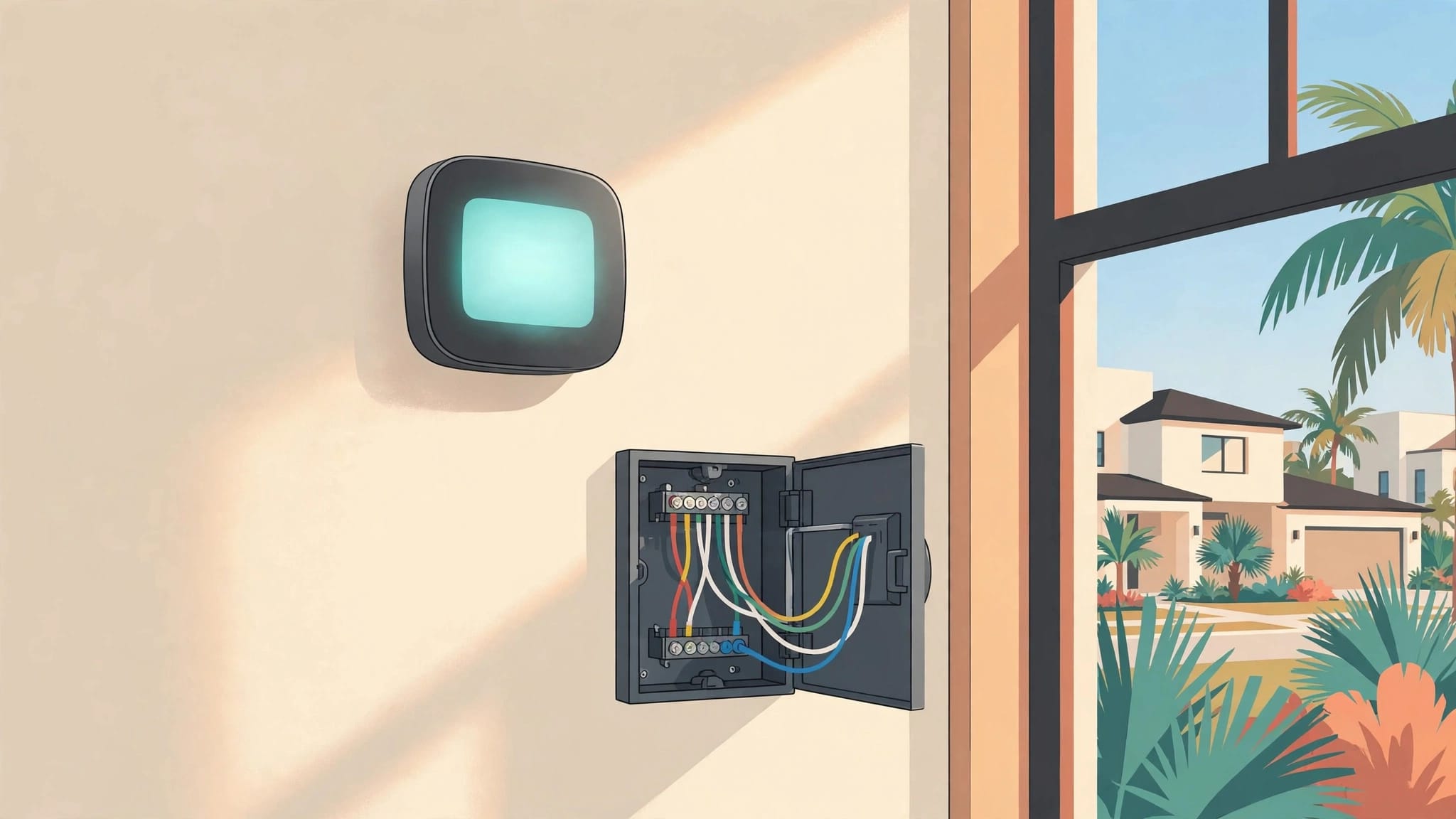
The audit should confirm that the thermostat sits away from direct sunlight, kitchen heat, supply vents, and drafts. It should also verify that the filter fits correctly and matches the equipment manufacturer's requirements.
A filter with a high rating is not automatically better if the system cannot move air through it. Ask the technician to check airflow before choosing a more restrictive filter.
The thermostat fan setting also matters. In humid weather, leaving the fan on continuously can move air across a wet coil after the compressor stops. AUTO is often the better starting point unless your system is designed for continuous fan operation.
How the Audit Usually Works
The exact process depends on whether you schedule a utility audit, a home energy assessment, or an HVAC-focused service visit. Ask what the appointment includes before it begins.
1. Review your home and utility history
Bring recent electric bills, equipment service records, filter information, and notes about warm or damp rooms. Billing history can reveal a seasonal change, while your comfort notes can direct attention to a particular zone or duct run.
Tell the auditor about renovations, new windows, added insulation, water damage, or rooms that were recently converted. Changes to the building envelope can alter the home's cooling load.
2. Inspect the equipment and air distribution
The auditor checks the indoor and outdoor units, filter, drain, thermostat, accessible ductwork, vents, returns, and insulation. Depending on the audit scope, testing may include temperature readings, airflow measurements, static pressure, or duct leakage testing.
A temperature difference between return and supply air can provide a useful clue, but it cannot diagnose the whole system by itself. Humidity, airflow, attic temperature, filter condition, and equipment runtime all affect comfort.
3. Rank the recommended work
A good report separates safety concerns from comfort improvements and longer-term upgrades. It should identify which items need prompt attention, which repairs can wait, and which changes require more testing.
Ask for photos, measurements, and a written explanation. You should be able to understand what is wrong, why it matters, and what could happen if you leave it unresolved.
Prepare for an HVAC Audit
A little preparation helps the visit produce better information and keeps the recommendations focused on your home.
Homeowner preparation checklist
Before the appointment:
- Collect 12 months of electric bills if you have them.
- Write down room temperature and humidity complaints.
- Note how often the system runs and whether it short cycles.
- Replace an overdue filter only if you know the correct size and type.
- Clear access to the indoor unit, thermostat, return grille, and outdoor condenser.
- Gather equipment model numbers, installation dates, and past repair invoices.
- Mention any musty odors, drain overflow, icing, breaker trips, or unusual sounds.
Don't remove access panels or attempt electrical testing. Keep pets away from the work area, and tell the technician about attic restrictions or known roof leaks.
Questions to ask the auditor
Ask whether the appointment includes airflow measurements, static pressure, duct inspection, humidity evaluation, and equipment performance checks. Find out which findings are measured and which are visual observations.
You can also ask:
- Is the system sized correctly for the home?
- Could a Manual J load calculation help before replacement?
- Are the ducts leaking, poorly insulated, undersized, or damaged?
- Is the filter restricting airflow?
- Is the thermostat in a suitable location?
- Which repairs should happen first?
- Will the proposed work require an electrician, permit, or licensed HVAC contractor?
Common Efficiency Problems in Fort Myers Homes
Many energy problems look alike from inside the home. A full audit helps separate a thermostat complaint from an airflow, insulation, or equipment problem.
Leaky ducts and weak return air
Leaky supply ducts can dump cooled air into an attic or garage. Return-side leaks can pull hot, dusty, or humid air into the system. Both conditions make the air conditioner work harder and can leave rooms uneven.
If bills rise while airflow falls, ask about how leaky ducts increase cooling costs. Sealing may involve mastic, approved duct materials, insulation repair, or replacement of damaged sections.
Poor sizing and short cycling
An oversized system can cool the thermostat area quickly but shut off before it removes enough moisture. An undersized system may run for long periods and still struggle during intense afternoon heat.
A replacement estimate should not rely on square footage alone. A professional air conditioning load calculation considers factors such as windows, insulation, orientation, duct design, and the home's construction.
Attic heat and air leakage
Hot attic air can enter through recessed lights, plumbing openings, attic hatches, wall penetrations, and gaps around duct boots. Missing or compressed insulation also increases heat transfer into the living space.
An auditor may recommend air sealing, insulation repair, weatherstripping, or improvements around the attic access. These measures should be coordinated with moisture control so the home does not trap leaks or condensation.
Turning Audit Results Into Action
Start with safety and equipment reliability. A burning odor, visible fire damage, repeated breaker trips, exposed wiring, or a condenser that will not start needs prompt professional attention. Electrical repairs may require a licensed electrician in addition to an HVAC technician.
Next, address low-cost causes such as a blocked filter, obstructed return, incorrect thermostat setting, clogged drain, or damaged insulation. These fixes may improve comfort without replacing equipment.
Replacement becomes more reasonable when the system has frequent major repairs, serious corrosion, poor performance, or an age and condition that make continued repairs difficult. Still, ask for a load calculation and duct evaluation before choosing a larger unit.
A commonly cited Florida starting point is 78°F when you're home, but the best setting depends on comfort, humidity, insulation, and system condition. Thermostat tips for summer cooling can help you review settings without treating the thermostat as a cure for mechanical problems.
Local Audit Costs, Rebates, and Follow-Up
Audit prices and incentive rules can change, so verify current terms before booking work or buying equipment.
| Option | Current local detail | Best use |
|---|---|---|
| LCEC Class A computerized audit | $15 upon customer request | A more detailed utility assessment |
| LCEC walk-through mini audit | No charge | Basic observations and energy guidance |
| LCEC customer-assisted audit | No charge | Homeowners willing to help collect information |
| FPUC HVAC rebate | $250 to $500 for qualifying systems | Eligible FPU electric customers replacing ducted equipment |
Lee County Electric Cooperative lists these audit options in its 2026 rate information. Florida Public Utilities lists rebates for qualifying high-efficiency heat pump or air-conditioning installations. Requirements include residence ownership, FPU electric service, a ducted system, at least a 15.0 SEER rating, and an application within one year of installation.
Eligibility is not automatic. Confirm the approved equipment, installation date rules, service territory, paperwork, and current rating requirements directly with the utility. ENERGY STAR's Rebate Finder can also help locate current offers by ZIP code.
The practical next step is to rank the report by urgency, expected comfort benefit, and project cost. Keep the written findings, photos, model numbers, estimates, and rebate documents together.
FAQ
Is an HVAC energy audit worth it if my system still works?
Yes, especially when the system runs constantly, rooms feel uneven, or humidity remains high. An audit can identify duct, airflow, insulation, or control problems before they become an emergency.
Can I perform the audit myself?
You can record bills, check the filter, observe airflow, inspect visible insulation, and monitor humidity with a basic hygrometer. Refrigerant checks, electrical testing, static pressure measurements, duct testing, and equipment repairs require qualified professionals.
Will an audit guarantee lower electric bills?
No. An audit identifies likely sources of waste, but results depend on the home's condition, weather, occupancy, equipment operation, and the work completed. Ask for measured findings instead of a promised savings percentage.
When should I replace the air conditioner?
Consider replacement when repairs are frequent or expensive, comfort remains poor after corrective work, or the equipment has serious damage. Before approving a new system, request a load calculation, duct review, equipment match, and written installation scope.
Conclusion
Fort Myers homeowners depend on air conditioning through a long, humid cooling season. That makes duct leakage, poor airflow, insulation gaps, thermostat location, and humidity control just as important as the outdoor unit's efficiency rating.
An HVAC energy audit Fort Myers residents schedule before a major repair or replacement can turn vague comfort complaints into measurable problems. Start with safety, verify the findings, and fix the cause before paying for equipment your home may not need.
Recent Posts