AC Hissing Sounds in Naples: Causes and Safe Next Steps
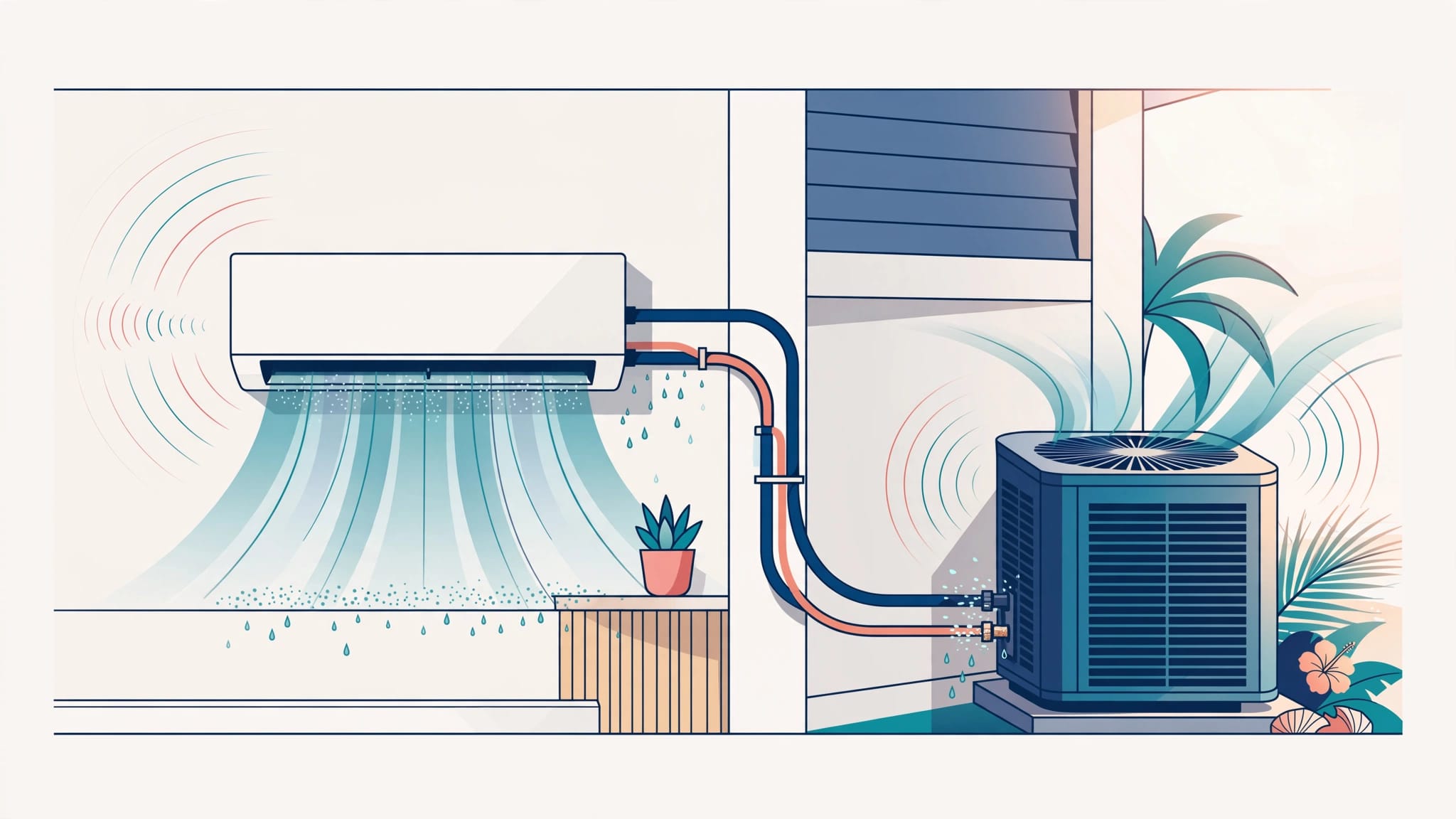
A hissing air conditioner can make any Naples homeowner worry about a refrigerant leak. However, AC hissing sounds can also come from airflow problems, duct leaks, expansion components, or normal pressure changes as the system starts and stops.
The sound matters most when it appears with weak airflow, warm rooms, ice, water, high humidity, or longer cooling cycles. You can make a few safe observations at home, but refrigerant and electrical work require a licensed HVAC professional.
What AC Hissing Sounds May Indicate
A hiss is a description of sound, not a diagnosis. Its location, timing, and accompanying symptoms help a technician narrow down the cause.
Refrigerant lines, coils, and expansion components
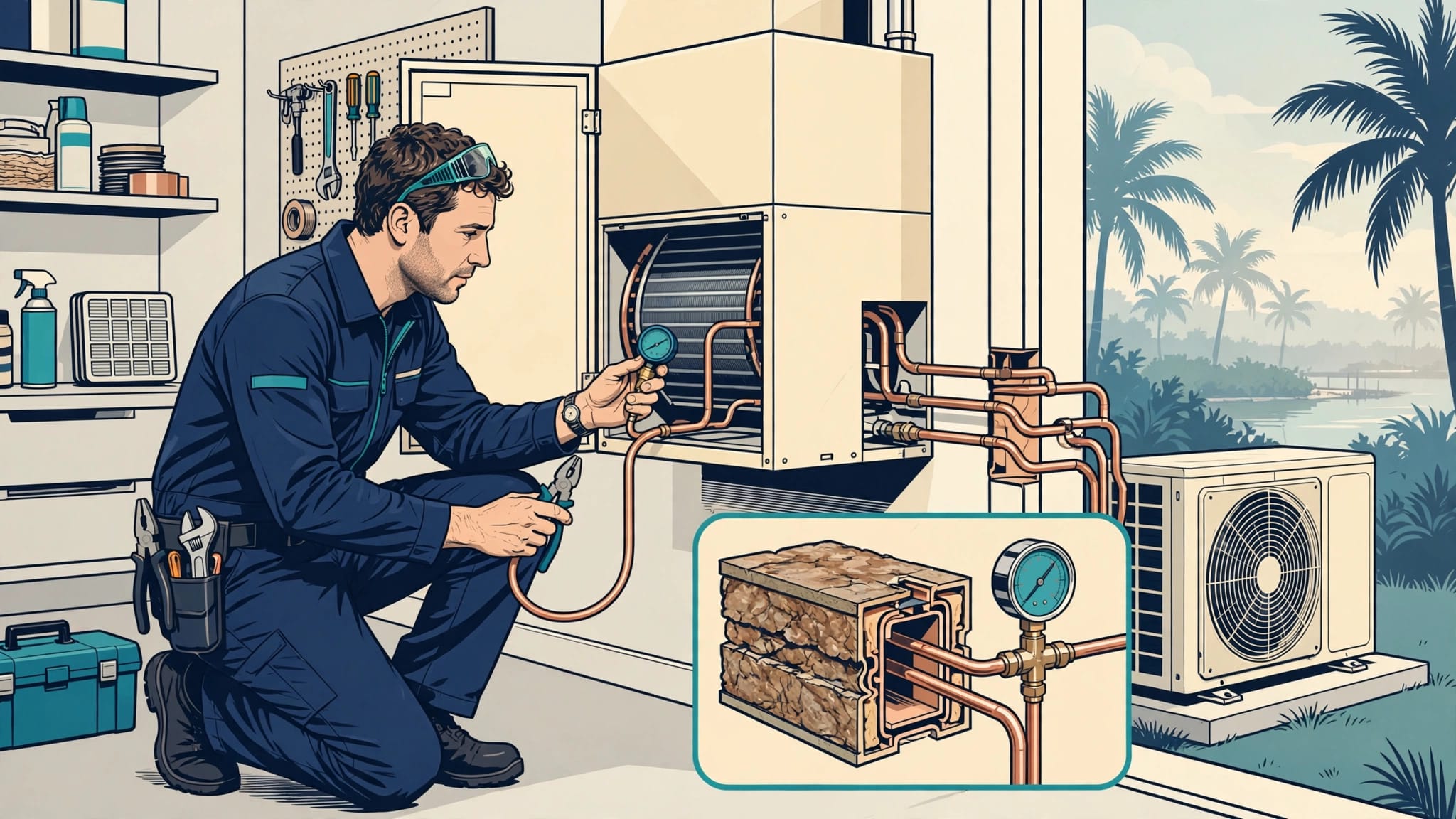
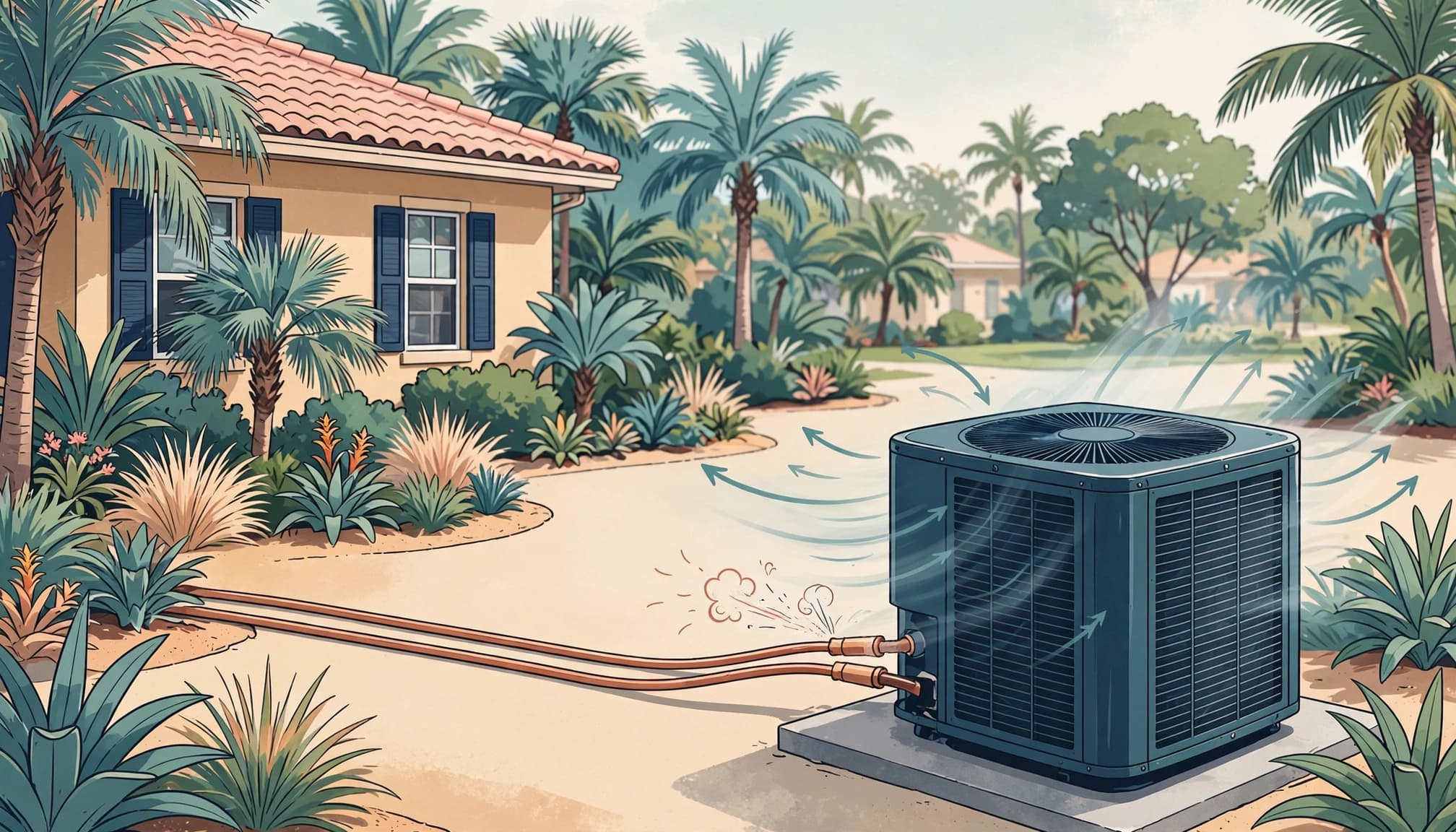
A faint hiss near the indoor coil, outdoor unit, or refrigerant lines may indicate refrigerant moving through the system. Normal refrigerant flow can create brief pressure sounds, especially when the system starts or shuts down.
A persistent hiss may also point to a leak or a problem with an expansion valve. The valve controls how refrigerant enters the evaporator coil. If the valve is restricted, damaged, or operating under unusual pressure, the system may produce unfamiliar sounds and cool poorly.
Low refrigerant is another possibility. When the charge drops, the air conditioner may struggle to remove heat and moisture. You might notice weak cooling, long run times, rising humidity, or ice on the copper line or indoor coil. These symptoms can also come from a dirty coil, blower issue, or airflow restriction.
Ducts, registers, and airflow restrictions
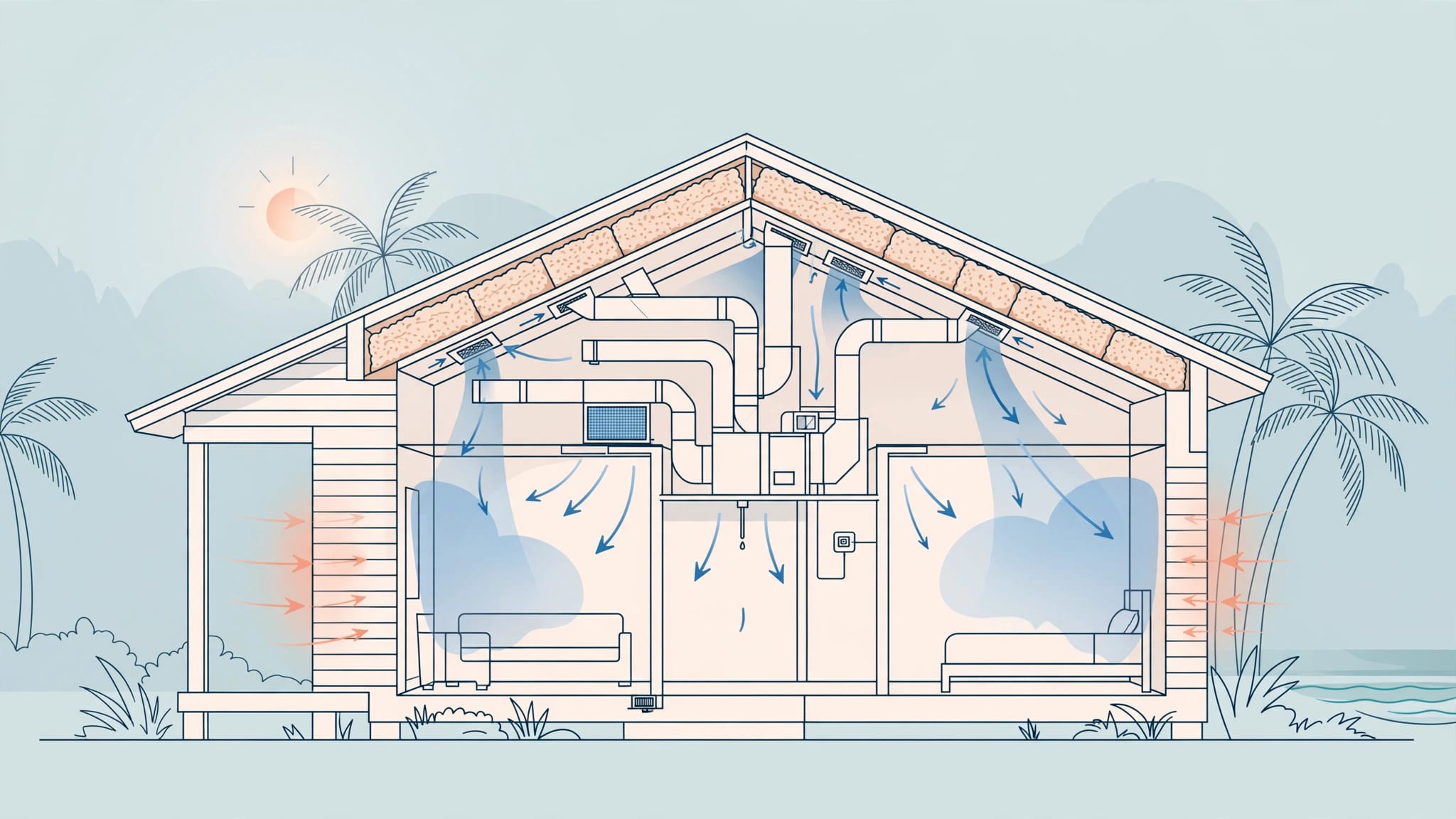
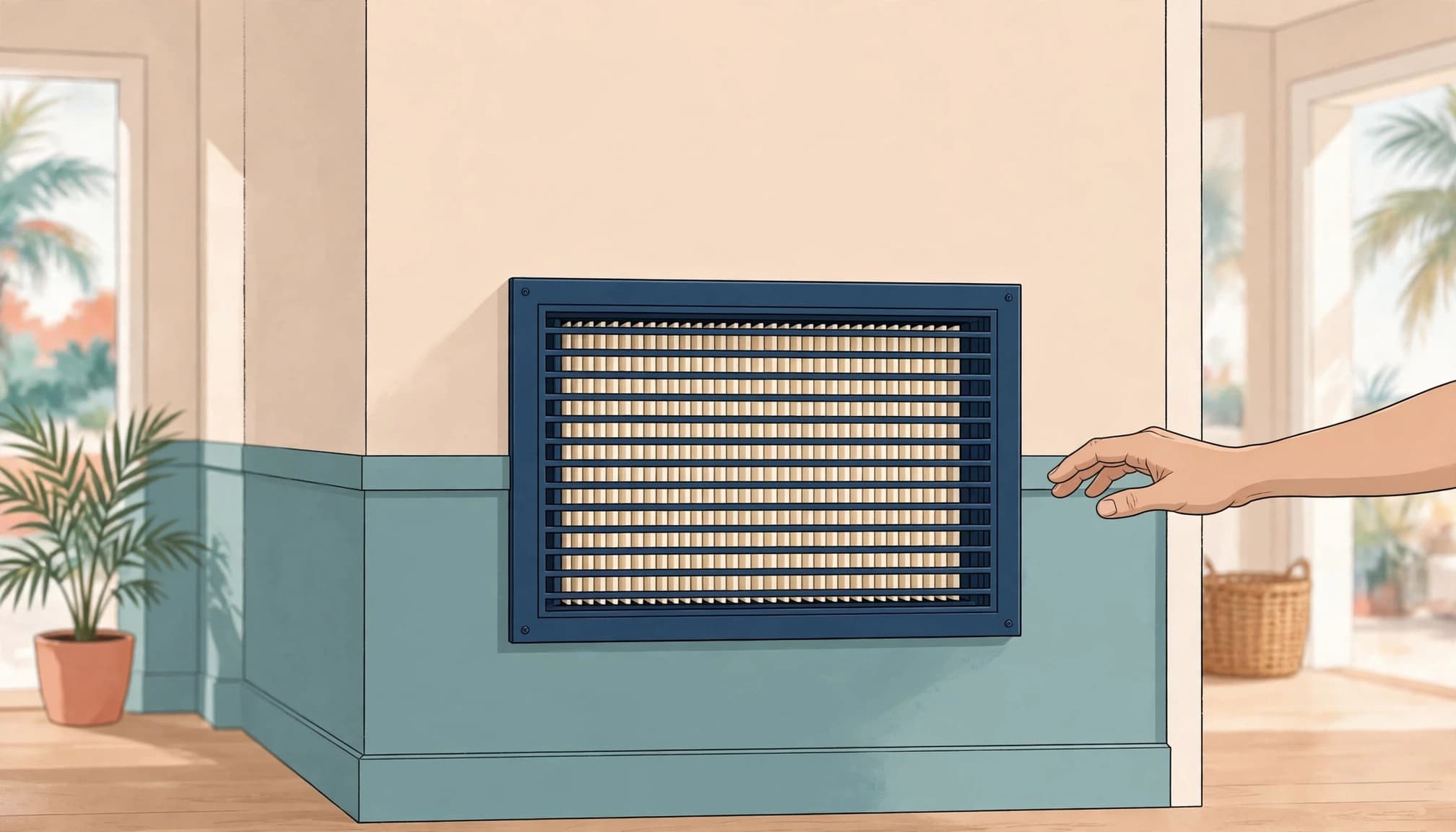
Hissing near a supply vent or return grille may come from air moving through a narrow opening. A dirty filter, closed register, blocked return, crushed flex duct, or poorly supported duct can increase pressure and create a rushing or whistling sound.
Duct leaks can also make noise, especially at connections, plenums, or damaged sections. A supply-side leak may send cooled air into an attic or wall cavity. A return-side leak may pull in dusty or humid air. Homes with duct noise may also have uneven temperatures, dusty vents, or rooms that stay warm.
Learn more about air duct testing and repair if hissing appears near ductwork or several rooms have weak airflow.
Safe Checks Naples Homeowners Can Make
You don't need to open the air handler or condenser to gather useful information. A few observations can help you describe the problem accurately when you call for service.
Check the filter and visible airflow
Turn the thermostat to "Off" before checking the filter. If the filter looks heavily coated with dust, replace it with the correct size and type for your system. A clogged filter can reduce airflow across the evaporator coil and add stress to the blower.
Next, make sure supply registers are open and clear of furniture, rugs, curtains, and storage boxes. Check that return grilles aren't blocked by furniture or decorations. A filter change may improve airflow, but it won't repair a damaged blower, leaking duct, restricted coil, or faulty expansion valve.
Note the sound without touching equipment
Listen from a safe distance and record where the sound begins:
- A hiss near a supply register may relate to airflow or duct pressure.
- A sound near the air handler may involve the coil, drain area, blower, or refrigerant circuit.
- A noise near the outdoor condenser may involve refrigerant lines, pressure changes, or components inside the cabinet.
Write down whether the sound happens at startup, during the entire cooling cycle, when the system stops, or only at certain fan speeds. A short recording can help a technician understand the pattern.
Don't spray lubricant into the unit, remove panels, scrape ice from a coil, or touch refrigerant fittings. Even a visual inspection should stop if you see exposed wiring, damage, or water near electrical components.
When to Turn the Air Conditioner Off
A brief hiss during startup may not require an emergency response. Still, the safest choice is to stop operation when the sound is loud, persistent, or paired with other warning signs.
Shut it down for ice, weak cooling, or water
Turn the thermostat off if you see ice on a refrigerant line or indoor coil. Ice can develop when refrigerant flow, airflow, or coil conditions are abnormal. Running the system longer won't clear the underlying problem and may place more strain on the compressor.
Also turn the system off when hissing occurs with warm air, a major drop in airflow, repeated short cycles, or cooling that never reaches the thermostat setting. Water near the air handler adds another reason to arrange prompt service. A frozen coil, blocked drain, or airflow issue can lead to moisture damage.
For more guidance about unusual sounds with indoor water, review this information about professional AC water leak diagnosis.
Treat electrical and mechanical warnings as urgent
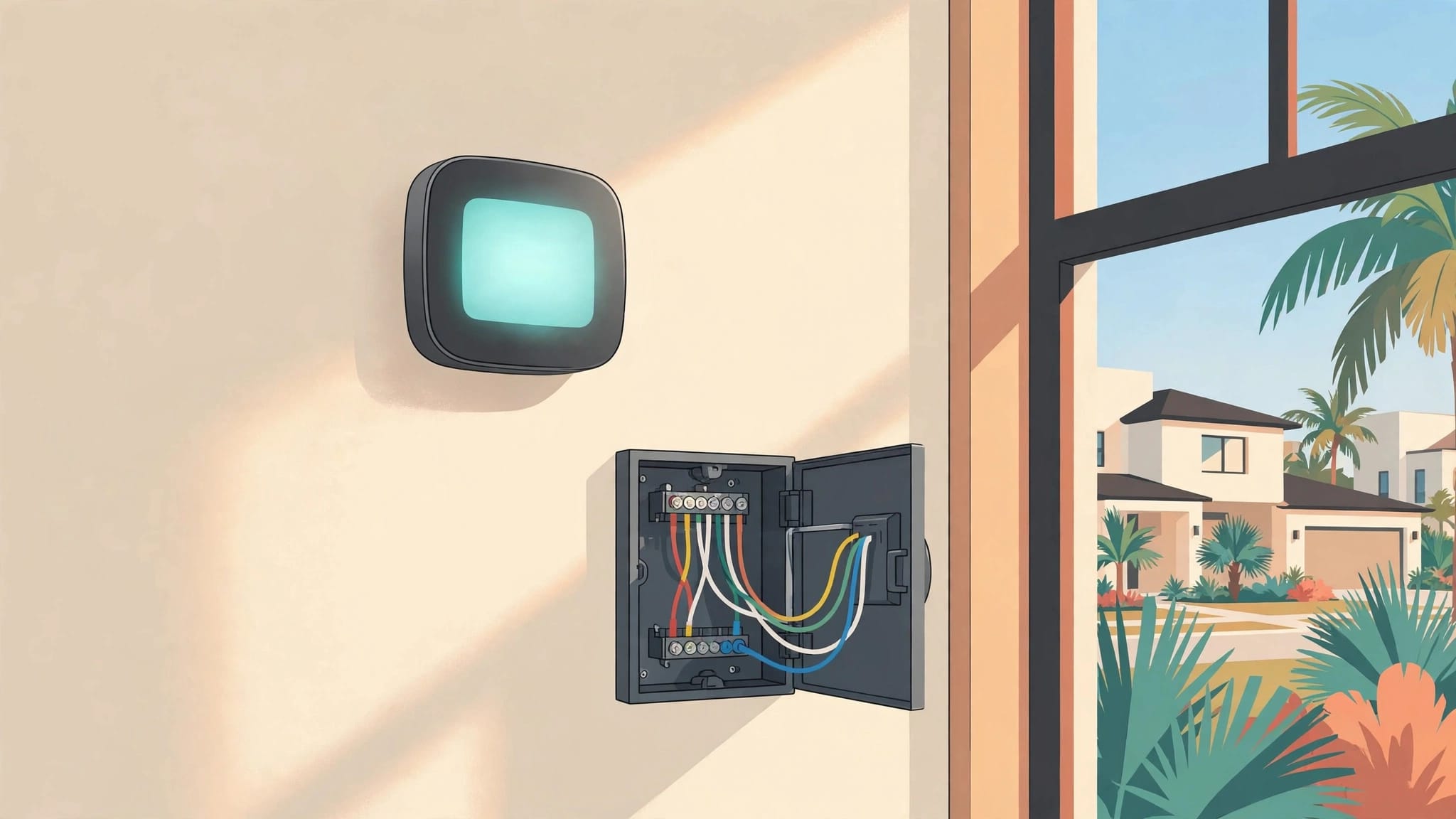
Leave the system off if you notice smoke, sparking, a burning odor, hot air from the outdoor cabinet, or a breaker that trips again after resetting. Grinding, metal-on-metal scraping, a wobbling fan, or repeated failed starts also calls for prompt attention.
Never reset a repeatedly tripping breaker or restart an outdoor unit with a burning smell just to see whether it runs. Repeated operation can increase damage.
Keep children and pets away from damaged equipment. If you see a fire or immediate danger, leave the area and contact emergency services. For HVAC-related concerns, arrange professional service rather than opening the condenser or testing live wiring.
What an HVAC Professional May Inspect
A proper diagnosis looks at the full system instead of assuming every hiss means low refrigerant. Several problems can create similar symptoms.
Refrigerant circuit and coil operation
A technician may measure operating pressures, inspect the line set, check the evaporator and condenser coils, and test for leaks with appropriate equipment. If the system is undercharged, the technician needs to determine why before adding refrigerant.
A refrigerant top-off does not repair a leak. It may provide temporary cooling while the same problem continues. Refrigerant handling also requires recovery equipment, accurate measurements, and safe procedures. Homeowners should never use a store-bought recharge kit or open a sealed component.
You can review refrigerant leak detection and repair for more information about low refrigerant and warm-air symptoms.
Airflow, ducts, and pressure
The technician may inspect the filter, blower assembly, indoor coil, supply registers, return grilles, and accessible duct connections. Static pressure testing can show whether the system is struggling to move air through the home.
Duct testing can identify leaks that aren't visible from the living space. Leaky ducts may waste up to 30% of an air conditioner's output, particularly when damaged sections run through hot attics or garages. However, weak airflow can also result from a dirty coil, closed damper, undersized duct, or blower problem.
The inspection should separate these possibilities before anyone recommends duct sealing, cleaning, component replacement, or a new system.
Why Naples Conditions Can Make the Problem Worse
Air conditioners in Naples and nearby Southwest Florida communities often run through long, hot cooling seasons. Heat increases the workload on the condenser and compressor. Humidity adds another demand because the system must remove moisture as it cools the home.
Salt air, storms, landscaping debris, and outdoor dust can affect coils and equipment over time. A dirty condenser coil may make heat rejection harder, while a restricted filter may reduce airflow across the indoor coil. Those conditions can contribute to long cycles, poor dehumidification, and unusual sounds.
Maintenance can catch related problems early
Routine service gives a technician a chance to inspect coils, drains, electrical components, refrigerant operation, blower performance, and airflow before a small issue becomes a no-cooling call. It doesn't prevent every failure, but it can reveal developing problems while the system still operates.
Sunset Gulf HVAC lists two precision maintenance visits each year through its Southwest Florida HVAC maintenance plans, including one cooling visit and one heating visit. Homeowners can also check filters regularly, keep the outdoor area free of loose debris, and avoid storing items against the condenser.
Key Takeaways for Homeowners
- A hissing sound doesn't automatically prove a refrigerant leak.
- Hissing near a vent may relate to airflow, duct pressure, or a duct leak.
- Hissing near the coil or refrigerant lines may involve pressure, refrigerant flow, or an expansion valve.
- Replace a visibly dirty filter and keep vents open and unobstructed.
- Don't add refrigerant, open sealed components, or attempt electrical repairs.
- Turn the system off for ice, weak cooling, water, burning smells, smoke, grinding, or repeated breaker trips.
- Ask for a complete diagnosis before approving a refrigerant charge, duct repair, or equipment replacement.
AC Hissing Sounds FAQ
Is a faint hiss during startup always a problem?
No. Brief pressure changes can occur as refrigerant moves through the system or the equipment starts and stops. The sound deserves attention when it lasts, grows louder, returns every cycle, or appears with poor cooling, ice, or weak airflow.
Can a dirty filter cause hissing?
A dirty filter can restrict airflow and increase pressure in the duct system. That restriction may create a rushing or whistling sound near registers. It can also reduce cooling and contribute to coil icing. Replacing the filter is a safe first step, but continued noise needs professional evaluation.
Should I add refrigerant if the AC is hissing?
No. Refrigerant should never be added with a store-bought kit. A low charge may indicate a leak, and adding refrigerant without finding the source only delays the repair. A licensed technician can test the system, locate the problem, and confirm the correct charge.
How quickly should I call an HVAC company?
Arrange prompt service if the sound is persistent or comes with warm air, weak airflow, high humidity, ice, water, or long run times. Turn the system off immediately for smoke, burning odors, exposed wiring, repeated breaker trips, severe grinding, or a wobbling outdoor fan.
Conclusion
AC hissing sounds in a Naples home can come from refrigerant flow, a leak, an expansion valve, duct pressure, restricted airflow, or another system issue. The sound alone cannot identify the cause.
Start with safe observations, such as checking the filter, opening blocked registers, and noting the sound's location. Keep refrigerant, sealed components, and electrical repairs with a qualified HVAC professional. Early attention is the safest way to protect comfort, equipment, and your home from a small warning becoming a larger repair.
Recent Posts