Why Your AC Short Cycles in Cape Coral Homes
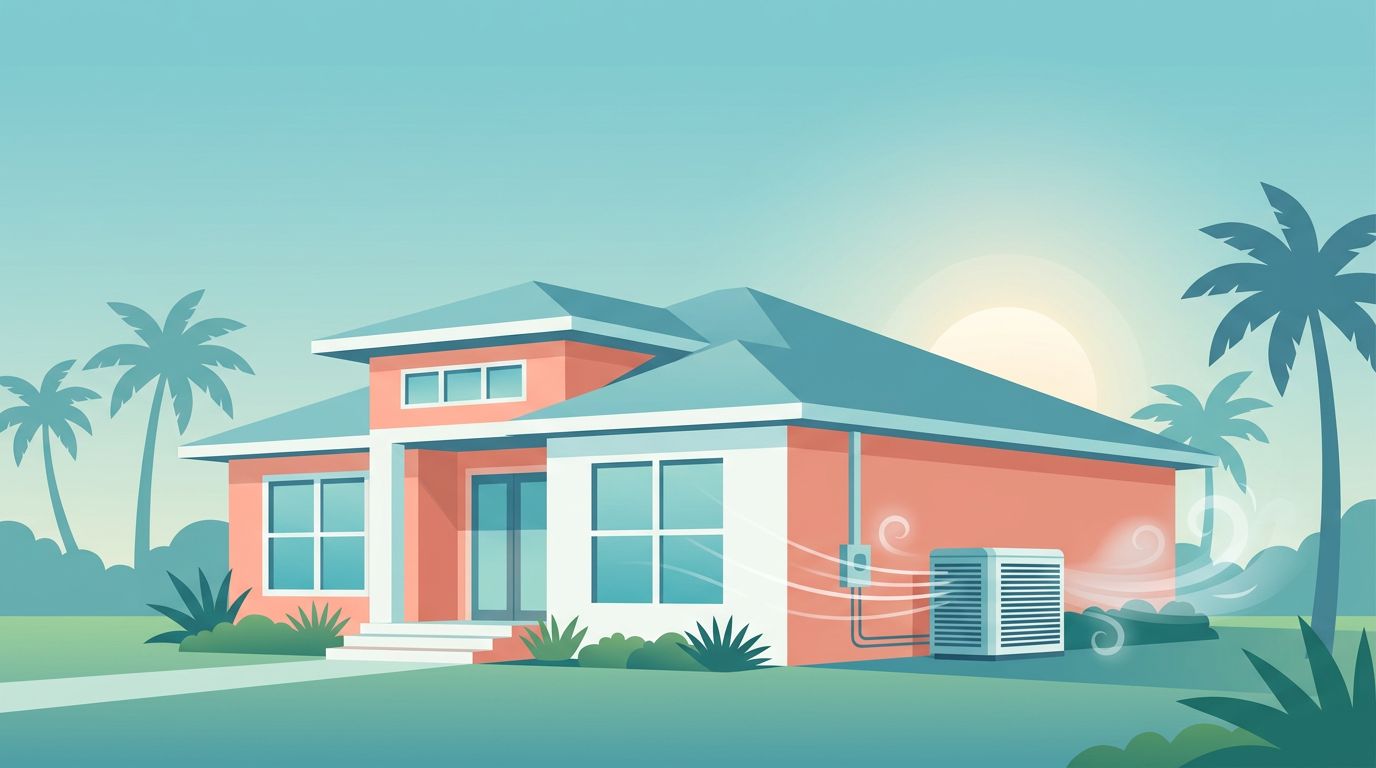
An air conditioner that starts and stops every few minutes is not doing normal work. In a Cape Coral home, that pattern can raise your power bill, leave the air sticky, and wear out parts faster than you expect.
Short cycling often begins with a small issue, then grows into a bigger repair if the system keeps hammering on and off. Because Southwest Florida homes face long cooling seasons, heavy humidity, and salt air near the coast, the strain builds fast.
Here is what causes it, what you can check safely, and when the problem needs a pro.
What AC short cycling looks like in daily life
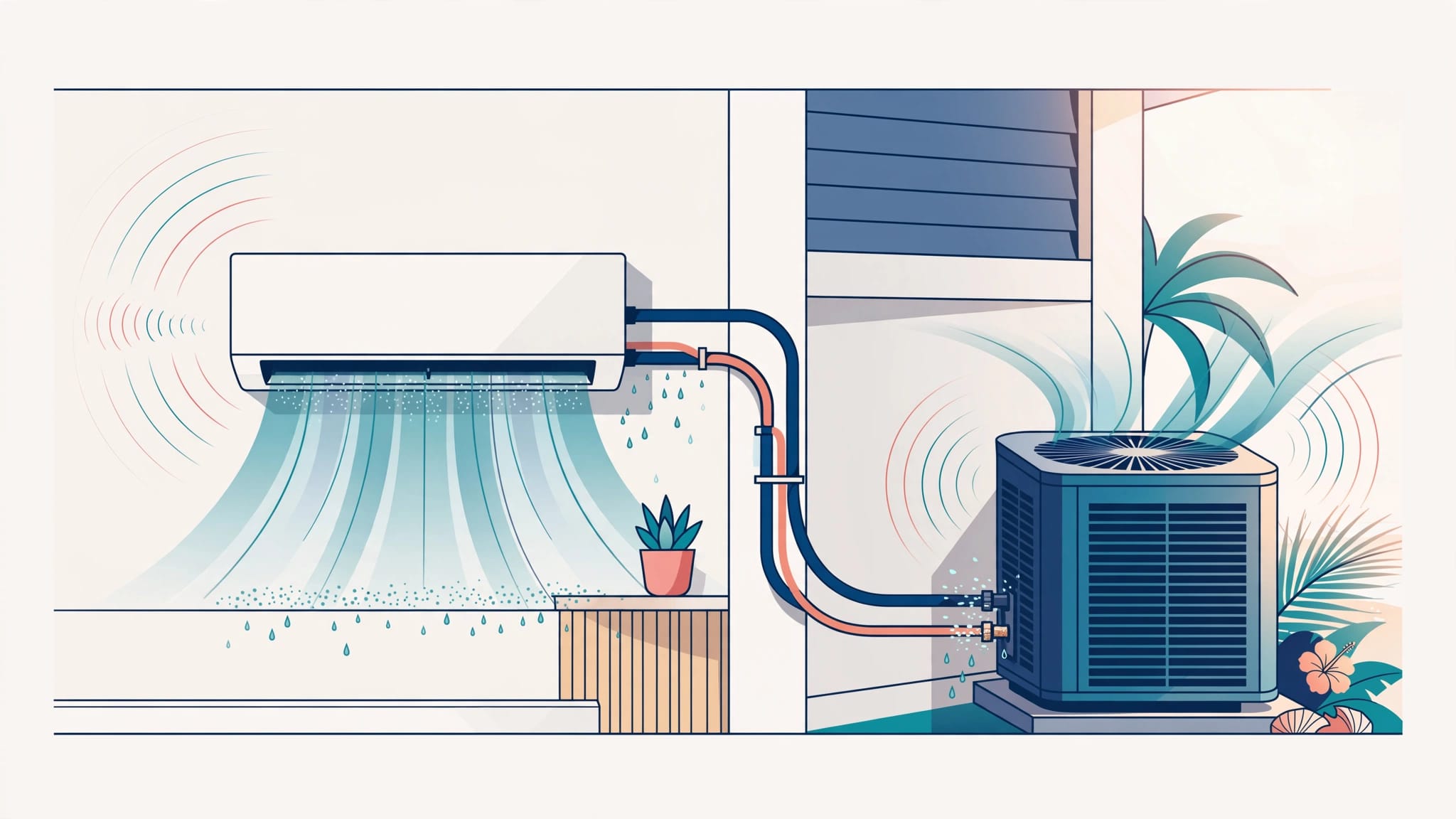
Short cycling means your AC turns on, runs for a short time, then shuts off before it finishes a full cooling cycle. A few minutes later, it starts again. That stop-and-start pattern can happen all day.
The house may never feel fully cool. Some rooms stay warm, the air feels damp, and the thermostat seems to chase the temperature without getting there. Meanwhile, the compressor and fan motors take a harder hit each time they start.
If the system keeps restarting before it finishes cooling, it is working harder for less comfort.
You may also hear the unit click on and off more often than usual. That noise can seem minor at first, but the pattern usually points to a problem that needs attention.
Common causes of AC short cycling in Cape Coral homes
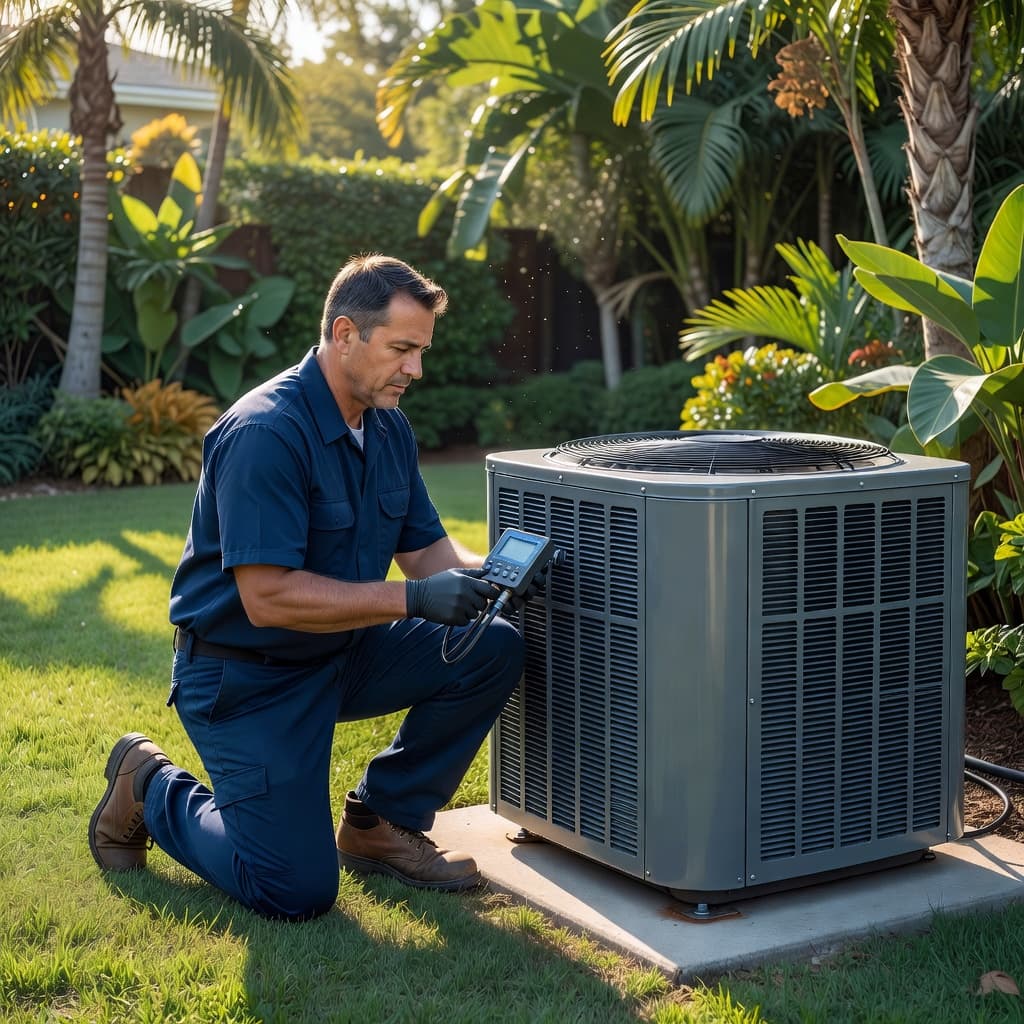
Several different problems can trigger AC short cycling, and the right fix depends on the cause. Some are simple. Others call for professional testing.
A dirty air filter can choke airflow
A clogged filter is one of the easiest causes to miss. When air cannot move through the system, the evaporator coil can get too cold and start to freeze. Once that happens, the unit may shut down early or struggle to keep running.
Cape Coral homes often run the AC for long stretches, so filters load up fast. Dust, pet hair, and fine debris can narrow airflow much sooner than many homeowners expect.
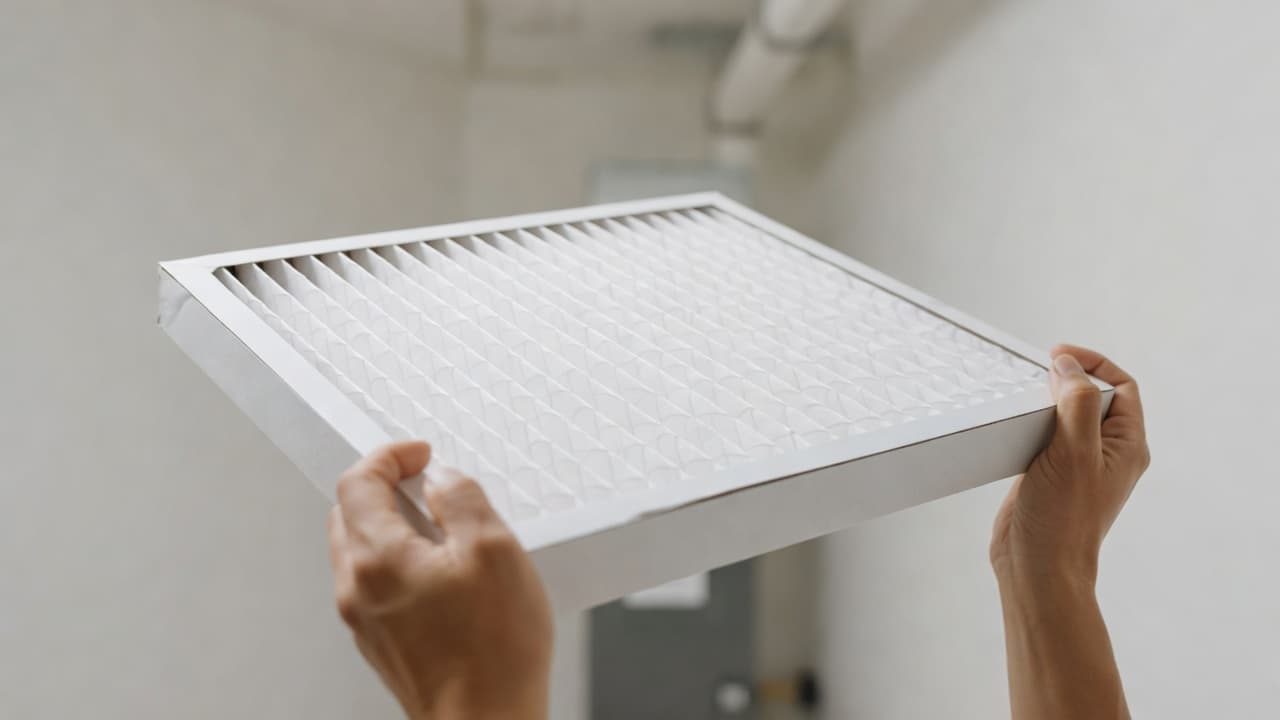
If the filter is dirty, replacing it may solve the issue. If the unit still short cycles after that, something else is going on.
Thermostat trouble can confuse the system
A thermostat that is placed in the wrong spot can make the AC think the house is cooler than it really is. Direct sunlight, a nearby lamp, or heat from a kitchen can fool the sensor.
Loose wiring, a weak battery, or an older thermostat can also cause false readings. In that case, the AC shuts off too soon because it believes the target temperature is already reached.
Even a small thermostat error can create comfort problems. The house may feel uneven, and the system may keep trying to catch up.
An oversized AC can cool too fast
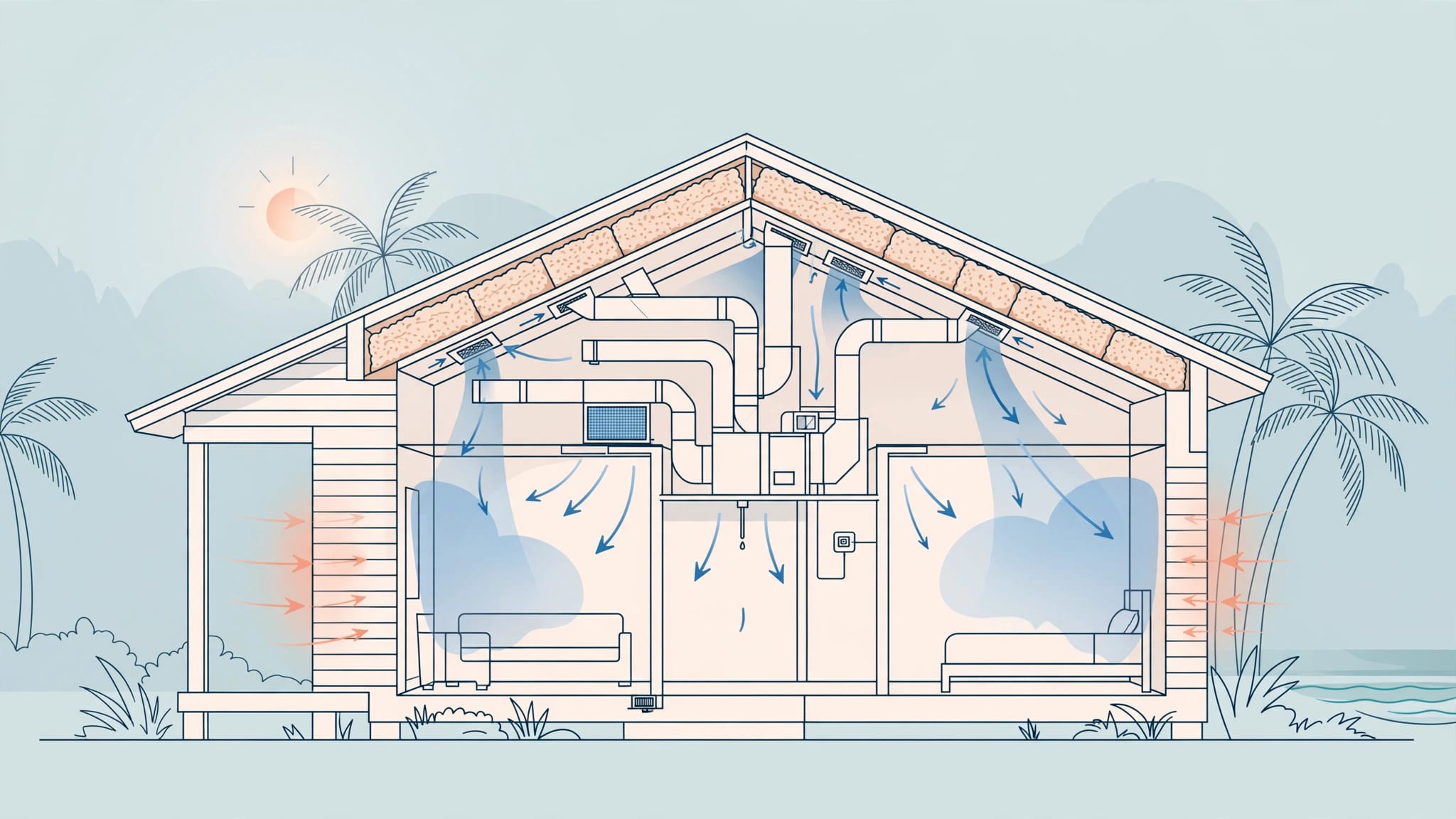
A unit that is too large for the home can cool the air quickly and shut off before it has time to pull out enough humidity. That sounds helpful, but it creates a damp, chilly feeling that never quite settles.
Oversized systems short cycle because they hit the thermostat set point too fast. The result is a house that may be cool on paper, yet still feels clammy in real life.
This issue is harder to spot without a proper load calculation. A bigger unit is not always a better one, especially in a humid climate.
Drain problems and safety switches can shut the unit down
In Southwest Florida, humidity creates a lot of condensate. That water has to drain away cleanly. If the drain line clogs with algae or debris, the pan can fill up and trip a safety switch.
When that happens, the AC may shut off before the cooling cycle is complete. It can look like short cycling, but the real problem is water buildup.
This kind of issue often needs more than a quick reset. A technician may need to clear the drain, inspect the float switch, and check for the cause of the clog.
Low refrigerant, frozen coils, or electrical faults need a pro
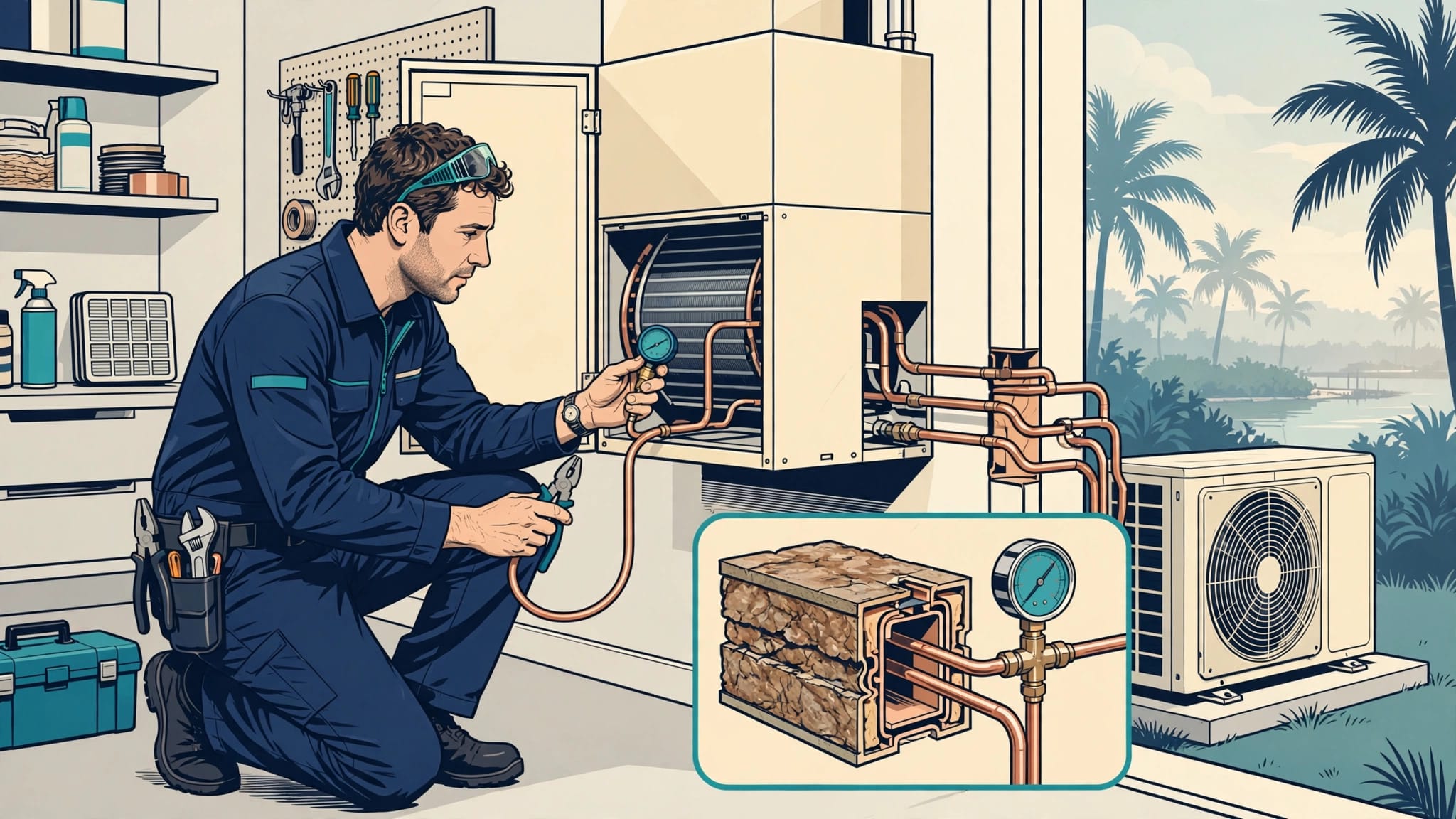
Low refrigerant can lead to weak cooling and frozen coils. Electrical issues, like a failing capacitor, contactor, or control board, can also make the unit start and stop at the wrong time.
These problems are not safe for homeowners to fix on their own. Refrigerant work requires proper tools and handling, and electrical testing can be dangerous without training.
If your AC short cycles and you see ice on the line set or hear odd clicking sounds, the system needs diagnosis. Waiting usually makes the repair more expensive.
Why Cape Coral weather makes short cycling worse
Cape Coral weather puts more pressure on an AC than many homes face inland. The cooling season is long, the humidity is high, and the system may run for much of the year with only brief breaks.
That constant use means small problems do not stay small for long. A slightly dirty filter, a weak capacitor, or a thermostat issue can turn into frequent short cycling faster when the AC is already working hard every day.
Salt air adds another layer of stress. Homes closer to the coast can see faster corrosion on outdoor parts, wiring connections, and metal components. Corrosion can affect performance, create poor contact points, and speed up wear.
High humidity matters too. When the system is not running long enough, it may remove less moisture from the air. Then the house feels sticky even if the thermostat says the temperature is fine. The AC keeps cycling, but comfort still drops.
In other words, the local climate does not just expose a problem. It can magnify it.
What you can safely check yourself
A few simple checks can help you narrow down the cause before you call for service. Keep it basic and safe.
- Replace a dirty filter if it looks dusty or packed with debris.
- Make sure vents are open and not blocked by furniture, rugs, or drapes.
- Check the thermostat settings and confirm the fan is on "auto" unless you have a reason to use "on".
- Look at the outdoor unit and clear away leaves, grass clippings, or other debris around it.
- Give the system a fresh start after a filter change or power interruption, then watch how long it runs.
- Listen for ice, rattling, or repeated clicking , because those sounds can point to a bigger issue.
Do not keep resetting the breaker every time the AC shuts off. Do not open sealed panels. Do not pour anything into the drain line unless you know the system is safe for it.
Most importantly, do not try to add refrigerant yourself. That is not a homeowner fix, and it can damage the system if the real issue is something else.
If the unit works normally for a short time and then goes back to short cycling, the trouble is probably deeper than a clogged filter.
When short cycling needs professional diagnosis
If the AC still short cycles after the easy checks, the problem likely needs a trained diagnosis. That is especially true when the unit runs for only a few minutes, shuts off, and then repeats the same pattern all day.
A technician can test for refrigerant leaks, weak electrical parts, frozen coils, clogged drains, sensor issues, and airflow problems. Those symptoms can overlap, so guessing often leads to wasted time and repeat breakdowns.
Professional help is also smart when the problem shows up in more than one form. For example, if the home feels humid, the outdoor unit seems to struggle, and the thermostat keeps calling for cooling, the system may have more than one fault.
Cape Coral homes near the coast can also develop corrosion that is hard to spot from the outside. A loose wire or worn contact can act up only under load, which makes the problem hard to trace without proper testing.
A unit that short cycles once in a while is worth watching. A unit that does it every day needs service before the compressor, fan motor, or control board takes a bigger hit.
Conclusion
AC short cycling is more than an annoyance. It can drive up energy use, wear out parts, and leave your home damp and unevenly cooled.
In Cape Coral, the mix of heavy cooling demand, high humidity, and salt air makes fast action even more important. Start with the safe checks, but if the pattern keeps coming back, the system needs a closer look.
A timely service call can stop a small fault from turning into a bigger repair, and it can get your home back to steady, comfortable cooling.
Recent Posts