Why Florida Humidity Makes Your Home Feel Sticky

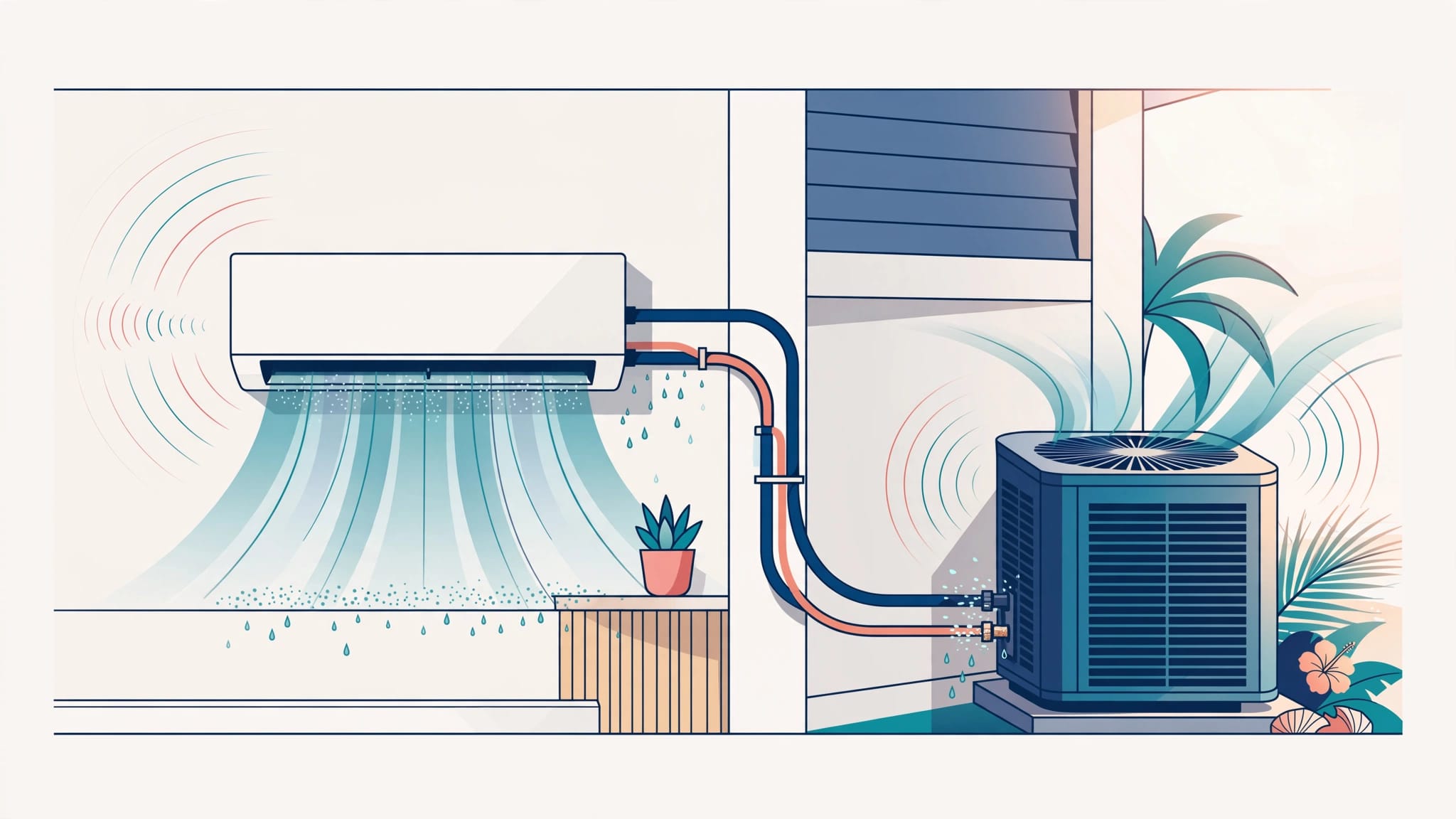
Florida air can feel heavy even when the temperature looks mild on the thermostat. That sticky feeling comes from humidity , and it can make a clean, cool home feel uncomfortable fast.
For Southwest Florida homeowners, the problem often starts outside but gets worse inside. The air can hold so much moisture that sweat slows down, surfaces feel damp, and rooms never quite feel fresh.
Why humid air feels sticky inside your home
Your body cools itself by sweating. When sweat evaporates, heat leaves your skin. When the air already holds a lot of moisture, that evaporation slows down.
That is why 76 degrees can feel fine in one house and clammy in another. The temperature may be the same, but the air does not behave the same.
High relative humidity slows sweat evaporation, so your skin stays damp longer and the room feels warmer than it should.
In Florida, that feeling shows up fast. You may notice it after a shower, after cooking, or during a rainy stretch. The air seems to sit on your skin instead of moving away from it.
A home can also trap that moisture. Once it gets indoors, it settles into carpets, furniture, bedding, and drywall. Then the whole house starts to feel soft, stale, and sticky.
The tricky part is that temperature alone does not fix it . A house can be cold and still feel humid. That is a sign the air conditioner may be cooling, but not drying the air well enough.
Outdoor humidity and indoor humidity are not the same problem
Florida outdoor humidity is unavoidable. Coastal air, summer rain, and warm temperatures all push moisture levels up. You can't control that part.
Indoor humidity is different. Your home should remove moisture as it cools the air. If it does not, the sticky feeling lingers long after you close the front door.
Here is a simple way to think about it. Outdoor humidity is the weather. Indoor humidity is the result of how well your home handles that weather.
| Situation | What you may feel | What it often means |
|---|---|---|
| Humid weather outside, but the house feels comfortable | Cool, dry indoor air | The HVAC system is managing moisture well |
| Humid weather outside, and the house feels sticky | Clammy rooms, damp skin, musty air | Indoor humidity is staying too high |
| Cool temperature, but still sticky | Air feels heavy even with low thermostat settings | The system may be oversized, short cycling, or not dehumidifying well |
If your home stays sticky after the air conditioner runs, the issue is usually inside the house, not just outside it. That matters because the fix is different.
Outdoor weather will always affect a Florida home. Still, a healthy HVAC system should keep indoor air dry enough to feel comfortable.
Common HVAC problems that leave the air clammy
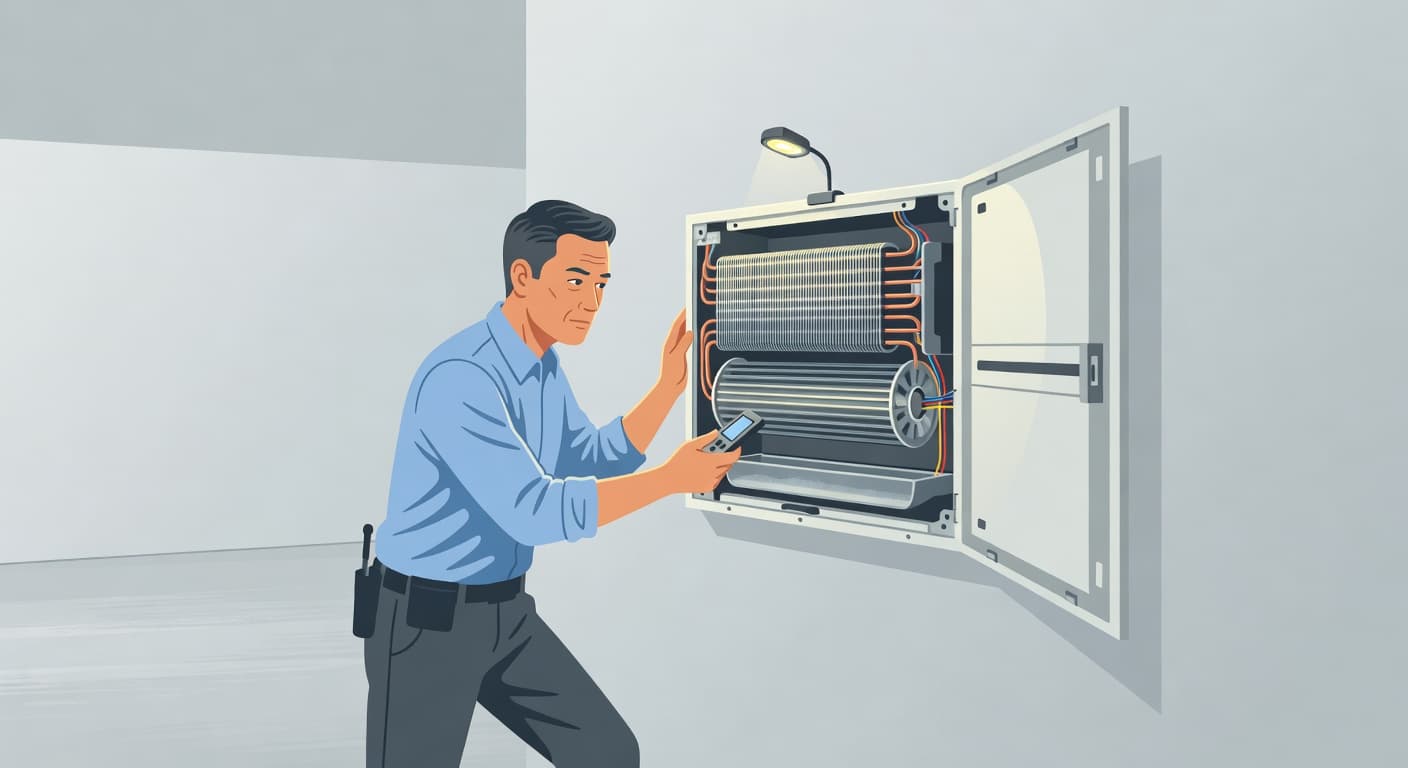
Many sticky-home complaints start with the air conditioner. The system may still blow cold air, but that does not mean it is doing the full job.
An oversized AC system is a common cause. It cools the house too quickly, then shuts off before it can pull enough moisture out of the air. That quick start-and-stop pattern is called short cycling.
Short cycling feels efficient, but it leaves humidity behind. The room drops in temperature, yet the air still feels wet. That is a bad trade in Florida.
Dirty filters can add to the problem. When airflow gets restricted, the system struggles to run the way it should. The coil may not work properly, and moisture removal drops.
Clogged drain lines matter too. If condensation cannot drain away, the system can back up, shut down, or run poorly. In humid climates, that can make a noticeable difference in comfort.
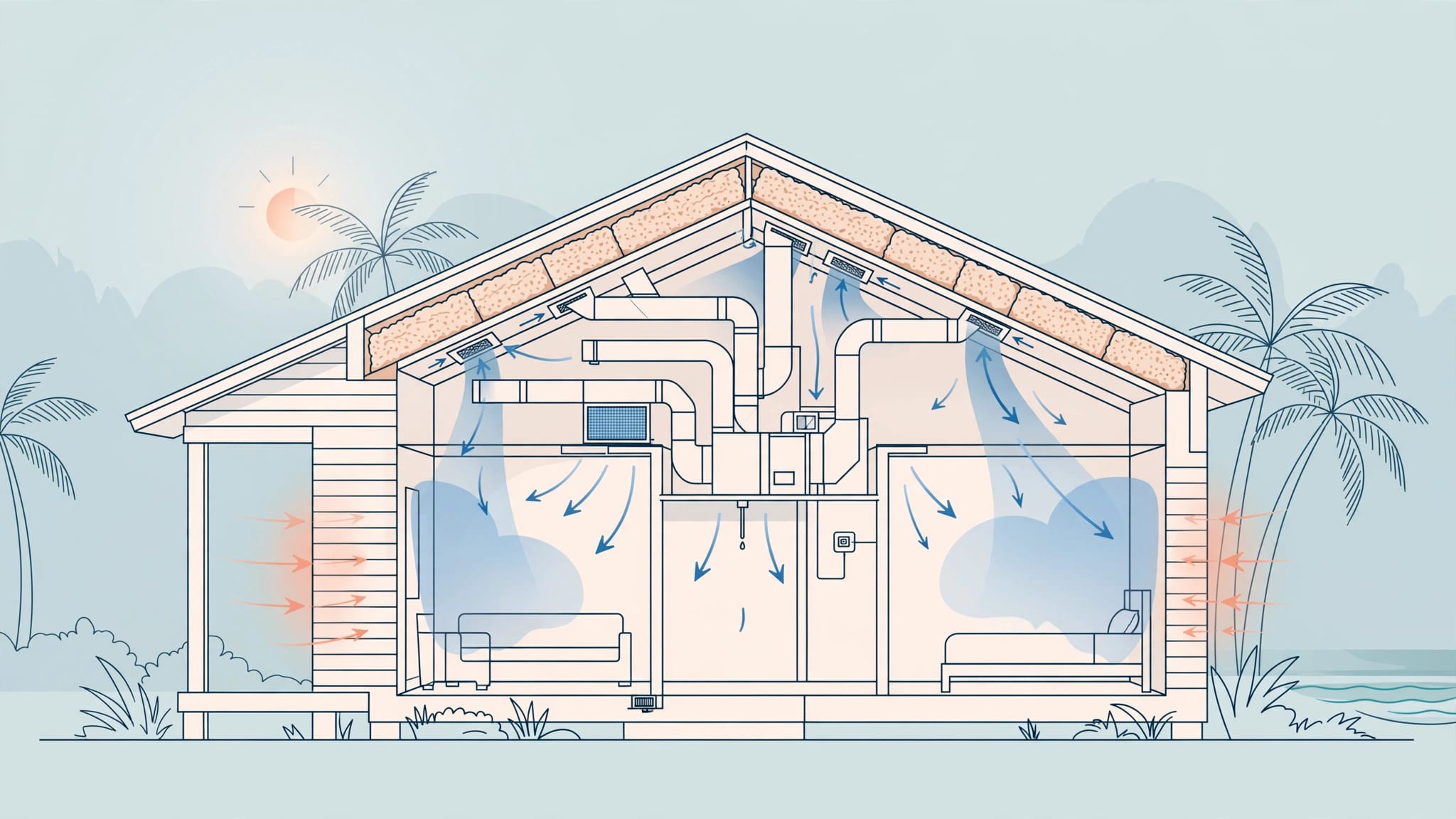
Duct issues also play a role. Leaky ducts can pull in hot, damp attic air or lose cooled air before it reaches your rooms. Poor duct design can leave some spaces sticky while others feel fine.
Aging equipment and poor maintenance can make everything worse. Coils get dirty. Parts wear down. Refrigerant issues can affect performance. Even a small problem can reduce the unit's ability to dry the air.
Common HVAC causes of sticky indoor air
- Oversized system : Cools too fast and shuts off before removing enough moisture.
- Short cycling : Creates short run times that leave humidity in the house.
- Dirty air filters : Block airflow and reduce system performance.
- Clogged drain lines : Keep condensation from draining the way it should.
- Leaky or damaged ducts : Bring in damp air or lose conditioned air.
- Poor maintenance : Lets small issues turn into comfort problems.
- Older equipment : Often loses efficiency and dehumidification power over time.
If your home feels muggy even while the AC runs often, that points to a system issue. A cool house should also feel dry enough to stay comfortable.
Home moisture sources can make the problem worse
Sometimes the HVAC system is not the only source of the problem. Everyday home habits can raise indoor humidity faster than you expect.
Showers add a lot of moisture. So does cooking, especially with pots boiling on the stove. Running a dryer indoors with poor venting can also add warm, wet air to the house.
Poor ventilation makes those problems stick around. Bathrooms without strong exhaust fans hold steam longer. Kitchens without proper venting let cooking moisture spread. Attics and laundry rooms can do the same.
Air leaks are another hidden cause. Gaps around doors, windows, attic access points, and plumbing penetrations let humid outdoor air seep inside. In Southwest Florida, that air can be thick enough to affect comfort in more than one room.
High indoor moisture can also come from the structure itself. A wet crawl space, roof leak, or plumbing leak can raise humidity and create a musty smell. If the air feels sticky and smells off, that deserves attention.
Watch for these signs:
- Condensation on windows or glass doors
- Musty odors in closets or guest rooms
- Bedding that feels damp in the morning
- Floors that seem cool and slightly clammy
- Bathrooms that stay steamy for a long time
- A general feeling that the air never clears
These clues often point to moisture staying in the home too long. When that happens, comfort drops and indoor air quality can suffer.
What Florida homeowners can try before calling for service
A few simple steps can help reduce sticky indoor air. They will not fix every HVAC problem, but they can improve comfort and reveal patterns.
Start with the thermostat. Set the fan to "auto" instead of "on" if you want better dehumidification. When the fan runs constantly, it can keep moving damp air around after the cooling cycle ends.
Replace the air filter on schedule. In many Florida homes, that means checking it every month and changing it more often during heavy use. A clean filter helps the system breathe.
Keep bathroom and kitchen fans running long enough to clear moisture. If the fan is weak or noisy, it may need service or replacement. A fan that barely moves air does little good.
Close windows and doors during humid weather. Even a short open period can bring in a lot of moisture. That matters in the summer and after rain.
Use a hygrometer if you want a simple humidity reading. This small device tells you whether the indoor air is staying in a comfortable range. Many homeowners are surprised by what they see.
The table below helps narrow down the next step.
| If you notice this | Try this first | Call a pro if it keeps happening |
|---|---|---|
| Sticky air throughout the house | Check the thermostat fan setting and filter | Yes, if humidity stays high |
| One room feels worse than the rest | Look for duct or vent issues | Yes, if the room never improves |
| Musty smell near vents or closets | Check for leaks, damp spots, or poor ventilation | Yes, if smell returns after cleaning |
| AC runs often but comfort stays low | Review filter, drain line, and thermostat settings | Yes, if the unit still short cycles |
Small fixes can help, but they do not replace real diagnostics. If the air conditioner keeps cooling without drying, the system needs a closer look.
When a professional HVAC evaluation makes sense
A professional check is the right move when comfort problems keep coming back. That is especially true if the house feels sticky no matter how low you set the thermostat.
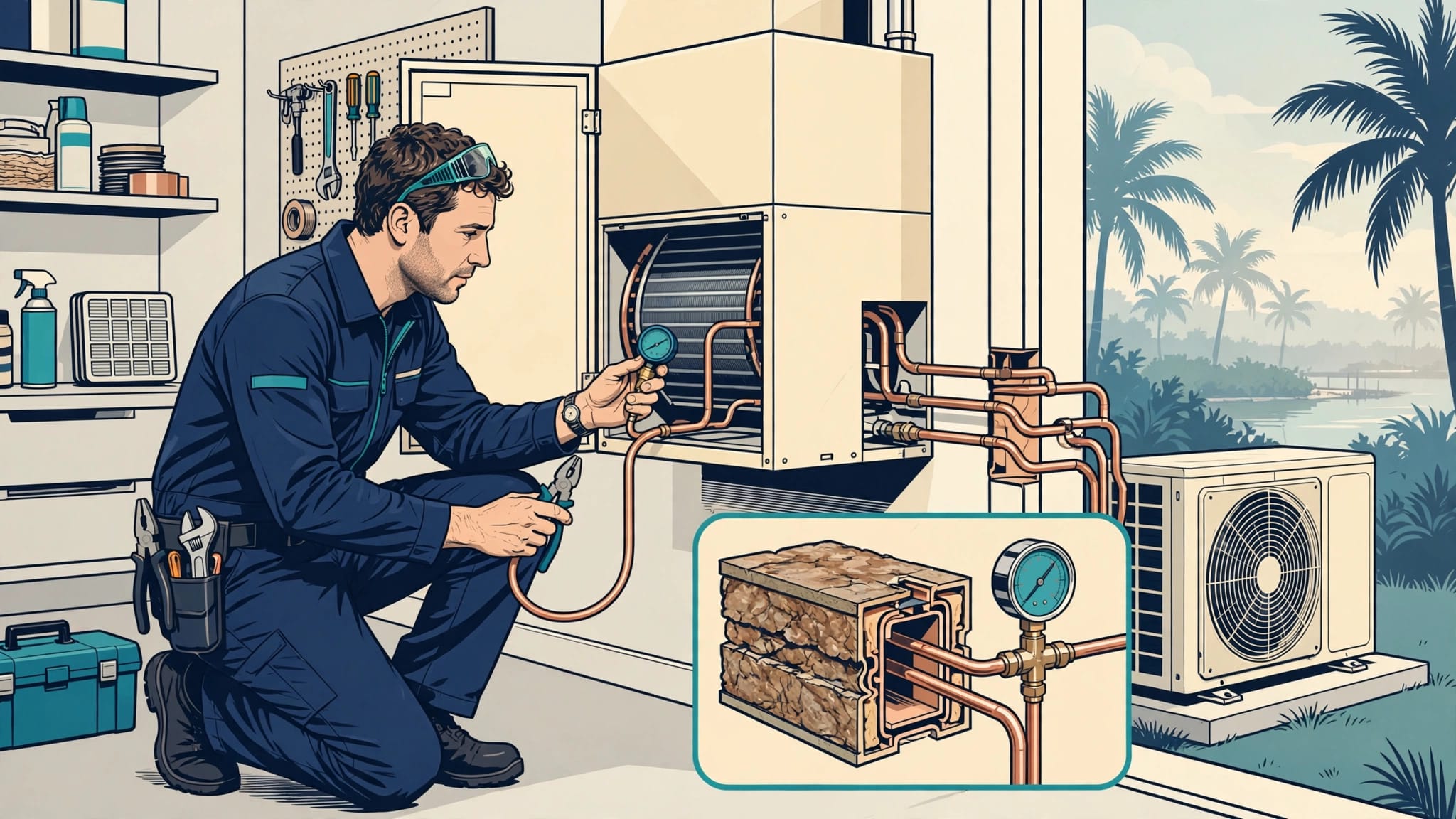
An HVAC technician can check system size, airflow, duct condition, drain lines, coil health, and overall performance. That kind of inspection matters because humidity problems often have more than one cause.
For example, an oversized system may need changes to run longer and remove more moisture. Leaky ducts may need sealing. A clogged drain line may need cleaning. Aging equipment may need repair or replacement.
In Florida, the goal is not only colder air. The goal is dry, balanced indoor air that feels comfortable through long humid stretches. When the system is tuned correctly, the house stops feeling like it has a damp blanket over it.
If you live in Babcock Ranch or anywhere in Southwest Florida, humidity control is part of everyday home comfort. A good AC system should cool the house and pull moisture out at the same time.
Conclusion
Florida humidity makes your home feel sticky because the air holds too much moisture for sweat to evaporate normally. That problem gets worse when indoor humidity stays high, especially if the HVAC system is oversized, short cycling, dirty, or overdue for service.
The good news is that sticky air usually leaves clues. Once you know the difference between outdoor humidity and indoor humidity, you can spot whether the problem is weather, ventilation, air leaks, or the AC itself.
When the house still feels clammy after simple fixes, the system needs a professional look. Dry air is a big part of comfort in Florida, and your home should feel that way every day.
Recent Posts