HVAC Return Vents: A Fort Myers Homeowner's Guide
Your air conditioner can run all day and still leave rooms warm when HVAC return vents can't pull air back into the system. In Fort Myers, blocked grilles, dusty filters, humid air, and leaky ductwork can make that problem worse.
Return vents are easy to overlook because they don't blow cold air into the room. However, they control how much air your AC can circulate. Once you know what they do and how to care for them, you can prevent several common comfort problems.
Key Takeaways
- Return vents pull indoor air back to the AC for filtering and cooling.
- Furniture, rugs, clutter, and closed doors can restrict return airflow.
- Clean visible grilles and replace filters on a regular schedule.
- Moisture, mold, unusual noise, weak airflow, and poor cooling need professional attention.
- Florida homes may also need return duct inspections when dust or humidity keeps coming back.
What HVAC Return Vents Do in Your Home
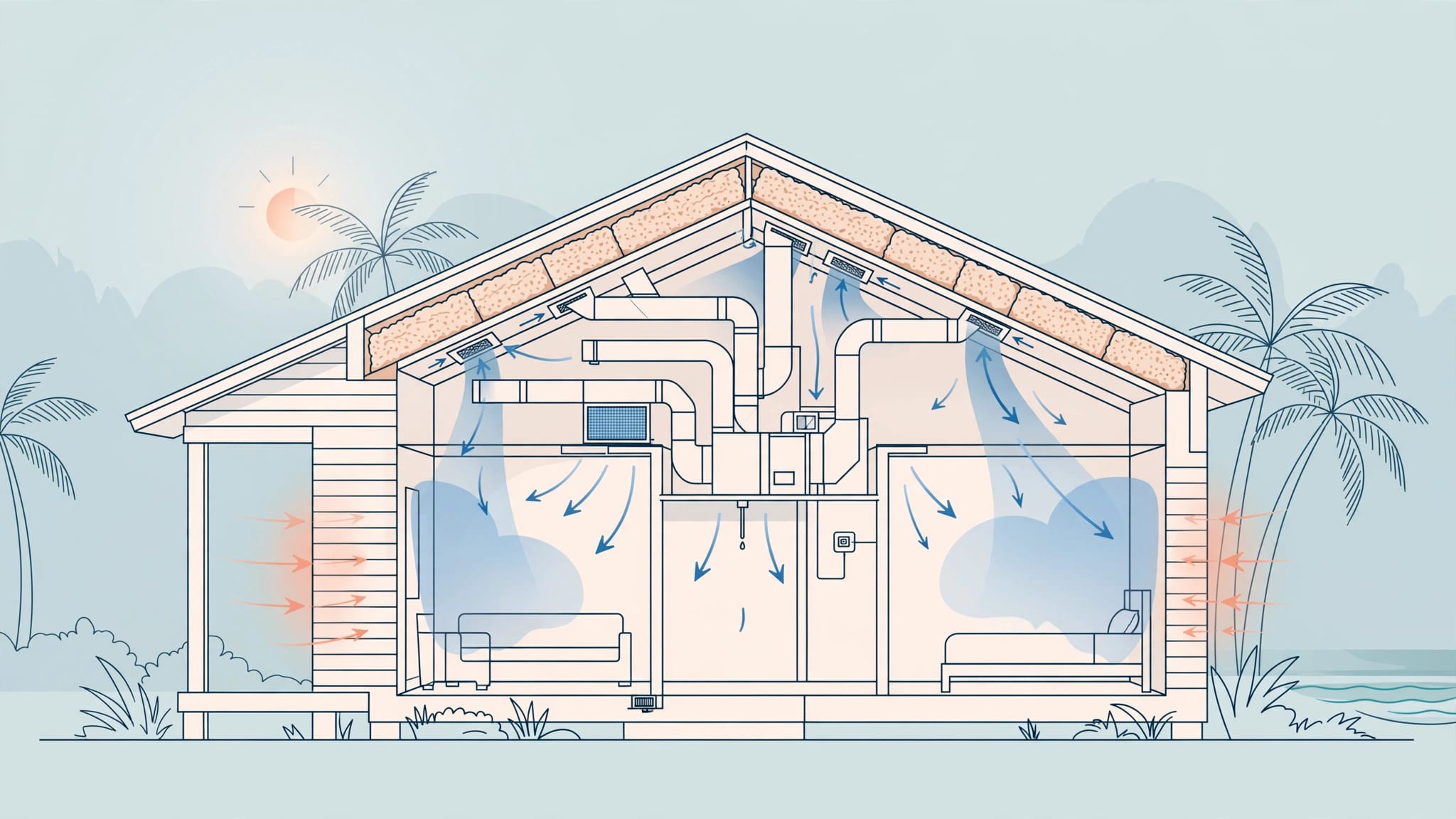
Your AC system needs two air paths. Supply vents deliver conditioned air into living spaces. Return vents pull indoor air back toward the air handler, where the system filters and cools it again.
That cycle keeps air moving through the home. When a return grille is covered, the system has less air to work with. The blower may run longer, rooms can feel uneven, and the equipment may work harder than it should.
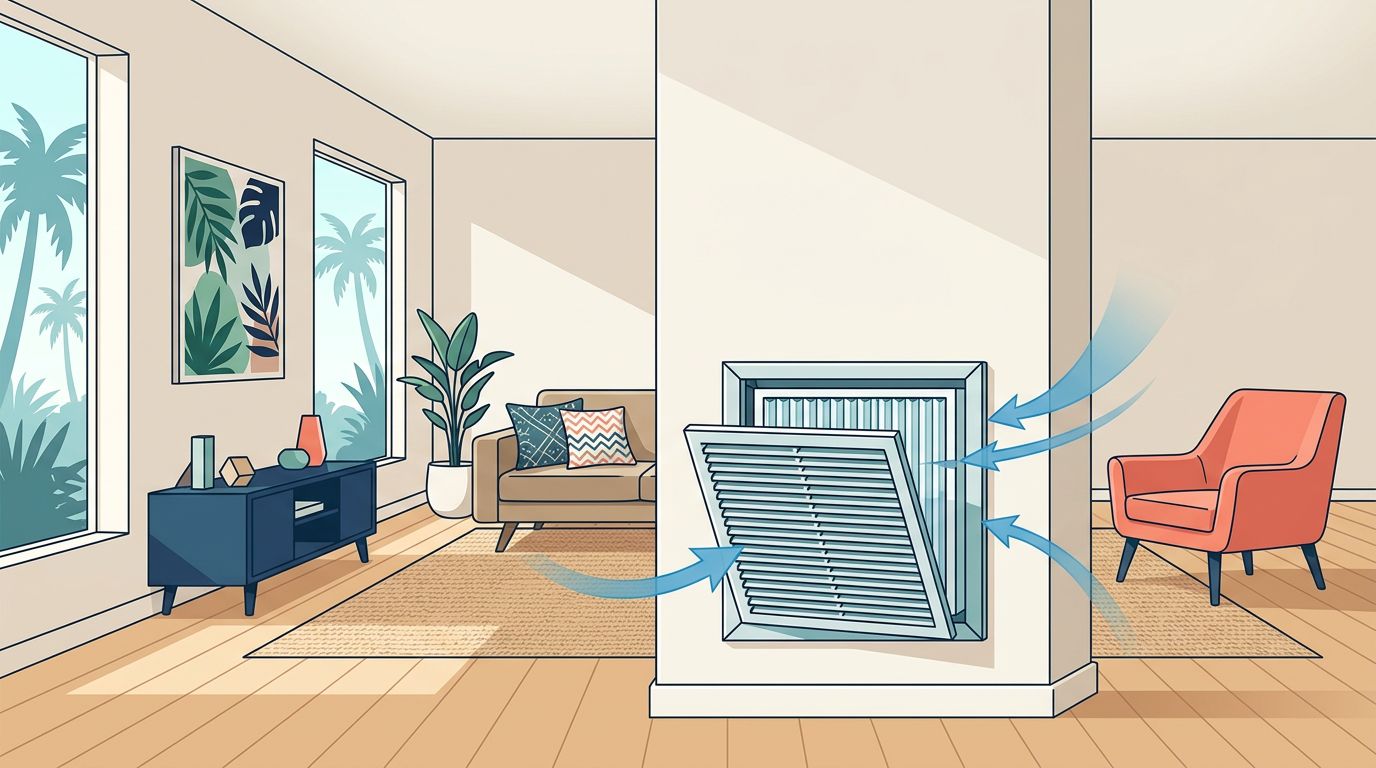
Most return grilles are larger than supply registers because they handle a greater volume of air. They may sit on a hallway wall, near the ceiling, in a central living area, or in a ceiling. Some homes have one large central return, while others have several smaller returns throughout the house.
The filter often sits behind a return grille, but not every return vent contains one. In some systems, the main filter is located at the air handler or in a dedicated filter cabinet. Placing filters in multiple locations without confirming the system design can restrict airflow, so check your equipment instructions or ask a technician.
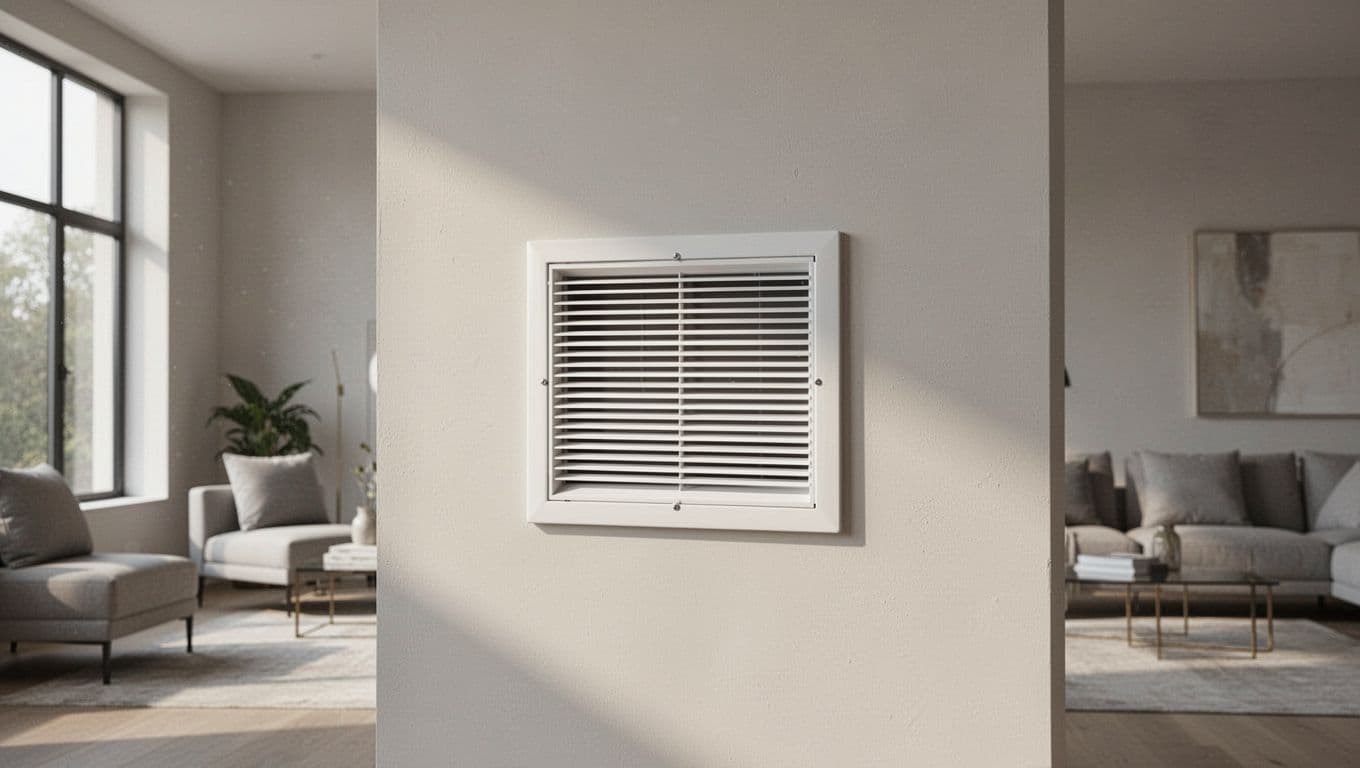
A return vent should feel like it is gently pulling air inward when the system runs. Hold a single sheet of tissue near the grille as a basic check. If the tissue barely moves, falls away, or flutters unevenly, the system may have a dirty filter, an obstruction, a duct problem, or a blower issue.
A return vent isn't meant to supply air, so don't expect cold air from it. Its job is to collect air from the room and send it back through the cooling system.
How to Find and Identify Your Return Air Vents
Start by looking for the largest grilles in your home. Return vents usually have a wide face with a fixed grille, while supply registers are smaller and often include adjustable louvers. Size alone isn't a perfect test, but it gives you a useful starting point.
Follow these steps:
- Turn the thermostat to cooling and let the system run.
- Hold a tissue near each grille without pushing it against the surface.
- Look for inward movement, which indicates return airflow.
- Check the surrounding area for furniture, curtains, boxes, or rugs.
- Find the filter location and note its size and replacement date.
Some returns sit inside hallways or open living rooms. Others are located in bedrooms, offices, or closets. A return inside a closet needs special attention because the closet door must allow air to pass. If the door closes tightly, the AC may struggle to pull air from that space.
You may also have a return grille in the ceiling. Keep storage items, hanging decorations, and tall cabinets away from it. In homes with ceiling returns, dust can collect along the grille because warm indoor air rises and carries particles with it.
If you rent or recently bought the home, ask for the HVAC layout and filter information. Knowing the return locations helps you spot airflow changes before they become an expensive cooling problem.
Why Blocked Return Vents Cause Problems in Fort Myers
A blocked return vent makes the AC work against restricted airflow. That restriction can cause weak supply airflow, longer cooling cycles, uneven temperatures, and extra strain on system components.
Keep sofas, bookcases, beds, and cabinets several inches away from every return grille. The exact clearance depends on the grille and room layout, but air needs a clear path across the face of the vent. Never place a rug over a floor return. Even a thin rug can reduce the air entering the grille.
Closed doors create another common problem. If a bedroom has a return vent, closing the door may be fine when the room has enough air transfer space. Without a return, transfer grille, or adequate door undercut, the room can become pressurized while the hallway loses air. That can lead to a hot bedroom, noisy door movement, or poor airflow from the supply register.
Dusty filters add another layer of restriction. In Southwest Florida, AC systems often run for long periods during hot, humid weather. A filter loaded with dust, pet hair, or construction debris can quickly reduce airflow.
If your AC blows warm air or supply airflow feels weak, start by checking the thermostat and filter. Then confirm that return grilles aren't blocked. You can also review these common causes of restricted AC airflow before scheduling service.
A return vent needs open space in front of it and a clear path through the duct system. Cleaning the grille won't fix a blocked duct or a closed-off room.
Return-side duct leaks can also pull hot, dusty, or humid air from an attic, garage, or wall cavity. Those leaks may increase cooling costs and spread dust through the home. If dust returns soon after cleaning, read about how leaky return ducts affect cooling costs.
Simple Return Vent Maintenance Homeowners Can Do
Regular maintenance starts with the grille. Turn off the AC before cleaning, then use a vacuum with a brush attachment to remove loose dust from the surface. Wipe the grille with a slightly damp cloth, but don't spray cleaner into the opening.
If the grille has heavy buildup, remove it only if you can do so safely and without damaging the frame. Clean both sides with mild soap and water, let it dry completely, and reinstall it securely. A loose grille can rattle when the blower runs.
Check the filter on a regular schedule. Many homes need filter changes every one to three months, but the right interval depends on the filter type, pets, renovations, allergies, and how often the system runs. Inspect it monthly during the hottest part of the year. Replace it when the media looks gray or visibly loaded with dust.
Use the filter size printed on the old filter or filter cabinet. A filter that doesn't fit can allow dust around the edges or collapse into the opening. Don't stack filters, and don't install a higher-resistance filter unless your system can handle it.
Keep the area around each return open. Move furniture that sits directly over a floor grille, keep baskets and toys away from wall returns, and avoid hanging thick curtains across a return. Make sure bedroom and closet doors can support airflow when closed.
Florida's humidity also makes moisture control important. A musty smell, dark spotting, damp grille, or recurring condensation can point to a drain, coil, duct, or indoor humidity problem. Cleaning the visible grille may improve its appearance, but it won't correct moisture inside the system. You can review these maintenance tips for musty return grilles if an odor keeps returning.
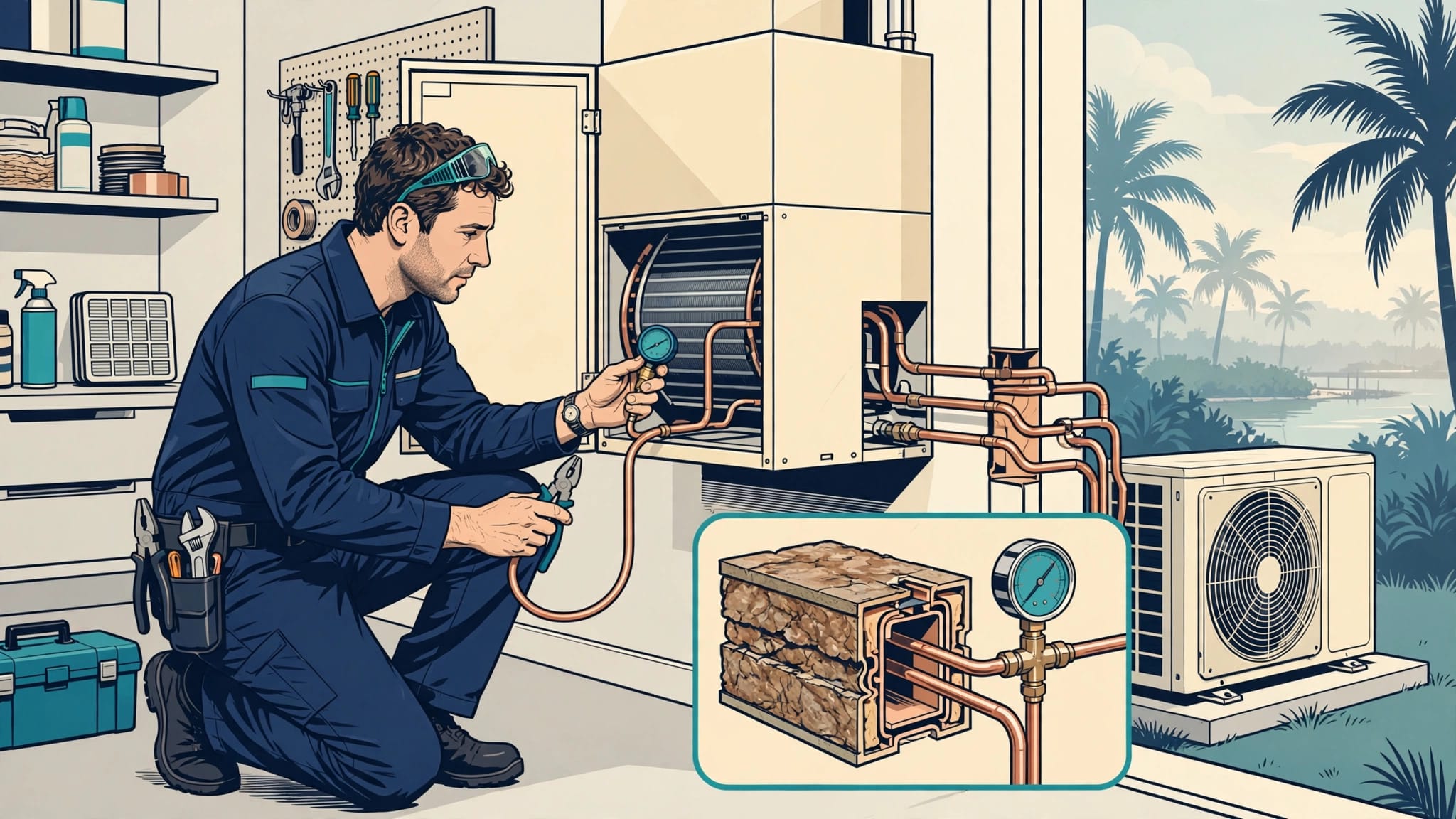
During routine AC maintenance, a qualified technician can inspect the filter location, blower, evaporator coil, drain line, return duct connections, and overall airflow. Ask for an explanation of any repair and an upfront price before approving additional work.
When to Call a Qualified HVAC Professional
Some return vent problems need more than homeowner cleaning. Contact a qualified HVAC professional when you notice:
- Persistent weak airflow after replacing the filter and clearing obstructions
- Rooms that stay hot while the thermostat shows normal cooling
- Moisture, condensation, water stains, or mold near a grille
- Musty odors that return after cleaning
- Whistling, rattling, banging, or hissing around the return
- Rising energy bills without a change in thermostat settings
- An AC that runs constantly, freezes, or struggles to reach the set temperature
A technician can measure airflow and inspect parts that homeowners can't safely reach. They may check for crushed or disconnected ducts, return leaks, an undersized grille, dirty coils, drain problems, or equipment faults.
Don't cut into drywall or ductwork to enlarge a return on your own. Return sizing affects system pressure, and an incorrect change can create new comfort problems. Mold inside ductwork or the air handler also needs a careful inspection before anyone recommends cleaning or replacement.
Homeowners in Babcock Ranch, Fort Myers, and nearby Southwest Florida communities should schedule service promptly when moisture or mold appears. Warm, damp conditions can allow a small water problem to spread if the source remains unresolved.
Conclusion
HVAC return vents keep your home's air moving through the cooling system. Clear grilles, clean filters, open doors, and unobstructed furniture layouts help your AC cool more evenly and avoid unnecessary strain.
Make return vents part of your normal home inspection, especially before the hottest months. If airflow stays weak or you find moisture, mold, unusual noise, or poor cooling, a qualified HVAC professional can identify the cause before a small issue becomes a larger repair.
Recent Posts