Indoor Humidity Fort Myers Homes: The Right Level

Indoor humidity Fort Myers homeowners can live with usually falls between 40% and 50% relative humidity . Keeping levels generally below 60% helps limit mold growth, musty odors, condensation, and moisture damage.
Fort Myers homes face a steady moisture load from Gulf air, rain, open doors, cooking, showers, and air conditioning. If your house feels clammy even at a comfortable temperature, humidity may be the problem. The right target, reliable monitoring, and a properly maintained HVAC system can make the air feel cooler and healthier.
The best indoor humidity Fort Myers homes can maintain
A practical target for most Fort Myers homes is 40% to 50% relative humidity . You don't need to hold the number at one exact percentage all day. Small changes are normal, especially when outdoor conditions shift.
Try to keep indoor humidity below 60% . Once moisture stays above that level, the home becomes more favorable to mold and mildew. High humidity can also make rooms feel warmer, cause odors to linger, and leave fabrics or wood surfaces feeling damp.
| Indoor relative humidity | What it usually means |
|---|---|
| Below 30% | Air may feel dry and irritate skin, eyes, or airways |
| 30% to 39% | Acceptable for some homes, but potentially dry |
| 40% to 50% | Comfortable target for many Fort Myers households |
| 51% to 59% | Watch the trend and check for moisture sources |
| 60% or higher | Increased concern for dampness, mold, and musty odors |
The best setting depends on the home, occupants, and HVAC equipment. A newer, well-sealed house may hold humidity more easily than an older home with leaky ductwork or frequent outdoor air intrusion.
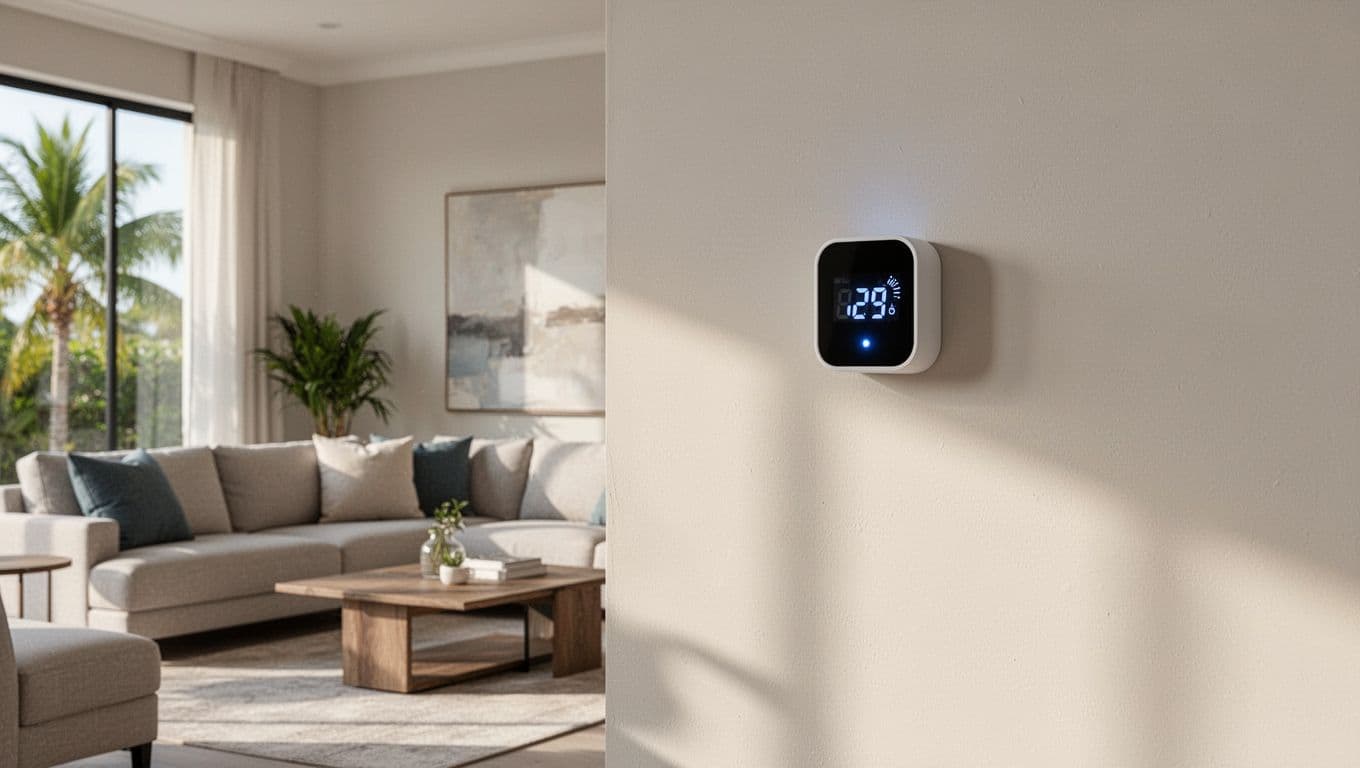
A room at 75 degrees can feel less comfortable than one at 77 degrees if the air contains too much moisture. Humid air reduces the body's ability to cool itself through evaporation, so lowering the thermostat may not solve the real issue.
Why Fort Myers homes stay humid indoors
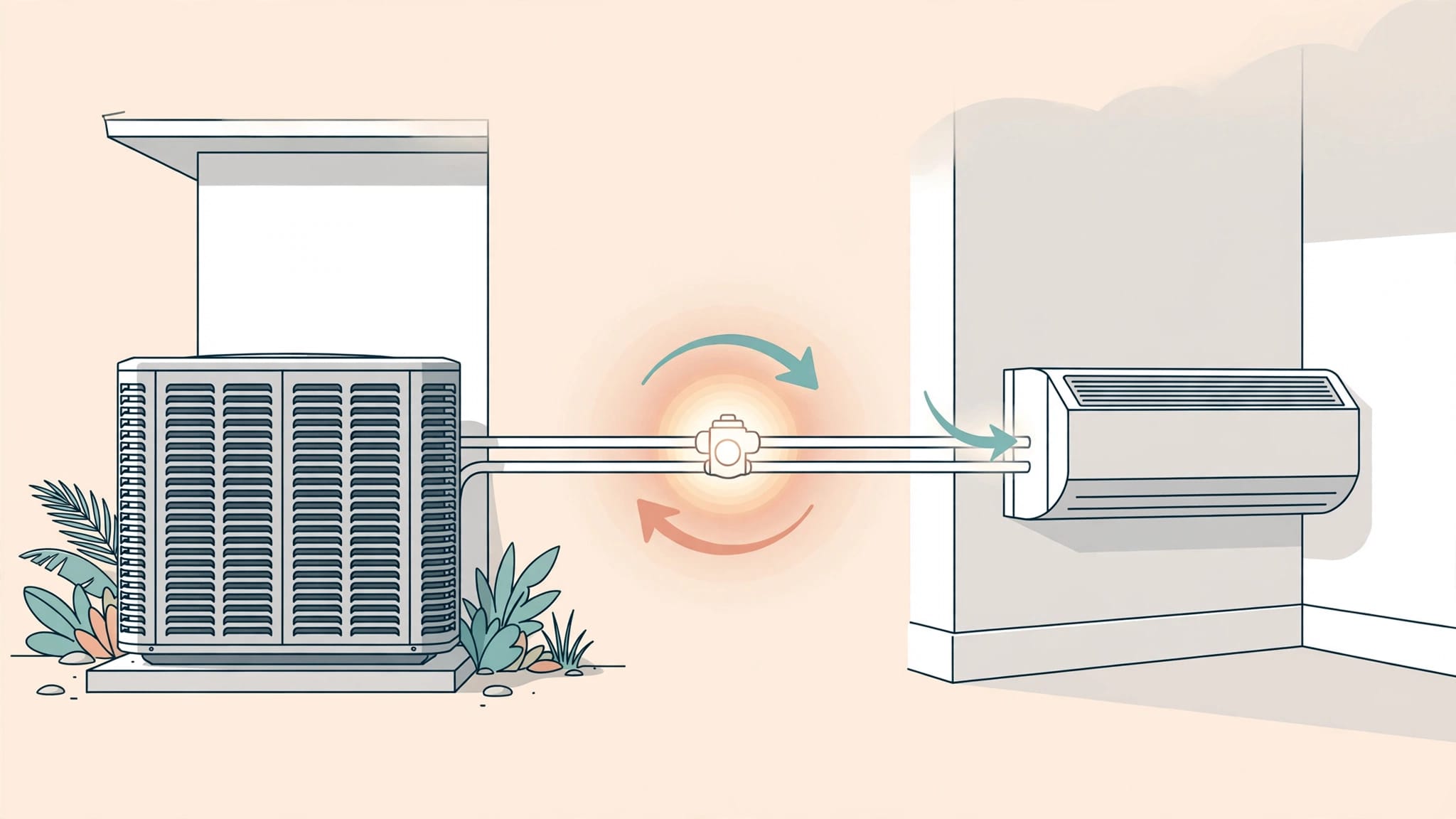
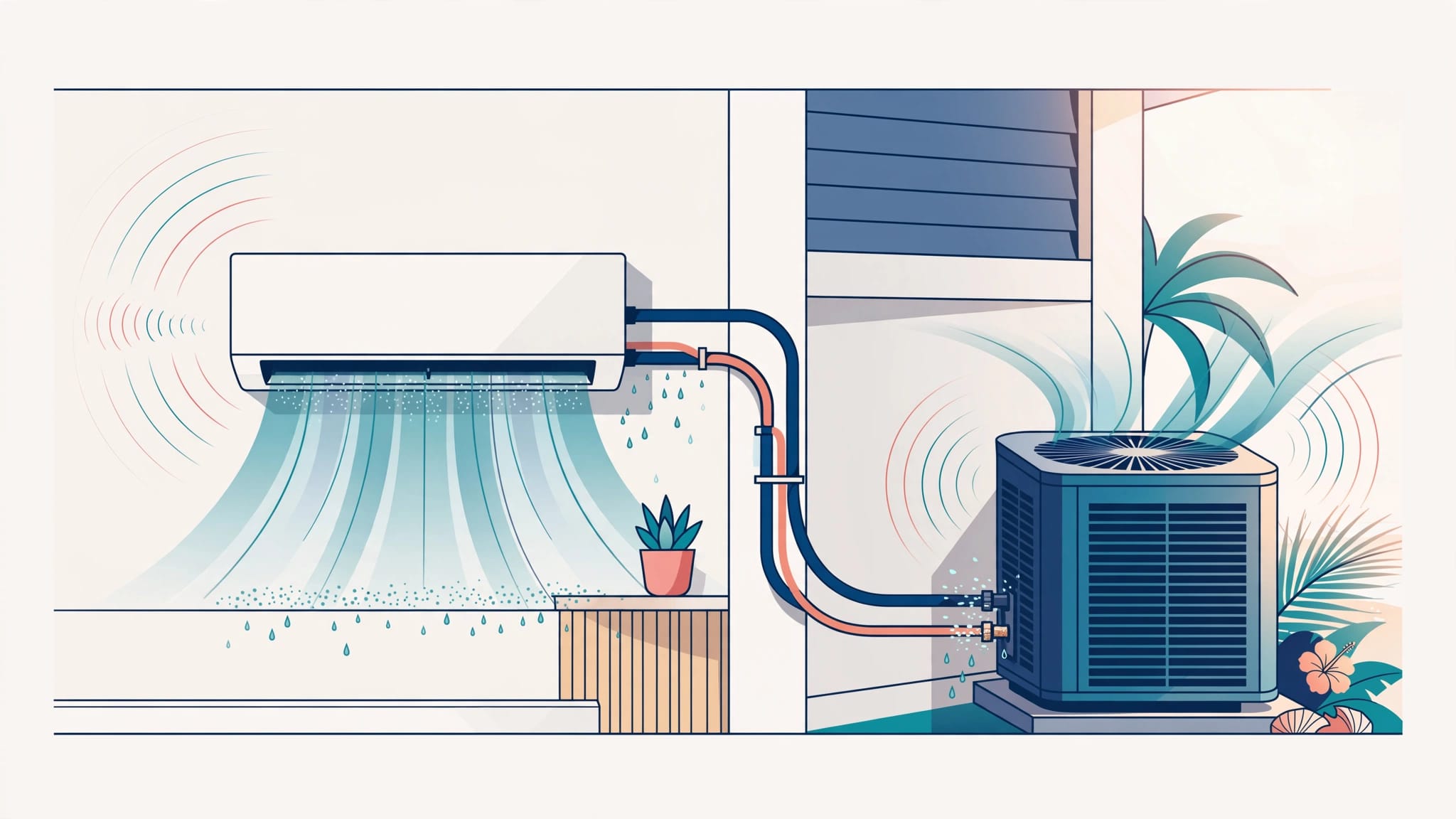
Southwest Florida has a warm, moisture-heavy climate for much of the year. Your air conditioner removes heat, but it also needs to remove water from the air. That moisture collects on the cold indoor coil and drains away through the condensate system.
Problems begin when the system doesn't run long enough to complete that process. A severely oversized air conditioner may cool the home quickly and shut off before it removes enough moisture. Short cycling creates another concern because the system starts and stops often without running through a full cooling cycle.
Several everyday conditions can add moisture indoors:
- Showers and baths release warm water vapor, especially when bathroom fans don't run during and after use.
- Cooking adds moisture through boiling water, dishwashers, and uncovered pots.
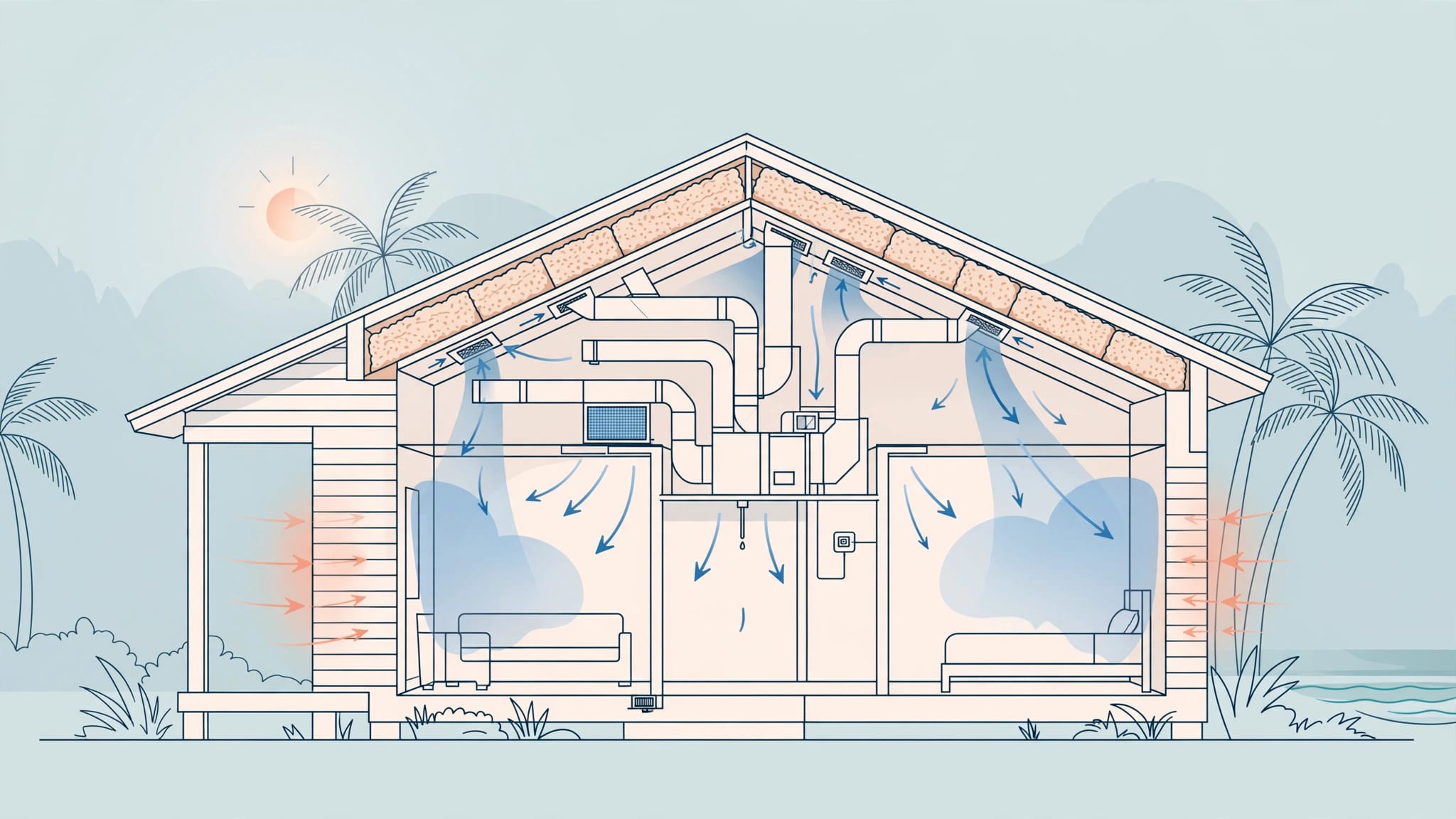
- Leaking supply ducts, gaps around doors, and poorly sealed penetrations allow humid outdoor air inside.
- A clogged condensate drain or dirty evaporator coil can interfere with normal moisture removal.
- Leaving the HVAC fan set to "On" can recirculate damp air after the compressor stops.
A musty smell near a vent, damp flooring around an air handler, peeling paint, or moisture on supply registers deserves attention. These signs don't prove mold or equipment failure, but they show that the home needs a closer look.
How to measure indoor humidity accurately
A small digital hygrometer is one of the easiest ways to monitor moisture. Many smart thermostats also show relative humidity, but a separate meter can help you compare readings in different rooms.
Place the hygrometer in a lived-in area, such as a living room or bedroom. Keep it away from supply vents, exterior doors, windows, kitchens, bathrooms, and direct sunlight. Those locations can produce readings that don't represent the room's normal conditions.
Check the reading at different times for several days. Record the number in the morning, after showers, during the afternoon, and after the air conditioner runs. One high reading matters less than a repeated pattern.
If the living room reads 48% but a bedroom stays at 63%, the whole HVAC system may not be the only issue. Poor airflow, a closed damper, duct leakage, or room-specific moisture can affect that space.
Your thermostat settings also matter. Keep the fan on Auto so the blower runs with the cooling cycle instead of pushing air through the system continuously. For more guidance, review these summer thermostat settings for Babcock Ranch and Southwest Florida homes.
Avoid placing a hygrometer directly beside a humidifier, dehumidifier, or air purifier. Give the device time to adjust after moving it, then compare readings in similar locations.
Practical ways to lower humidity at home
Start with the source before buying new equipment. Run bathroom exhaust fans during showers and for several minutes afterward. Use the kitchen exhaust fan when boiling water or running the dishwasher, and keep doors and windows closed while the air conditioner operates.
Replace a dirty HVAC filter with the correct size and type for your system. A clogged filter reduces airflow across the evaporator coil, which can affect cooling and moisture removal. Check the filter monthly during periods of heavy use, especially if you have pets, construction dust, or allergies.
Next, inspect the area around the indoor air handler. Look for standing water, staining, wet insulation, or a slow condensate drain. Never pour chemicals into a drain system unless the equipment manufacturer or an HVAC technician recommends that product. A blocked drain can lead to water damage and may trigger a float switch that shuts off the air conditioner.
If your system runs often but humidity remains high, an HVAC professional can check:
- Refrigerant charge and evaporator coil temperature
- Airflow and blower operation
- Duct leakage and return-air problems
- System sizing and short cycling
- Condensate drain performance
- Thermostat humidity settings and sensor accuracy
A whole-home dehumidifier may help when the air conditioner cannot control moisture during mild, rainy weather. Portable units can work for one room, but they require regular emptying or a drain connection. Choose equipment based on measured humidity and the home's actual moisture load.
When to call an HVAC professional
Call for service when indoor humidity remains above 60% despite normal air conditioner operation and closed windows. A professional should also inspect the system if the home feels damp at a reasonable thermostat setting, the AC runs for only a few minutes at a time, or certain rooms stay much more humid than others.
Water around the air handler, repeated drain clogs, ice on the indoor coil, and unexplained increases in electric use need prompt attention. These problems can reduce cooling performance and cause damage if they continue.
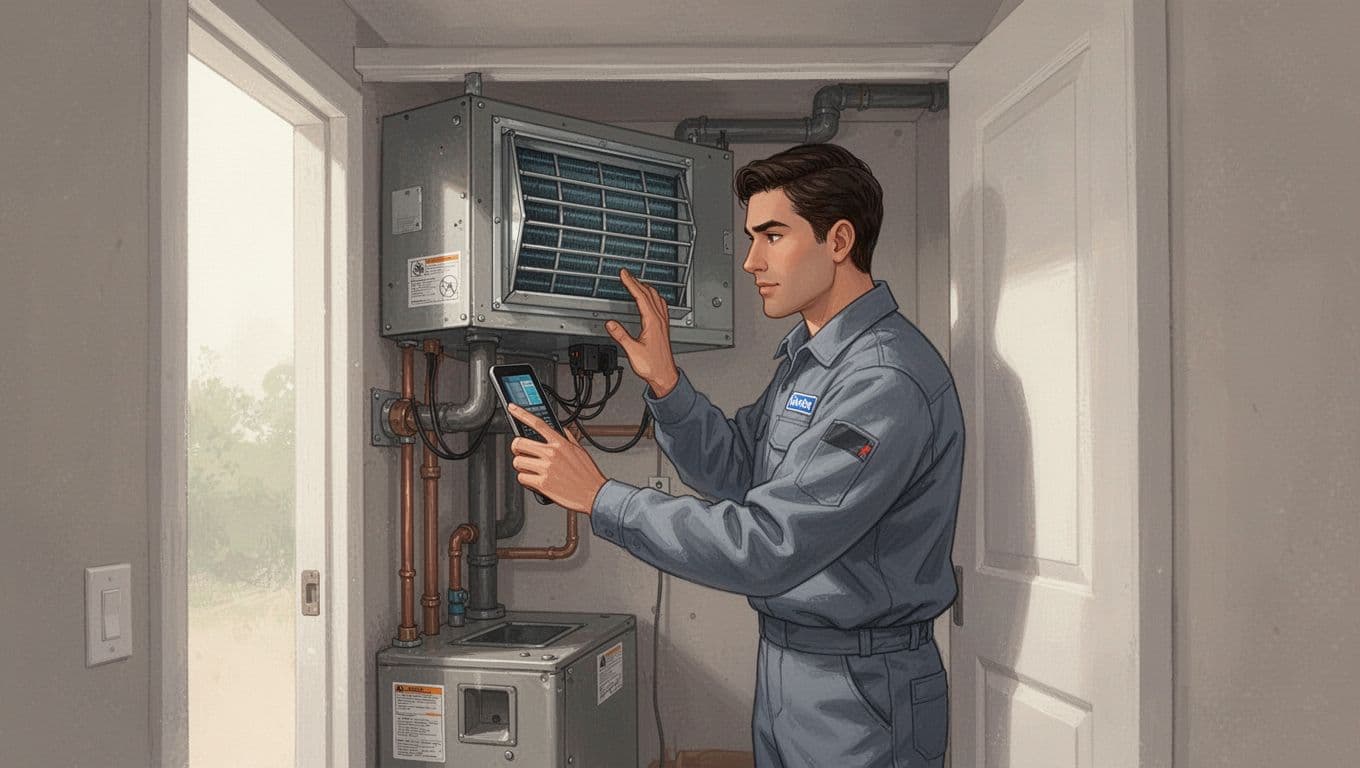
A service visit should include more than a quick temperature check. The technician should measure supply and return temperatures, inspect airflow, examine the coil and drain, and review humidity readings from the home. If the equipment is oversized, a replacement should be based on a proper load calculation rather than the size of the old unit.
Fort Myers homeowners also need to account for salt air, storms, and long cooling seasons. Regular maintenance helps technicians catch restricted airflow, dirty coils, weak capacitors, drain issues, and corrosion before they become larger comfort problems. Sunset Gulf HVAC's Comfort Club membership includes scheduled HVAC care and options for indoor air quality support.
Don't ignore visible mold. HVAC service can address the moisture source, but extensive mold cleanup may require a qualified remediation company. Fixing the humidity problem remains important because cleaning alone won't stop mold from returning.
Does a dehumidifier make sense for your home?
A dehumidifier can be useful when humidity rises during rainy weather, overnight, or mild days when the AC doesn't need to run long. It removes water without forcing the home to become colder.
Whole-home systems connect to the HVAC ductwork and can control moisture across several rooms. They make more sense for homes with persistent humidity, tight temperature preferences, finished spaces, or recurring dampness that a correctly operating AC cannot resolve.
A portable unit may fit a bedroom, garage, or enclosed lanai. However, it won't correct high humidity throughout the entire home. You also need to manage its water tank, airflow, noise, and drain location.
Before purchasing one, track humidity with a hygrometer and have the HVAC system checked. A dirty coil, failing blower, leaking duct, or condensate problem can look like a dehumidifier need. Correcting the underlying HVAC issue may solve the problem without adding another appliance.
Keep humidity steady through Florida's wet season
Humidity control works best as a routine, not a last-minute response to a musty smell. Check your hygrometer weekly, replace filters on schedule, use exhaust fans, and keep the HVAC fan on Auto.
If readings stay near 40% to 50%, the air feels comfortable, and no moisture signs appear, your home is likely in a good range. Readings that repeatedly approach or exceed 60% call for investigation.
Conclusion
The best indoor humidity Fort Myers homes can maintain is usually 40% to 50% , with a goal of keeping levels below 60%. That range supports comfort while reducing conditions that encourage mold, odors, and moisture damage.
Use a hygrometer, inspect common moisture sources, and keep your air conditioner maintained. If high humidity continues, an HVAC professional can determine whether the cause is airflow, ductwork, equipment sizing, drainage, or the need for dedicated dehumidification.
Recent Posts