Why One Room Stays Hot in Fort Myers Homes

One room that never seems to cool down can make the whole house feel off. In a Fort Myers home, that room often feels muggy by midafternoon, even when the rest of the house is comfortable.
That kind of uneven cooling usually has a clear cause. It may be airflow, ductwork, insulation, or a problem with how the system is set up.
The good news is that you can spot several clues before the issue gets worse. A little checking can save energy, improve comfort, and point you toward the right fix.
Why one room can feel warmer than the rest
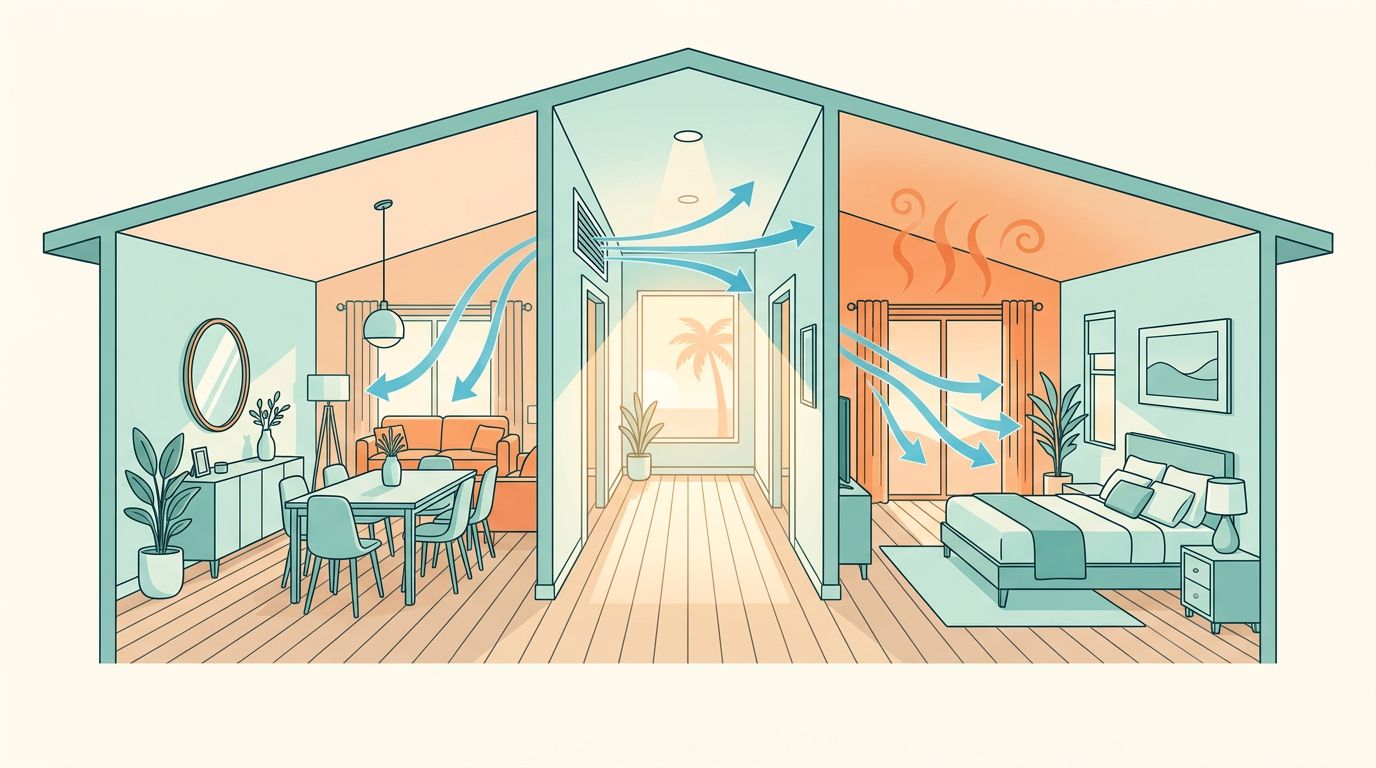
When a single room stays hot, the problem usually starts with how air moves through the home. Cool air has to reach the room, spread through it, and then leave through a return path. If any part of that chain fails, the room heats up fast.
Room size matters too. A small bedroom with one supply vent may cool quickly, while a large bonus room or a room above the garage can fight the system all day. Ceiling height, window size, and furniture placement can also change how air flows.
In Fort Myers, direct sun adds another layer. West-facing rooms often take a beating in the afternoon. Sliding glass doors, large windows, and thin insulation can turn one space into a heat trap.
A room that feels stuffy may also have poor return air . Supply vents push air in, but the room still needs a way to pull warm air back out. Without that balance, cool air pools near the floor or gets trapped near the ceiling.
Common causes of uneven cooling in one room
Several everyday issues can make one room feel like a different climate zone. Some are simple, while others point to deeper HVAC trouble.
Blocked or weak airflow
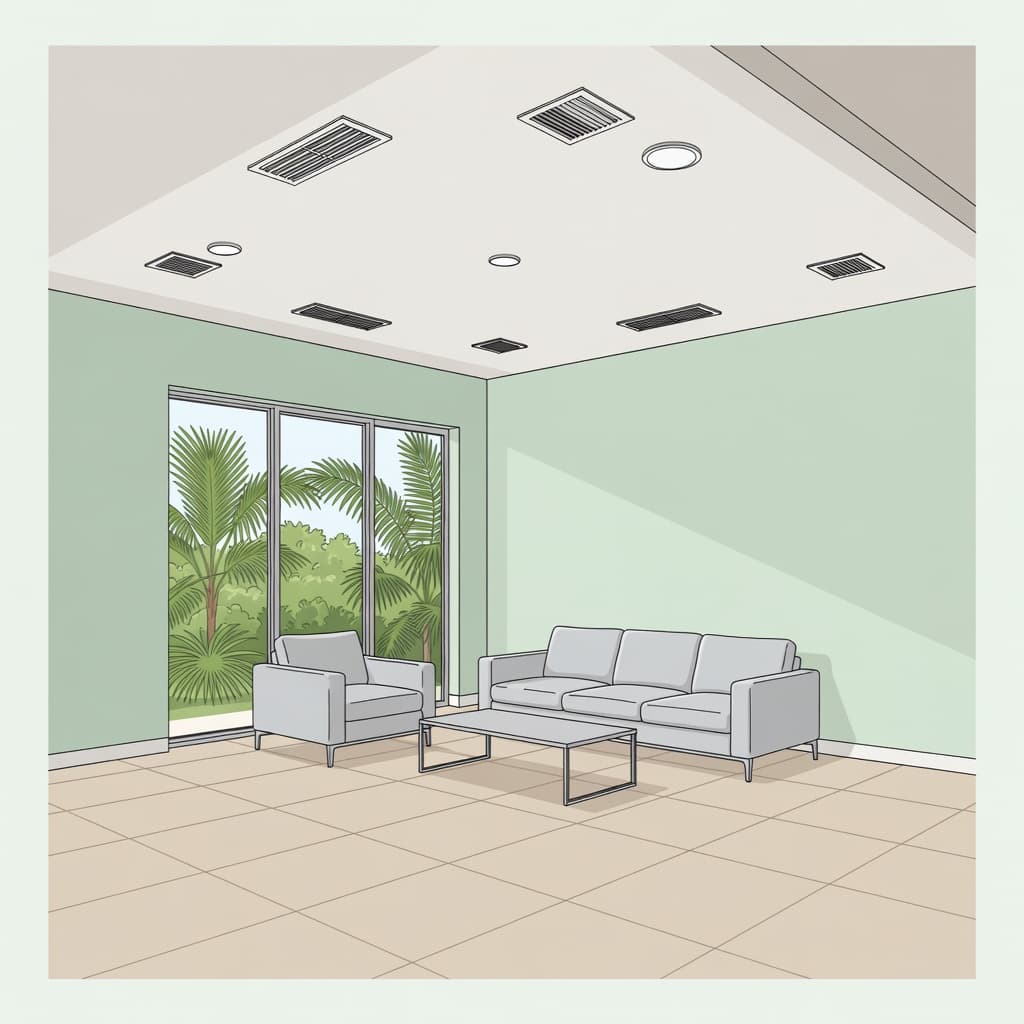
A vent that gets blocked by a rug, curtain, or piece of furniture can cut airflow in half. Even a partly closed register can throw off room comfort.
Dust buildup also slows the air moving through the vent. If the airflow feels weak compared with nearby rooms, the problem may start there.
Duct leaks or poor duct design
Air can leak out before it ever reaches the hot room. Loose duct joints, crushed flex duct, or long duct runs all reduce the amount of cool air that arrives.
Older homes in Southwest Florida sometimes have duct systems that were never balanced well. That means some rooms get more air than they need, while others stay warm no matter how low the thermostat goes.
Insulation gaps and air leaks
A room can stay hot when warm outdoor air slips in through gaps around windows, doors, outlets, or attic openings. The AC then works harder just to keep up.
Rooms above garages or under uninsulated attic spaces have a tougher job. They absorb heat from above and below at the same time.
Thermostat location
The thermostat only reacts to the room where it sits. If that area cools fast, the system may shut off before the warm room gets enough air.
This is common in homes with long layouts or added rooms. One part of the house may feel perfect while another never catches up.
Poor return air paths
A room with a supply vent but no solid return path can hold onto heat. Closed doors make this worse.
If a room stays warm with the door shut, the issue may be airflow, not system size.
Why Fort Myers weather makes the problem worse
Southwest Florida puts extra strain on cooling systems. Heat is one issue, but humidity matters just as much. A room that feels only a few degrees warmer can still feel much more uncomfortable when the air is damp.
Humidity slows the feeling of cooling. Sweat does not evaporate as well, so the room feels sticky even if the temperature difference seems small. That is why one hot room in a Fort Myers home can feel so much worse than the thermostat number suggests.
Attics also run hot here. During long summer afternoons, attic temperatures can rise high enough to warm the ceiling and the ductwork below it. If ducts run through that space, they can lose cool air before it reaches the room.
Coastal air adds another challenge. Salt and moisture can wear on metal parts, seals, and insulation over time. That makes regular care more important for homes near the water or in open, sunny neighborhoods.
A system that seems fine in spring may struggle by late summer. When the AC runs longer to handle humidity and heat, hidden weak spots show up fast.
Simple checks you can do before calling for help
A few quick checks can tell you a lot about the problem. These steps are easy for most homeowners and often reveal the first clue.
- Check the vent and register . Make sure nothing blocks the supply vent or return grille. Move furniture, curtains, and rugs out of the way.
- Replace the air filter . A dirty filter can cut airflow across the whole house, and one room may show the problem first.
- Feel the airflow . Compare the hot room vent with another room. If the airflow feels weak, that points toward a duct or blower issue.
- Look at the window exposure . Rooms that face west or south may need better shade, blinds, or window treatment.
- Close gaps around doors . A bedroom with a big gap under the door may need a better return path, not a colder thermostat setting.
- Watch when the room heats up . If it gets worse in the afternoon, sun exposure is likely part of the problem.
If the room feels better for a short time after you lower the thermostat, that does not mean the issue is fixed. It usually means the system is overworking to cover a weak spot.
When a hot room points to a bigger HVAC problem
Some uneven cooling problems need more than a quick homeowner fix. If the room still runs hot after basic checks, the AC may need professional attention.
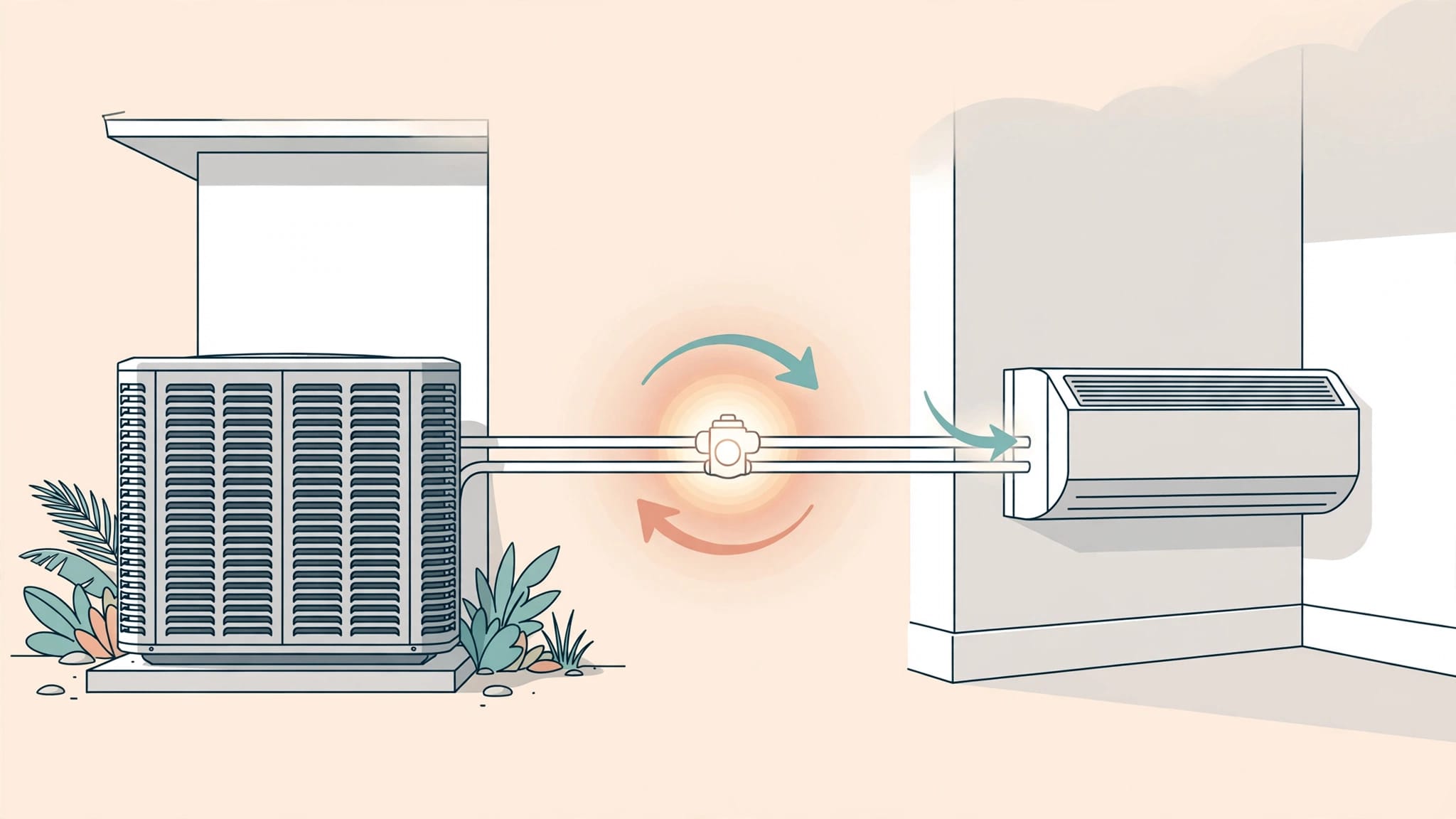
One common cause is a failing blower or a system that cannot move enough air. Another is low refrigerant, which can reduce cooling across the home. Dirty coils can also make the system lose strength, especially during long Florida cooling seasons.
Duct balance matters too. If the system sends too much air to one side of the house, a technician may need to adjust dampers or repair ductwork. In some homes, a zoning fix or thermostat relocation makes a real difference.
An undersized system can create the same symptom. If the home was expanded, enclosed, or remodeled, the AC may no longer match the load. A room addition, enclosed lanai, or converted garage often needs special attention.
Look for these warning signs:
- The room stays hot no matter what you set the thermostat to.
- Airflow is weak in several rooms, not just one.
- The AC runs for long stretches without cooling the room.
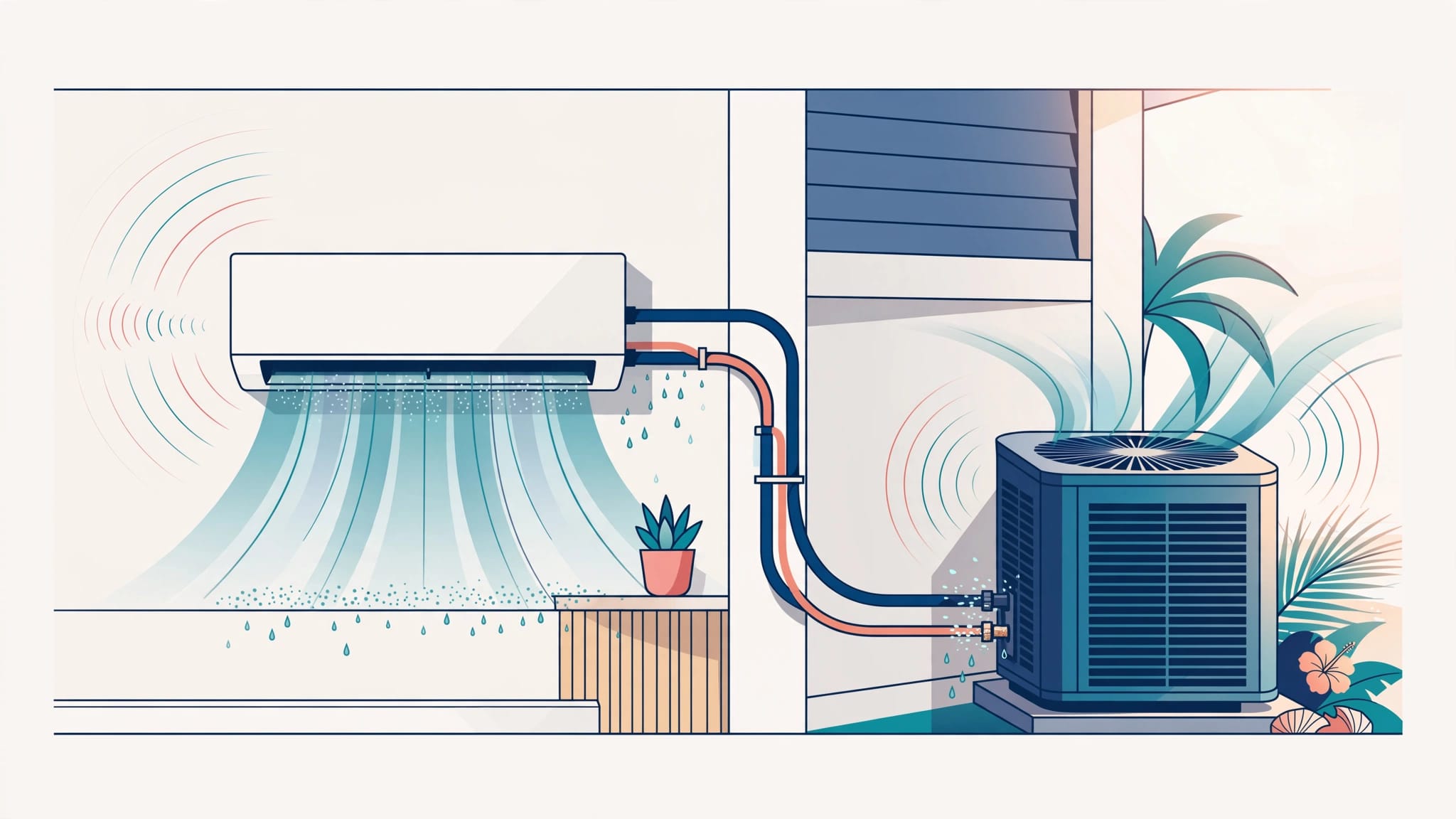
- You hear rattling, whistling, or hissing near the ducts.
- Energy bills climb, but comfort gets worse.
The longer the system runs to chase one warm room, the more energy it uses. That can wear out parts faster and raise your monthly cost. It can also make the rest of the house too cold while the problem room still feels warm.
Getting the comfort back on track
A hot room in a Fort Myers home usually has a fix, but the right fix depends on the cause. Sometimes it's a blocked vent or a dirty filter. Other times it's duct leakage, poor return air, attic heat, or a system that needs balancing.
The fastest way to narrow it down is to look at airflow, sun exposure, and when the room gets warm. If the problem keeps coming back, the issue is likely deeper than a simple setting on the thermostat.
One stubborn room can pull comfort out of the whole house. When that happens, the system needs a closer look, so the cooling reaches every room the way it should.
Recent Posts