

Why AC Supply Vents Sweat in Fort Myers Homes

A damp ring around an AC vent can show up fast in a Fort Myers home. Leave it alone, and that small patch can turn into a ceiling stain, a musty smell, or a bigger moisture problem.
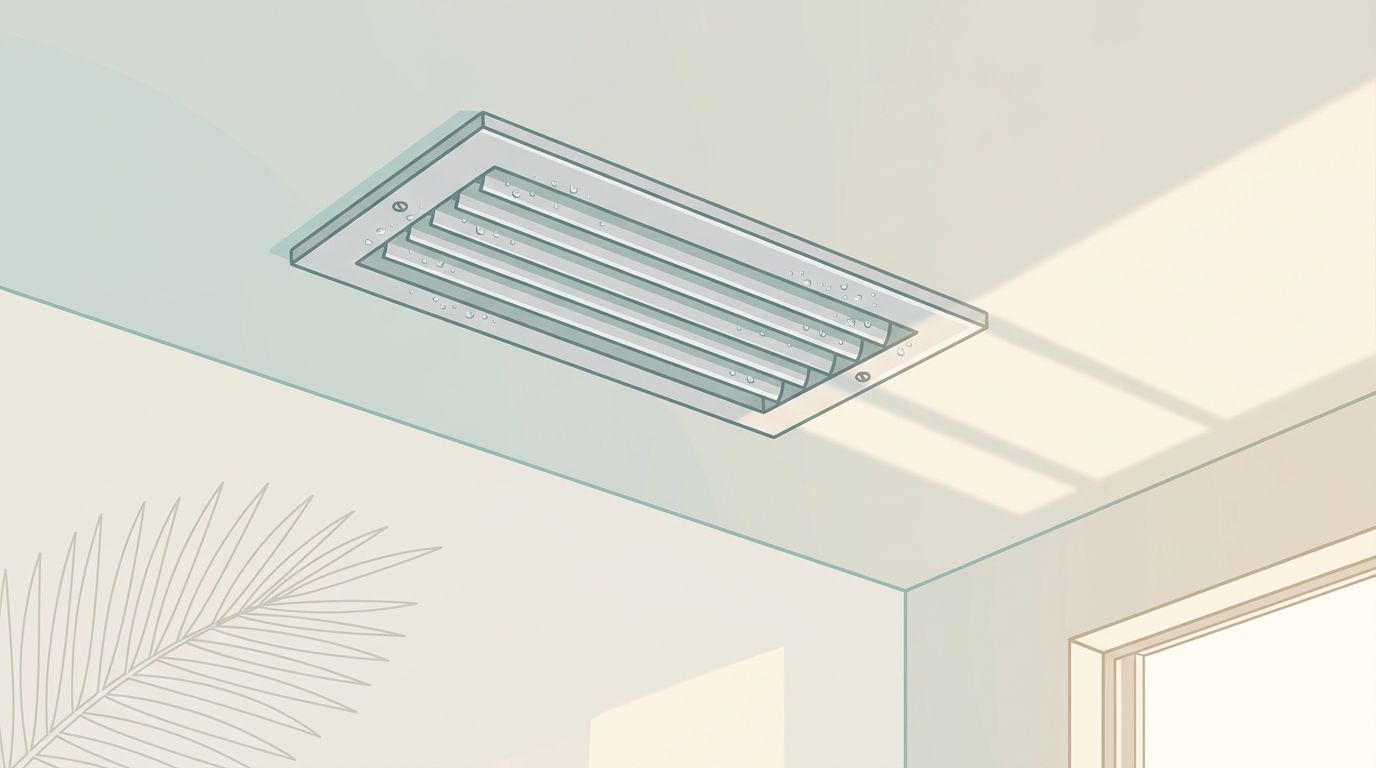
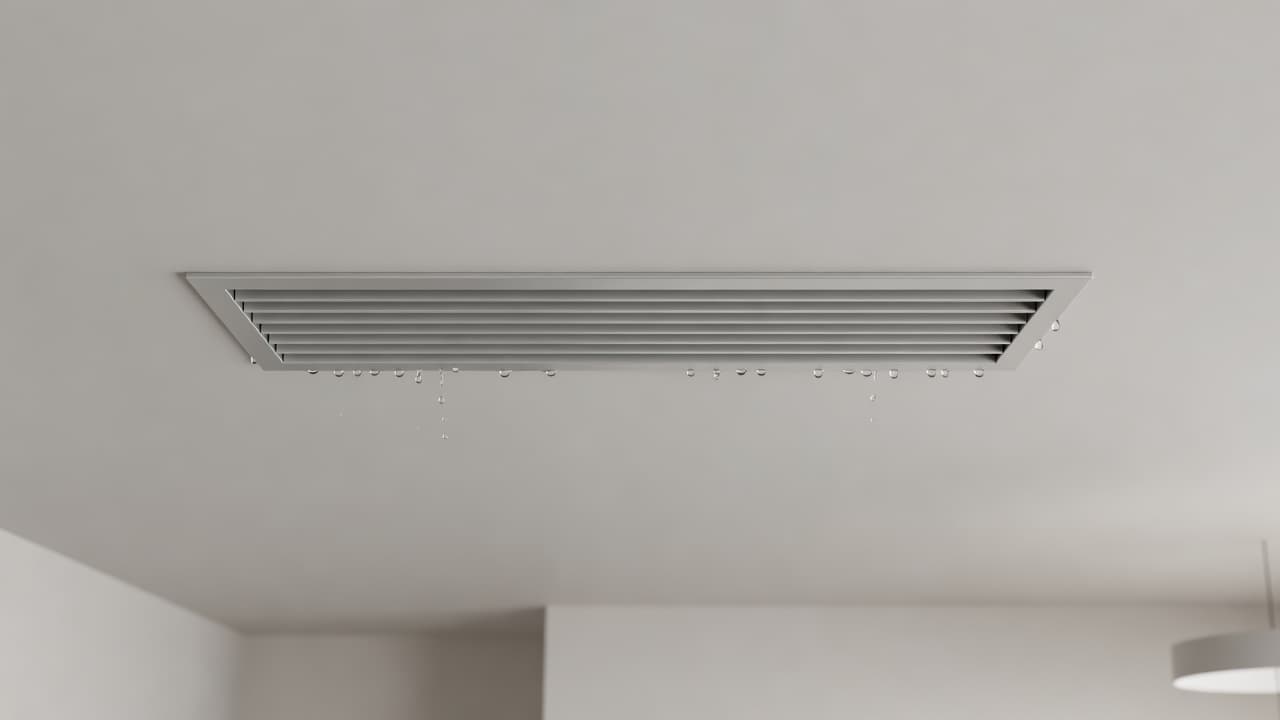
That moisture usually starts with one simple reaction. Warm, humid air meets a cold metal vent, and water forms on the surface. In Southwest Florida, that happens more often than homeowners expect, because the air stays sticky for months at a time.
The simple science behind a sweaty vent
An AC system cools indoor air, but it also cools the vent and the metal parts around it. When warm room air touches that cold surface, the moisture in the air turns into droplets.
That process is condensation, and it works the same way on a cold drink glass. The difference is that a vent is attached to your ceiling, so the water has nowhere to go. It beads up on the grille, drips down the boot, or soaks into nearby drywall.
When a vent stays colder than the surrounding air, moisture leaves the air and lands on the vent.
The problem gets worse when the system is running hard. A very cold supply vent can pull the surface temperature down fast, especially if the air in the room is already humid.
Why Fort Myers homes see it more often
Fort Myers weather gives condensation a lot of chances to form. Long cooling seasons mean your AC runs for months without much break. High outdoor humidity keeps more moisture in the air. During storm season, that moisture level climbs even higher.
That matters inside the house too. Many newer homes are tighter than older ones, which helps with efficiency but can trap humidity if the system does not dehumidify well. If the AC cools the air quickly but does not remove enough moisture, the room can still feel clammy.
Air leaks can make the issue worse. Leaky ductwork, thin insulation, and poorly sealed vent boots can let cold air hit warm attic or ceiling spaces. That temperature mix can create sweat around the register and on the surrounding drywall. If you suspect hidden duct losses, how leaky ducts cause high humidity is a useful place to start.
Homes in coastal Southwest Florida also deal with day-to-day swings. A rainy afternoon can push indoor moisture up fast. Then the AC kicks on, the vent surface gets cold, and condensation starts all over again.
What vent sweating can do to ceilings and comfort
A little moisture around one register may not look serious at first. Still, repeated AC vent sweating can leave more than a wet spot behind.
The first clue is usually a stain. Water spots often show up as yellow rings, peeling paint, or a dark patch around the grille. If the moisture keeps coming back, it can soak into the ceiling material and spread.
Mold is the bigger concern. A damp ceiling opening gives mold a place to grow, especially if dust collects there too. Once that happens, the smell can travel through the room, and cleanup becomes harder.
Comfort also takes a hit. A home with sweaty vents often feels sticky even when the thermostat says the temperature is right. You may keep lowering the setting to chase comfort, which makes the system run longer and use more power.
That extra run time shows up on your bill. It also puts more wear on the AC, because the system works harder to cool air that still feels wet.
What you can check before the problem gets worse
A few simple checks can tell you a lot before you call for help. Start with the easy stuff, then move toward the hidden causes.
- Look at the thermostat setting . If it sits very low, raise it a degree or two and see if the sweating eases.
- Replace a dirty air filter . A clogged filter can slow airflow and make some parts of the system colder than they should be.
- Check for blocked supply vents . Furniture, drapes, or even dust buildup can change how air moves through the room.
- Watch indoor humidity . If the house feels sticky all day, the AC may not be removing enough moisture.
- Inspect visible vent areas . Look for loose trim, rust, water stains, or soft drywall around the grille.
If dust keeps collecting around the registers or airflow feels weak, signs your HVAC system needs duct maintenance can help you decide whether the ducts need attention too.
You can also use your bathroom and kitchen exhaust fans more often. That helps push extra moisture out of the house before it settles on cold surfaces. A portable dehumidifier can help in some rooms, especially if the home stays closed up most of the day.
Keep an eye on where the sweat appears. One vent in one room usually points to a local issue. Several vents sweating at once suggests a larger humidity or airflow problem.
When the sweating points to a bigger HVAC issue
If the same vent keeps sweating after you change the filter and adjust the thermostat, the AC may be doing more cooling than dehumidifying. That happens in homes with short cooling cycles, oversized equipment, or poor air balance.
An oversized system cools the house fast, then shuts off before it removes enough moisture. The room gets colder, but it still feels damp. That is a common setup for vent condensation in humid climates.
Poor insulation around the vent boot can also create trouble. In many Fort Myers homes, the vent passes through a ceiling space or attic area that gets very hot. Cold supply air meeting that warm space can create a sweat zone right around the opening.
The same thing can happen if the duct run is leaking cold air into the attic. The vent still feels cold inside the room, but the surrounding material gets damp from repeated temperature swings. Over time, that can weaken the ceiling finish and spread stains farther out.
This is the point where a professional look pays off. A technician can check airflow, duct sealing, insulation, and how well the system is removing humidity. That kind of inspection helps separate a minor vent issue from a system problem that needs repair.
Conclusion
A sweaty vent is more than a nuisance in Fort Myers. It usually means warm, humid air is meeting a surface that got too cold, and your home is paying the price.
The good news is that the fix often starts with the basics, like airflow, humidity, and insulation. When AC vent sweating keeps coming back, it's time to look past the drip and find the cause before it leaves stains or feeds mold.
FAQ
Why does only one AC vent sweat?
One vent often has a local problem. The duct may be poorly insulated, the boot may leak air, or the room may hold more humidity than the rest of the house. If other vents stay dry, the issue is usually close to that one opening.
Is AC vent sweating normal in Fort Myers humidity?
Light condensation can happen during very humid weather, but it should not keep returning. If the vent sweats often, the home likely has a moisture, airflow, or insulation problem that needs attention.
Can I fix vent sweating by turning the thermostat up?
Sometimes, yes. A slightly higher setting can keep the vent surface from getting so cold. If the sweating continues, the real issue is usually humidity control, duct leakage, or poor insulation around the vent.
Recent Posts