Best Time to Replace an AC in Southwest Florida

Southwest Florida doesn't give an AC many easy days. Long cooling seasons, sticky humidity, and salt air wear equipment down faster than most homeowners expect.
When a system starts stumbling, the question isn't only whether to repair it. It's also whether you're facing the right season for a replacement.
The best time for a Southwest Florida AC replacement is usually before peak summer hits, while you still have room to plan. Still, if the system is failing now, waiting only makes the next hot spell harder.
Key Takeaways
- Spring is often the easiest time to replace an AC before summer demand spikes.
- In Southwest Florida, age, humidity control, and repair frequency matter more than one sudden breakdown.
- Older refrigerants and repeated service calls can make another repair less practical.
- A correctly sized, higher-efficiency system can improve comfort and lower run time.
Why timing matters more in Southwest Florida
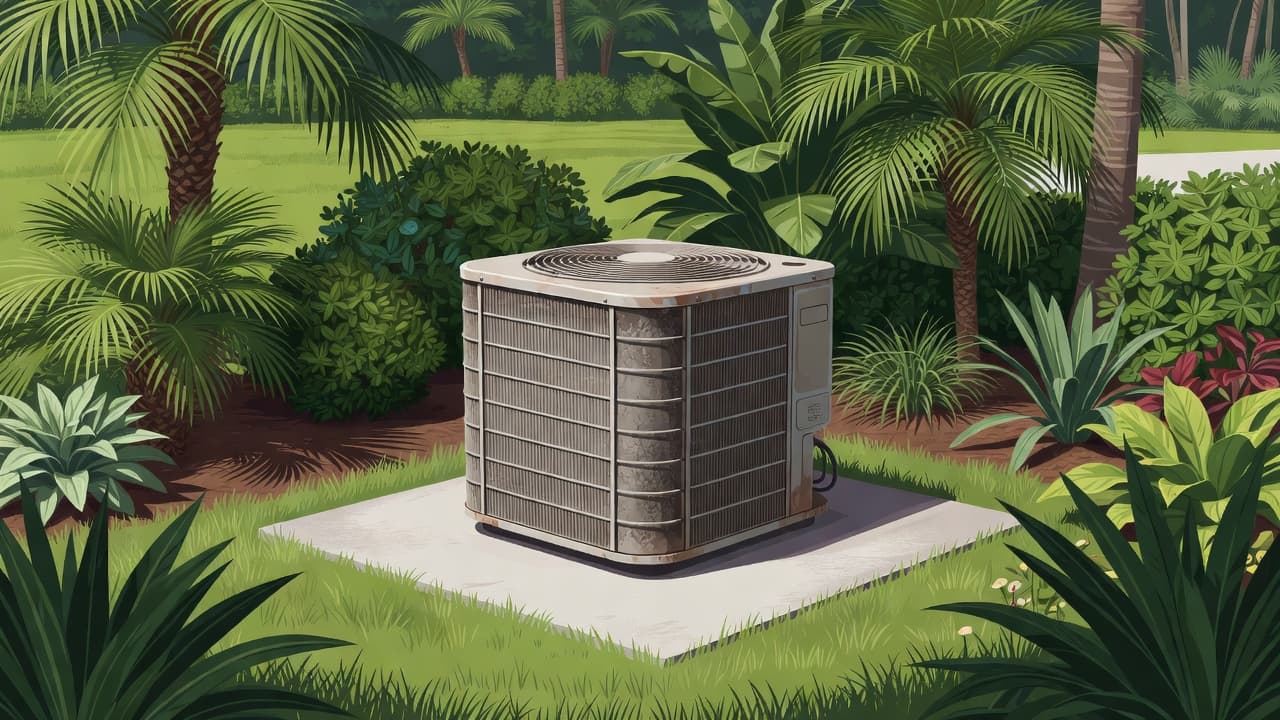
Timing matters here because the climate punishes cooling systems in small ways every day. The outdoor unit deals with heat, humidity, salt, and debris, while the indoor coil works for months without much rest.
That wear adds up. A system that seems fine in November can struggle badly once afternoon temperatures climb and the house needs cooling for much of the day. Heavy summer use exposes weak parts fast.
Spring is the sweet spot for many homeowners. Technicians usually have more room in the schedule, and you can compare equipment, warranties, and installation details without an urgent deadline. Fall is another practical window, especially after the longest stretch of use.
Waiting until the first failure in July is the hardest route. You may still get a solid result, but you lose the chance to choose the timing, compare options calmly, and avoid a house that heats up while you make decisions.
Signs your AC is past the repair stage
Age matters, but age alone does not tell the full story. In this climate, a 10 to 12-year-old system deserves a close look, and many 15-year-old units are better candidates for replacement than another repair.
A quick comparison can help you spot the pattern.
| Sign | What it usually means | Why it matters |
|---|---|---|
| Repairs keep piling up | A major part is wearing out | Money starts going to a system near the end of its life |
| Some rooms stay hot | Airflow or cooling capacity is slipping | Comfort gets uneven fast in summer |
| The house feels sticky | The unit isn't removing enough moisture | Humidity is a big deal in Southwest Florida |
| Energy bills keep climbing | Runtime is getting longer | The system is working harder for the same result |
| The refrigerant is older | Service may be harder or more expensive | Repair options can shrink with age |
Some older units still rely on R-22 refrigerant, and that can make repair costs climb fast. One dirty coil or a weak thermostat can mimic these symptoms, so the pattern matters more than any single issue.
When two or three of these show up together, replacement deserves a serious conversation. One repair can make sense. Repeated repairs usually mean the system is spending more time limping than cooling.
The best season to schedule a replacement
Once an AC starts failing, the calendar matters less than the condition of the system. A dead compressor in June still needs attention because comfort and indoor moisture control can drop fast.
That said, planned replacements work best in late winter, spring, or early fall. Those months give you more scheduling choices and fewer days spent living with a weak system. They also let you compare equipment without sweating through the process.
Homeowners who wait for the first breakdown often make decisions under pressure. Equipment choices narrow, the house gets warmer, and the next available appointment can feel too far away.
If the system is already struggling before summer, the best time to replace it is usually now, not after a breakdown.
If you want to start the process before the heat ramps up, get a free HVAC replacement quote. A planned visit gives you room to ask questions and compare the numbers without rushing.
What to plan before installation day
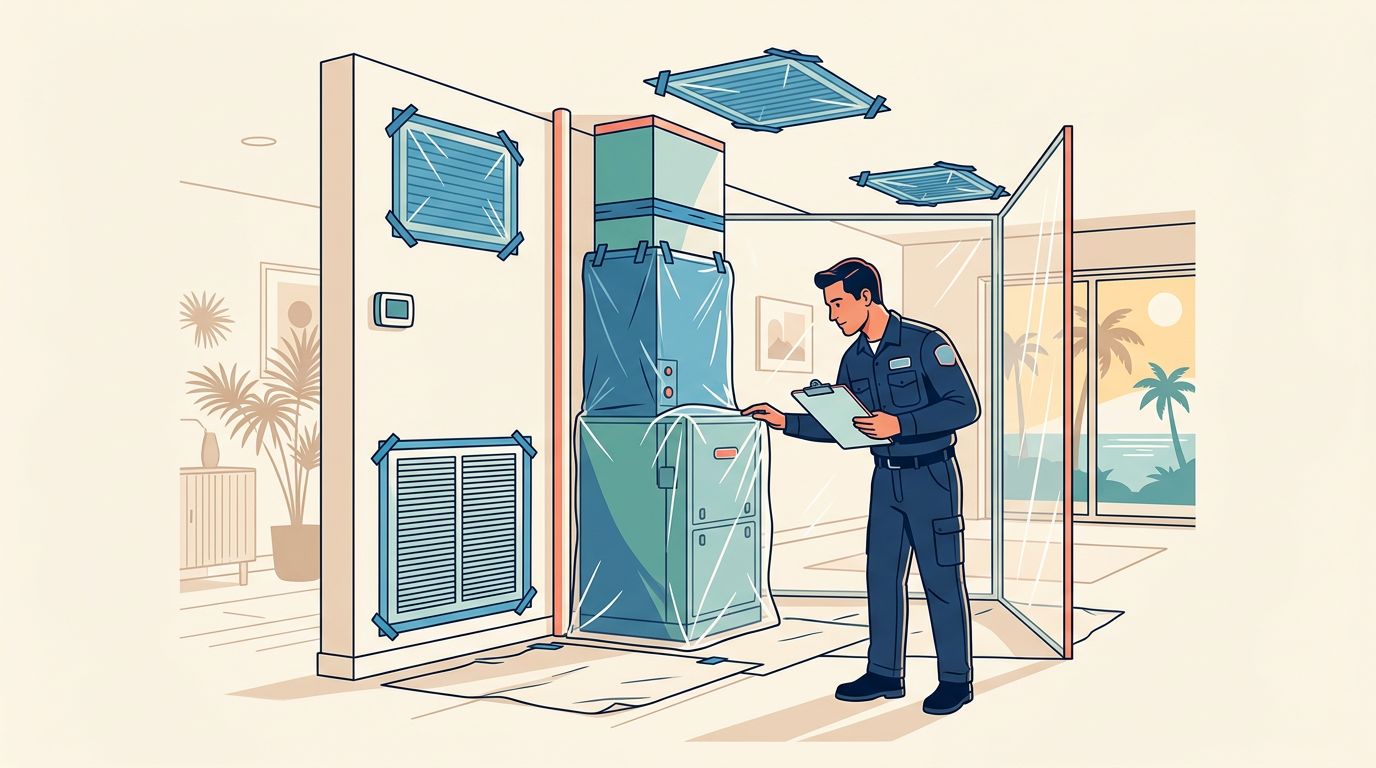
Choosing the right replacement takes more than matching the old unit's model number. The house may have changed since the last install, especially if insulation, windows, shade, or ductwork are different now.
That is why proper sizing matters. A unit that is too small runs almost nonstop, while an oversized unit can cool too fast and still leave the air sticky. Understanding AC sizing for new installations helps homeowners ask better questions before they approve a quote.
In Southwest Florida, humidity control matters as much as temperature. A newer high-efficiency system can help the house feel drier and more even, especially when it is matched to the home's load. The goal is steady comfort, not just a colder thermostat number.
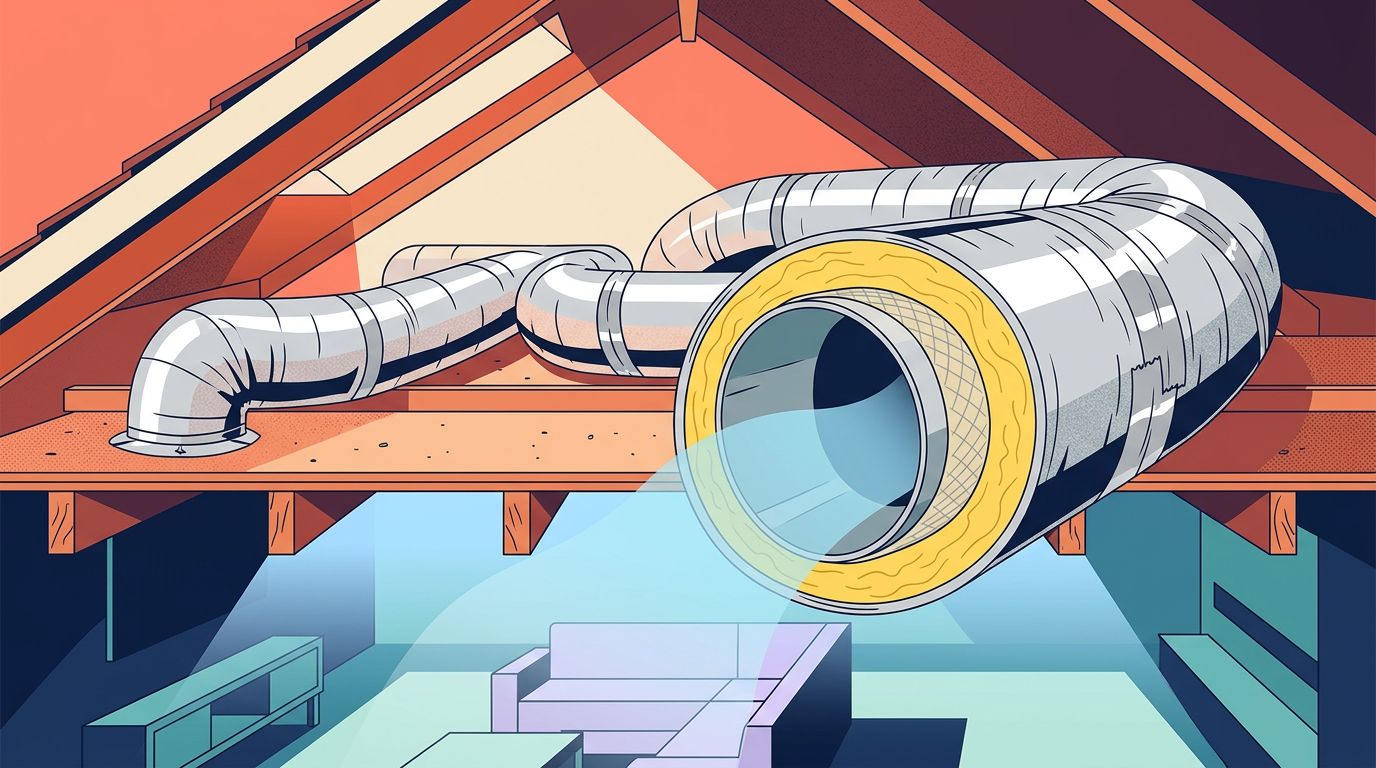
Ask about the ducts, the thermostat, and any signs of airflow trouble. A great system can still underperform if the return is restricted or the ductwork leaks air. Coastal homes also benefit from equipment and coil protection that can handle salty air better than a basic setup.
A good replacement plan looks beyond installation day. If the home needs duct fixes, better airflow, or a thermostat upgrade, it usually makes sense to handle those issues at the same time. That gives the new system a cleaner starting point.
When waiting starts to cost more
Repairing an older AC can make sense when the issue is small and the rest of the system is still healthy. The trouble starts when the same call keeps coming back a few months later.
Repeated service visits eat into the money that could have gone toward a new unit. So do emergency calls, especially when the system fails after hours or on a weekend. In Southwest Florida, that can turn a comfort issue into a miserable night very quickly.
Older refrigerant can also change the math. Some older systems use refrigerants that are harder or pricier to service, which makes the next repair less appealing than it looked a year ago. At some point, the choice becomes less about fixing a machine and more about protecting your comfort through the next long cooling season.
A weak system can also wear on the rest of the house. Rooms feel uneven. The air stays clammy. The AC runs longer and still leaves you reaching for a lower setting.
A replacement before failure gives you time to choose the right equipment, schedule the work on your terms, and avoid rushed decisions during the hottest week of the year.
Conclusion
Southwest Florida gives an AC little grace, so the smartest time to replace one is usually before the hottest stretch begins. That keeps you in control of the schedule, the equipment choice, and the installation itself.
Age, humidity problems, uneven rooms, and rising repair bills all point in the same direction. When those signs start stacking up, a new system is often the better investment than another patch.
If your AC is nearing the end, don't wait for the first breakdown of summer to make the call. Before peak summer is when replacement is easiest on your house and your schedule.
Recent Posts