
SEER2 Ratings for Southwest Florida AC Replacements

A high SEER2 number looks good on paper, but it doesn't guarantee comfort in Southwest Florida. Your AC has to handle long cooling seasons, sticky humidity, and heavy daily use, so the label is only part of the story.
If you're replacing a system in Babcock Ranch or anywhere nearby, the real question is how that rating fits your home, your ducts, and your budget. SEER2 matters, but so do sizing, airflow, and installation quality. The right choice keeps your house cooler without turning your utility bill into a surprise.
Key Takeaways
- SEER2 measures cooling efficiency under updated test conditions, so it gives a better comparison than older SEER ratings.
- In Southwest Florida, humidity control and long runtimes matter just as much as the number on the box.
- A properly sized system with sound ductwork can outperform a higher-rated unit that is installed poorly.
- The best SEER2 choice depends on home size, insulation, windows, duct condition, and how often you run the AC.
- Ask for a load calculation and a clear written quote before you approve a replacement.
What SEER2 Means on a New AC
SEER2 stands for Seasonal Energy Efficiency Ratio 2. In plain English, it tells you how much cooling a system can deliver for the electricity it uses over a season. A higher number usually means better efficiency.
The key word is "usually." SEER2 is helpful for comparing equipment, but it does not tell the whole story about how your home will feel in August. Two systems with the same rating can perform very differently if one is sized and installed well, while the other is not.
Older AC labels used SEER, while newer equipment uses SEER2 testing. The updated test conditions are tougher, so the number reflects real-world pressure a little better. That makes it more useful when you're comparing replacement options.
Still, the label only measures the machine. It doesn't measure your attic insulation, duct leaks, or whether your home faces full afternoon sun. Those details shape your energy bill just as much as the equipment rating.
Why Southwest Florida Changes the Equation
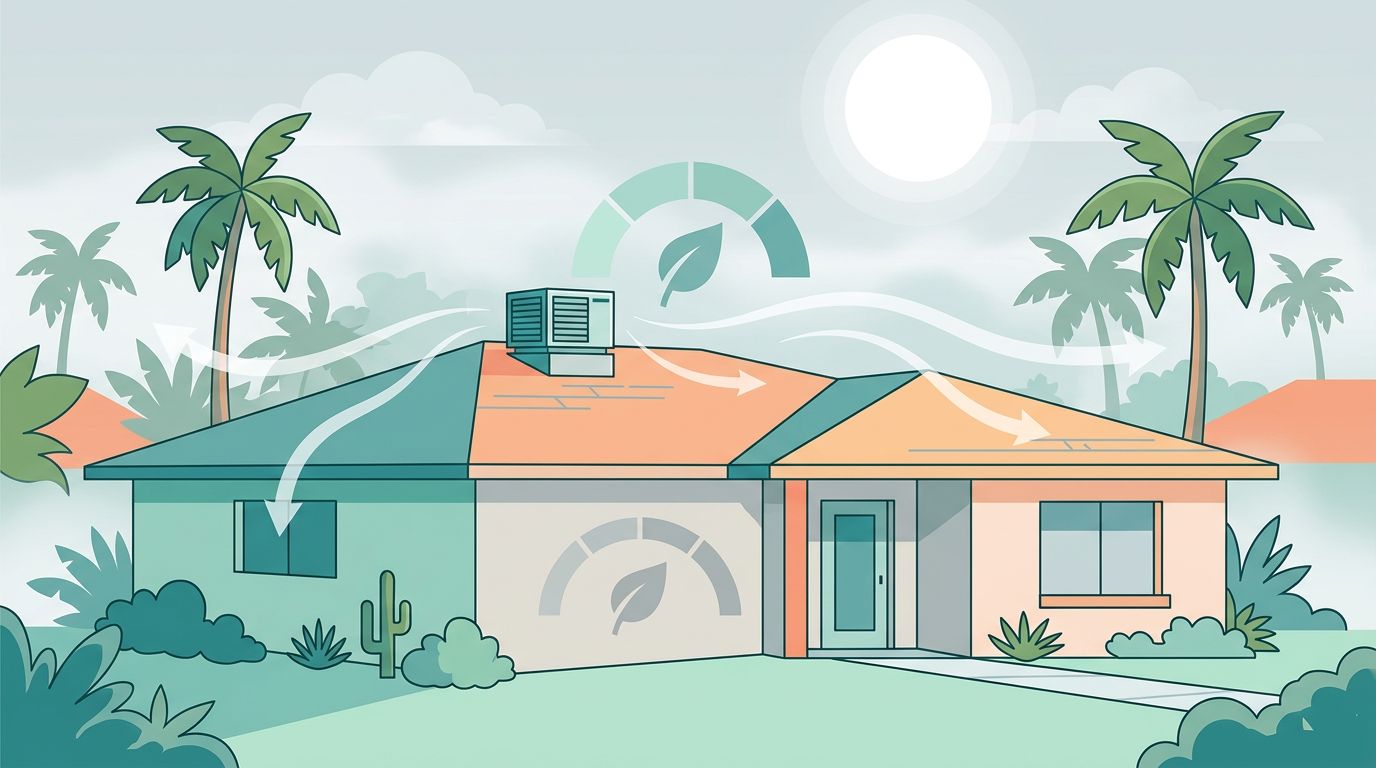
Southwest Florida is not a short-summer market. Your AC may run for much of the year, and that long runtime makes efficiency more important than it might be in a milder climate. A system that saves a little each day can add up over months.
Humidity changes the picture too. Your AC doesn't only cool the air, it removes moisture as it runs. When a system is oversized, it may cool the house too fast and shut off before it pulls out enough humidity. The result is a home that feels cool but still clammy.
A better SEER2 number can't fix the wrong size, leaky ducts, or poor airflow.
That is why proper sizing matters so much. If you're replacing an AC, start with the load calculation, not the brochure. A good installer should look at square footage, insulation, windows, ceiling height, sun exposure, and duct condition. If you want a deeper look at that part of the process, see how to properly size a new air conditioning system.
Coastal humidity, salt air, and frequent use also put stress on equipment. Because of that, the "best" SEER2 number is rarely the highest one available. It is the number that fits the home without pushing the budget past what makes sense.
How to Choose a SEER2 Rating for Your Home
The right SEER2 range depends on how you live in the house. A home that stays occupied all day has different needs than a seasonal property. A well-insulated house with newer ducts can also justify a different choice than an older home with airflow issues.
The table below gives a practical way to think about the options.
| SEER2 range | Often fits best | What it usually means |
|---|---|---|
| About 14 to 15 | Tight budgets, smaller homes, or shorter ownership plans | Lower upfront cost and a solid replacement, but less room for monthly savings |
| About 16 to 17 | Many Southwest Florida homes with decent ductwork | A balanced choice between equipment price and long-term efficiency |
| 18+ | Homes with long daily runtimes or owners focused on lower operating costs | Higher equipment cost, with more payoff when the install and load calculation are right |
These ranges are examples, not rules. A smaller home with poor insulation may still benefit from a more efficient system. A larger home with leaky ducts may not.
Before you choose, ask three questions. How much do you run the AC? How well does your home hold conditioned air? How long do you plan to stay there? Those answers shape the value of a higher SEER2 rating more than any sales pitch.
If your utility bills are already high and the system runs all afternoon, a mid- to higher-efficiency unit may make sense. If your budget is tighter, a lower SEER2 system can still be a smart replacement when it is sized and installed correctly.
Installation Quality Can Make or Break the Savings
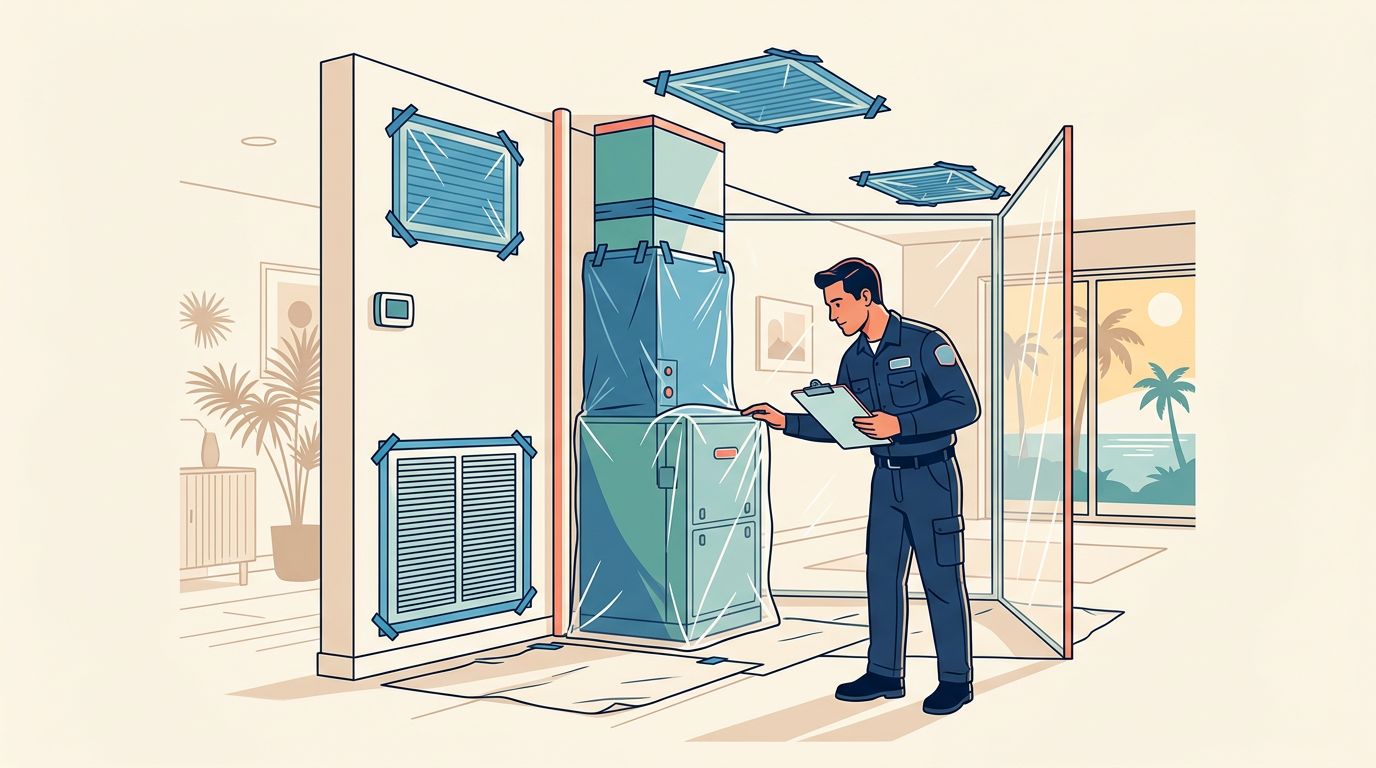
An AC replacement is not a box swap. The best equipment still needs the right refrigerant charge, airflow, duct connections, and thermostat setup. Miss one of those pieces, and the system will waste energy.
That is why a quote should spell out more than the model name. It should explain the SEER2 rating, whether the indoor and outdoor units match, and what work is included. If the install also needs duct repairs, drain line work, or a thermostat upgrade, that should be clear before anyone starts.
A strong installer will also check for common issues that drag down performance:
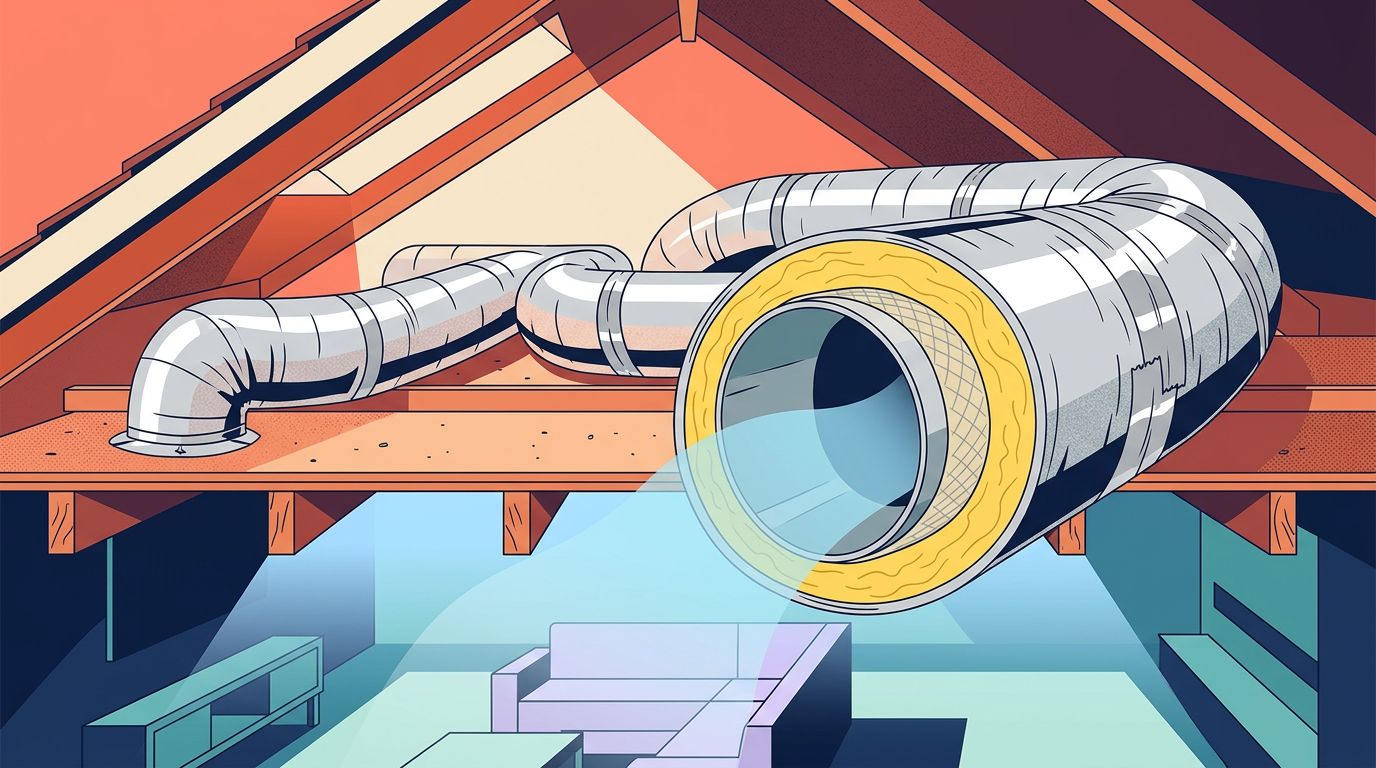
- Duct leaks that waste cooled air
- Weak return airflow that strains the system
- Poor attic insulation that makes the unit work harder
- A thermostat location that gives false readings
When those details are handled well, a middle-range SEER2 system can feel better than a premium unit installed carelessly. That is why the number on the label should never be the only thing you compare.
If you want to compare replacement options, request a consultation for system replacement and ask for a written estimate with the equipment specs, installation details, and any recommended corrections. A clear quote makes it much easier to compare apples to apples.
What to Ask Before You Replace Your AC
A few direct questions can save you from a costly mistake. Ask them before you approve the job.
- What SEER2 rating do you recommend for my home, and why?
- Will you perform a load calculation before sizing the new system?
- Do my ducts need sealing, repair, or resizing?
- What is included in the quoted price?
- How will you verify airflow and refrigerant charge after installation?
These questions keep the focus on comfort, not just hardware. They also help you spot vague answers fast. If a contractor keeps talking about efficiency but never mentions your ducts or home layout, keep asking.
A good replacement plan fits the house you have now, not an average house on paper. That matters in Southwest Florida, where sun, humidity, and long run times can expose weak points quickly.
Conclusion
SEER2 ratings give you a useful starting point, but they do not choose the right AC for you. In Southwest Florida, the best replacement balances efficiency with sizing, ductwork, humidity control, and budget.
If you remember one thing, make it this: the right number matters less than the right system in the right home. Ask for the load calculation, ask what the quote includes, and compare the full picture before you decide.
Recent Posts