Is an HVAC Maintenance Plan Worth It in Southwest Florida?

In Southwest Florida, your air conditioner works hard for most of the year. Humidity, salt air, storms, and long cooling seasons put steady stress on every part of the system.
That makes an HVAC maintenance plan feel either like smart protection or one more bill. The right answer depends on your system, your home, and the company behind the plan.
Why Southwest Florida changes the math
A system in Babcock Ranch or Cape Coral faces a different workload than one in a milder climate. Your AC may run almost daily, which means small issues show up sooner and wear happens faster.
That constant use matters because cooling systems do more than lower temperature. They also pull moisture from the air, push condensate through drain lines, and keep indoor air moving. When any of those parts slip, comfort drops fast.
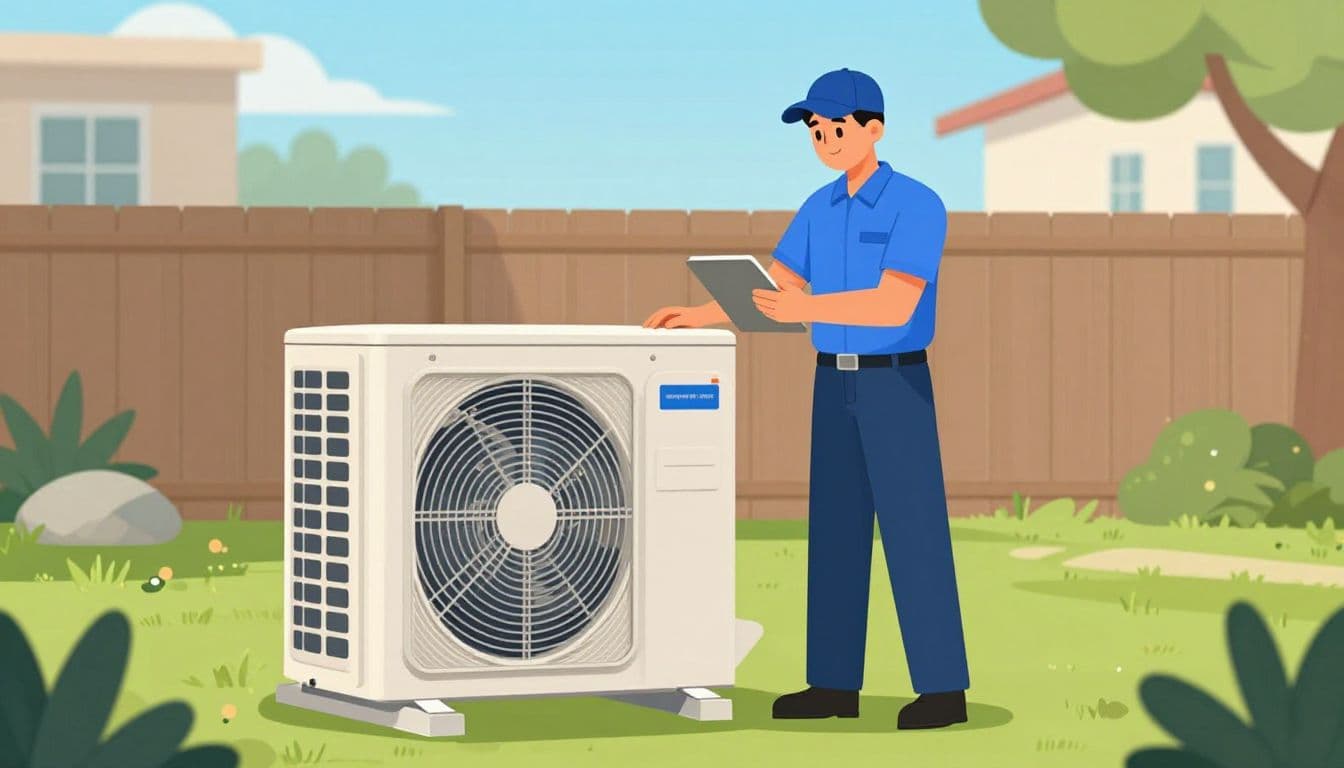
Salt air does more than leave a film on outdoor equipment. It can speed up wear on metal parts, coils, and electrical connections.
Drainage is another local issue. A clogged condensate line can cause water damage, shut the system down, or leave you with a musty smell that never seems to go away. Coil buildup, algae growth, and corrosion all tend to show up sooner in this climate.
That is why routine service can matter more here than it does in drier, cooler places. The system is not just being used. It is being asked to fight heat and moisture for much of the year.
What a good HVAC maintenance plan includes
A solid plan should cover the basics without trying to overwhelm you with extras you do not need. The goal is simple, keep the system running safely, efficiently, and consistently.
Here is what homeowners in Southwest Florida should expect to see in a worthwhile plan.
| Typical plan feature | Why it matters in Southwest Florida |
|---|---|
| Two tune-ups per year | One visit before cooling season and one before heating season catches problems early. |
| Coil cleaning | Dirty coils reduce efficiency and make the system work harder in humid weather. |
| Drain line inspection and flushing | This helps prevent clogs, leaks, and water damage. |
| Electrical testing | Heat, moisture, and salt air can stress connections, capacitors, and contactors. |
| Thermostat calibration | Better control helps maintain comfort and avoid short cycling. |
| Filter check | Clean filtration supports airflow and indoor air quality. |
| Priority scheduling | Faster service matters when the AC quits in peak summer. |
| Repair discounts | This can soften the cost if a part fails during the year. |
A plan built around recurring service visits is usually more useful than one that only offers a yearly glance at the equipment. In this region, twice-yearly visits make sense because the system has no real off-season.
For example, Sunset Gulf HVAC's Comfort Club maintenance membership includes scheduled tune-ups, priority service, and repair discounts. That kind of structure fits homes that rely on cooling almost every day.
The best plans also leave room for honest recommendations. If a technician finds a worn capacitor, corroded connection, or a drain issue, you want the facts, not a hard sell.
When the plan pays for itself
An HVAC maintenance plan starts to make more sense when the system has something to lose. Older units, heavily used systems, and homes with humidity problems often see the most value.
Regular maintenance can prevent breakdowns, but that is only part of the story. It can also improve efficiency by keeping coils cleaner and airflow steadier. Over time, that can help the system use less energy to do the same job.
It can also extend system lifespan. Air conditioners do not usually fail all at once. They wear down piece by piece, with clogged drain lines, dirty coils, loose wiring, and stressed motors leading the way. Catching those issues early can delay a major replacement.
Home comfort matters too. A well-maintained system usually holds temperature better, removes humidity more consistently, and runs with fewer odd noises or hot spots. That matters in a place where a small comfort problem can turn into an all-day annoyance.
If your equipment is still under warranty, maintenance can matter even more. Many manufacturers want proof of regular service if you ever need a warranty claim. Keep your records, ask what is covered, and make sure the plan gives you paperwork after each visit.
A plan tends to deliver the most value when:
- The system is older or has already had repairs.
- The home stays occupied year-round.
- The AC runs hard through most of the year.
- Indoor humidity has been a recurring issue.
- The homeowner wants fewer surprise service calls.
If those points sound familiar, a maintenance plan is more likely to save money than cost it.
When an HVAC maintenance plan may not be the best fit
A plan is not automatic value for every home. If your system is newer, lightly used, and already running well, the savings may be smaller.
That is especially true if you keep up with filters, watch the drain line, and schedule service only when needed. Some homeowners prefer to pay for a single tune-up instead of a membership they may not use fully.
A plan can also fall short if the provider is inconsistent. Fast scheduling, clear communication, and detailed service matter. If a company rushes visits or skips important checks, the membership loses value quickly.
These are the most common warning signs:
- The plan hides what is and is not included.
- The company offers big discounts but limited service detail.
- The technician never explains findings in plain language.
- Priority scheduling sounds good, but you still wait days for help.
- The provider has a sales-first approach instead of a service-first approach.
Price alone does not tell the whole story. A cheaper plan can cost more in the long run if it misses drainage issues, corrosion, or electrical problems. On the other hand, an expensive plan can still be a poor deal if your system barely runs or your home sits empty for months.
This is where honest advice matters. If you want to ask about service options or compare what fits your home, contact the team for membership details.
How to compare providers before you sign up
The best maintenance plans are clear before you ever pay. You should know what happens at each visit, what gets checked, and how repairs are handled if the technician finds a problem.
Ask about the frequency of visits, the exact tasks included, and whether the plan covers both cooling and heating equipment. In Southwest Florida, that matters because a heat pump or dual-fuel setup needs attention on both sides of the system.
Also ask who performs the work. A plan is only as good as the people in your home. A reliable provider shows up on time, respects the house, keeps the work area clean, and explains the condition of the equipment without pressure.
Compare these details before you choose:
- The number of tune-ups each year.
- Whether drain lines, coils, and electrical parts are checked.
- How repair discounts are applied.
- Whether after-hours or emergency fees are reduced.
- How priority scheduling works during peak season.
- Whether service records are saved for warranty support.
That final point matters more than many people think. A good maintenance record can help you track performance over time and spot a pattern before it becomes a failure.
One more thing: if the provider knows local conditions, that usually helps. Homes near the coast, on canals, or in areas with heavy humidity need more attention on corrosion and drainage than homes in drier parts of the state.
So, is an HVAC maintenance plan worth it?
For many Southwest Florida homeowners, yes, especially if the system runs hard, the home is occupied year-round, or the equipment is getting older. The climate alone adds enough stress to make regular service worthwhile.
The value shows up in fewer breakdowns, better efficiency, longer system life, and fewer surprises during peak heat. It also shows up in the small things, like better humidity control and earlier warning signs for corrosion or drainage trouble.
The plan is most useful when the provider is reliable, the visits are thorough, and the price matches the service. If those pieces line up, the membership can save money and stress over time.
Conclusion
In a place where the AC works almost nonstop, maintenance is not busywork. It is part of protecting comfort, equipment life, and your budget.
A good HVAC maintenance plan is worth it when it fits your system and comes from a company you trust. If it covers the right checks and gives you real follow-through, it can pay off long before the first major repair.
Recent Posts