Compare AC Replacement Quotes in Babcock Ranch

A low AC bid can grow expensive when the installer later adds a line-set replacement, permit fee, or duct repair.
When you compare AC replacement quotes , the goal is to buy a complete, properly sized system with clear responsibility for the work.
Babcock Ranch homes face long cooling seasons, humid air, and frequent afternoon storms. Price matters, yet equipment selection, installation quality, and future electricity use matter too.
Bring every estimate to the same level of detail before choosing a contractor.
Start With an Equal Scope of Work
Three proposals can look similar at first glance while covering very different work. One may include a new thermostat and permit, while another lists only the outdoor unit and air handler.
Ask each contractor to provide a written proposal with the equipment model numbers, labor scope, warranty terms, and total price. A verbal promise is hard to compare later.

Confirm that replacement is the right recommendation
A failed compressor or refrigerant leak does not always require a full replacement. Ask what failed, what repair would cost, and how long that repair is expected to last.
If your system is older, has repeated repair needs, or uses discontinued refrigerant, replacement may make more sense. Still, a contractor should explain the diagnosis rather than lead with a new-system price.
Use broad price ranges as a warning flag, not a decision
Current 2026 Florida cost guides place complete AC replacements around $5,850 to $15,000 or more. Many standard 3 to 5 ton installations fall around $8,500 to $13,500.
Duct modifications, difficult equipment access, electrical work, higher efficiency equipment, and indoor air quality upgrades can push a quote outside that range. A price far below the others deserves a clear written explanation.
Put AC Replacement Quotes on One Comparison Sheet
A side-by-side worksheet keeps small omissions from hiding inside a low bottom-line price. Copy the exact details from each proposal, then ask for missing information before comparing totals.
| Item to compare | Quote A | Quote B | Quote C | What to confirm |
|---|---|---|---|---|
| Total installed price | Include taxes, fees, and financing charges | |||
| Outdoor and indoor model numbers | Both pieces should be listed | |||
| System size in tons | Ask how the contractor calculated it | |||
| SEER2 rating | Compare matched-system efficiency | |||
| Heat pump or AC-only system | Confirm the type you are buying | |||
| Permit and inspection fees | State who pulls and closes the permit | |||
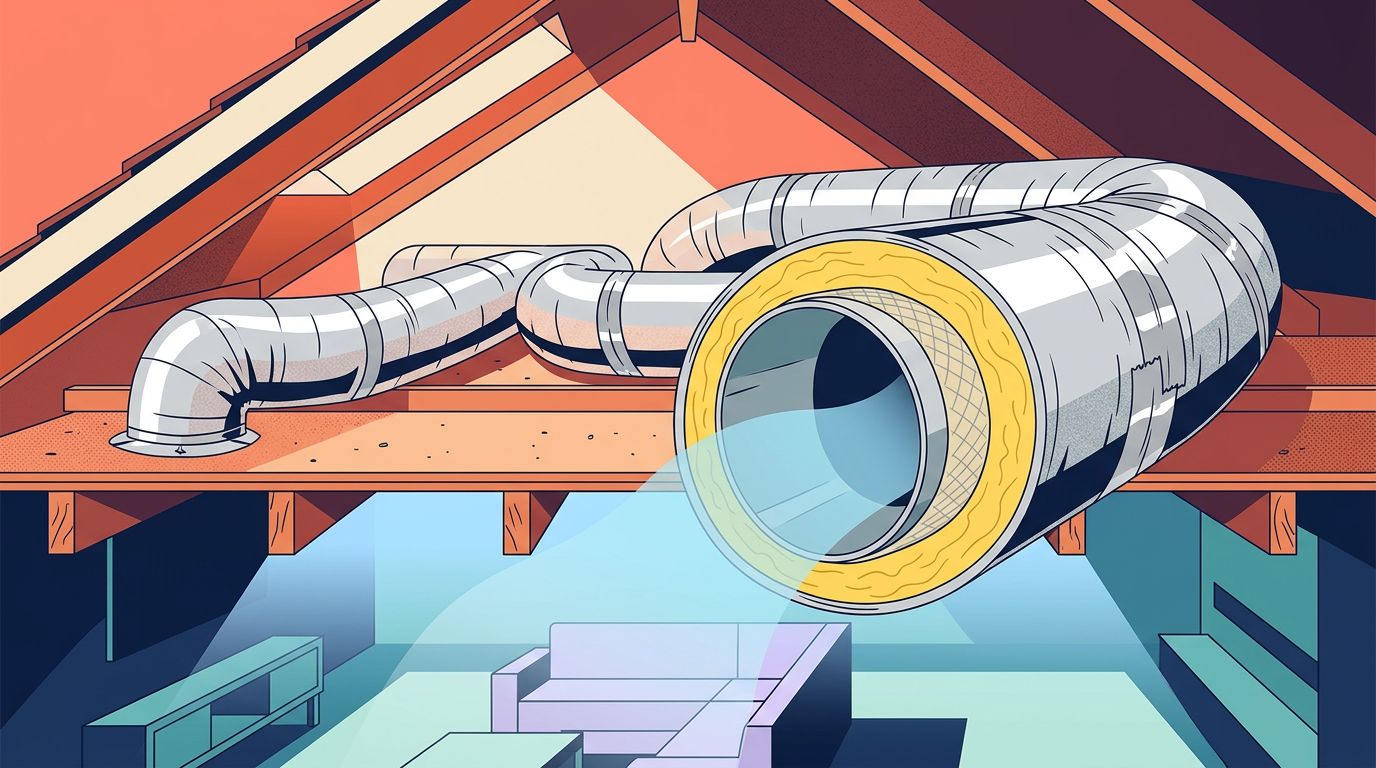
| Duct, drain, and line-set work | Identify included repairs or replacements | |||
| Thermostat and electrical work | Check for panel, disconnect, or surge work | |||
| Labor warranty | Get the length and exclusions in writing | |||
| Parts warranty | Ask about product registration | |||
| Removal and cleanup | Include old equipment disposal |
A complete quote is easier to evaluate than a one-line price. If one proposal lacks model numbers or installation details, request a revised copy before signing.
Missing scope items often cost more than a higher initial bid because they surface after work begins, when changing installers is no longer simple.
Compare the Equipment Behind the Price
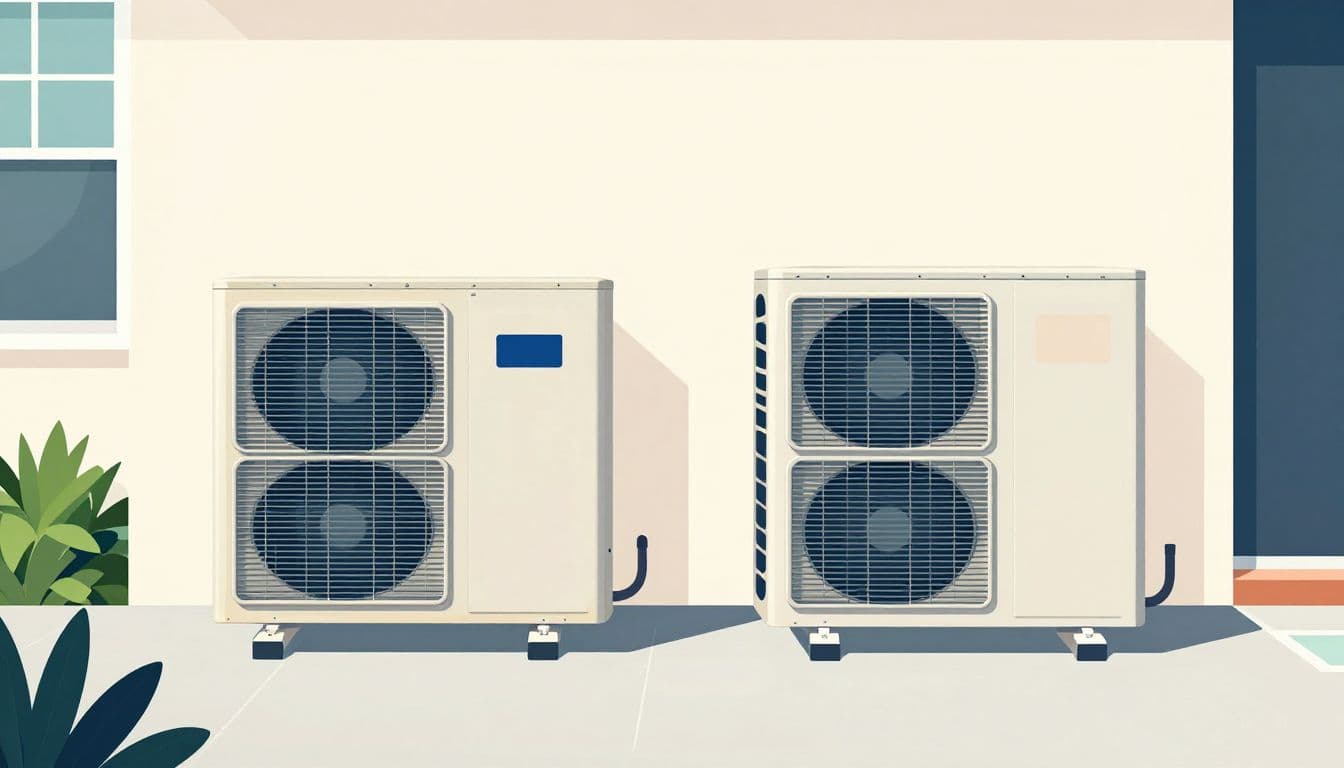
The outdoor condenser, indoor air handler, thermostat, and controls work as one system. A brand name alone does not tell you whether the proposed setup fits your house.
Ask how the contractor selected the system size
Tonnage measures cooling capacity, not equipment weight. One ton equals 12,000 Btu of cooling per hour, but your home's needs depend on more than square footage.
Window exposure, insulation, ceiling height, occupancy, duct condition, and room layout all affect sizing. A contractor should use a room-by-room load calculation, often called a Manual J calculation, instead of copying the old unit's size.
Read more about choosing the right AC size for your Babcock Ranch home before assuming the existing system was correctly sized.
An oversized unit can cool fast but run short cycles. Those short cycles may leave more moisture indoors. An undersized system may run for long periods without reaching the thermostat setting.
Understand SEER2 and matched equipment
SEER2 is a seasonal efficiency rating. A higher number means the equipment used less electricity in standardized testing than a lower-rated model.
However, a higher SEER2 rating does not promise a certain utility bill. Thermostat settings, duct leakage, insulation, weather, and household routines affect real energy use.
Ask for the AHRI reference number for the proposed indoor and outdoor equipment pair. That reference helps confirm the components are matched and rated together. If the proposal includes a heat pump, also ask about its HSPF2 heating-efficiency rating.
Separate Upfront Cost From Long-Term Operating Cost
The purchase price is easy to see. The monthly cost of running the system is less obvious, especially during Southwest Florida's hottest months.
Estimate electricity use with realistic assumptions
Ask each contractor to estimate annual operating cost using your system size, proposed SEER2 rating, and your current utility rate. Many Babcock Ranch homes receive electric service associated with Florida Power & Light, but you should confirm the provider and current rate on your own utility bill.
Compare estimates using the same thermostat settings and household habits. A contractor cannot accurately promise savings without knowing those details.
Variable-speed equipment may control humidity more steadily because it can run at lower output for longer periods. That feature may suit some homes, but it costs more upfront. Consider whether better humidity control, quieter operation, and potential energy reduction justify the difference for your household.
Include maintenance and repair expectations
A lower-priced unit with a short labor warranty can cost more over time if a problem appears after installation. Compare labor coverage separately from the manufacturer's parts warranty.
Regular service also affects long-term value. Scheduled AC tune-ups and inspections can catch drain, airflow, electrical, and coil problems before they lead to a no-cooling call.
Check Installation Work, Permits, and Local Rules
A good AC replacement involves more than setting new equipment in place. The installation should address drainage, electrical connections, airflow, refrigerant lines, startup testing, and cleanup.
Verify licenses, permits, and inspections
Florida regulates air-conditioning contractors through the Department of Business and Professional Regulation. Ask for the contractor's active license number, then verify it through the state before work begins.
A Class A air-conditioning contractor may work on central air-conditioning, heating, refrigeration, ventilation, and permitted ductwork under Florida Statutes, section 489.105.
AC replacement commonly requires a mechanical permit and an inspection. Confirm the current permit process for your exact Babcock Ranch parcel, whether Lee County is the permit authority, and whether permit and inspection fees appear in the quote.
Confirm Babcock Ranch and HOA requirements
Exterior equipment location can affect appearance, access, drainage, and future service. Before approving a proposal, confirm current Babcock Ranch, county, utility, and HOA requirements.
Ask whether the condenser location, pad, screening, line-set route, or visible exterior changes need architectural review. Requirements can differ by neighborhood, home type, and development phase.
Ask Questions That Change the Decision
The same questions should go to every contractor. Written answers make differences easier to spot and prevent assumptions.
- How did you calculate the required capacity for my home?
- What outdoor and indoor model numbers are included in this price?
- Does this total include permit fees, inspections, disposal, and sales tax?
- Will you inspect the ducts, refrigerant lines, drain system, and electrical connections?
- Which work could create an added charge after installation, and how would you approve it?
- What labor warranty do you provide, and what conditions can limit it?
- Who handles warranty registration and post-installation service calls?
Listen for clear answers about the installation day
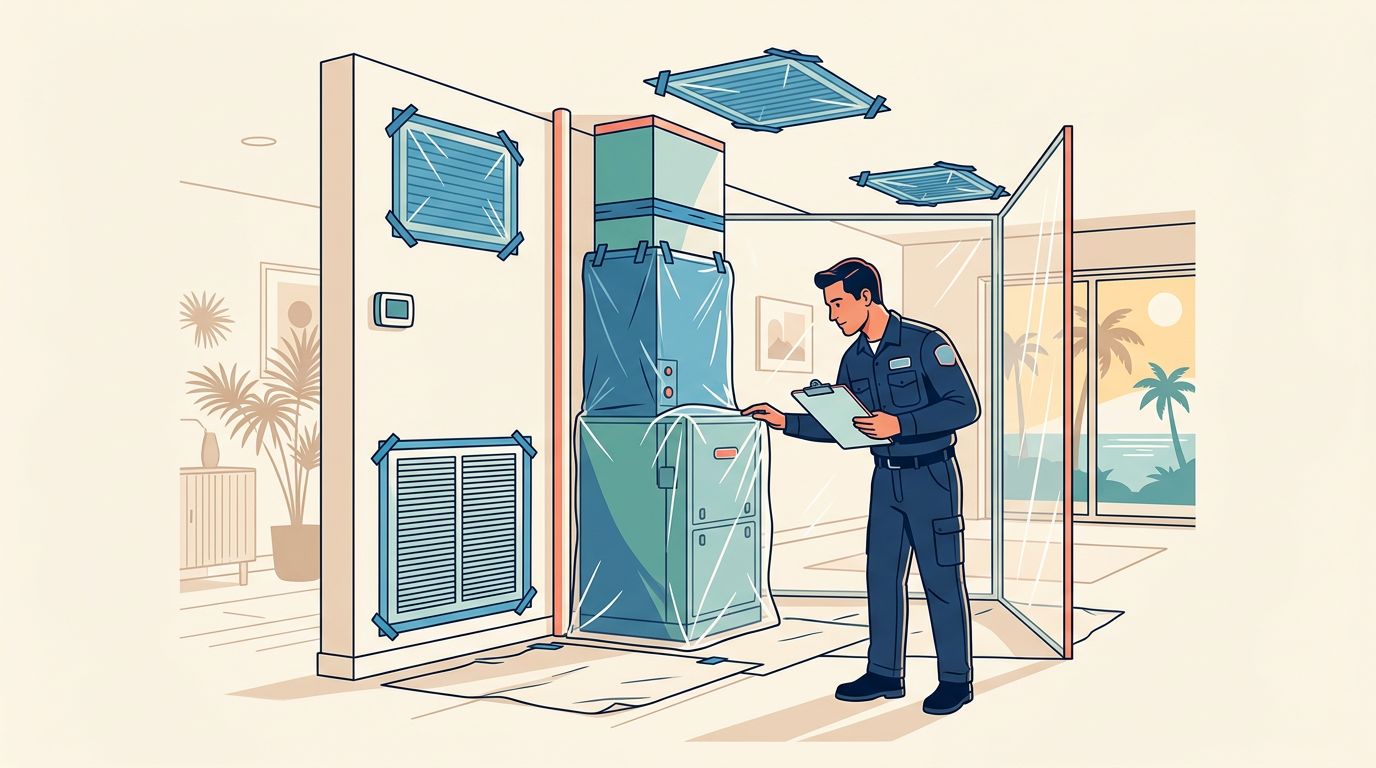
A contractor should explain where equipment will go, how technicians will protect floors and landscaping, and how they will test the system before leaving. They should also state whether they will correct airflow, drainage, or electrical concerns found during the job.
Clear answers do not guarantee a problem-free installation. They do show whether the contractor has planned the work beyond swapping equipment.
Choose Total Value Instead of the Lowest Bid
The strongest quote balances a fair installed price with correct sizing, suitable efficiency, complete scope, valid permits, and dependable warranty coverage.
Give each proposal a simple score for equipment, installation details, paperwork, warranty, operating cost, and contractor communication. A missing category should lower the score until the contractor provides an answer in writing.
Reviewing AC replacement quotes this way gives you a decision based on the whole system, not a number printed at the bottom of the page.
Final Thoughts
A replacement system should make your home more comfortable without leaving you surprised by excluded work or unclear warranties. The lowest quote can be a good value, but only when it covers the same equipment and installation scope as the others.
Careful comparisons protect your budget now and help you choose an AC system that handles Florida heat and humidity with reliable comfort .
Recent Posts