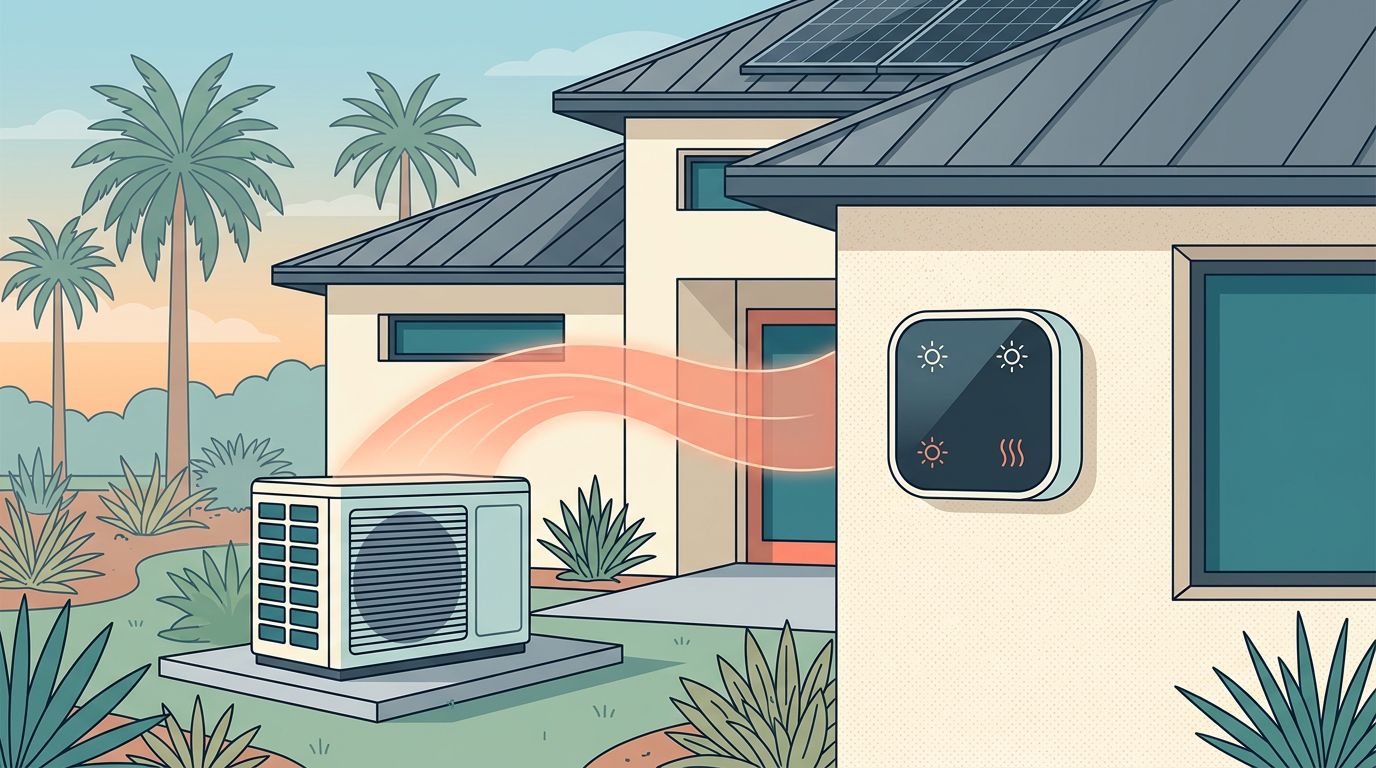
AC Duct Insulation for Hot Naples Attics
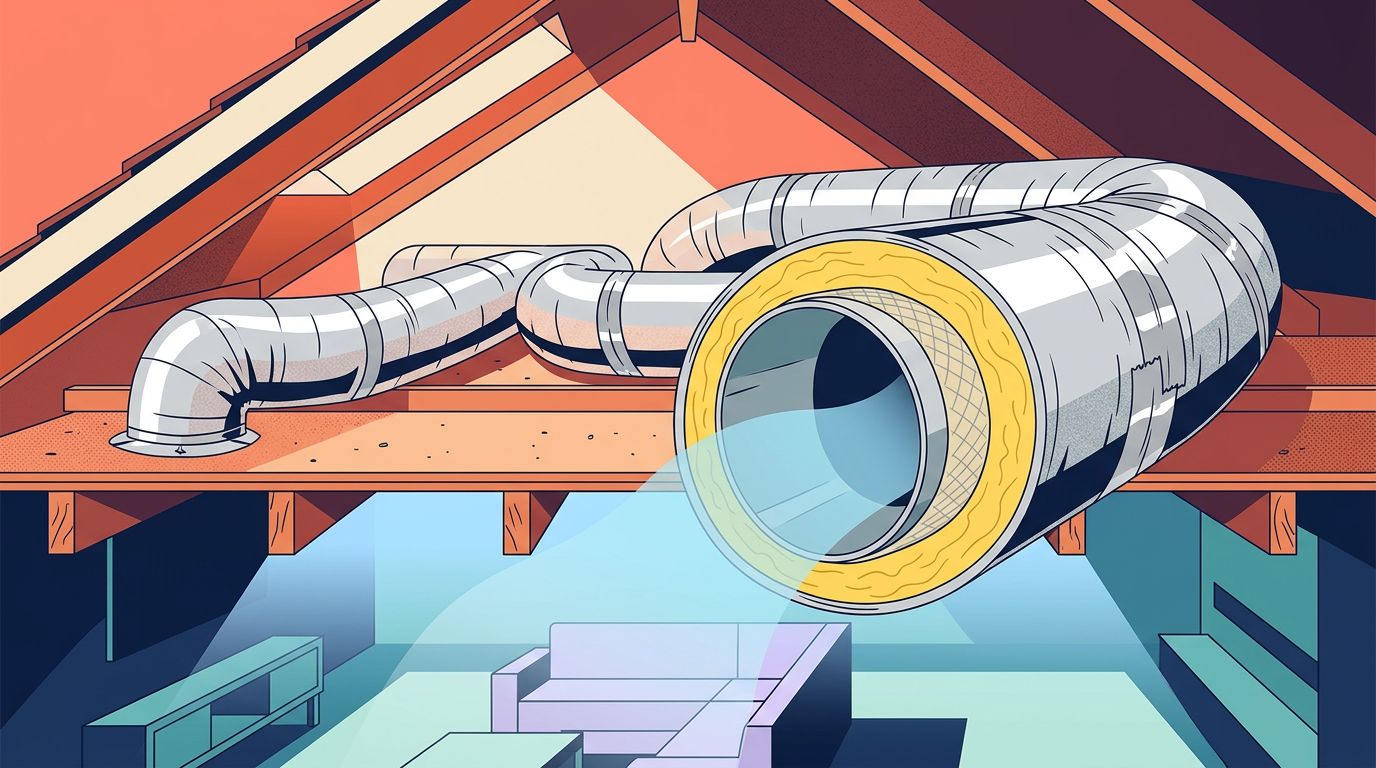
Your AC can produce cold air, yet your home may still feel uneven, sticky, or expensive to cool. In Naples, the problem often starts above the ceiling, where AC duct insulation has to protect chilled air from a punishing attic.
When ductwork runs through a hot, humid attic, every weak spot gives heat a chance to work against your system. Insulation, sealed connections, and an intact vapor barrier help your AC deliver the comfort you are already paying for.
Why AC Duct Insulation Matters in Naples Attics
Naples attics absorb intense sun for much of the year. By mid-afternoon, the air around your ductwork can feel dramatically hotter than the rooms below. A supply duct may carry cool air from the air handler, but that air has to travel through this harsh space before it reaches a bedroom or living room.
AC duct insulation slows heat transfer through the duct walls. It helps the air stay closer to its intended temperature, so the system does not have to run as long to satisfy the thermostat.

Insulation also protects flexible ducts from direct attic heat. Most flex duct has an inner liner, insulation around that liner, and an outer jacket that acts as a vapor barrier. When any of those layers tear, compress, or separate, the duct loses protection.
A small problem can spread through the house. One damaged run can leave a back bedroom warm, make the AC run longer, and create a noticeable comfort gap between rooms.
Heat Gain Can Undercut Cooling Before Air Reaches a Room
Ducts in a conditioned closet stay close to indoor temperatures. Ducts in a Naples attic face roof heat, radiant heat from framing, and humid air around the clock. That difference affects how hard your equipment has to work.
Hot attic air warms supply ducts
Cool supply air loses its advantage when it travels through poorly insulated ductwork. The room furthest from the air handler often feels the effect first, especially during sunny afternoons.
A thermostat in a central hallway may reach its set temperature while a guest room, office, or upstairs space remains warm. If that sounds familiar, review the common reasons one room stays hot despite AC before assuming the equipment itself is too small.
Heat gain can also make homeowners lower the thermostat repeatedly. That approach may increase runtime without correcting the duct problem.
Humid air makes warm rooms feel worse
Temperature is only part of comfort in Southwest Florida. High indoor humidity keeps sweat from evaporating efficiently, so a room can feel muggy even when the thermostat looks reasonable.
Duct insulation does not remove humidity on its own. However, it helps keep cold duct surfaces separated from hot attic air. Sealed ducts matter too, because return-side leaks can draw humid attic air into the system.
A cold duct with a damaged vapor barrier can become a moisture collection point in a humid attic, even when the AC itself is operating normally.

Condensation Can Damage Ducts and Nearby Materials
Condensation forms when warm, moisture-heavy air reaches a surface cold enough for water vapor to turn into liquid. In an attic, a poorly insulated duct, split outer jacket, or exposed metal connection can create that surface.
A few droplets may not look serious. Yet repeated moisture can soak duct insulation, weaken tape and mastic, stain drywall, and cause sections of flex duct to sag. Wet insulation also loses much of its ability to resist heat.
Watch for signs of duct sweating
Look from the attic hatch or at any safely accessible ductwork for water droplets, darkened insulation, a sagging duct run, or a shiny wet outer jacket. Indoors, ceiling stains near duct paths and a persistent musty smell deserve attention as well.
Musty air does not always come from duct insulation. The indoor coil, drain system, air handler, or contaminated ductwork may be involved. These causes of musty AC vent odors can help you narrow down what to report during a service visit.
Treat mold concerns seriously
Moisture and organic dust can support mold growth on nearby building materials or inside wet insulation. Do not disturb visible growth, pull apart wet duct insulation, or try to seal over the problem with tape.
A qualified HVAC professional should inspect the duct condition and identify the moisture source. If mold is suspected, the evaluation may also need to include surrounding attic materials and the air handler area.
Signs Your Attic Ductwork Needs Attention
You do not need to crawl through the attic to notice trouble. Changes in comfort, airflow, and operating time often show up first inside the home.
Pay attention when you see more than one of these signs:
- A room near the end of a duct run stays warmer than the rest of the home.
- The AC runs for long periods but rooms still feel humid or uneven.
- Supply vents produce weaker airflow than they did before.
- Your electric use rises without a clear change in household habits.
- You notice wet insulation, crushed flex duct, loose tape, or disconnected sections near an attic access point.
- A ceiling stain, mildew odor, or damp patch appears near the duct path.
Leaky or disconnected ducts can waste cooled air before it reaches the living space. Learn more about signs of leaking attic ductwork if airflow and cooling costs have changed together.
Do not confuse every water issue with duct condensation
Water around an air handler can point to a drain problem rather than a sweating duct. A blocked condensate line, dirty coil, or drain-pan issue may also raise humidity and damage nearby insulation.
If you see water at the air handler, do not wait for a ceiling stain or system shutdown. Prompt service can prevent moisture damage from spreading into drywall, framing, or duct materials.
A Safe Way to Check an Attic Before Calling
Naples attics can become dangerously hot, especially during late morning and afternoon. A homeowner does not need to enter the attic to gather useful information. A careful look from the access opening is often enough.
Keep attic safety ahead of inspection
Choose a cooler time of day, use a bright flashlight, and have another adult nearby who knows you are checking the space. Keep your weight on framing or a proper walkway only. Never step on ceiling drywall, which can break under your weight.
Avoid touching electrical wiring, moving insulation around, or squeezing through tight spaces. Do not enter if you see exposed wiring, animal activity, wet materials, extensive mold-like growth, or damaged framing.

Gather useful details for the technician
Take a few clear photos from a safe position if you can do so without entering. Note the rooms that feel warm, the thermostat setting, when the problem is strongest, and whether you smell mildew near specific vents.
Also look for obvious tears in the duct jacket, flattened sections, hanging ducts, separated joints, or insulation that looks wet. Do not apply foil tape to a wet, dirty, or moldy surface. The repair may hide the damage while moisture continues underneath.
Professional Duct Repairs Address More Than Insulation
Adding insulation alone will not fix every comfort issue. A qualified HVAC professional should inspect the entire duct path, including supply runs, return ducts, connections, support straps, duct sizing, and leakage points.
The inspection should trace the source
A technician can check for crushed or kinked flex duct, disconnected branches, failed seals, missing insulation, and damaged vapor barriers. They can also assess airflow, supply and return temperatures, and whether the AC is controlling humidity as it should.
Damaged insulation may need replacement, while an otherwise sound duct may need new sealing or support. If the duct lining is wet, contaminated, or badly deteriorated, replacement can be the safer long-term repair.
Regular AC care helps protect duct performance
Biannual maintenance gives technicians a chance to spot drain issues, airflow restrictions, and developing moisture problems before summer heat exposes them. Keep return grilles clear, replace filters on schedule, and report new odors or uneven rooms promptly.
Humidity control matters just as much as temperature control in coastal Florida homes. If your house feels damp at a normal setting, review indoor humidity problems and AC performance and arrange an inspection rather than lowering the thermostat again.
Keep Cool Air Protected Above the Ceiling
Your attic may be out of sight, but it has a direct effect on every cooled room below it. AC duct insulation helps preserve cold air, limit condensation risk, and reduce the strain that heat and humidity place on your system.
If you notice warm rooms, duct sweating, musty odors, or damaged insulation, have the ductwork evaluated by a qualified HVAC professional. A sound duct system helps your AC deliver the comfort Naples homes need through the longest, hottest months.
Recent Posts