Protect Your HVAC During a Bonita Springs Remodel
Demolition dust rarely stays in the room where it starts. Fine powder can drift through door gaps, settle in return vents, and end up inside equipment that should stay clean.
A renovation can improve your home, but HVAC protection during remodeling deserves attention before the first wall comes down. A clear plan protects your equipment, keeps indoor air cleaner, and helps you avoid a home that becomes uncomfortably hot or humid during the project.
Plan HVAC Protection During Remodeling Before Work Begins
Your AC moves air through much of the house, so remodeling one room can affect the whole system. Meet with your remodeler before demolition and point out every part of the HVAC system they could disturb.
Map equipment, ducts, and work zones
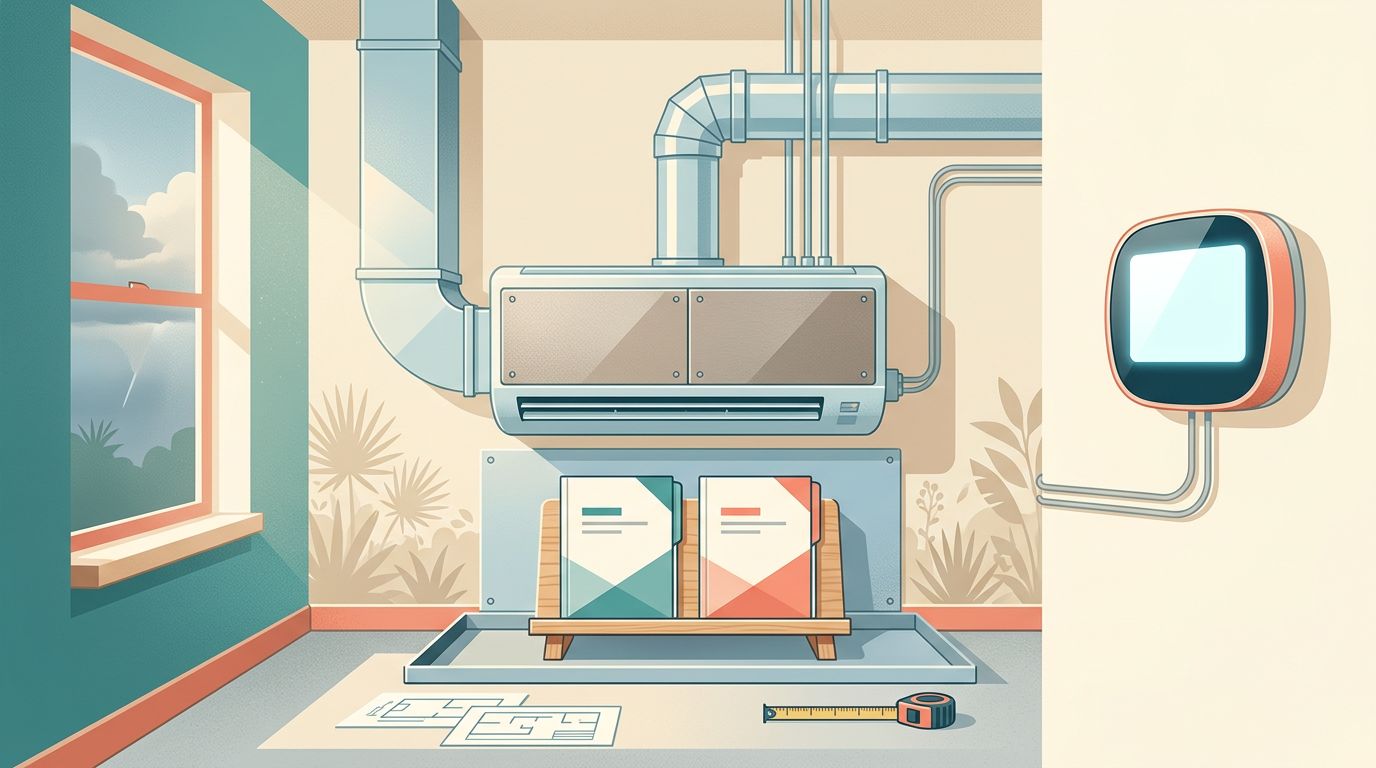
Identify the indoor air handler, thermostat, return grilles, supply vents, outdoor condenser, drain line, refrigerant lines, and any visible ductwork. Take photos of the equipment and its model information before work begins.
Also, show the contractor which rooms will remain occupied. Those spaces need clean airflow while the work area stays contained. Keep ladders, drywall stacks, paint cans, and tools away from the air handler and outdoor unit.
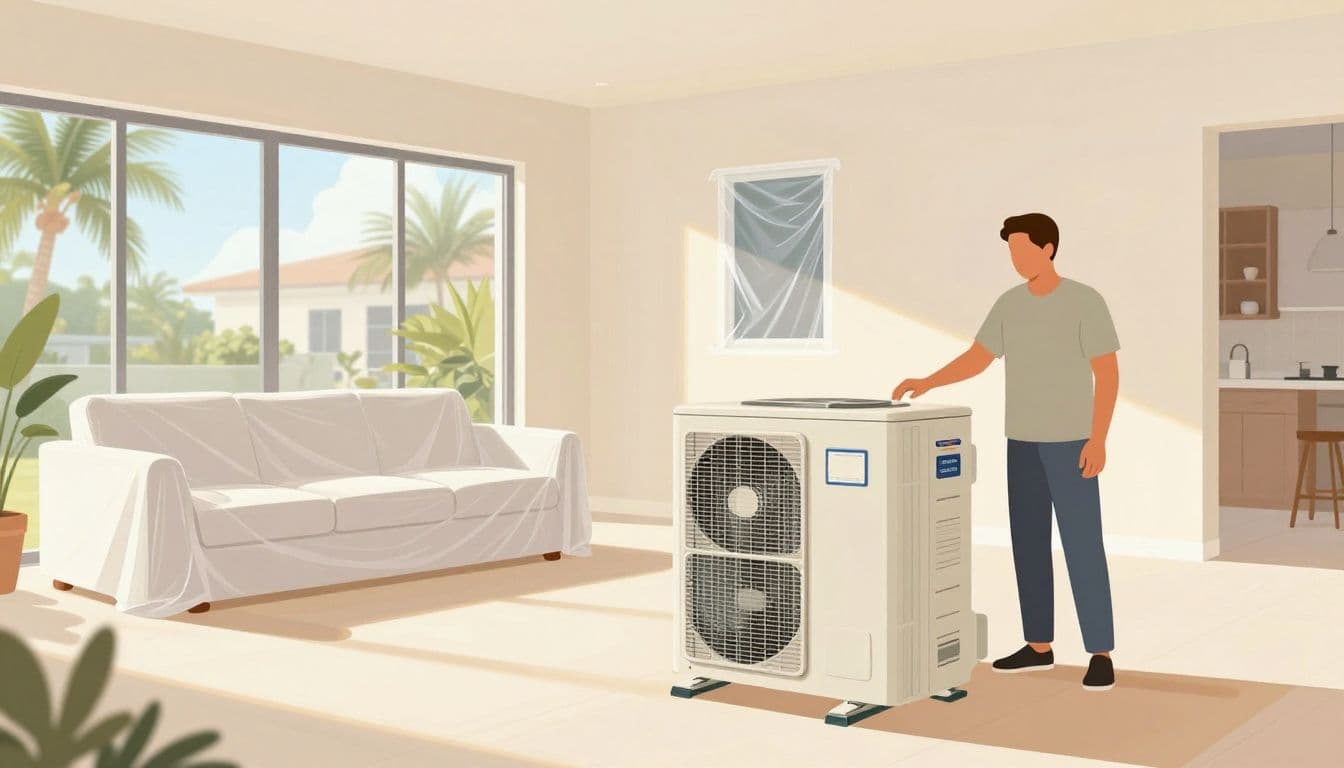
Check the manufacturer's owner manual for approved filter sizes, access requirements, and instructions for temporary shutdowns. If the system is still under warranty, save the documentation with your remodeling plans.
Agree on a work sequence
Schedule the dustiest work, such as demolition, cutting, sanding, and drywall finishing, in defined windows. That gives you a chance to turn the system off briefly during heavy dust production, then restart it after cleanup.
The contractor should know that a return vent is not a construction exhaust. Dust pulled into a return can travel straight to the filter, blower compartment, evaporator coil, and ductwork. Keep the outdoor condenser clear as well. No one should stack materials around it or spray paint near its coil and grille.
How Construction Debris Reaches Your AC
Dust, fumes, and moisture don't affect HVAC equipment in the same way. Each one needs a different response, especially when workers move between the renovation zone and the rest of the home.
Drywall dust can restrict airflow
Drywall sanding produces a fine gypsum powder that can quickly load an HVAC filter. Once the filter becomes clogged, the blower has to work harder to move air. Restricted airflow can reduce comfort and may contribute to coil freezing during cooling operation.
Dust can also settle on the blower wheel and evaporator coil. Those components are difficult to reach without opening the equipment, so don't treat a filter change as a complete cleanup after a messy project.
Wood dust, insulation fibers, and masonry debris create similar problems. Keep these materials out of return paths and away from the outdoor condenser. Overspray or dust on condenser fins can interfere with normal heat transfer.
Paint fumes and damp materials affect indoor air
Paint, caulk, flooring adhesive, and cleaning products can release odors and volatile compounds. When the central system runs, it can spread those fumes beyond the work area. Follow each product's ventilation instructions, and don't rely on recirculated AC air to clear strong odors.
Wet drywall compound, grout, or a plumbing leak adds another concern. Moisture that lingers around ducts, insulation, or the air handler can support microbial growth and leave musty odors behind.
If dust, odors, or allergy symptoms continue after the remodel, consider indoor air quality solutions in Bonita Springs that address filtration, duct condition, and humidity concerns.
HVAC Dust Protection: Contain the Work Zone
Good HVAC dust protection starts at the source. It works better to keep debris inside the renovation area than to try to catch every particle after it enters the system.
Build a real barrier around dusty work
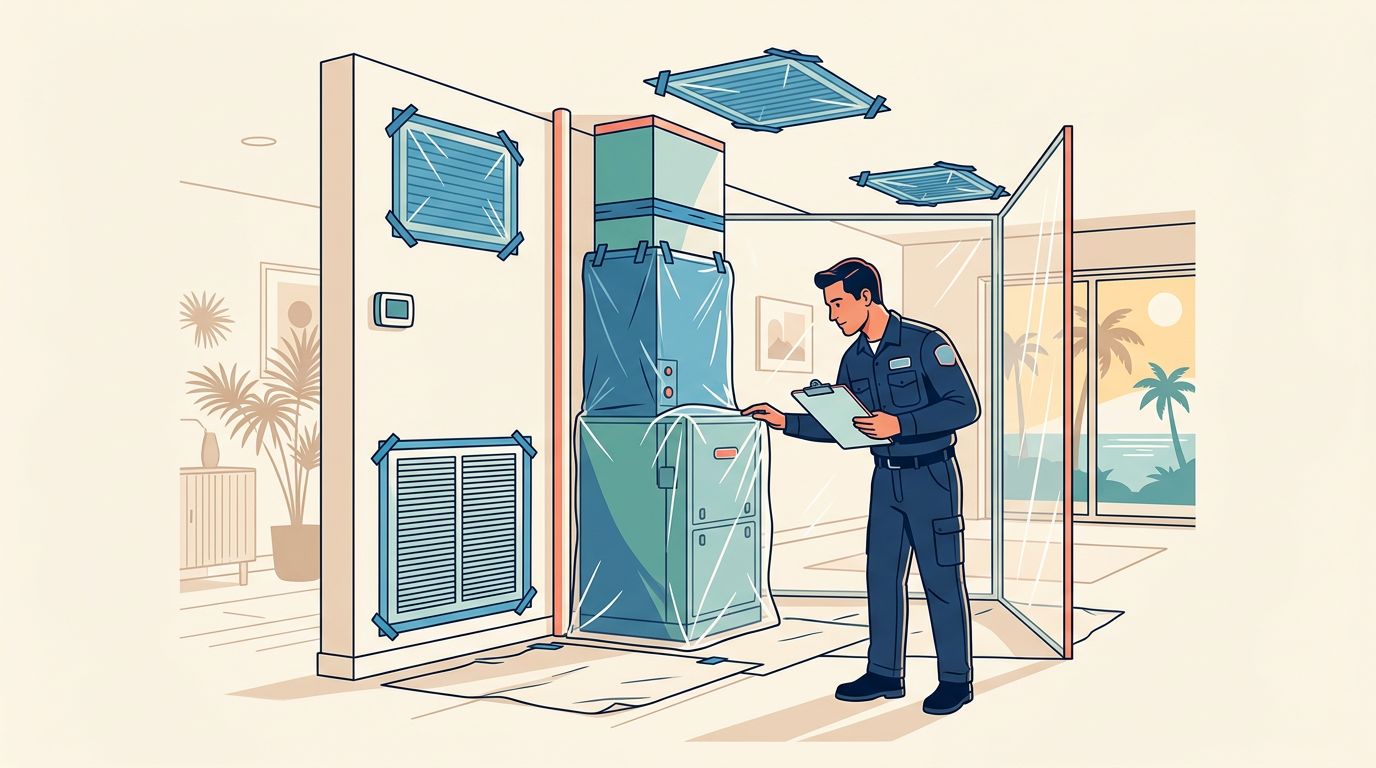
Ask your contractor to install a floor-to-ceiling plastic barrier with taped seams and a zipper-style entry. The barrier should separate sanding and demolition from occupied rooms without pressing against supply or return vents.
A portable air cleaner with a HEPA filter can help capture airborne dust inside the contained work area. Contractors may also use an air scrubber or controlled exhaust setup. However, they should position that equipment so it doesn't pull dusty air toward HVAC returns.
Keep interior doors closed where practical, and protect floors with clean coverings that workers can remove or replace as needed. Loose debris tracked into hallways often reaches return grilles before anyone notices it.
Protect returns, registers, and filters
Never tape plastic over a return grille or close most supply vents while the system runs. Restricting return air or closing too many registers can strain the equipment and reduce airflow through the coil.
Instead, temporarily turn the system off during active sanding or demolition. Once the crew vacuums and damp-wipes the work area, you can restart the system if airflow paths remain open.
Protecting an air conditioner during construction also means using the correct filter. Install the filter type and size listed by the manufacturer, and check it more often than usual. A higher-rated filter is not always better if the system wasn't designed for its added resistance.
Keep Cooling and Humidity Under Control
Shutting the system off during dust-producing work can make sense. Leaving it off for long stretches can create a separate comfort and moisture problem.
Use short, planned shutdown windows
Coordinate with the contractor before cutting, sanding, or drilling begins. Set the thermostat to Off for the active dust period, then restart the system after the crew removes loose debris and cleans the contained area.
Keep those shutdowns as short as the work allows. If indoor temperature or humidity begins climbing, pause the dusty work or ask a licensed HVAC professional about a safer temporary plan. Occupied rooms should not lose cooling for days because a project lacked coordination.
A thermostat set to Off stops normal operation, but it does not make electrical components safe to handle.
Keep the outdoor unit open and clean
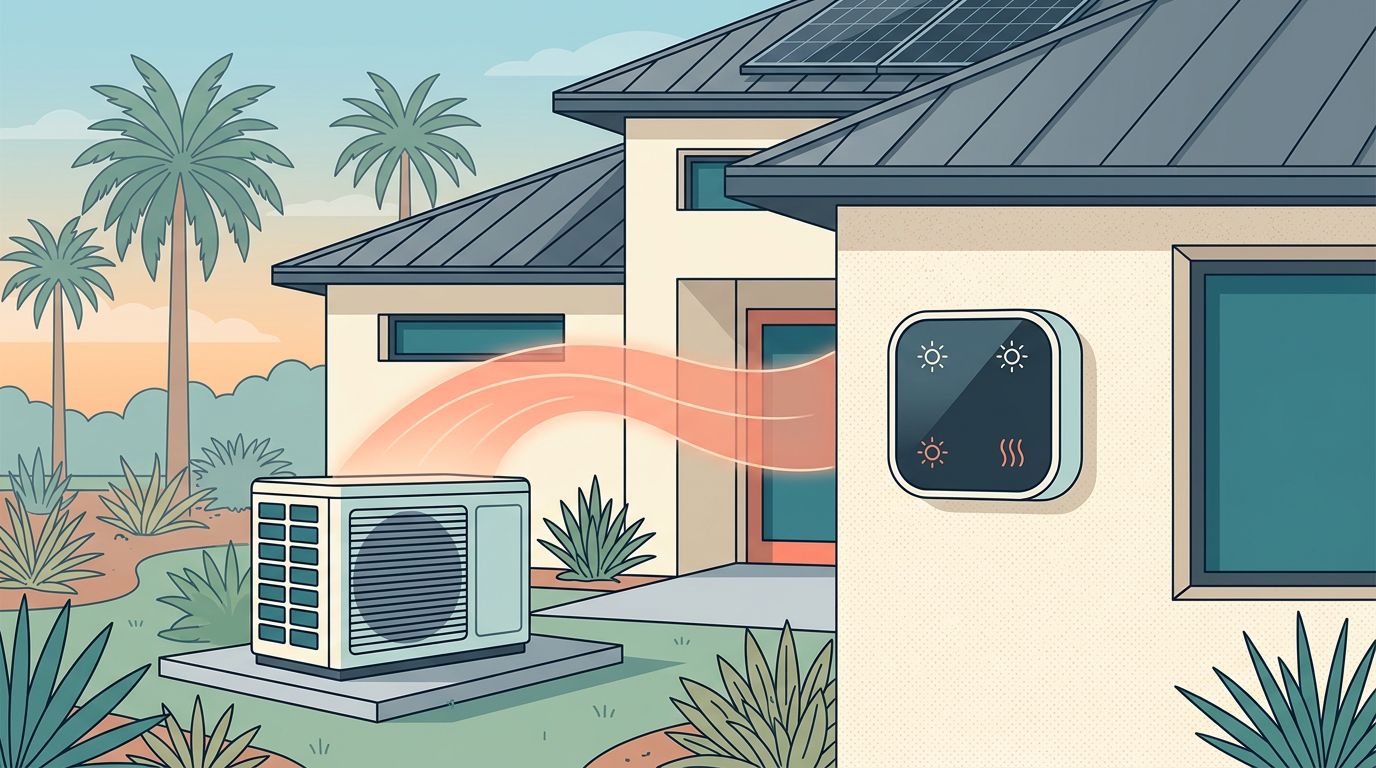
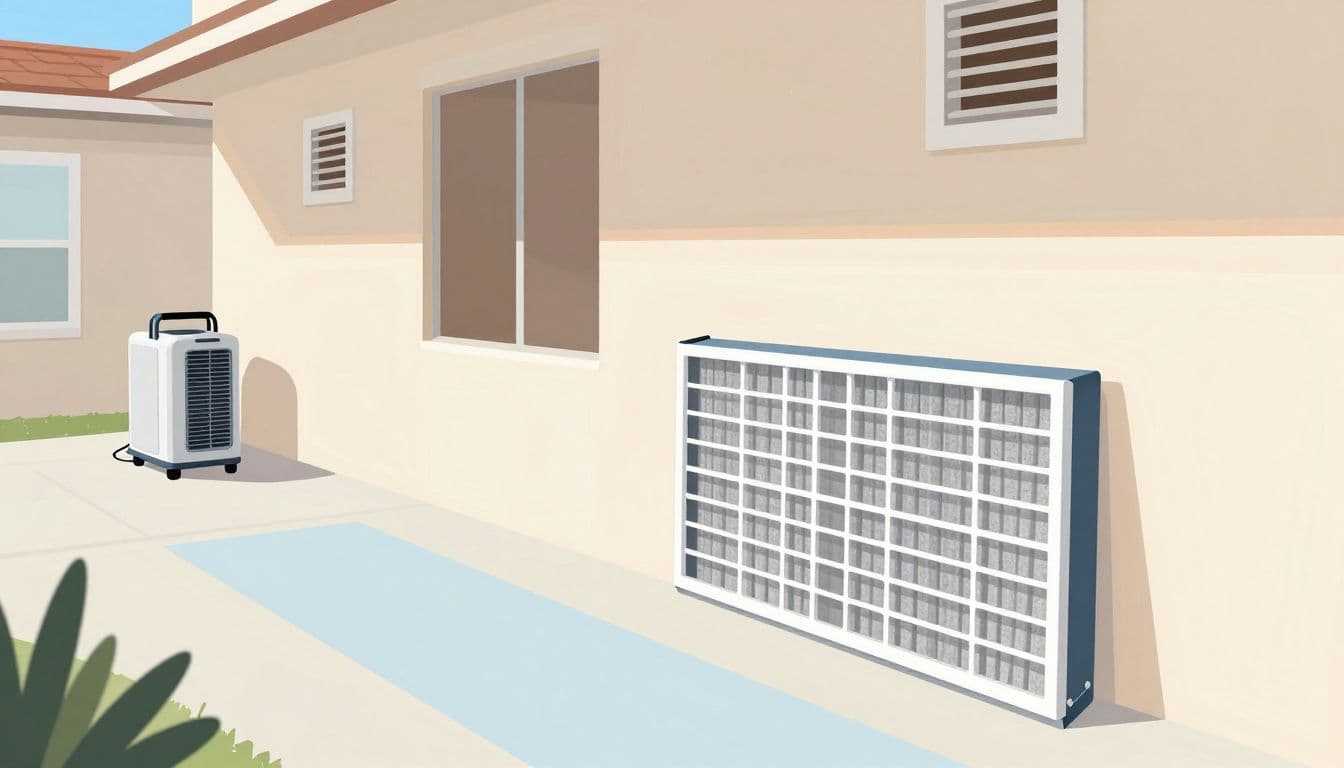
Never run an outdoor condenser while it is wrapped in plastic, tarps, or drop cloths. The unit needs unrestricted air movement. A blocked condenser can overheat and shut down.
Exterior painting, stucco work, pressure washing, and landscaping can also put the unit at risk. Ask the contractor to keep paint, water, dust, and debris away from the coil. If nearby work calls for a temporary shield or electrical shutdown, have a licensed HVAC professional set the plan.
A Remodeling HVAC Checklist for Homeowners and Pros
A practical remodeling HVAC checklist makes it clear who owns each task. Homeowners can handle basic observation and filter care, while contractors manage containment and licensed HVAC technicians handle equipment work.
| Task | Who should handle it |
|---|---|
| Photograph equipment, note vent locations, and share the layout with the remodeler. | Homeowner |
| Build dust barriers, clean the work zone, and keep materials away from equipment. | Remodeling contractor |
| Check and replace the manufacturer-approved filter when it becomes visibly loaded. | Homeowner |
| Disconnect wiring, open service panels, move refrigerant lines, or alter electrical connections. | Licensed HVAC professional |
| Test airflow, inspect coils, verify drainage, and assess ducts after major construction. | Licensed HVAC professional |
Keep homeowners out of equipment compartments
You can inspect a filter, wipe dust from the outside of a grille, and listen for a new noise after restart. Don't remove access panels, touch wiring, pull the outdoor disconnect, or try to clean the indoor coil yourself.
Electrical shutdown and lockout procedures belong to qualified personnel, even when the thermostat is off.
If the renovation moves walls, lowers ceilings, relocates the thermostat, or changes room use, schedule an HVAC assessment. A technician can determine whether the return path, supply ducts, thermostat placement, or system capacity needs attention.
Restart and Inspect the System After Construction
HVAC protection during remodeling continues through the cleanup phase. Don't restart the system at full speed until the work zone is clean and all airflow paths are open.
Make the first cooling cycle a quick inspection
Remove temporary barriers only after the contractor has vacuumed and cleaned the renovation area. Confirm that supply registers and returns are uncovered, then install a fresh approved filter.
Clear debris from around the outdoor unit and check that its grille and coil are free of paint or dust. After restarting, listen for rattling or unusual cycling. Look for normal airflow at registers and check the air handler area for water.
Don't open the cabinet to investigate a problem. A dirty filter can be a homeowner fix, but electrical noise, weak airflow, ice, or water leakage needs service.
Watch for signs that dust reached the system
A musty odor, persistent construction smell, dust blowing from vents, or rooms that no longer cool evenly can point to a larger issue. Repeated filter clogging also deserves attention.
In those cases, schedule an inspection rather than guessing at the cause. Duct cleaning after construction dust may help when debris has entered the ductwork, but a technician should first check the filter, coil, return paths, and overall system condition.
Protect Comfort Before the First Wall Comes Down
The best HVAC protection during remodeling combines containment, short shutdowns, correct filtration, and professional help when equipment or wiring is involved. Dust control protects more than the AC. It also keeps construction debris from spreading through the rooms where your family lives.
Plan the HVAC steps with the remodeler before work starts, then inspect the system once the project is complete. A little coordination helps your renovated home feel clean, comfortable, and ready to enjoy.
Recent Posts