When Heat Pump Auxiliary Heat Runs in Babcock Ranch
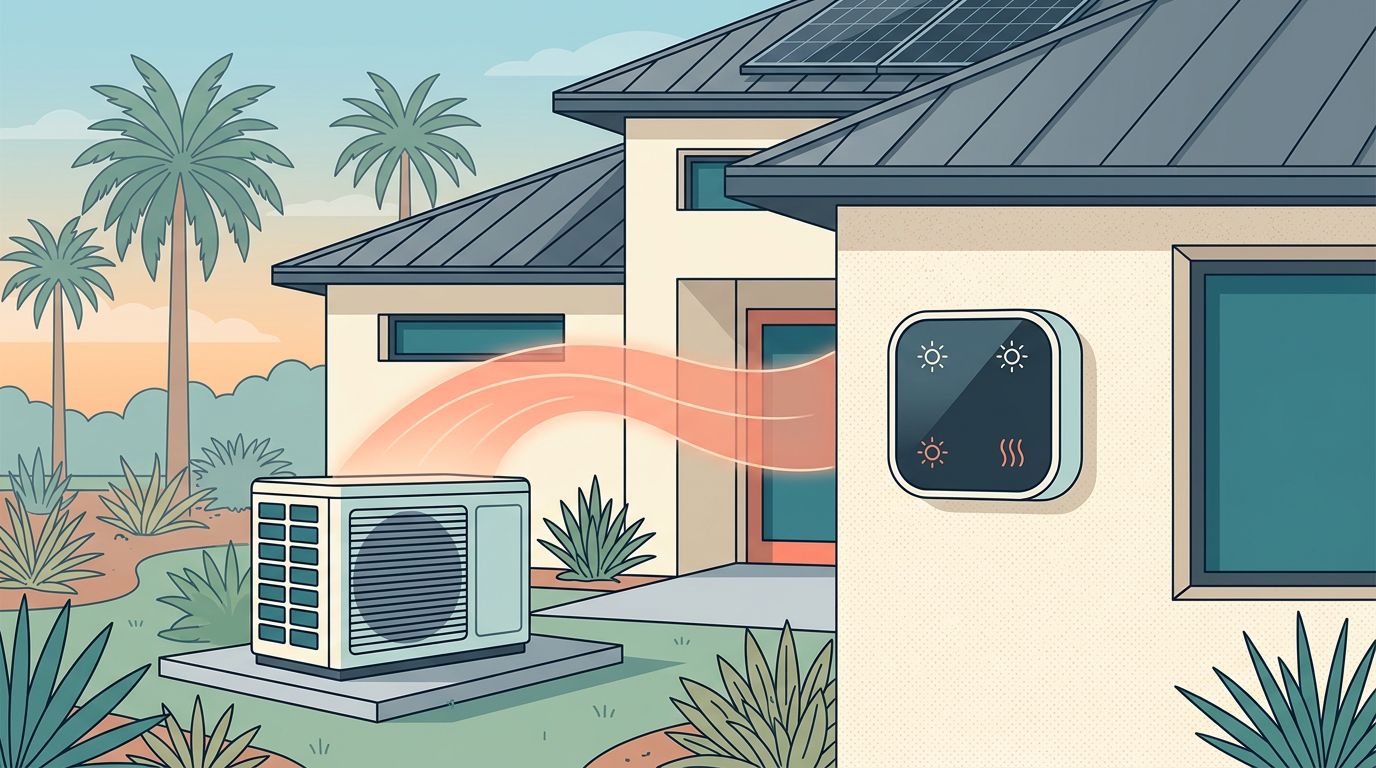
When heat pump auxiliary heat appears on your thermostat, it doesn't always mean something is wrong. The system may be adding backup heat during a cool morning, a recovery after a large thermostat adjustment, or a normal defrost cycle.
Babcock Ranch homeowners usually need heating less often than cooling, but heat pumps still need to work efficiently when temperatures drop. A brief Aux Heat message can be normal. Auxiliary heat that runs for hours, appears during mild weather, or shows up every time the system heats deserves a closer look. Start by understanding what the backup system does and when it should operate.
What Heat Pump Auxiliary Heat Means
A heat pump can heat your home without creating heat in the same way as a gas furnace. It transfers available heat from outdoor air into the home. When the heat pump needs help meeting the thermostat's demand, it can activate a second heating source.
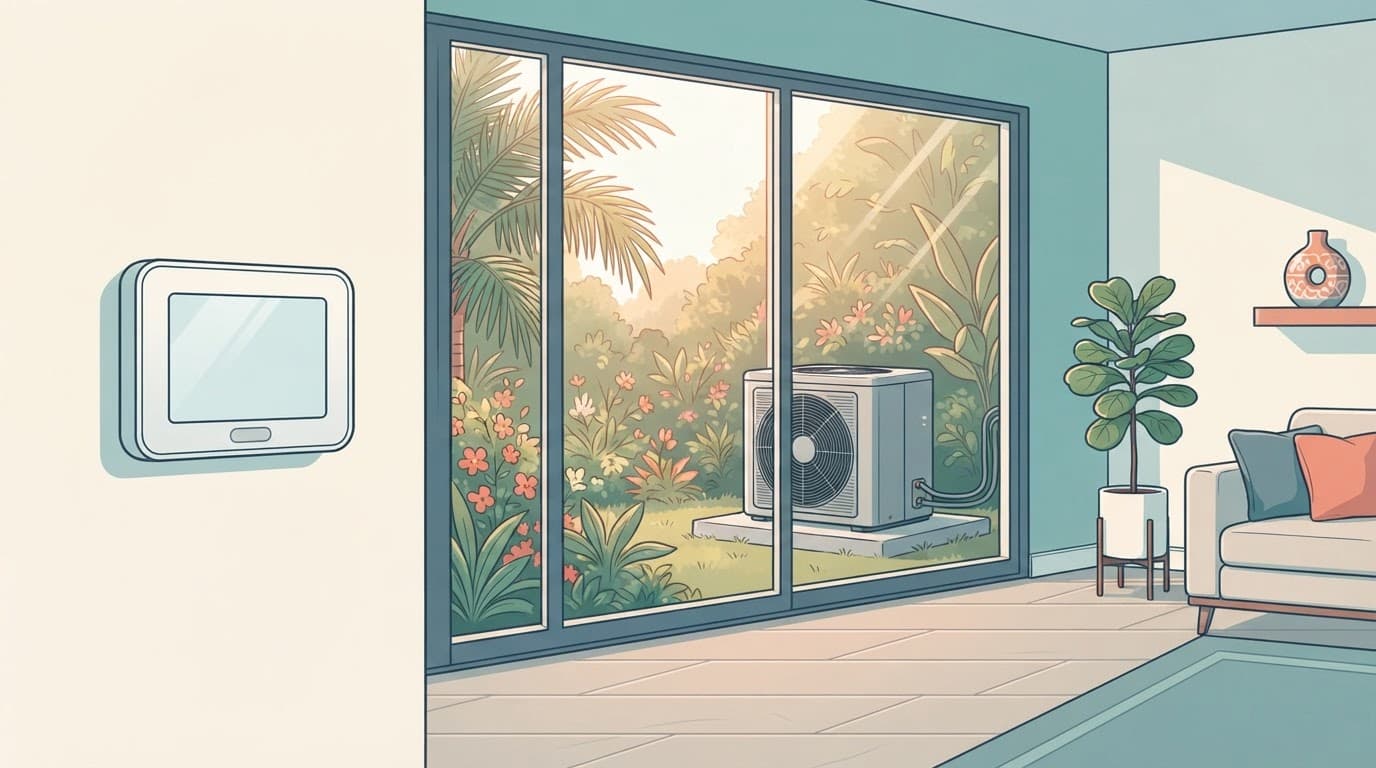
The heat pump does the first heating work
During normal heating operation, the outdoor unit runs, the refrigerant system transfers heat, and the indoor blower sends warmed air through the ducts. The compressor does most of the heating work.
Auxiliary heat is typically electric resistance backup heat . Electric heating elements inside the air handler warm the air directly when the heat pump needs additional capacity. Depending on the equipment, the thermostat or control board may bring on one or more backup stages.
That backup heat can operate alongside the compressor. It may also run for a short period when the heat pump temporarily changes operation during defrost.
Why auxiliary heat uses more electricity
Electric resistance heat can draw much more power than the compressor alone. As a result, a long Aux Heat cycle may increase energy use and raise your electric bill.
A brief cycle isn't a reason to panic. The message only tells you that the backup stage is active. It doesn't identify the cause or prove that a repair is needed. The runtime, outdoor conditions, thermostat settings, airflow, and equipment design all matter.
When Heat Pump Auxiliary Heat Is Normal
The exact point at which backup heat activates varies by equipment, thermostat programming, outdoor temperature, and home design. One Babcock Ranch home may use it briefly while another doesn't need it under the same weather conditions.
During startup and thermostat recovery
Auxiliary heat may run when your home needs to recover after a setback. For example, raising the thermostat several degrees at once can create a heating demand that the heat pump can't satisfy quickly on its own.
The backup stage may also assist after the system starts on a cool morning. In normal operation, it should turn off once the heat pump catches up or the thermostat no longer needs the extra capacity.
A heat pump that uses Aux Heat for a short time during startup can be operating as designed. The concern grows when the indicator stays on through multiple cycles or returns every time the system runs.
During a defrost cycle
Cold, damp weather can create frost on the outdoor coil. The heat pump temporarily reverses its refrigerant flow to remove that frost. During defrost, the outdoor unit may blow cooler air or pause its normal heating pattern.
Auxiliary heat can help maintain indoor comfort during this brief process. You may hear changes in outdoor operation, see steam near the condenser, or notice the thermostat display a backup heat message.
A short Aux Heat message during defrost can be normal. A message that remains on after the system returns to regular heating needs attention.
Babcock Ranch rarely experiences long winter freezes, but cool and damp conditions can still trigger defrost operation. A properly working system should return to normal heating afterward.
How to Read Thermostat Indicators
Thermostat brands use different labels, so the exact message depends on your model. The display may show "Aux Heat," "Aux," "Stage 2," or a small heat icon with an additional indicator.
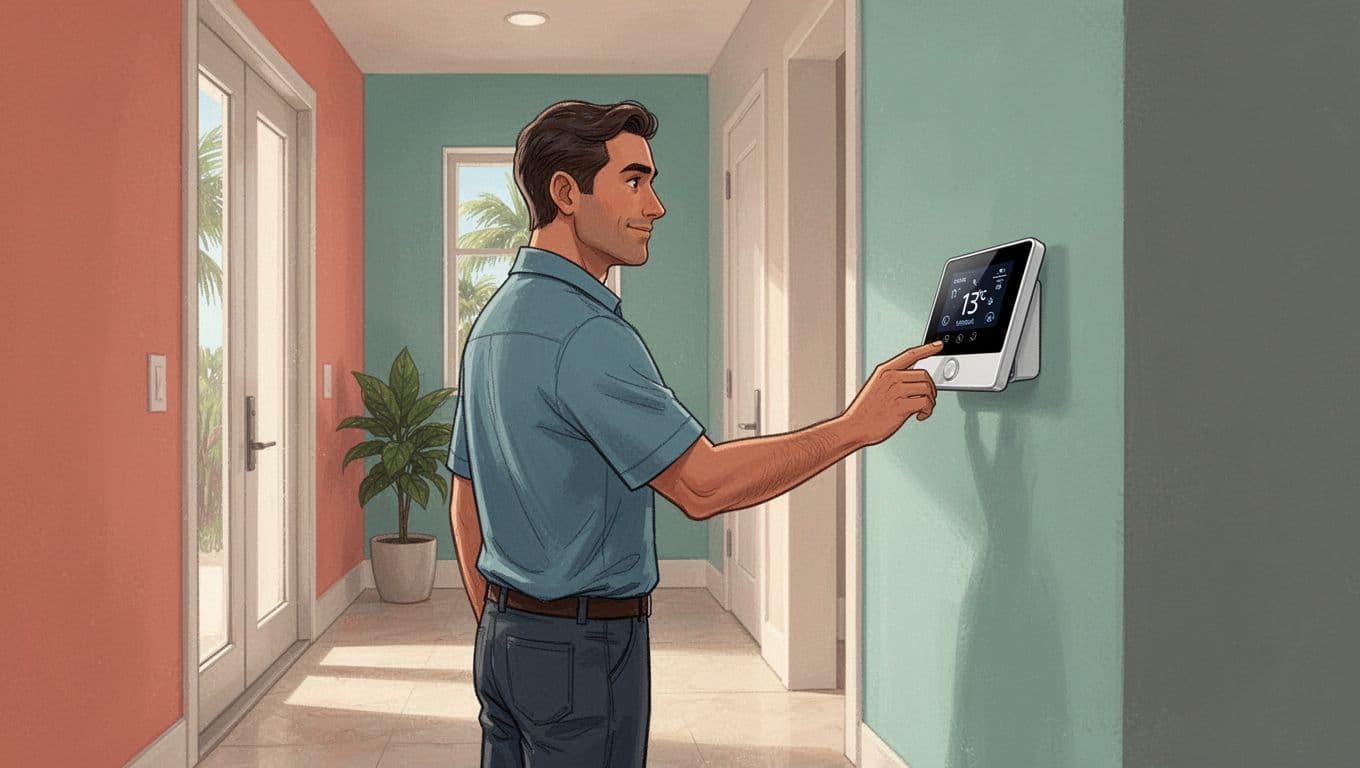
What the Aux Heat message tells you
An Aux Heat indicator usually means the thermostat has requested backup heat. It doesn't tell you whether the filter is dirty, the outdoor unit has a problem, or the system needs refrigerant service.
Watch the message along with system behavior. A short indicator during heating may be expected. A message that remains on while the house temperature barely changes points to a possible capacity, airflow, control, or equipment problem.
Check the thermostat mode and setpoint first. Aux Heat should appear during a heating call, not during normal cooling. If the display shows a backup message while the system is in Cool mode, note the condition and arrange service if it continues.
Auxiliary heat and emergency heat are different
Auxiliary heat usually works automatically with the heat pump. Emergency Heat is a separate thermostat setting that disables the outdoor heat pump and uses the backup heat source by itself.
Emergency Heat can help if the outdoor unit has failed, but it costs more to operate because electric resistance elements carry the heating load. Use it only when your equipment instructions or an HVAC professional tell you to do so.
If Emergency Heat turns on by itself, the thermostat won't leave that setting, or the outdoor unit won't run during normal heating, schedule professional service. Don't repeatedly switch modes to force the system to operate.
Why Auxiliary Heat Runs Too Often
Frequent backup heat can come from a simple airflow restriction or a fault that prevents the heat pump from delivering its normal heating capacity. The thermostat display alone can't separate those causes.
Restricted airflow makes the system struggle
A dirty filter reduces the amount of air moving through the indoor coil. Closed supply registers, blocked return grilles, dirty blower components, or duct restrictions can create similar problems.
When airflow drops, the system may run longer without warming the home effectively. The thermostat can then call for backup heat more often.
Start with safe checks that don't require opening equipment. Confirm that the filter is clean and installed correctly. Keep supply vents and return grilles open and clear of furniture, rugs, and stored items.
Equipment and control problems need testing
Auxiliary heat can run too often when the outdoor unit isn't operating correctly. Possible causes include a failed capacitor, outdoor fan problem, defrost control issue, sensor fault, reversing valve problem, compressor trouble, or refrigerant issue.
Thermostat wiring and staging controls can also activate backup heat at the wrong time. An aging or poorly sized heat pump may struggle to meet the home's heating load, especially if ductwork leaks or the system loses capacity.
Don't open the air handler, handle refrigerant, or test electrical components yourself. These tasks require trained service procedures and create shock, burn, and equipment risks.
How Babcock Ranch Conditions Affect Heat Pump Operation
Babcock Ranch homes differ in construction, insulation, window area, duct layout, and equipment size. Those differences affect how quickly each home gains and loses heat during a cool spell.
Outdoor conditions still matter in Southwest Florida
Heat pumps work with outdoor air, so their output changes as outdoor conditions change. Cool, damp mornings can also lead to defrost cycles. Leaves, grass clippings, dust, or other yard debris around the condenser can restrict airflow across the outdoor coil.
Keep the area around the outdoor unit reasonably clear. Look at the equipment from the outside, but don't remove panels or reach into the condenser. If the coil looks heavily dirty, the fan doesn't run, or the unit makes unusual sounds, call a technician.
Humidity can make a room feel uncomfortable, but it doesn't automatically mean the heat pump needs auxiliary heat. Poor insulation, air leakage, or thermostat placement can affect comfort even when the equipment is operating.
Capacity and duct design affect backup heat use
A heat pump with limited heating capacity may rely on electric backup more often. Duct leakage, inadequate returns, or an incorrect equipment match can create the same symptom.
When replacing or installing a system, ask for a load-based evaluation rather than choosing equipment by square footage alone. The same home design questions matter when reviewing proper AC sizing for Babcock Ranch homes, although a heat pump also needs a heating-capacity review.
Energy-Saving Thermostat Practices
Good thermostat habits can reduce unnecessary backup heat without making your home uncomfortable. Your equipment manual should take priority because thermostats and heat pumps use different staging controls.
Avoid large, sudden setpoint changes
Set a comfortable heating temperature and make smaller adjustments when you change the schedule. A large increase can cause the thermostat to call for auxiliary heat to recover faster.
A steady setting often works better than repeatedly raising and lowering the thermostat. If you use a programmable or smart thermostat, select a heat-pump setting when available. That setting can control staging more appropriately than a generic electric heat profile.
Don't keep changing the setpoint because the system hasn't warmed the room immediately. Give the heat pump time to operate, then check whether the temperature is rising and whether the outdoor unit is running.
For related thermostat habits in Southwest Florida, review these Babcock Ranch summer thermostat settings. Cooling and heating calls differ, but reasonable schedules and accurate thermostat placement matter in both modes.
Keep airflow efficient
Replace the filter according to the equipment manufacturer's guidance and household conditions. Homes with pets, construction dust, or frequent indoor activity may need more frequent filter checks.
Keep the indoor fan on Auto for normal operation unless your HVAC professional recommends another setting. A fan set to On can continue moving air after the heating cycle stops, which may affect comfort and humidity around the indoor coil.
Avoid covering vents or closing several registers to redirect air. The duct system needs balanced airflow. If some rooms stay cold while others feel comfortable, ask a technician to check airflow instead of closing more vents.
When to Contact an HVAC Professional
A professional inspection makes sense when auxiliary heat stays on, repeats often, or appears with another comfort or equipment symptom. Service is especially important when the outdoor heat pump doesn't appear to run during a normal heating call.
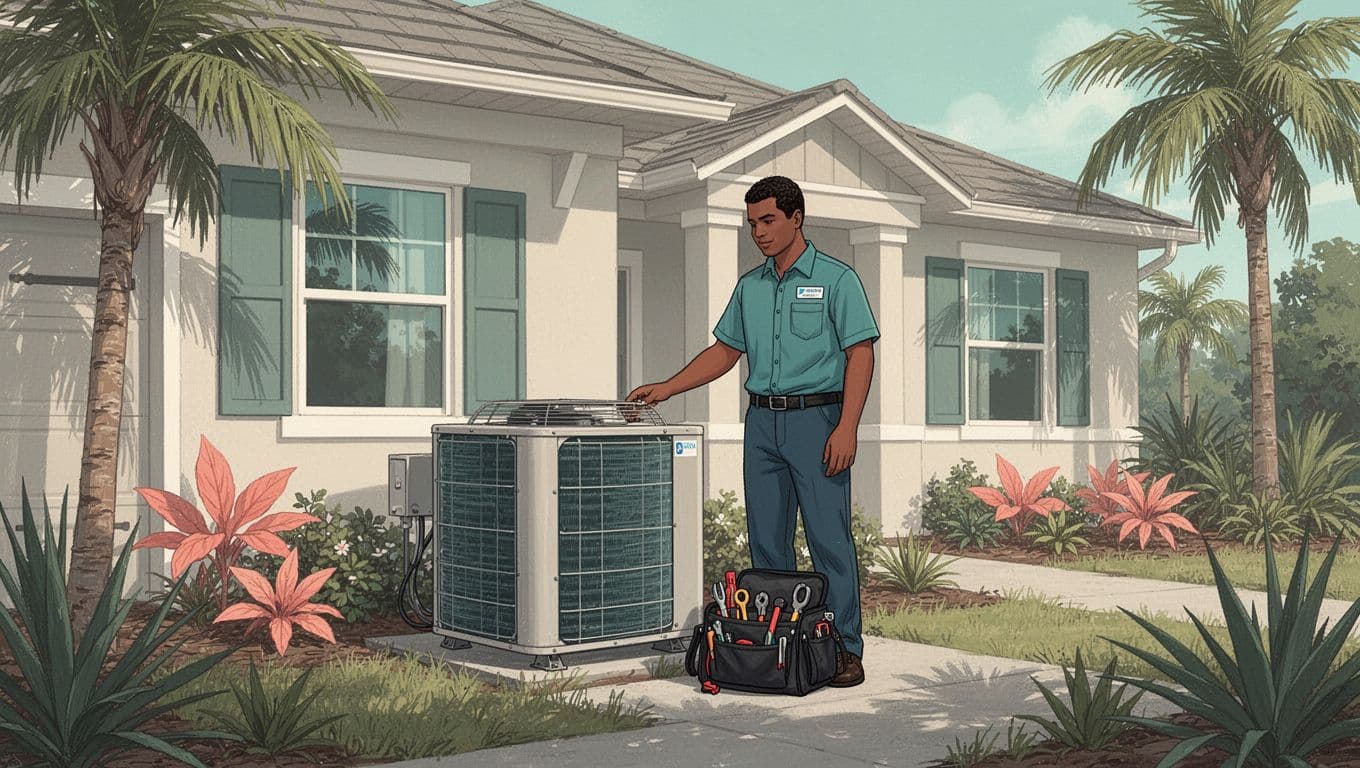
Schedule service for persistent backup heat
Contact an HVAC company if the Aux Heat indicator remains on through most heating cycles, returns every time the system runs, or appears during mild conditions without a recent thermostat change.
Arrange service sooner if you notice:
- The home temperature keeps falling even though the system runs.
- The outdoor unit never starts during normal heating.
- Supply air feels cool for an extended period.
- The system repeatedly turns on and off.
- Ice remains on the outdoor unit after a cycle.
- The breaker trips, or you smell burning insulation.
If you see smoke, exposed wiring, melted components, or signs of electrical damage, keep away from the equipment and seek urgent professional help. Don't reset a tripped breaker repeatedly.
What the technician should inspect
A qualified technician can compare thermostat operation with the actual system sequence. The inspection may include the filter, airflow, indoor blower, outdoor coil, fan, electrical controls, defrost system, refrigerant circuit, reversing valve, thermostat wiring, and heat pump capacity.
The technician should also ask about when Aux Heat appears, recent thermostat changes, comfort differences between rooms, and changes in electric use. Those details help connect the display message to the operating problem.
Ask for a clear diagnosis before approving repairs. A good service visit should explain whether the cause is airflow, controls, equipment condition, duct performance, or normal operation.
Conclusion
Heat pump auxiliary heat is typically electric resistance backup. A short cycle during startup, recovery, or defrost can be normal, but continuous or frequent operation can increase energy use and point to an airflow or equipment problem.
Keep the filter clean, avoid large thermostat changes, use the correct heat-pump settings, and watch how long the Aux Heat message remains active. When the outdoor unit won't run, comfort drops, or electrical symptoms appear, have a qualified HVAC professional inspect the system before a small issue becomes a larger repair.
Recent Posts