HVAC Static Pressure Testing for Estero Homes
An air conditioner can have a clean filter and still struggle to move air. In many Estero homes, HVAC static pressure testing reveals resistance hidden inside the return, filter, coil, or ductwork.
When pressure is too high, rooms may stay unevenly cooled, the blower may work harder, and the system may use more electricity. When pressure is unexpectedly low, duct leaks or connection problems may be allowing conditioned air to escape.
The test gives a qualified HVAC professional measurable information instead of requiring guesswork. Here is what Estero homeowners should know before scheduling one.
HVAC static pressure testing: What the measurement shows
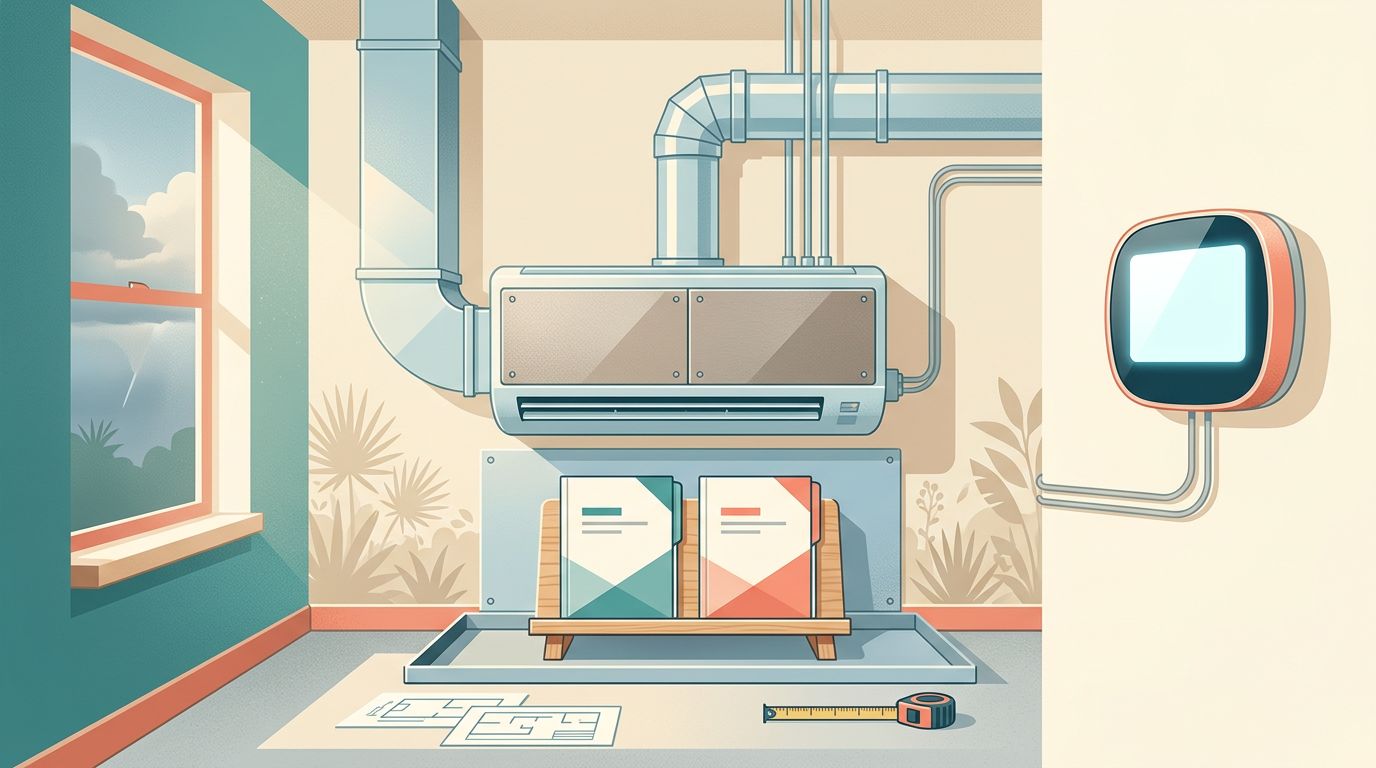
Static pressure is the resistance air faces as it moves through an HVAC system. Every blower must push air through filters, coils, supply ducts, return ducts, grilles, and dampers. Restrictions in any of these areas can change how the entire system operates.
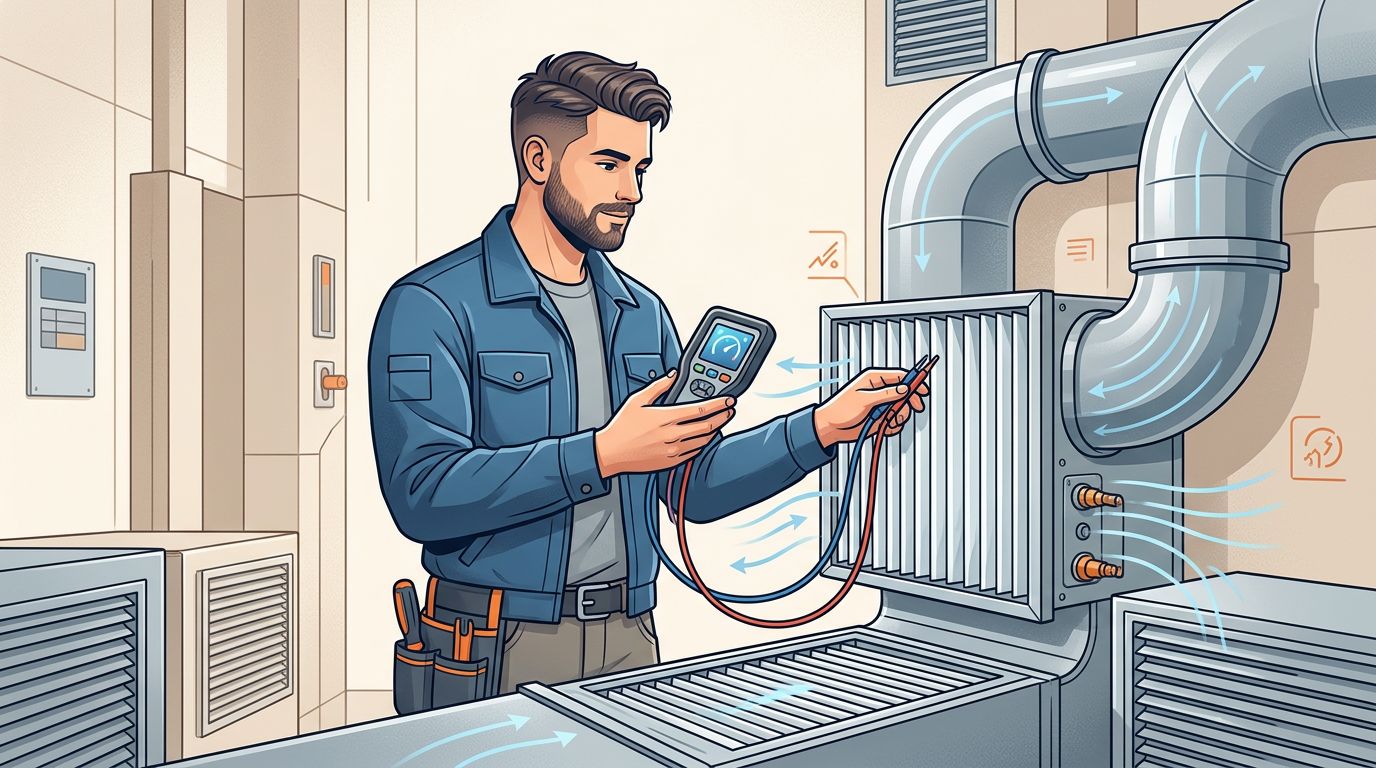
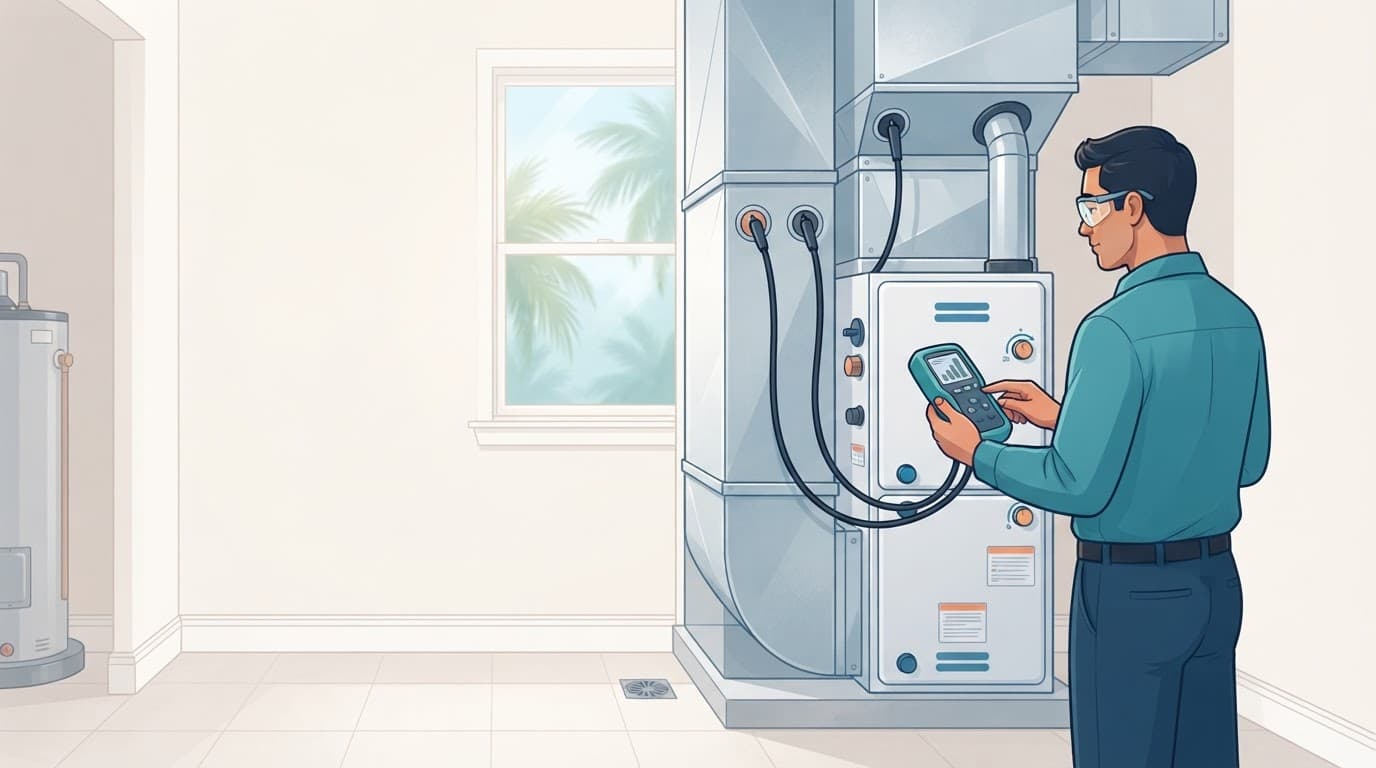
A technician measures pressure with a digital manometer. The readings are usually recorded in inches of water column and compared with the equipment manufacturer's specifications, the blower design, and the home's duct layout.
Static pressure in plain language
A central air conditioner needs a steady path for air to leave the rooms, pass through the return, move across the filter and coil, and travel back through the supply ducts.
When that path becomes difficult to move through, the blower faces more resistance. The result may be weak airflow even though the outdoor unit starts and the thermostat appears to work normally.
A pressure test can examine total external static pressure, pressure across the filter, and pressure across other components. The technician selects measurement points based on the equipment and the problem being investigated.
Why the reading needs context
One pressure reading doesn't tell the full story. The professional must know where the reading was taken, whether the system was operating under normal conditions, and how that result compares with the air handler's design limits.
A higher reading often points to excessive resistance. An unexpectedly low reading can indicate duct leakage, a disconnected section, an open panel, or a measurement problem. The meaning depends on the whole system.
Testing also differs from duct leakage testing. Static pressure measures resistance during operation, while duct leakage testing focuses on how much air escapes through gaps and damaged connections.
Why static pressure matters in Estero homes
Southwest Florida air conditioners run for long periods during hot, humid weather. That workload makes airflow problems easier to notice and harder to ignore.
A system can cool the home while still operating poorly. HVAC static pressure testing helps connect comfort complaints with conditions inside the equipment and duct system.
Comfort and energy use
High resistance can reduce airflow at the supply registers. Some rooms may feel comfortable while others remain warm, especially when the duct layout already has long runs, tight bends, or restricted branches.
Longer run times often follow. The system may need more time to reach the thermostat setting, and the blower may consume more energy while moving air against resistance. Rising utility costs have many possible causes, so a pressure test should be part of a broader diagnosis.
Uneven temperatures can also result from a weak blower, low refrigerant, dirty coils, poor duct balance, or an air conditioner that no longer matches the home. Pressure testing helps separate those possibilities.
Humidity, air quality, and equipment performance
Airflow affects how well an air conditioner removes moisture. A restriction can reduce the amount of air crossing the evaporator coil, which may contribute to poor dehumidification or coil icing.
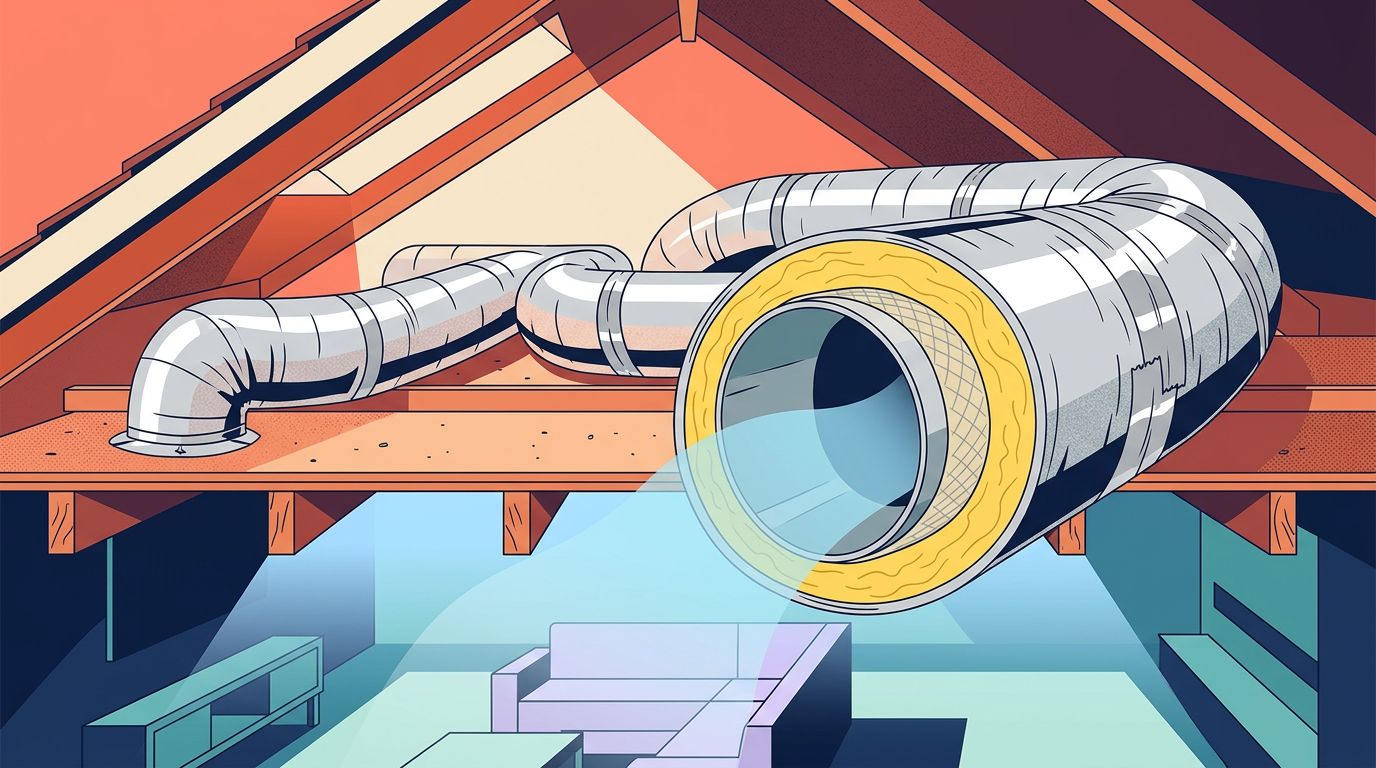
Duct leaks create another concern when ducts run through an attic, garage, or other unconditioned space. A return-side leak can draw in dusty or humid air. A supply-side leak can send cooled air into an area that doesn't need it.
Homeowners dealing with dust, musty odors, or persistent humidity may also need an inspection of their indoor air quality solutions. Filtration and duct cleaning may help in some cases, but neither one fixes every airflow restriction.
High resistance can also place extra demand on the blower and other components. Pressure alone doesn't prove that a motor or electrical part has failed, but it can help explain unusual noise, weak airflow, or repeated service problems.
Signs your HVAC system may need testing
Static pressure testing makes sense when airflow symptoms keep returning or when a repair doesn't resolve the original complaint. Estero homeowners should pay attention to changes that affect several rooms or appear during heavy cooling periods.
Watch for these airflow warning signs
- Supply registers deliver noticeably less air than they used to.
- One bedroom, addition, or upstairs area stays warmer than the rest of the home.
- The return grille makes a loud whistling or rushing sound when the system runs.
- The filter bends inward, looks unusually dirty, or becomes difficult to remove.
- The air conditioner runs for long periods without maintaining the thermostat setting.
- The evaporator coil freezes, or the system repeatedly shuts down on a safety control.
- Dust returns soon after cleaning, or certain rooms develop musty odors.
- A blower motor, capacitor, control board, or other airflow-related part has failed more than once.
A new filter may improve some problems, but repeated symptoms deserve a closer look. You can also review the common AC blower motor failure signs when unusual noise or weak airflow points toward the air handler.
Symptoms don't identify the cause by themselves
Warm rooms don't automatically mean the ductwork has high static pressure. Refrigerant issues, dirty indoor coils, closed dampers, thermostat placement, poor insulation, and an undersized system can create similar comfort problems.
The same caution applies to high electric bills. A failing capacitor, restricted coil, aging equipment, or poor duct sealing may all affect operating cost.
A qualified technician should test the system rather than recommend a major repair based on one symptom. Pressure readings are most useful when combined with a visual inspection, equipment history, temperature measurements, and a review of the home's duct design.
How ductwork and filters affect static pressure
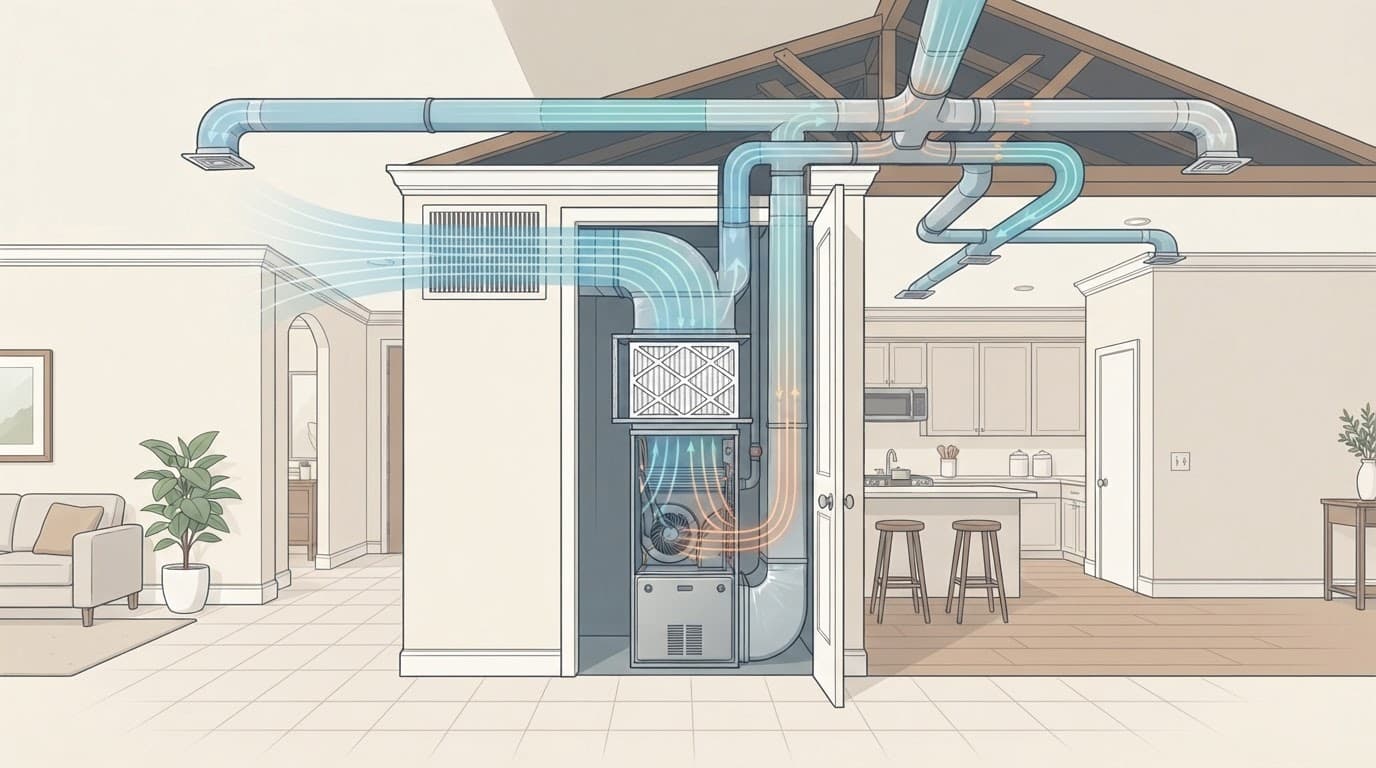
The duct system has two jobs: it must return room air to the air handler and distribute conditioned air back through the home. Problems on either side can change pressure and airflow.
Supply and return restrictions
A return that is too small may starve the blower of air. Blocked return grilles, undersized return ducts, restrictive filter cabinets, and filters installed backward can add resistance before air reaches the coil.
On the supply side, crushed flexible duct, closed dampers, sharp bends, dirty coils, and poorly sized branches can limit airflow. Closing several supply registers usually doesn't solve the problem. It can increase resistance in the remaining open paths.
Filter selection needs care as well. A higher-rated filter isn't automatically the right choice for every system. The filter must fit correctly and provide the level of filtration the equipment can handle without excessive pressure drop.
Leaks, damage, and poor duct layout
A static pressure test can show that the system is meeting resistance, but it doesn't locate every duct leak. The technician may need a separate inspection or duct test to find disconnected joints, damaged insulation, loose boots, or gaps around plenums.
Duct sealing can help when air escapes before it reaches the room. Repairs may include approved mastic, properly rated foil tape, insulation replacement, or duct section replacement. For more detail on losses caused by duct problems, see this guide to ductwork pressure testing.
Duct cleaning is a different service. Cleaning removes buildup, but it won't correct a crushed duct, undersized return, disconnected branch, or poorly balanced system.
What to expect during a service visit
A good diagnostic visit begins with your comfort complaints, not with a replacement recommendation. Tell the technician which rooms feel different, when the issue started, whether a filter or repair recently changed, and whether the system freezes or makes unusual sounds.
The technician checks the system first
Before taking readings, the professional may inspect the filter, return grille, supply registers, blower compartment, evaporator coil, duct connections, and accessible dampers. They may also check whether panels close correctly and whether obvious duct damage is present.
Access matters. Keep the thermostat, air handler, return grilles, and problem rooms available. If the air handler sits in a tight attic or closet, the technician may need extra time to work safely and reach the correct measurement points.
The pressure test uses selected test points
The system runs under operating conditions while the technician connects a manometer to test ports. Depending on the equipment, measurements may be taken on the return and supply sides, across the filter, and across the coil or other components.
The technician may compare readings with the filter installed and inspect pressure changes across that filter. They may also check blower operation, temperature changes, and airflow at selected registers.
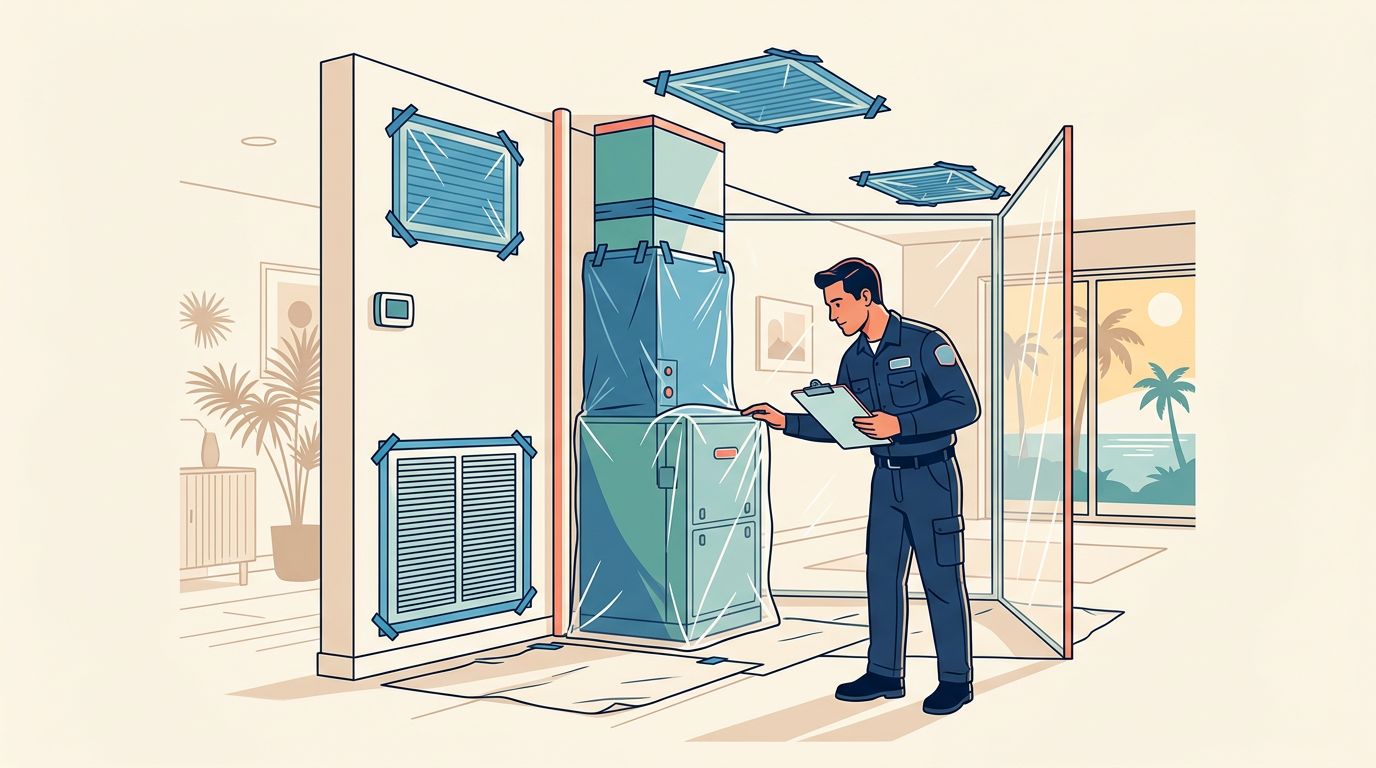
Small test openings may be needed on some duct systems. A professional should seal those openings after testing and protect the surrounding area during the visit.
You should receive an explanation
Ask which readings were high or low, what specifications the technician used for comparison, and whether the problem involves airflow, leakage, equipment performance, or more than one issue.
A useful explanation connects the measurement to a repair. It should also separate urgent safety concerns from improvements that can wait. Electrical work and duct modifications should be handled by a qualified HVAC professional.
Possible corrections after testing
The right repair depends on the restriction, the duct layout, and the condition of the equipment. Sometimes a small correction restores airflow. Other cases require duct changes or a closer look at the air handler.
Start with the simplest airflow problems
A technician may replace an incorrect or heavily loaded filter with the correct size and resistance rating. They may clean a dirty evaporator coil or blower wheel, open an incorrectly closed damper, or correct a loose access panel.
Blower settings can also affect airflow, but adjustments should follow the equipment manufacturer's requirements. Increasing blower speed without checking pressure, coil conditions, and duct capacity can create more noise or stress.
The thermostat may need attention if it is poorly placed or inaccurate, yet a thermostat change won't repair a restricted duct system. Diagnosis should come before replacement.
Duct and equipment repairs require skilled work
When the ductwork causes the problem, repairs may include sealing joints, replacing crushed flex duct, repairing insulation, improving a return path, or balancing supply branches. A larger return or redesigned duct section may be appropriate when the original layout cannot deliver enough air.
If pressure remains outside the equipment's acceptable range, the technician may inspect the blower motor, capacitor, wiring, control board, coil, and other components. Homeowners should not attempt electrical testing or motor repairs themselves.
A complete system replacement may be reasonable when the equipment, ductwork, and home no longer match. However, one pressure reading shouldn't be the sole reason for replacing an air conditioner. The recommendation should follow documented testing and a review of the system's overall condition.
Static pressure testing versus routine maintenance
Routine HVAC maintenance and static pressure testing answer different questions. Maintenance focuses on keeping known components clean, safe, and operational. A visit may include filter inspection, coil cleaning, condensate drain service, electrical checks, thermostat review, and general equipment inspection.
Static pressure testing is a targeted diagnostic service. It measures how easily air moves through the system and helps identify restrictions, poor return capacity, filter pressure drop, and airflow conditions that a visual tune-up may not reveal.
When to request a pressure test
Ask about testing when comfort problems continue after routine maintenance, especially if you notice weak airflow, long run times, repeated coil icing, or blower problems. Testing also makes sense after major duct changes, an air handler replacement, a home addition, or an installation that never delivered even temperatures.
New equipment can still have airflow problems if the duct system wasn't matched to the blower. A pressure test can help identify that issue before repeated part replacements become expensive.
During the appointment, ask whether the technician will provide the recorded readings, explain what they mean for your specific equipment, and identify which correction should come first.
Conclusion
HVAC static pressure testing gives Estero homeowners a clearer explanation for weak airflow, uneven cooling, humidity problems, and repeated blower issues. The measurement becomes useful when a qualified professional compares it with the equipment, filter, coil, and duct design.
Routine maintenance keeps the system in working condition, but it doesn't replace airflow diagnostics. When symptoms return, ask for testing before approving a major repair, and make sure electrical or ductwork corrections are handled by a trained HVAC professional.
Recent Posts