Water Heater Flushing in Fort Myers: When to Do It
A Fort Myers water heater typically needs an annual flush as preventative maintenance for storage-tank systems. Water quality, household demand, and your owner's manual may call for a shorter interval. This routine helps maintain a dependable supply of hot water.
Tankless units don't collect sediment in a tank. Instead, periodic descaling of the heat exchanger is often needed every 6 to 12 months. The right plan starts by identifying your unit type and considering local water conditions.
Key Takeaways
- Most Fort Myers homes with storage-tank water heaters should schedule an annual flush, while hard water, heavy use, or warning signs may call for service every six months.
- Tankless water heaters need descaling rather than a traditional flush, typically every 6 to 12 months according to water conditions and the manufacturer's instructions.
- Sediment can reduce efficiency, usable hot-water capacity, and recovery speed, while popping or rumbling sounds may indicate buildup inside the tank.
- DIY flushing is safest for newer, well-maintained units after the water cools completely; leaks, corrosion, stuck valves, gas issues, and electrical problems require professional service.
Water Heater Flushing Schedule for Fort Myers Homes
Hard water is common enough across Southwest Florida to make regular tank maintenance a practical habit. As water heats, dissolved minerals can separate and settle, especially inside conventional storage tanks.
Start with an annual flush for a tank water heater
For a standard electric or gas storage-tank unit, plan on an annual tank flush once every 12 months . Pick a time when you can go without hot water for several hours, since the safest method starts after the tank has cooled.
A consistent maintenance schedule supports the heater's efficiency and can help preserve its lifespan. Annual service removes loose sediment before it forms heavier sediment buildup at the tank bottom. It also lets you check the drain valve, look for corrosion, and notice changes in performance.
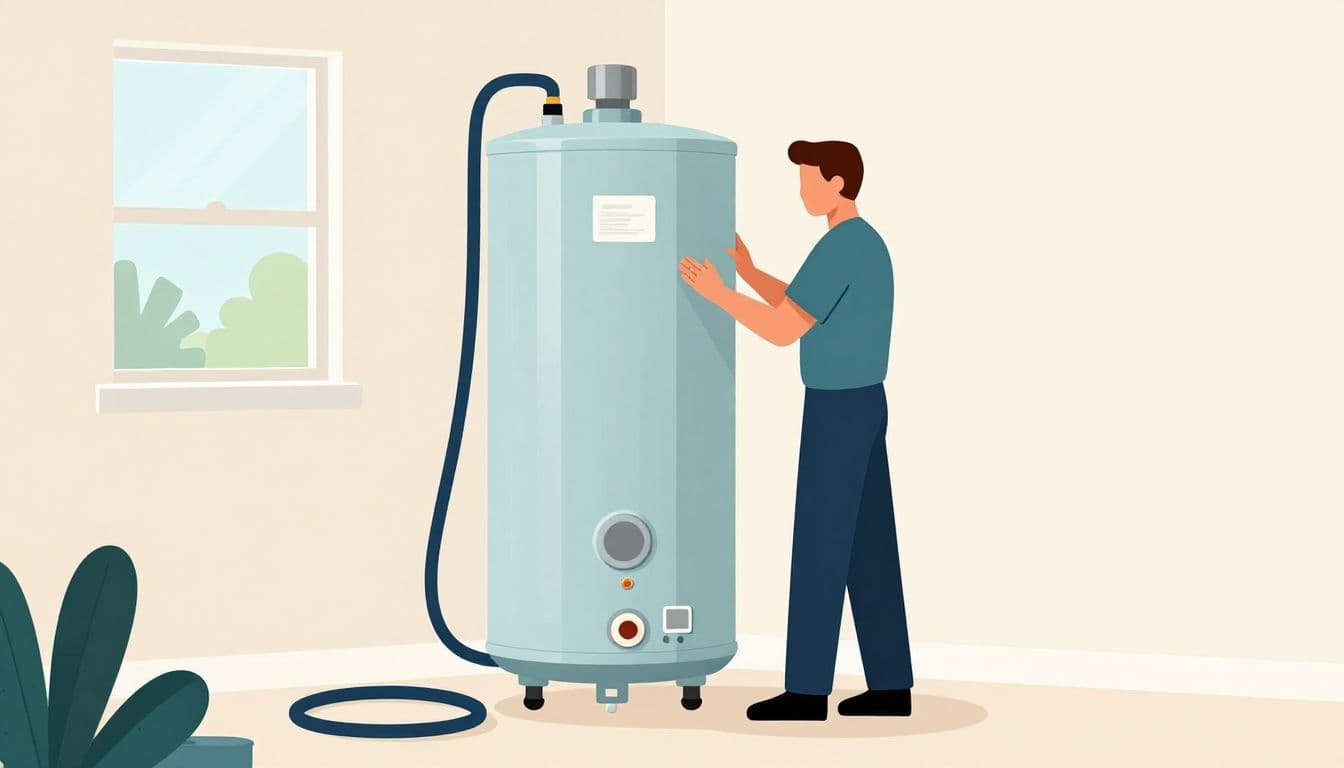
When a six-month schedule makes sense
Move tank service to every six months if your home has mineral-rich water, a large household, or frequent hot-water demand. More showers, laundry loads, and dishwasher cycles bring more mineral-bearing water through the tank.
A home with five residents may need service sooner than one with two. Likewise, a unit that has already made popping sounds or recovered slowly deserves closer attention. A water softener can reduce deposits, but it doesn't replace the maintenance instructions for your model.
Your manufacturer's manual takes priority. Some brands set their own intervals or include an anode rod inspection within the model-specific service interval.
Why Fort Myers Water Can Leave Sediment Behind
Mineral deposits don't show up overnight. Instead, sediment buildup forms with every heating cycle inside a conventional water heater. That's why a heater can seem fine for years, then suddenly lose capacity.
Sediment creates a barrier between heat and water
Calcium and other minerals can settle at the base of a tank. Over time, that sediment acts as insulation between the heating elements and the water above it.
The heater then has to work longer to produce the same amount of usable water, which can reduce efficiency. That extra runtime can raise energy costs, although no responsible contractor can promise a fixed dollar amount of savings after a flush. Utility bills also depend on household use, thermostat settings, insulation, and the heater's age.
Heavy buildup can also take up room in the tank. Less available space means less stored hot water for morning showers or a load of laundry.
Popping sounds often point to trapped heat
Popping sounds and rumbling noises are among the clearest signs of sediment buildup in a conventional unit. Water can become trapped beneath mineral deposits, heat rapidly, and release small bursts of steam through the sediment.
The noise may stop after a proper flush, but don't assume it's harmless. Repeated overheating at the tank bottom can put added strain on heating components and the tank itself.
Clear water from the drain hose doesn't always mean the tank is free of mineral scale. Hardened deposits can remain stuck to the bottom or heating surfaces after years without maintenance.
Signs Your Water Heater Needs Attention Soon
A yearly schedule is helpful, yet your water heater's behavior matters more than the calendar. Watch for performance changes between appointments, especially if your home has a history of mineral buildup.
Changes in Hot Water Performance
Sediment buildup often starts with subtle changes. You may notice the unit runs longer, or the last person in the shower gets lukewarm water much sooner than before.
Look for these common warning signs:
- Rumbling noises during a heating cycle can point to sediment at the tank bottom.
- Cloudy water or visible particles may indicate debris, particularly if the cold water remains clear.
- Longer recovery times can indicate poor heat transfer and lower efficiency.
- Reduced capacity may mean sediment has taken up usable tank space.
- A drain valve that barely flows can signal debris near the bottom of the tank.
Some Symptoms Call for Service, Not a Flush
A flush won't repair every problem. Call for professional service if the unit is leaking, shows rust streaks or corrosion near fittings, or discharges water from the pressure relief valve.
A gas smell, a tripped breaker, or repeated pilot-light problems also require prompt attention. Don't attempt a flush when the unit has an active leak or an electrical or gas-related issue. Those problems require diagnosis before flushing or other maintenance begins.
Tank Water Heaters and Tankless Units Need Different Care
The word "flush" gets used for both systems, but the work is different. Both water heater types need maintenance, yet they don't receive the same service. A storage tank holds water and collects settled sediment. A tankless unit heats water inside narrow passages, where mineral scale can restrict flow and reduce efficiency.
This comparison helps separate the two routines:
| System type | Main maintenance task | Typical starting interval | Main concern |
|---|---|---|---|
| Storage-tank water heater | Drain and flush loose sediment | Once a year | Sediment at the tank bottom |
| Tankless unit | Rinse the heat exchanger and remove scale | Every 6 to 12 months | Scale in internal passages |
A home's water quality, usage level, and manufacturer instructions can shorten either interval.
Tank water heaters need sediment removal
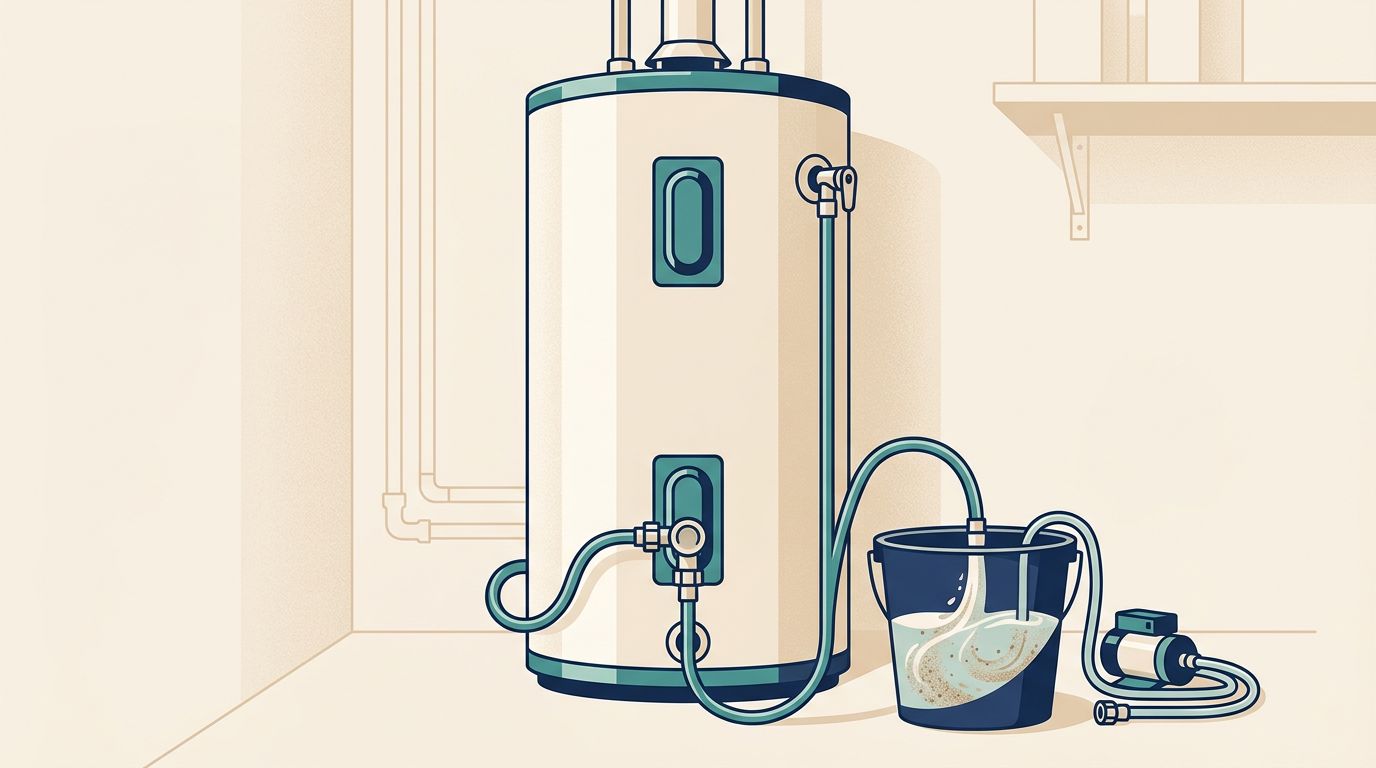
A storage tank usually has a drain valve near its base. Before draining, shut off the cold water inlet. During a flush, water and loose debris exit through the valve and a connected hose. The goal is to remove sediment without damaging an old valve or exposing anyone to scalding temperatures.
Older tanks deserve extra caution. If a tank has gone many years without draining, accumulated scale can clog the drain valve or make it difficult to clear the tank. Forcing a stuck valve can create a much larger repair.
Tankless water heaters need descaling
Tankless units don't use a drain-and-empty process like storage tanks. Instead, maintenance usually starts by closing the unit's isolation valves. A pump and hoses connect to its service ports, allowing a manufacturer-approved solution to circulate for scale removal.
The unit then needs a fresh-water rinse before it returns to service. Many models also have an inlet water filter that needs cleaning. If you aren't comfortable handling the service valves, pump, and instructions for your exact model, schedule professional tankless maintenance.
Can You Safely Handle Water Heater Flushing Yourself?
A handy homeowner can flush a newer, well-maintained water heater. Still, the job involves heated water, pressurized plumbing, electricity or gas, and the risk of flooding a utility room. Read the owner's manual before touching the heater.
Prepare the heater before draining it
Before draining, check that the drain valve operates freely. Turn off power at the circuit breaker for an electric heater. Never restore power until the tank is completely full again, because exposed heating elements can burn out.
For a gas model, follow the shutdown directions on the unit and in its manual. Don't manipulate the gas valve beyond those directions. Then close the cold water inlet and allow the tank to cool. Hot water stored at 120 to 140 degrees Fahrenheit can cause serious burns, so don't rush this step.
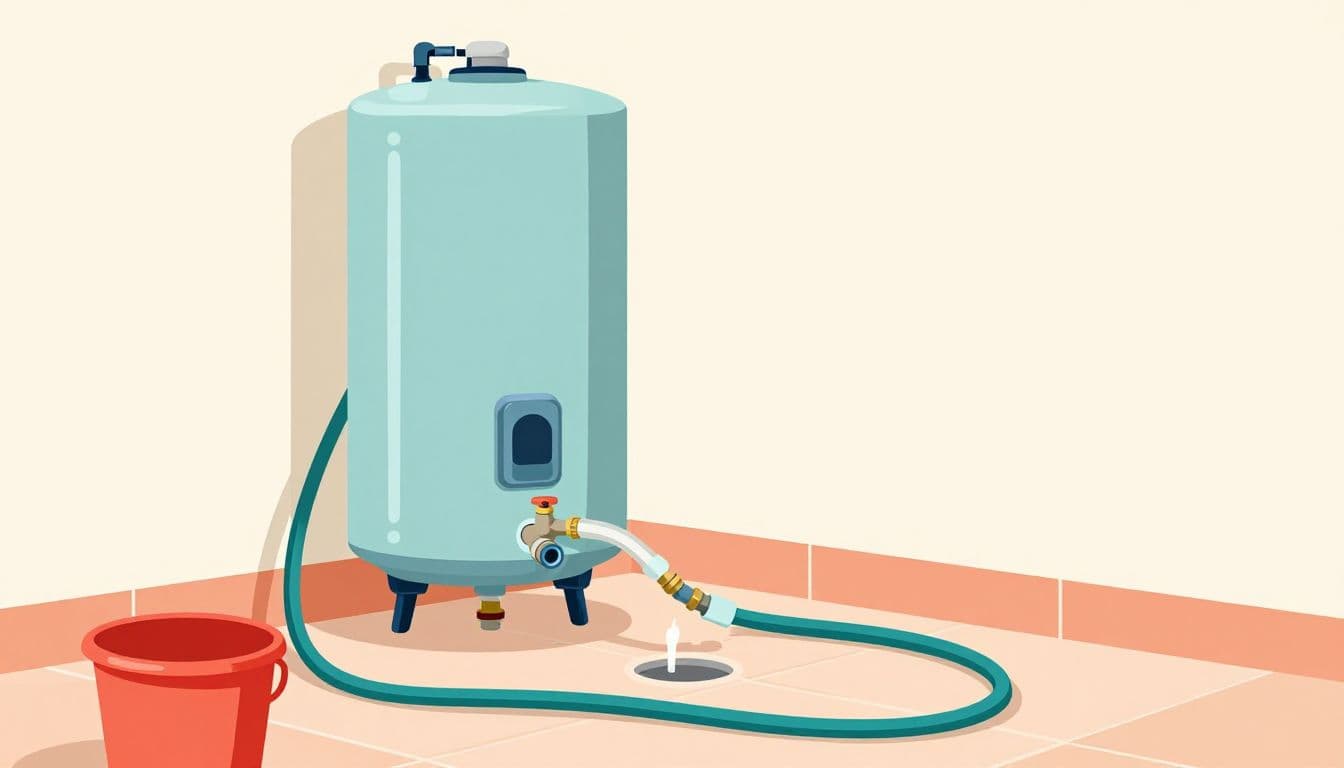
Use a garden hose rated for high temperatures if possible. Route it to a safe drainage location where heated water won't damage flooring, landscaping, or nearby property. Opening a hot water faucet in the home can help air enter the system during drainage.
Follow a cautious flushing process
For a newer tank with a working valve, the basic process is straightforward:
- Confirm that the power or gas supply is off and that the stored water has cooled.
- Close the cold water inlet, attach the hose securely, and direct it to a safe drain point.
- Open the drain valve slowly and let the tank empty without standing near the hose outlet.
- If your manual permits it, briefly cycle the inlet to loosen remaining sediment while the valve stays open.
- Continue until the draining water looks clear, then close the drain valve and disconnect the hose.
- Refill the tank fully, run a faucet until air stops sputtering, and inspect for leaks before restoring power or gas.
Don't lift the pressure relief valve just to create airflow. That safety device can fail to reseat in an older heater. Use a nearby faucet instead unless your manufacturer's instructions direct otherwise. If you encounter heavy rust, a stuck valve, active water escape, or gas or electrical problems, stop and call a professional plumber.
When Professional Water Heater Service Is the Better Choice
DIY flushing isn't a good fit for every home. A professional should handle an aging water heater with a stuck or brittle drain valve, chronic leaks, or years of missed maintenance.
Old tanks can reveal bigger issues
Sediment buildup may be only part of the problem in an aging unit. Forcing a brittle valve or ignoring corrosion can create a larger repair. A failing heating element or depleted anode rod can affect performance and remaining lifespan.
That component helps protect the steel tank by corroding in its place, and a technician can inspect it when access allows. They can determine whether replacement makes sense and inspect the safety device and gas valve on a gas model without forcing worn parts.
In some cases, replacing a damaged valve with a full-port ball valve can make future maintenance easier. That decision depends on the unit's condition and existing plumbing connections.
A technician can separate maintenance from replacement
A professional visit can answer an important question: is this unit a good candidate for flushing, or has it reached the point where repair or replacement is more sensible?
Service is also the safer option when the unit sits in an attic, tight closet, or finished interior space without a clear drainage route. A professional plumber can protect the home and evaluate a leaking connection or tank before flushing. They can restore the appliance correctly and identify failing components early to prevent future issues.
Frequently Asked Questions
How often should a water heater be flushed in Fort Myers?
Most storage-tank water heaters should be flushed once every 12 months. Homes with mineral-rich water, heavy hot-water use, or signs of sediment buildup may benefit from a six-month schedule.
Does a tankless water heater need to be flushed?
Tankless units do not need a traditional tank flush because they do not store water in a tank. They typically need descaling every 6 to 12 months to remove mineral buildup from the heat exchanger and internal passages.
What are the signs that a water heater needs flushing?
Popping or rumbling sounds, longer recovery times, reduced hot-water capacity, cloudy water, and a weak drain flow can point to sediment buildup. A yearly schedule is useful, but changes in the unit's performance may call for earlier attention.
Can I flush my water heater myself?
A handy homeowner may be able to flush a newer, well-maintained tank after shutting off the power or gas and allowing the water to cool completely. Stop and call a professional if the unit is leaking, corroded, has a stuck valve, or involves gas or electrical problems.
Should I flush a water heater that has not been serviced for years?
Older tanks with years of missed maintenance may have hardened scale, brittle valves, or corrosion that makes DIY flushing risky. A professional can determine whether flushing is appropriate or whether repair or replacement is the safer choice.
Keep Your Hot Water System on a Practical Schedule
For most Fort Myers homes with a storage-tank water heater, annual tank flushing is the right baseline. Use a practical maintenance schedule with shorter intervals for hard water, heavy use, or early warning signs.
Tankless water heaters need descaling instead of a tank flush. Follow the manufacturer's instructions, usually every 6 to 12 months based on water conditions. Regular service won't make an aging system new or guarantee a longer lifespan or specific efficiency gains. It can support informed maintenance, identify problems early, and help prevent future issues.
Recent Posts