Air Handler Service Clearance in Babcock Ranch Homes
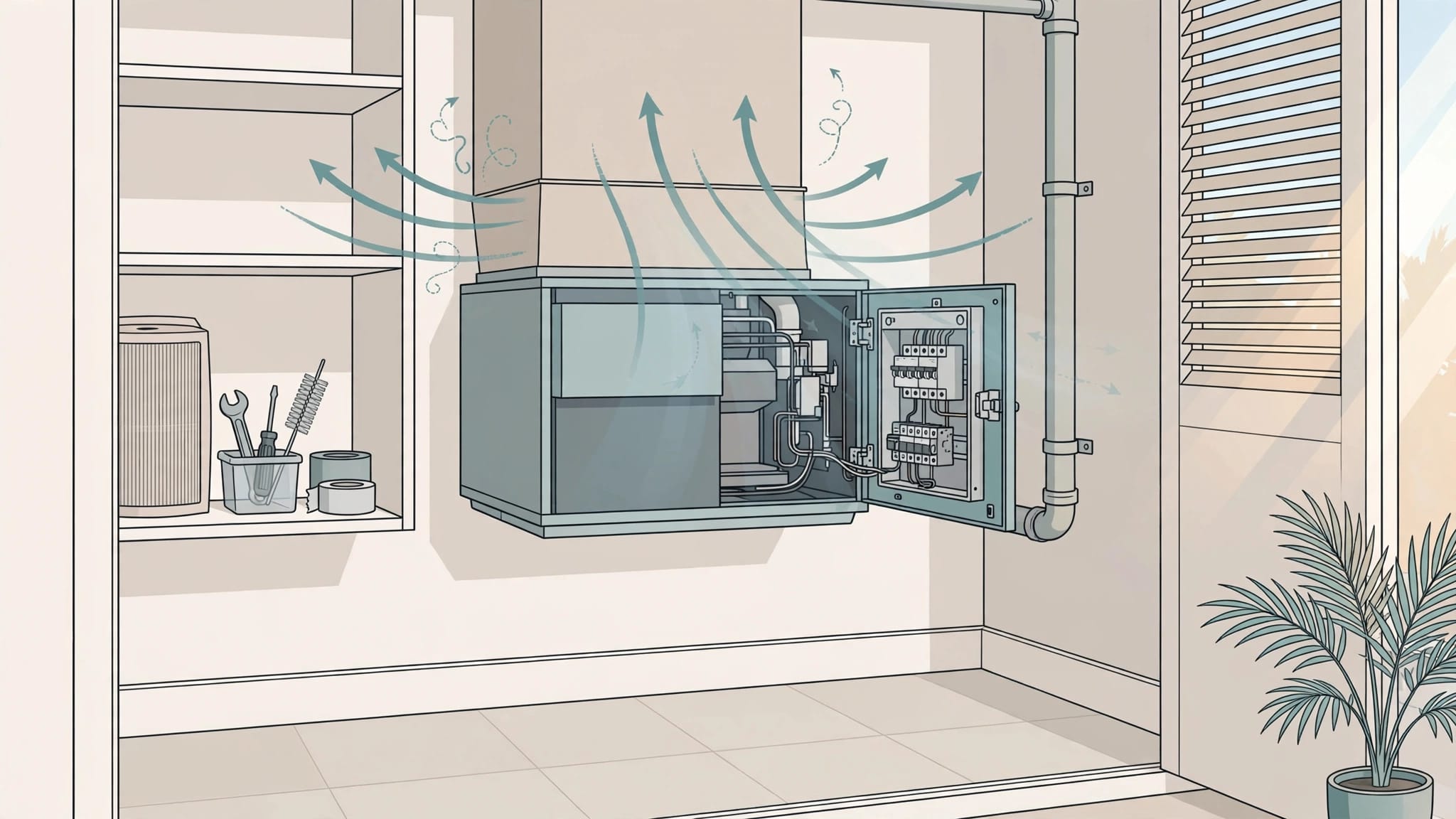
A closet can look tidy while leaving no room to remove an air handler's service panel. In a Babcock Ranch home, air handler clearance affects how safely a technician can inspect the system and how easily you can keep airflow paths clear.
The right amount of space depends on the equipment, its installation, and applicable codes. Before you move a wall or replace a unit, it helps to know which parts need access and what your particular air handler requires.
Why air handler clearance matters
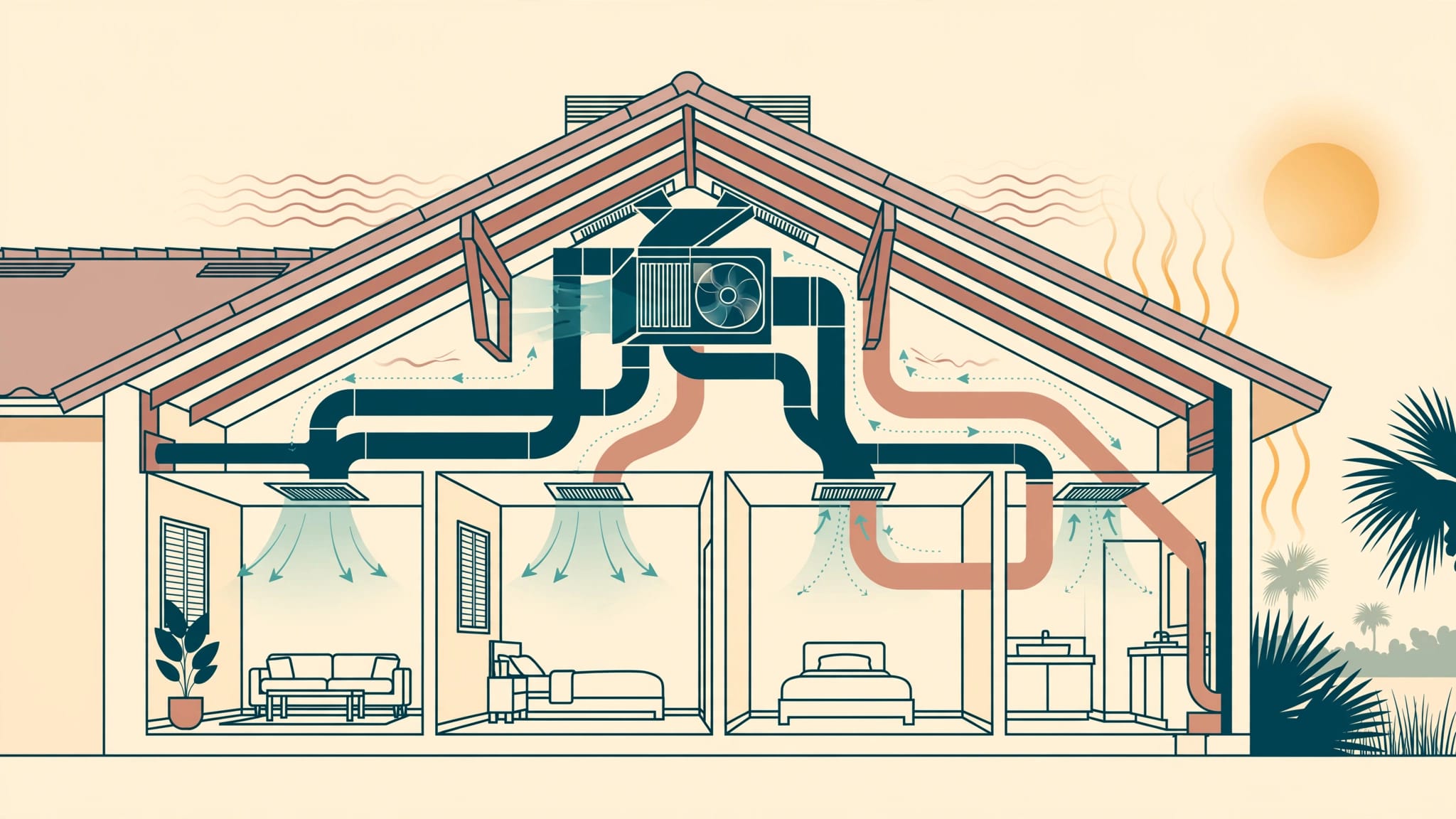
Your air handler is the indoor part of your cooling system. It moves air through the home and houses components that may need inspection, cleaning, or repair. A technician needs room to reach those components without straining against a wall, door frame, or nearby equipment.

Safe maintenance takes working room
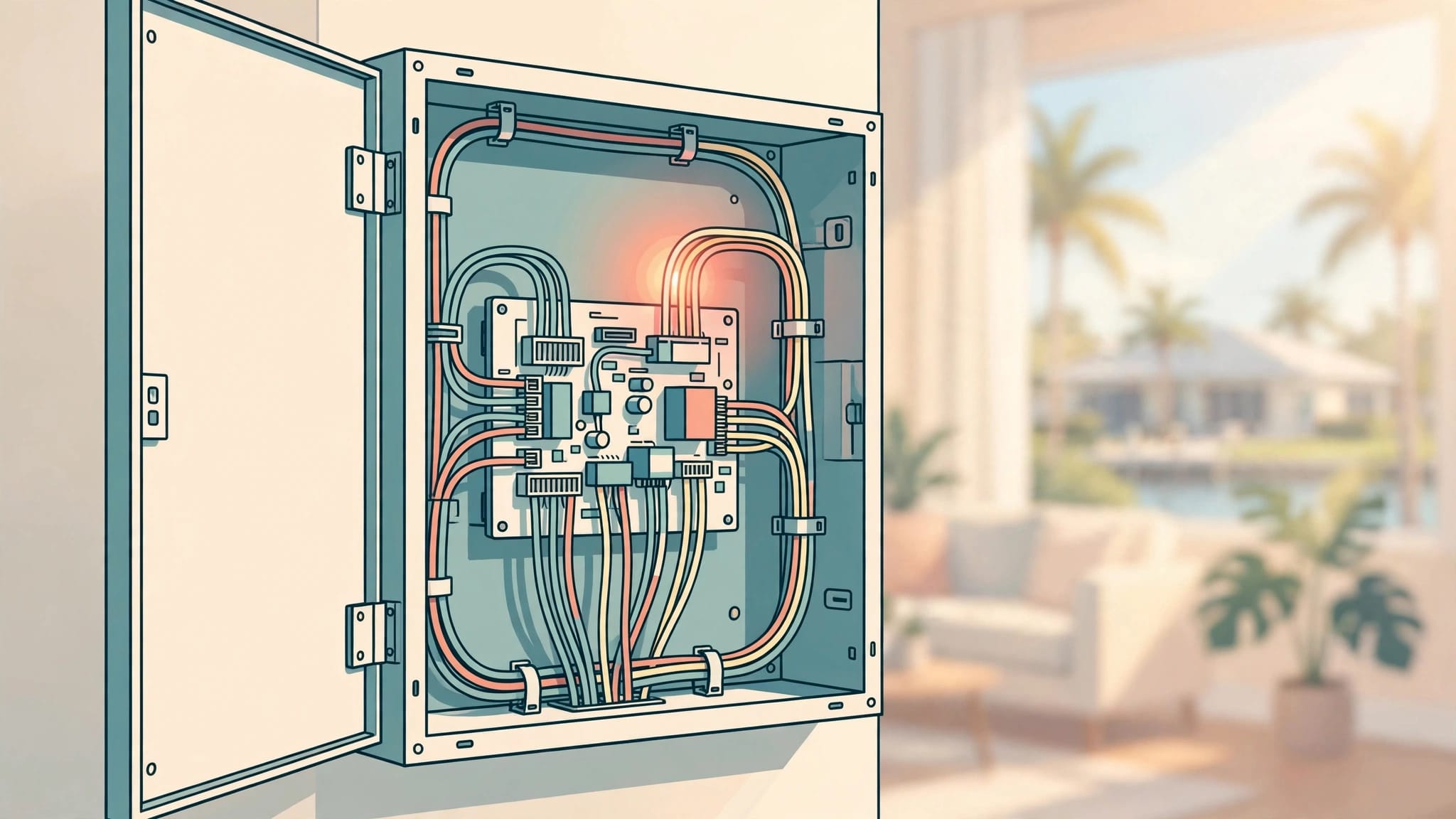
A service panel may need to come off before a technician can inspect a blower, coil, or electrical compartment. Filters and drain components also need to be reachable. When a cabinet is boxed in, even a routine visit can become harder and take longer.
Restricted access raises safety concerns, too. A technician shouldn't have to lean across exposed equipment or balance on stored belongings to perform a repair. Adequate working space lets them approach the unit, use tools, and put panels back securely.
Air needs a clear path
Service access and airflow clearance are related, but they aren't the same requirement. A roomy area in front of a cabinet won't help if a return grille is blocked by furniture. Likewise, an open return grille doesn't make a buried drain line accessible.
Restricted airflow can affect cooling and humidity control. In Southwest Florida's long cooling season, that deserves attention. A technician can check whether the filter, return path, duct connection, or unit placement is behind an airflow complaint.
What space around the indoor unit needs attention
Start by looking at the whole installation, not only the distance between the cabinet and the nearest wall. The service approach, removable panels, filter location, drain, and nearby equipment can each affect access.
Panels, filters, and drains
The side that opens for service matters most during a repair. A shelf or fixed enclosure may leave a visible gap around the unit yet prevent a panel from coming off. Filter access can be a separate issue, especially when the filter sits in a slot near the cabinet rather than at a return grille.
Condensate drainage matters in humid weather. A technician may need to inspect the drain connection, trap, or a safety switch if the installation has one. Don't cover these parts with stored boxes or build finished surfaces around them without an access plan.
The route to the equipment
Clearance begins before someone reaches the cabinet. A narrow closet opening can limit access even when the space inside looks generous. In an attic, the opening, route to the unit, and stable work area matter as much as the gap beside it.
Nearby water heaters, shelving, and other systems can complicate the layout. Before adding storage, consider whether a technician could reach the air handler without moving heavy items or stepping around obstacles. If the answer is uncertain, ask for an on-site assessment.
How to determine the right air handler clearance
There is no universal measurement that applies to every Babcock Ranch air handler. Required clearances vary with the model, cabinet orientation, components that need service, installation details, and applicable codes.
Check the exact model's instructions
Look for the model information on the unit's data plate, if you can read it without opening a cabinet or entering an unsafe space. Keep any installation paperwork available for your technician. The manufacturer's instructions may distinguish service access from other installation requirements.
Don't use another home's closet or an online dimension for a different model as your standard. Even equipment that appears similar may have different access needs. If the paperwork is missing, a qualified HVAC technician can identify the unit and review the relevant documentation.
Have the installation assessed on site
A measurement alone can't show whether a panel can be removed or whether a technician can work safely. An on-site assessment can account for the door opening, nearby systems, drain arrangement, filter access, and local code requirements.
This is particularly important before a replacement. A new cabinet may fit the existing space but put its service side in the wrong place. For AC installation and repair in Babcock Ranch, ask the contractor to explain how the proposed layout preserves access after the job is complete.
Closet and attic installations pose different challenges
Babcock Ranch homes don't all place their indoor equipment in the same kind of space. The practical questions change when an air handler is in a finished closet rather than an attic.
In a mechanical closet
A closet can gradually turn into storage space for cleaning supplies, luggage, or extra filters. Keep items away from the cabinet, access panels, and any return-air opening. Check that the closet door opens fully and that stored items don't prevent a technician from standing where service is needed.
Avoid changing a door or adding shelves based only on how the space looks. Depending on the installation, a door or grille may be part of the air path. Have a technician review proposed changes before you close off an opening.
In an attic
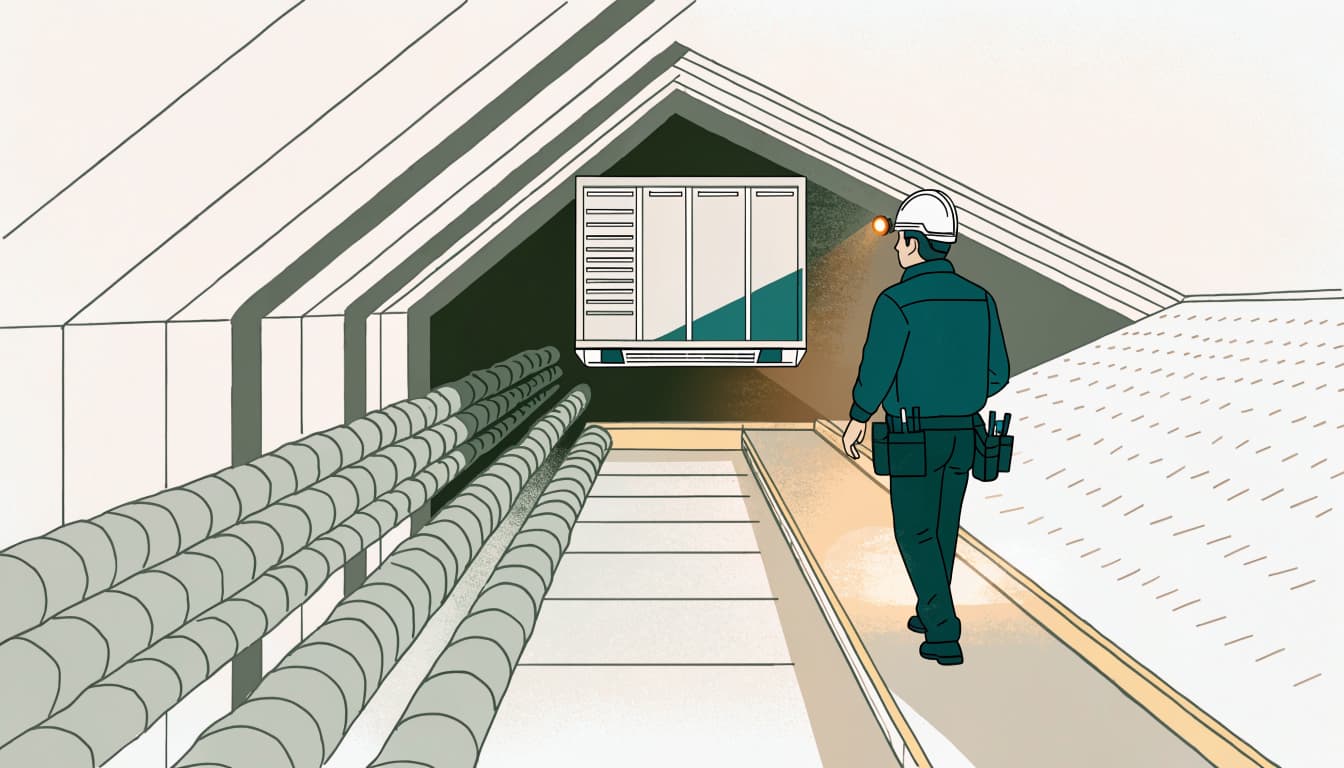
An attic unit presents a different problem: someone needs a safe route to reach it. Boxes near the attic opening, loose storage around the platform, or blocked access panels can delay maintenance. In Florida heat, a difficult attic visit is also more demanding on the person doing the work.
You don't need to climb into an attic to check technical clearances. Instead, keep the entry free and tell the HVAC company where the unit is located when scheduling. Let a qualified technician assess the platform, access route, and service space.
What homeowners can check safely
You can spot several access problems without opening an equipment cabinet. Walk through the areas you can reach comfortably and note anything that has changed since the last service visit.
- Move stored belongings away from the unit's approach, without disturbing wiring, drains, or ductwork.
- Check that accessible filter openings and return grilles aren't blocked.
- Look for water near the indoor unit, unusual sounds, or a door that no longer opens fully.
- Photograph a tight closet or crowded attic entrance so you can describe the problem when booking service.
These observations help, but they don't replace an inspection. Leave electrical testing, refrigerant work, coil service, and cabinet modifications to a qualified professional. If water is collecting or cooling has stopped, arrange service rather than reaching into the unit.
For other simple checks, the Babcock Ranch AC tune-up checklist covers what homeowners can observe and when to hand the work over to a technician.
Address access problems before they limit service
Poor access often becomes obvious during a repair, when the technician needs a panel off immediately. A maintenance visit gives you time to identify the problem and consider a practical fix without rushing a decision.
Ask what is blocked
If a technician flags limited space, ask which component they cannot reach and why. A movable shelf may be a simple obstacle. A fixed wall, poorly placed cabinet, or inaccessible drain may call for a more involved change. The fix should address the actual service task, not an assumed clearance number.
Ask the technician to compare the installation with the manufacturer's instructions and applicable codes. If the unit needs repositioning or an enclosure needs alteration, request a clear scope and price before approving work.
Keep future visits in mind
Once access is restored, don't let the area fill up again. Regular visits make it easier to catch blocked filters, drainage issues, and developing wear before they interrupt cooling. Sunset Gulf HVAC's Comfort Club maintenance plans offer scheduled tune-ups for homeowners who want help keeping service on the calendar.
If you plan a renovation, mention the air handler early. A new closet door or storage wall shouldn't make tomorrow's filter change or repair harder than today's. Have your HVAC contractor review the layout before construction closes around the equipment.
Key Takeaways
- The correct service space depends on your air-handler model, installation, and applicable codes. Don't rely on a universal measurement.
- Clear access helps technicians remove panels, inspect components, and work safely.
- Keep return-air openings unobstructed, but remember that airflow space and service access are different needs.
- Before altering a closet, attic area, or cabinet location, check the manufacturer's documentation with a qualified HVAC technician.
Frequently asked questions
How much clearance does an air handler need?
There isn't one dimension that fits every unit. The answer depends on the model, the service side, how the cabinet is installed, and applicable codes. Check the manufacturer's documentation for your exact equipment, then have a qualified HVAC technician evaluate the installed space. A dimension found online may address a different cabinet or a different kind of clearance.
Can I store things in the air-handler closet?
Storage can block panels, filters, drains, or a return-air opening. Keep the approach to the unit clear, and avoid placing anything against the cabinet. If you're unsure whether the closet door or a grille supplies return air, ask a technician before changing the space. Don't move attached lines or electrical parts to make more room.
Does poor clearance cause weak airflow?
It can if the obstruction affects an air intake or another part of the air path. However, limited room for a technician to remove a panel doesn't automatically mean air can't flow through the system. Weak airflow can have several causes, so a technician should inspect the filter, returns, ducts, and equipment before recommending changes.
Conclusion
A closet that looks roomy isn't necessarily ready for an air-handler repair. Usable access means the right panels, filters, and drains can be reached safely, while air has a clear path through the system.
If you're unsure about the space around your unit, check its documentation and arrange an on-site assessment. You can request an HVAC service quote to have a local technician review the installation before a tight fit becomes a repair-day problem.
Recent Posts