Babcock Ranch AC Tune-Up Checklist for Homeowners
Southwest Florida air conditioners don't get much of a break, and Babcock Ranch homes feel that pressure fast. Heat, humidity, pollen, and storm debris all push a cooling system harder than many homeowners expect.
A smart AC tune-up checklist catches small problems before they turn into a sweaty midnight repair call. It also helps your system run cleaner, use less power, and hold indoor humidity in check.
Start with the easy visual checks, then hand the technical work to a licensed HVAC professional.
Start with the outdoor unit and the space around it
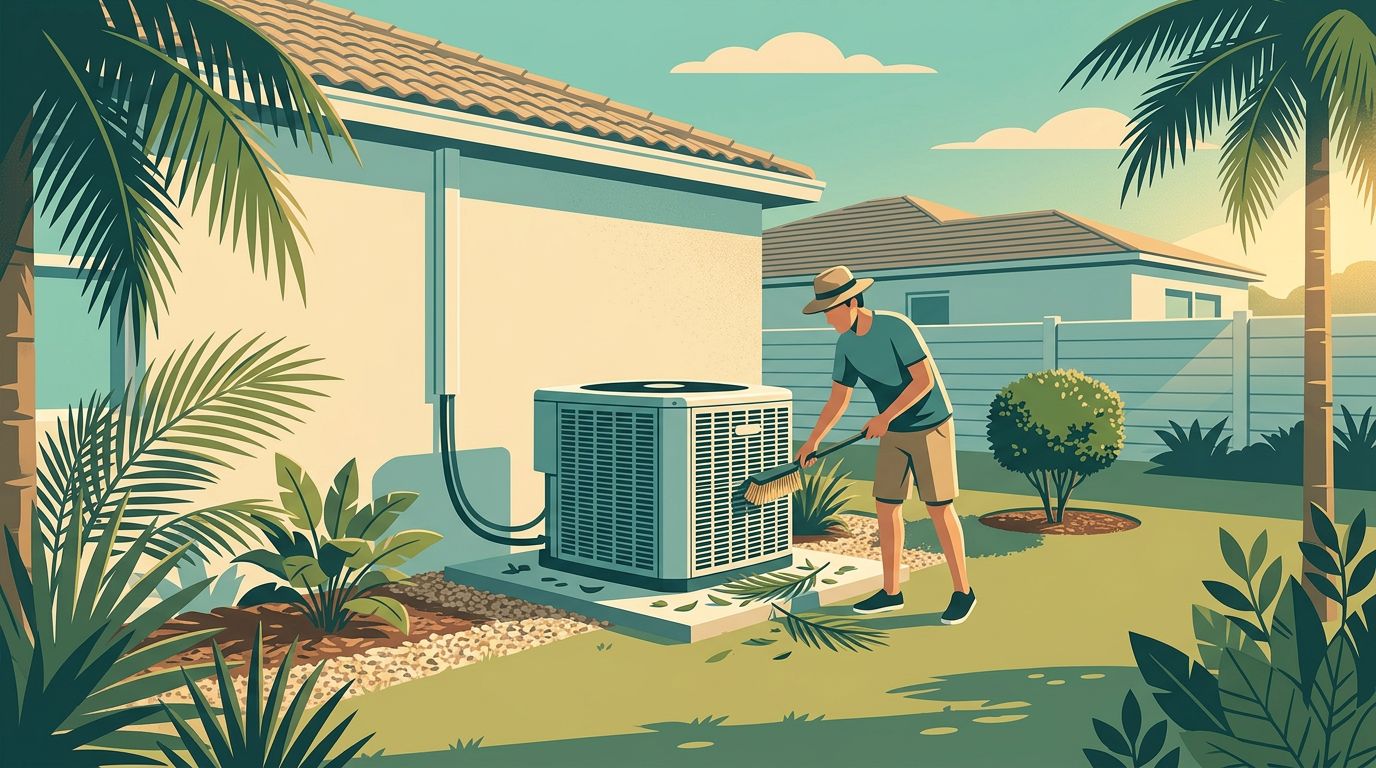
The outdoor condenser needs room to breathe. When leaves, grass clippings, or palm debris pile up around it, airflow drops and the system works harder.
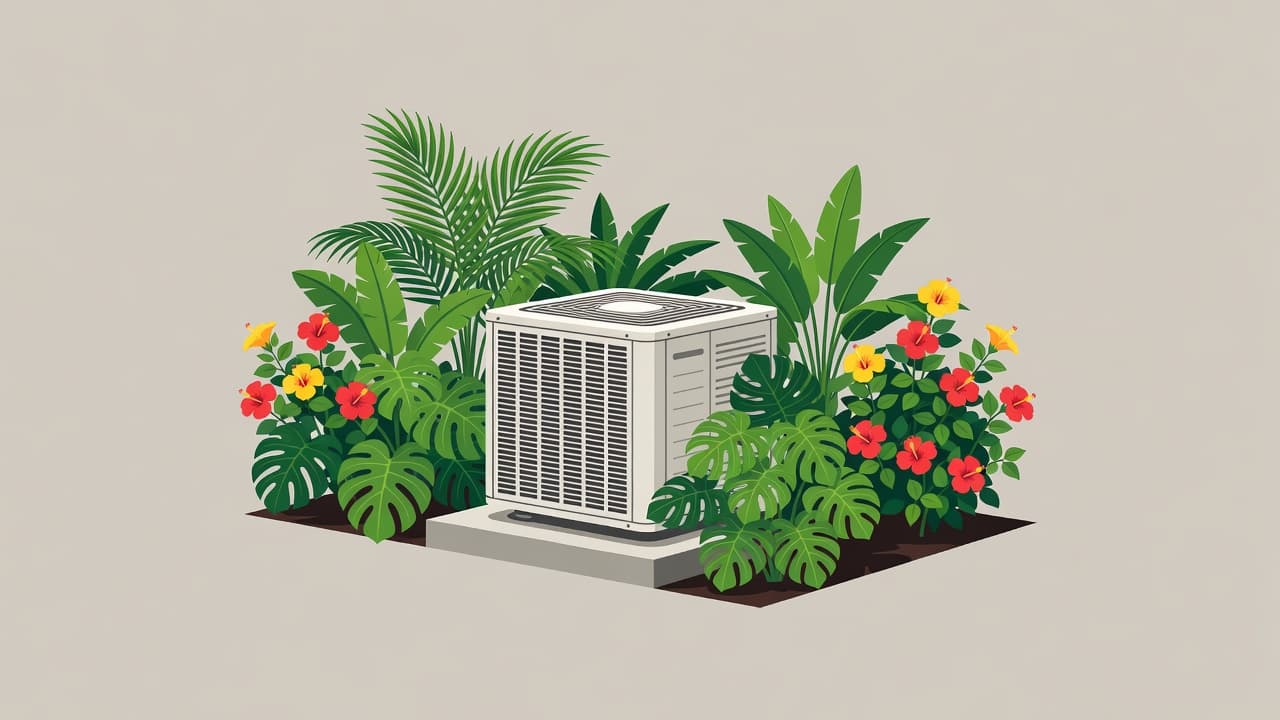
- Clear away loose debris. Remove leaves, seed pods, twigs, and clippings from the area around the unit. After a windstorm, check it again because debris can collect fast.
- Keep plants trimmed back. Shrubs and ornamental grasses should stay far enough away to leave open space on every side. Crowded landscaping traps heat and blocks airflow.
- Look at the cabinet and fins. The metal fins should sit straight, and the cabinet should look intact. If you see bent fins, gaps, or damage, note it for a professional.
- Check the pad below the unit. The condenser should sit level on a solid base. A tilted pad can strain parts and make drainage worse.
- Watch for signs of blockage. If you hear the fan laboring or notice warm air near the unit, airflow may already be restricted.
A clean outdoor unit helps your system release heat the way it should. In Babcock Ranch, that matters because long cooling seasons give small problems more time to grow.
If the outdoor unit looks packed with debris after a storm, stop there and schedule service. Pushing deeper into the cabinet can damage the fins or fan.
Check filters, vents, and airflow inside the house
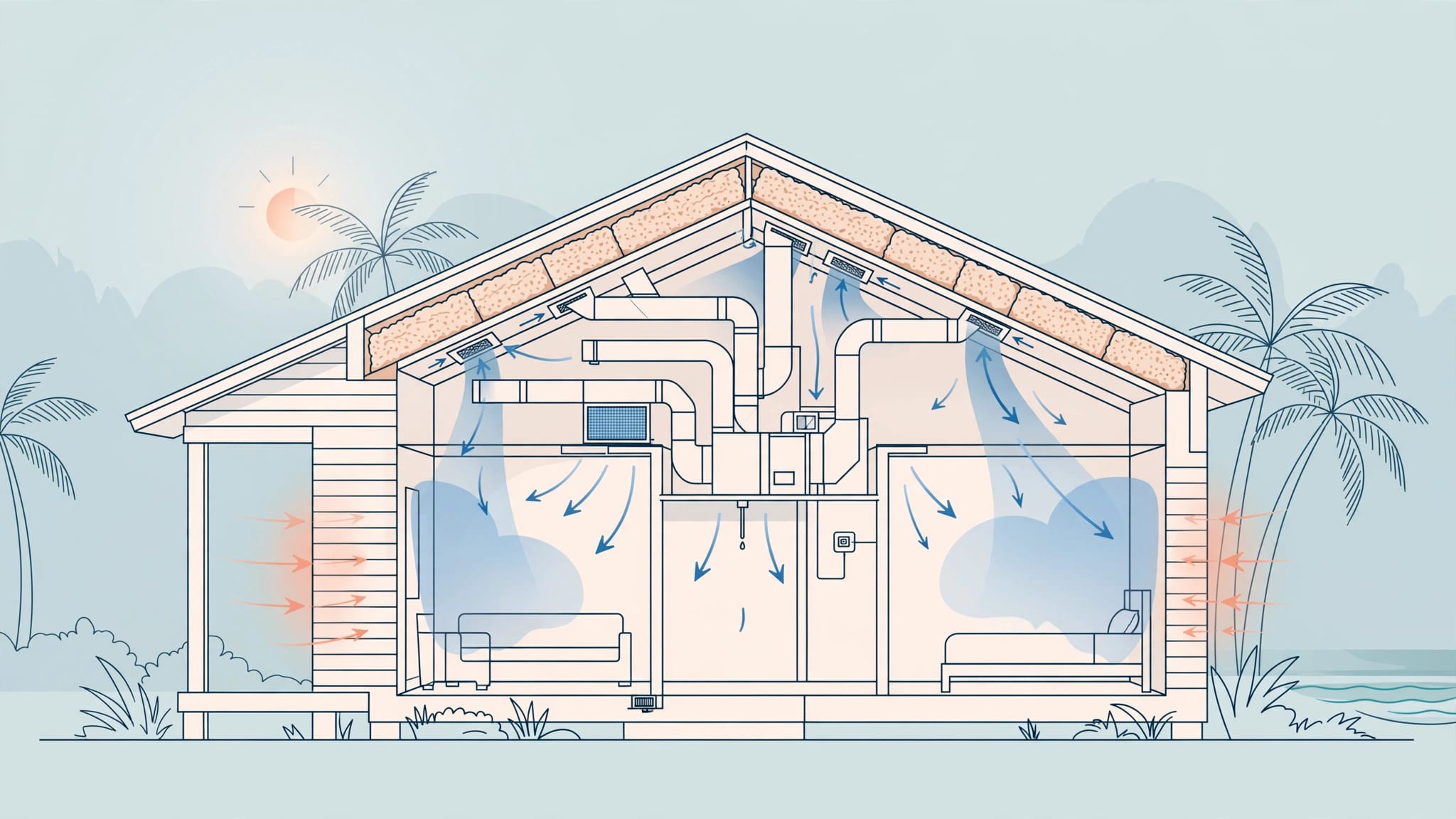
Indoor airflow is just as important as the outdoor unit. A clogged filter or blocked vent can make a healthy system feel weak.
- Replace or clean the air filter. A dirty filter slows airflow and puts extra strain on the blower. Check it monthly during heavy use, especially in homes with pets or high dust.
- Make sure supply vents stay open. Closed vents can change pressure in the duct system and create uneven cooling. Leave them open unless a licensed HVAC pro gives a different recommendation.
- Keep return grills clear. Furniture, rugs, and storage boxes should stay away from return openings. Those grills need a clear path to pull warm air back to the system.
- Notice weak rooms. If one bedroom stays warmer or muggier than the rest, airflow may be off. It could be a filter issue, a duct problem, or a damper setting.
- Listen for new sounds. Whistling, rattling, or a loud start-up often points to airflow trouble. Small noises can hint at larger issues later.
A good filter does more than catch dust. It also helps the coil stay cleaner, which supports better cooling and lower humidity.
For Babcock Ranch homeowners, that indoor moisture check matters. Florida heat is one thing, but sticky rooms can make a house feel warmer than the thermostat says.
Watch for drain, coil, and thermostat trouble
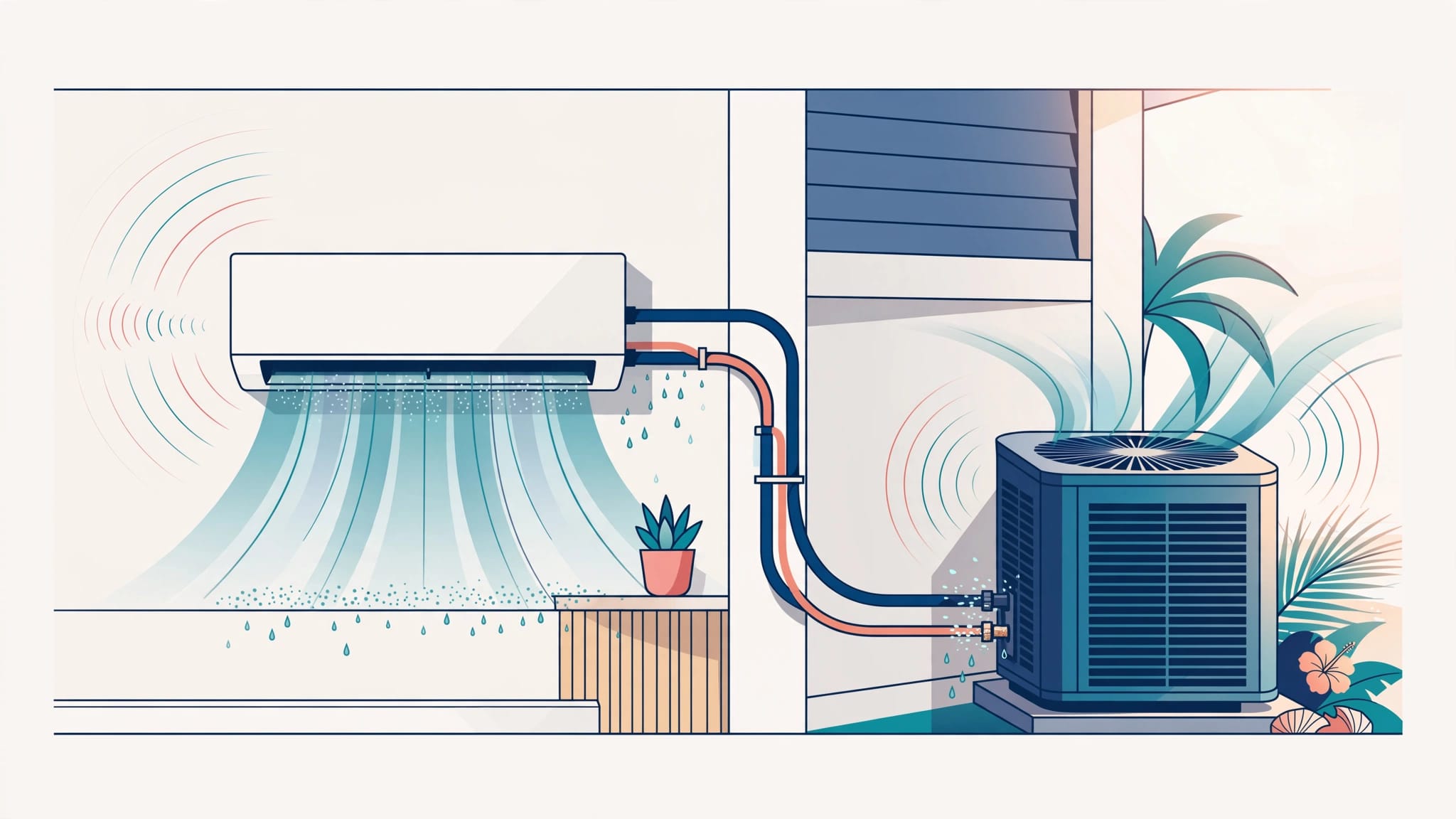
Some AC problems show up in plain sight. Water near the air handler, ice on the line, or a thermostat that acts strange can all point to trouble.
- Look for water around the indoor unit. Any drip or puddle near the air handler needs attention. A clogged condensate drain can overflow and damage floors or drywall.
- Check the drain line opening if you can see it. It should not look blocked or slimy. Do not poke deep into it, because that can make the clog worse.
- Watch the evaporator coil area. If you can see heavy dust buildup, leave the cleaning to a pro. That coil is easy to damage and hard to reach.
- Set the thermostat correctly. Replace weak batteries if needed and make sure the system responds when you change settings. A thermostat that drifts can waste energy and create comfort swings.
- Notice ice on the refrigerant line. Frost, ice, or a frozen coil usually means airflow or refrigerant trouble. Turn the system off and call for service if that happens.
- Pay attention to humidity. If the home feels damp even when the AC runs, the system may need cleaning, adjustment, or repair.
A thermostat that works well should feel invisible. It keeps the house steady without constant fiddling.
If the system starts and stops too often, that is also worth a closer look. Short cycling puts stress on parts and can leave the house warm and clammy.
Leave refrigerant and electrical work to a pro
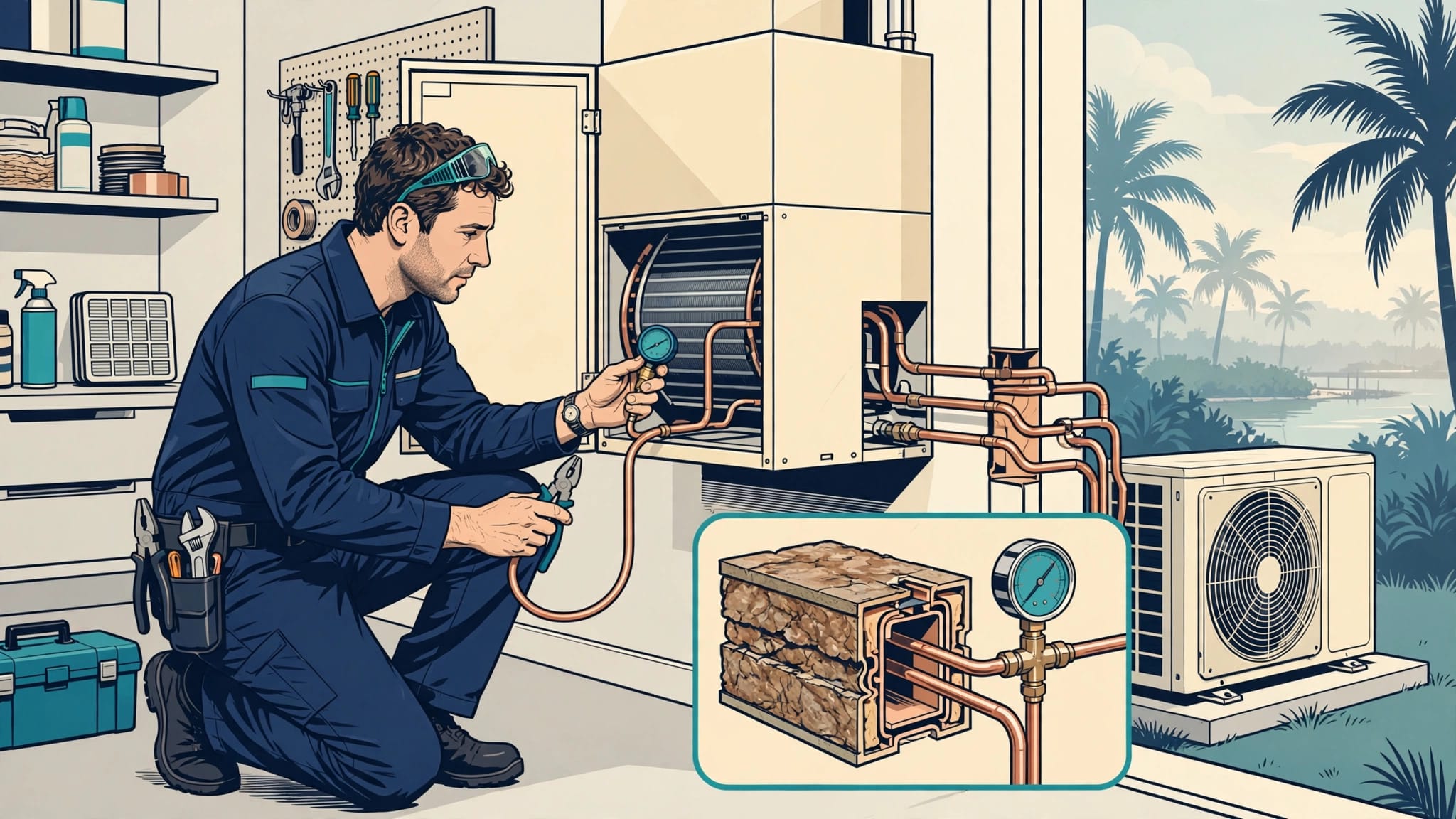
Some jobs belong to a licensed HVAC professional because they involve high voltage, sealed parts, or refrigerant handling. Those are not guesswork tasks.
- Test refrigerant levels. Too much or too little refrigerant can hurt performance and damage the compressor. This work needs proper tools and training.
- Inspect for leaks. A low charge usually means something is wrong. A professional can find the leak and repair it the right way.
- Clean the indoor and outdoor coils. Coils need the right cleaning method, because harsh handling can bend fins or ruin the finish.
- Check electrical connections. Loose wires, worn contactors, and weak capacitors can cause failures during the hottest part of the year.
- Test the blower motor and fan components. Weak motors, bad bearings, or worn belts can reduce airflow and raise energy use.
- Verify safety controls. Float switches, drain shutoffs, and other controls help prevent water damage and system failure.
Refrigerant, wiring, and coil cleaning are not DIY jobs. A licensed HVAC professional should handle them before peak heat arrives.
A proper tune-up is more than a quick glance. The technician should test the system, compare readings, and look for signs of wear before a part quits on its own.
That matters in Southwest Florida because AC systems often run for months without a real break. When they fail, they usually fail at the worst time.
How often Babcock Ranch homes need tune-ups
In a mild climate, one yearly visit may be enough. In Babcock Ranch, the cooling season runs long, and the system works harder for more months.
- Schedule service before the heavy heat hits. Spring is a smart time. It gives you time to fix problems before the first real heat wave.
- Check the system again after storm season. Wind and rain can push debris into the outdoor unit or shift the pad under it.
- Watch older systems more closely. Units that are past the middle of their life need tighter attention, especially if they already struggle with humidity.
- Change filters more often if needed. Pets, dust, new construction nearby, and heavy daily use can all shorten filter life.
- Call sooner if comfort changes. Longer cooling cycles, uneven rooms, or rising electric bills can point to a system that needs attention.
A twice-yearly tune-up fits many Florida homes well. One visit before summer and one before the cooler season helps catch wear early and keeps the system steady.
For homeowners who travel, work long hours, or rent the home part of the year, that schedule matters even more. An AC problem can sit unnoticed until the house feels uncomfortable fast.
Conclusion
A Babcock Ranch AC tune-up checklist should start with simple things you can see. Clear the outdoor unit, check the filter, and pay attention to water, noise, and airflow.
After that, leave refrigerant work, electrical testing, and coil service to a licensed HVAC professional. Those tasks protect the system and help prevent a surprise breakdown when the heat is at its worst.
In a place where cooling systems work hard for much of the year, small checks make a big difference. A little attention now can keep your home cooler, drier, and steadier when summer settles in.
Recent Posts