Sunset Gulf HVAC • June 7, 2026

AC Repair or Replacement in Southwest Florida Homes: How to Decide

Share this article

AC Repair or Replacement in Southwest Florida Homes: How to Decide

When your AC starts acting up in Southwest Florida, the question is rarely whether you need cool air. The real question is whether a repair will carry you through another long cooling season, or whether it's time to replace the system.

In places like Babcock Ranch, Fort Myers, Cape Coral, and nearby coastal towns, heat, humidity, salt air, and storm wear put a lot of strain on equipment. If you're weighing AC repair vs replacement , a few clear signs can make the choice easier.

Understanding Your Cooling System's Needs

The first step is to look at the pattern, not just the symptom. One weak afternoon does not mean the whole system is done, and one good repair can add years to a unit that still has life left.

A system that is fairly new, well maintained, and still cooling evenly often deserves a repair. A unit that is older, noisy, and struggling through every warm spell may be telling a different story.

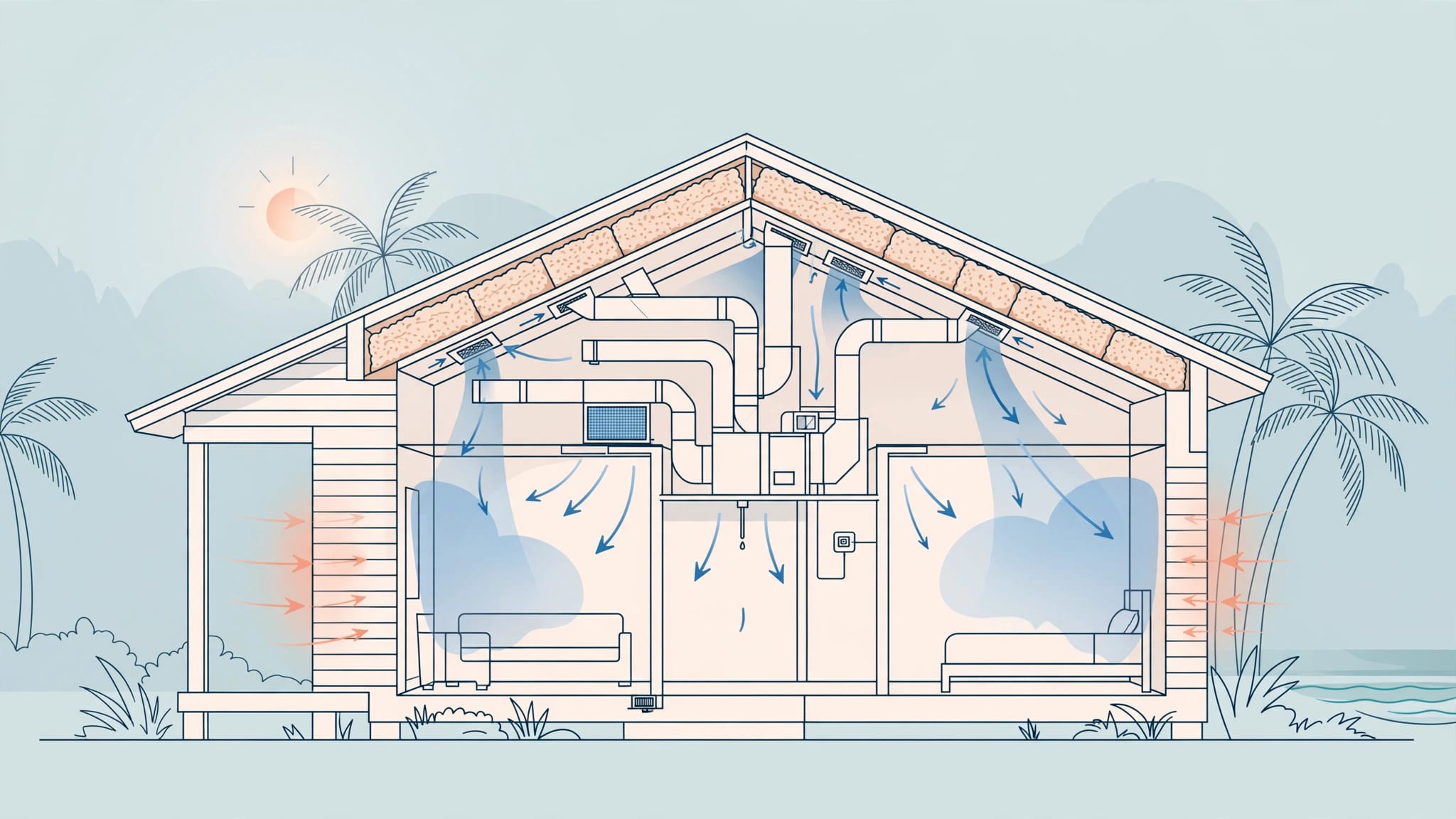
That difference matters more here than in many other places. Southwest Florida homes run air conditioning for long stretches, so wear adds up fast. Compressors, fan motors, contactors, capacitors, and drain lines all take a beating.

The climate adds more stress. High humidity can make a home feel sticky even when the thermostat is close to target. Salt in coastal air can corrode outdoor parts. After a storm, power surges and flooding can create more damage.

So the right decision is not only about age. It is about how the system performs under real Florida conditions.

Signs Your System Needs More Than a Patch Job

Some problems point to a simple fix. Others keep coming back because the system is wearing out as a whole. When that happens, the repair bill can turn into a short-term patch on a long-term problem.

Common warning signs include:

  • Short cycling, where the system turns on and off without cooling the house well.
  • Warm air from the vents, even when the thermostat is set low.
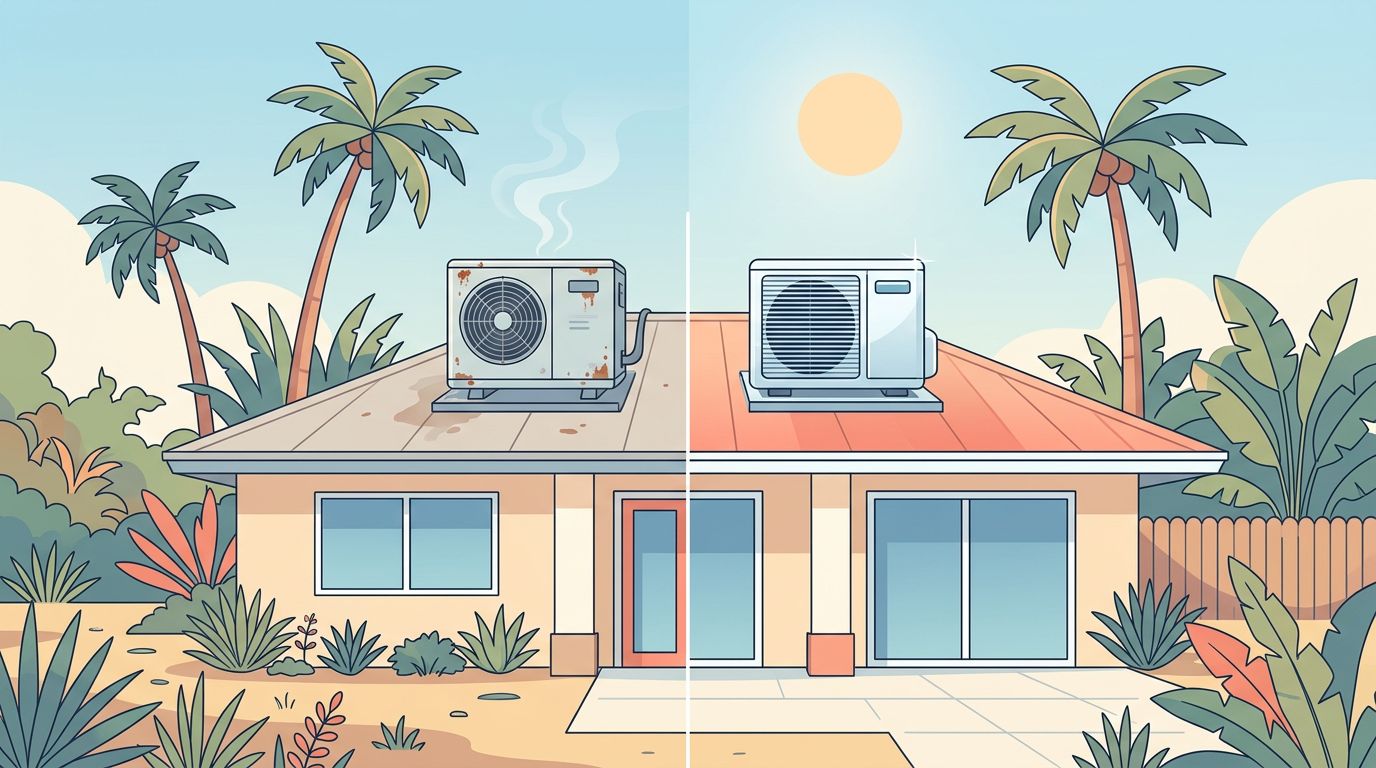
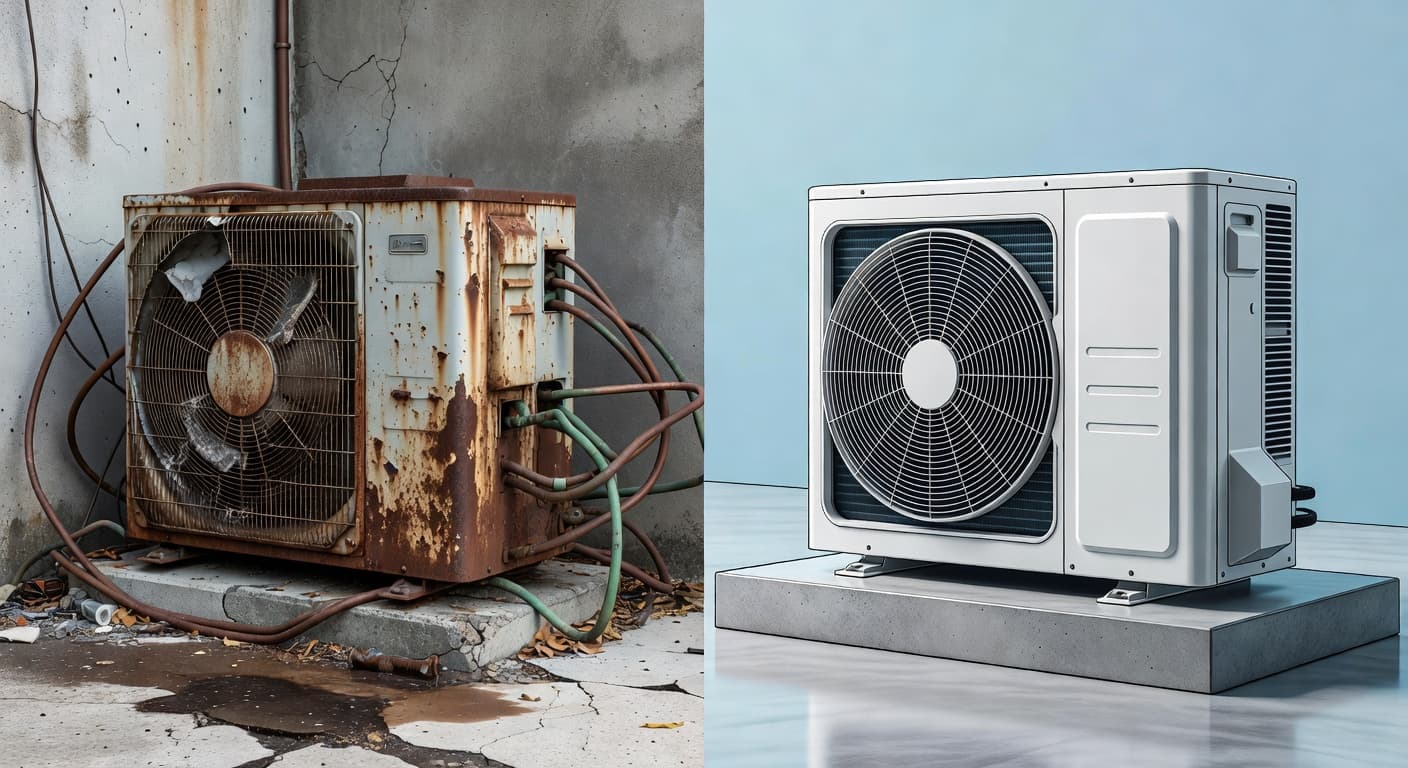
  • Rust, corrosion, or visible wear on the outdoor unit.
  • Rising electric bills without a clear change in use.
  • Repeated service calls for the same issue.
  • Moisture around the air handler or drain line problems that keep returning.

If these problems show up once, repair may be enough. If they keep returning, the answer becomes clearer. You are no longer fixing one part, you are trying to keep an aging system alive through another brutal summer.

That is when the choice shifts from repair cost to reliability. Nobody wants the AC to fail on a humid August night. In Southwest Florida, comfort is tied to consistency.

Repair Costs vs Replacement Value in Southwest Florida

A repair often feels cheaper today. That is true. Still, a low upfront price does not always mean the best long-term value.

A simple side-by-side view can help make the choice clearer.

Situation Repair often makes sense Replacement often makes sense
Unit is under 10 years old The system cools well aside from one failed part. Rarely needed unless the damage is major.
Unit is 10 to 15 years old The issue is minor and the unit has been maintained well. More likely if breakdowns are becoming frequent.
Unit is 15 years or older Only if the problem is small and the rest of the system is healthy. Often the better call, especially with repeat repairs.
Cooling is uneven across the home Repair may help if the cause is a clogged drain, capacitor, or control issue. Replacement may help if the unit is undersized, overworked, or inefficient.
Energy bills keep climbing A repair may help if a single part is dragging performance down. Replacement may pay off if the system has lost efficiency.

The takeaway is simple. A repair can make sense when the system is still solid and the problem is isolated. Replacement starts to look better when the unit is old, the failures stack up, or the home never feels comfortable.

Age alone does not decide it. A well-kept 12-year-old unit may still be worth repairing. A neglected 9-year-old system with repeated compressor or coil issues may not be.

The cheapest fix today is not always the lowest-cost decision over the next three summers.

Local Factors That Change the Answer

Southwest Florida puts AC systems through more than steady heat. Salt air, high moisture, and storm season all change the repair or replacement decision.

Coastal homes often see faster corrosion on condenser coils, cabinets, and electrical parts. Even inland homes can deal with damp conditions that strain drains and cause mold growth around the air handler. When the outdoor unit shows heavy rust, the rest of the system may not be far behind.

Storm-related wear matters too. Power outages, surges, and flying debris can damage control boards, fan blades, and capacitors. Sometimes the visible problem is small, but the stress spreads farther than it first appears.

Humidity is another key piece. An AC system in this area does more than cool air. It also pulls moisture out of the home. If the unit is too old or too weak, the house may feel muggy even when the temperature seems fine.

That is where replacement can make sense even if the system still runs. A newer unit may cool more evenly, control humidity better, and cut down on the stop-and-start cycle that wears parts out.

Homes near the coast often face this decision sooner. Homes in newer neighborhoods are not immune either. A long cooling season means every weak part gets used more often.

How a Professional Evaluation Clarifies the Choice

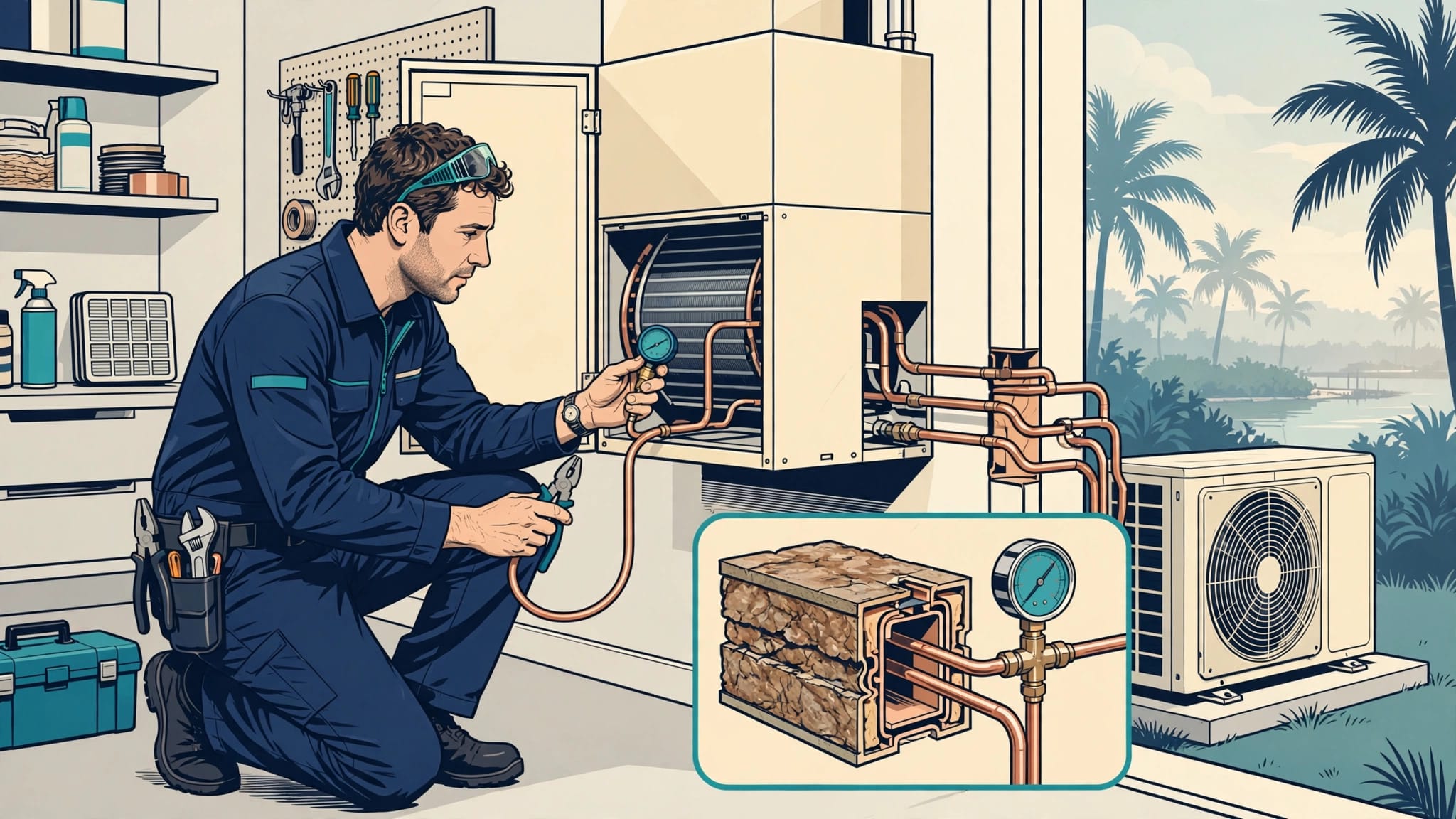
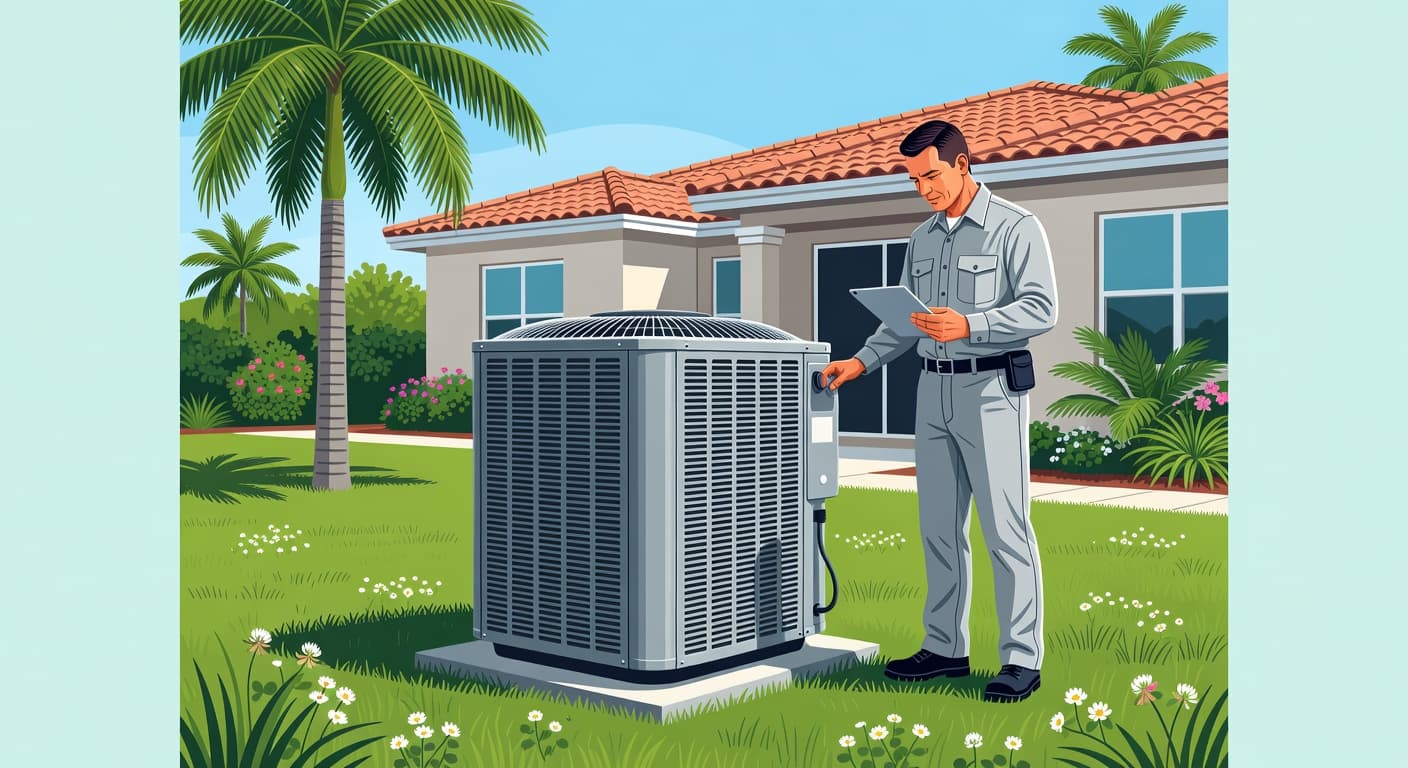
A good evaluation looks at the whole system, not just the failed part. The technician should check refrigerant levels, airflow, electrical components, coil condition, drain lines, ductwork, thermostat function, and the unit's service history.

That fuller view matters because one symptom can hide another. A warm room may come from duct leaks, low airflow, or a failing blower motor. A tripped breaker may point to an electrical issue, but it can also signal a larger system problem.

A clear diagnosis should give you both options when both are realistic. If a repair will buy time, you should know that. If replacement will save you from another season of breakdowns, you should know that too.

The best decision usually comes down to three things:

  • How old the system is.
  • How often it has broken down.
  • How well it cools and dehumidifies your home now.

When those answers point in different directions, a trusted local opinion helps. You want facts, not pressure. You also want a plan that fits Southwest Florida weather, not a generic answer built for a milder climate.

Conclusion

AC trouble in Southwest Florida is never far from the next heat wave. That is why the choice between repair and replacement matters so much.

If the system is young, reliable, and dealing with one clear problem, a repair can be the smart move. If it is old, corroded, or breaking down again and again, replacement may be the better long-term answer.

If you're still unsure, schedule a professional evaluation before the next stretch of hot, humid weather makes the decision for you.

Recent Posts

By Sunset Gulf HVAC June 6, 2026
A clogged AC drain line can do more than leave a puddle on the floor. In Cape Coral, it can stop your system on a scorching afternoon and send water into places it should never reach. That risk is higher here because your AC works hard for long stretches. Humidity, dust, algae...
By Sunset Gulf HVAC June 5, 2026
Your AC filter does more work than most homeowners realize. In North Fort Myers, most homes should check the filter every month and replace it every 30 to 90 days , depending on the system, the season, and what's happening inside the house. That range matters because Southwest...
By Sunset Gulf HVAC June 4, 2026
Florida air can feel heavy even when the temperature looks mild on the thermostat. That sticky feeling comes from humidity , and it can make a clean, cool home feel uncomfortable fast. For Southwest Florida homeowners, the problem often starts outside but gets worse inside. Th...