Can You Replace Only the Outdoor AC Unit in Fort Myers?
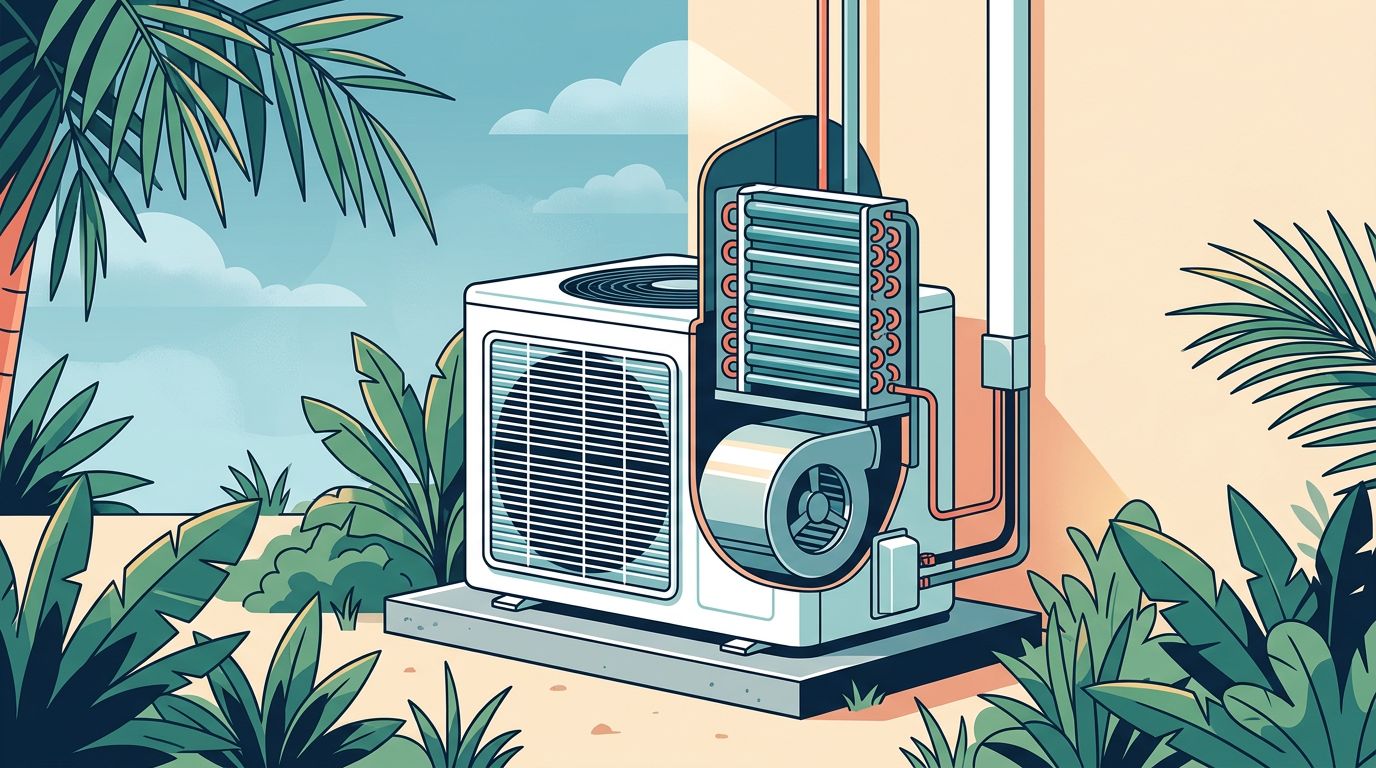
A failed condenser can make a full AC replacement seem unavoidable. Many Fort Myers homeowners ask, "Can you replace outdoor AC unit without changing the indoor equipment?" The short answer is yes in some cases, but it's usually not the first recommendation.
An outdoor condenser and indoor coil work as a matched system. If the new outdoor unit doesn't match the existing coil, refrigerant, controls, and blower, you could face poor cooling, high humidity, frequent repairs, or warranty problems. Before you replace outdoor AC unit equipment, have a qualified HVAC contractor check the complete system.
Key Takeaways
- Replacing only the outdoor unit is possible, but compatibility must be confirmed first.
- The indoor evaporator coil, refrigerant, metering device, blower, and electrical setup all matter.
- A professional should perform a load calculation before selecting replacement equipment.
- Fort Myers heat, humidity, salt air, and storms can affect the best replacement choice.
- A matched full-system replacement often provides better efficiency and warranty protection.
Can You Replace Outdoor AC Unit Without Replacing the Indoor System?
Sometimes, yes. However, the outdoor condenser must match the indoor evaporator coil and the rest of the HVAC system. A contractor should verify the equipment combination through manufacturer data or an AHRI-certified match.
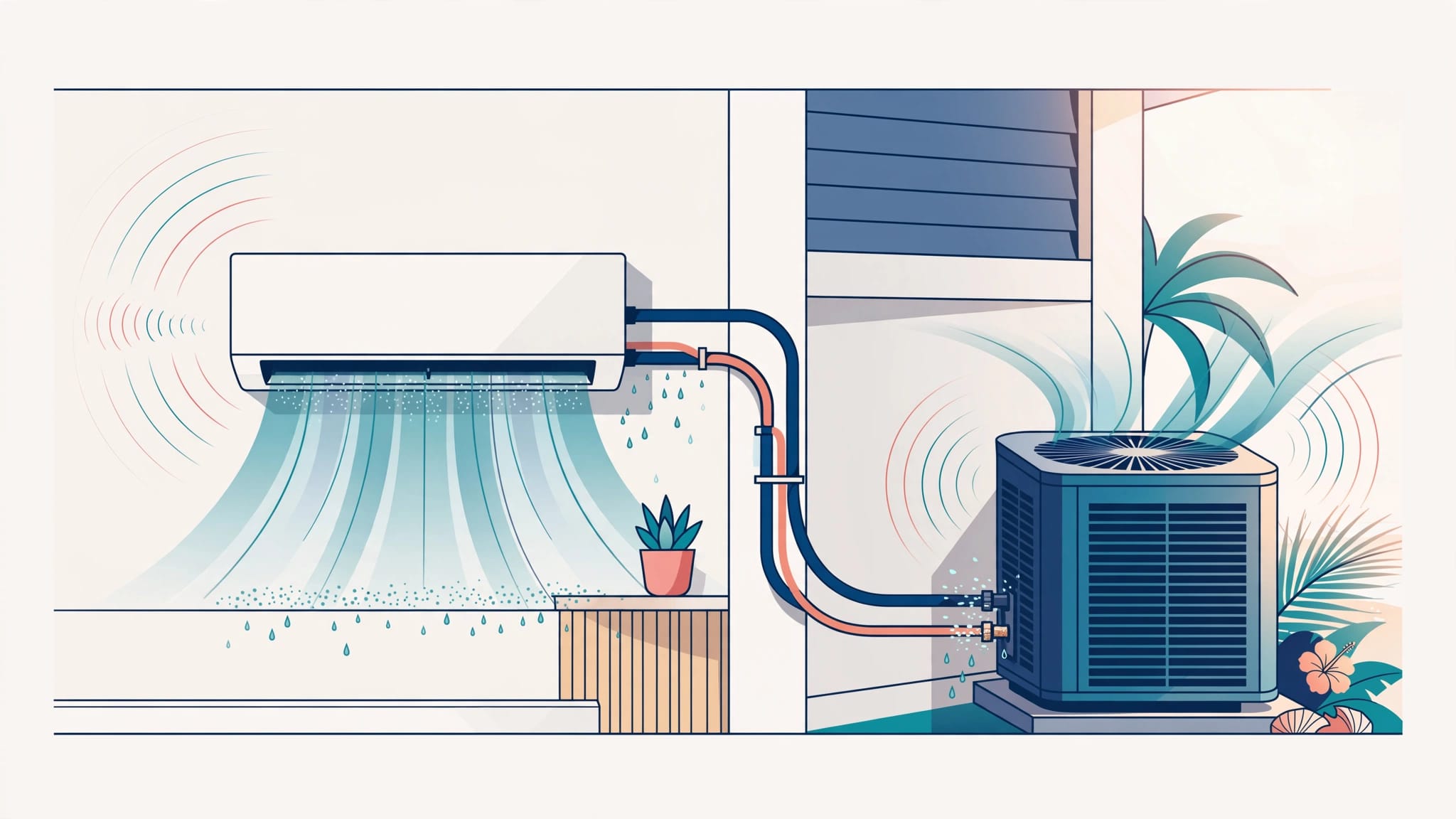
The indoor coil absorbs heat from your home's air. The outdoor condenser releases that heat outside. Refrigerant moves between the two components, while the blower pushes indoor air across the coil. Each part needs to work within the same operating range.
A newer condenser may have a different refrigerant, pressure requirement, efficiency rating, or control method. Even when the unit physically connects to the existing line set, that doesn't prove the system is compatible.
For example, an older system may use R-22 refrigerant. Manufacturers stopped producing and importing new R-22 in the United States in 2020, although reclaimed refrigerant may still be available for some repairs. Replacing the condenser with a modern R-410A or newer low-global-warming-potential system doesn't create a compatible match. The indoor coil and other components may also need replacement.
Many newer systems use refrigerants such as R-454B or R-32, depending on the manufacturer and equipment line. These refrigerants require equipment designed and approved for that refrigerant. A contractor can't safely treat them as direct substitutes for an older system.
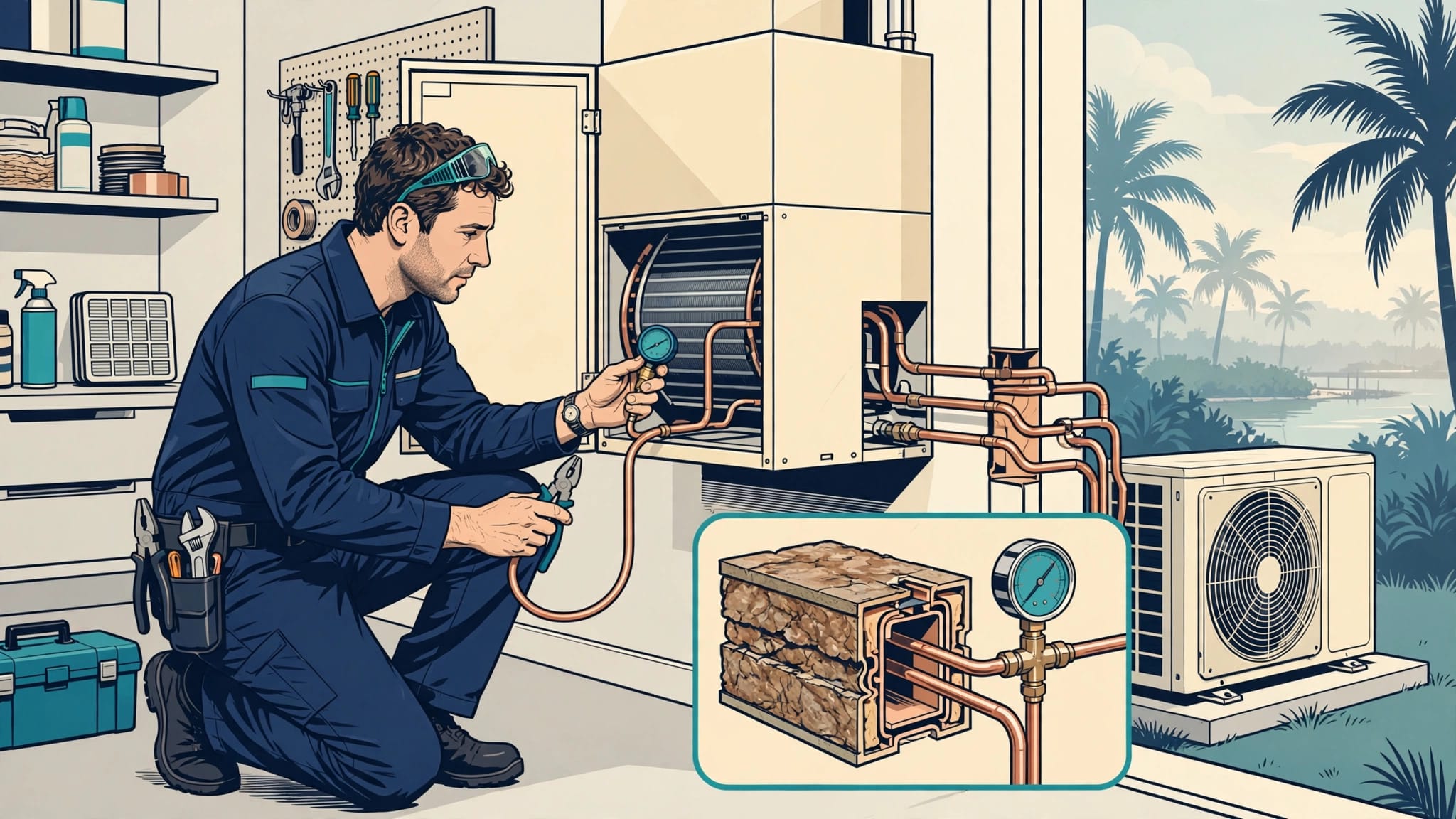
The right answer depends on your exact equipment. A professional needs the model and serial numbers for the condenser, indoor coil, air handler, furnace, and thermostat. They should also inspect the refrigerant lines, electrical circuit, drain system, and ductwork.
A new outdoor condenser is only a good replacement when the entire indoor and outdoor combination is approved to operate together.
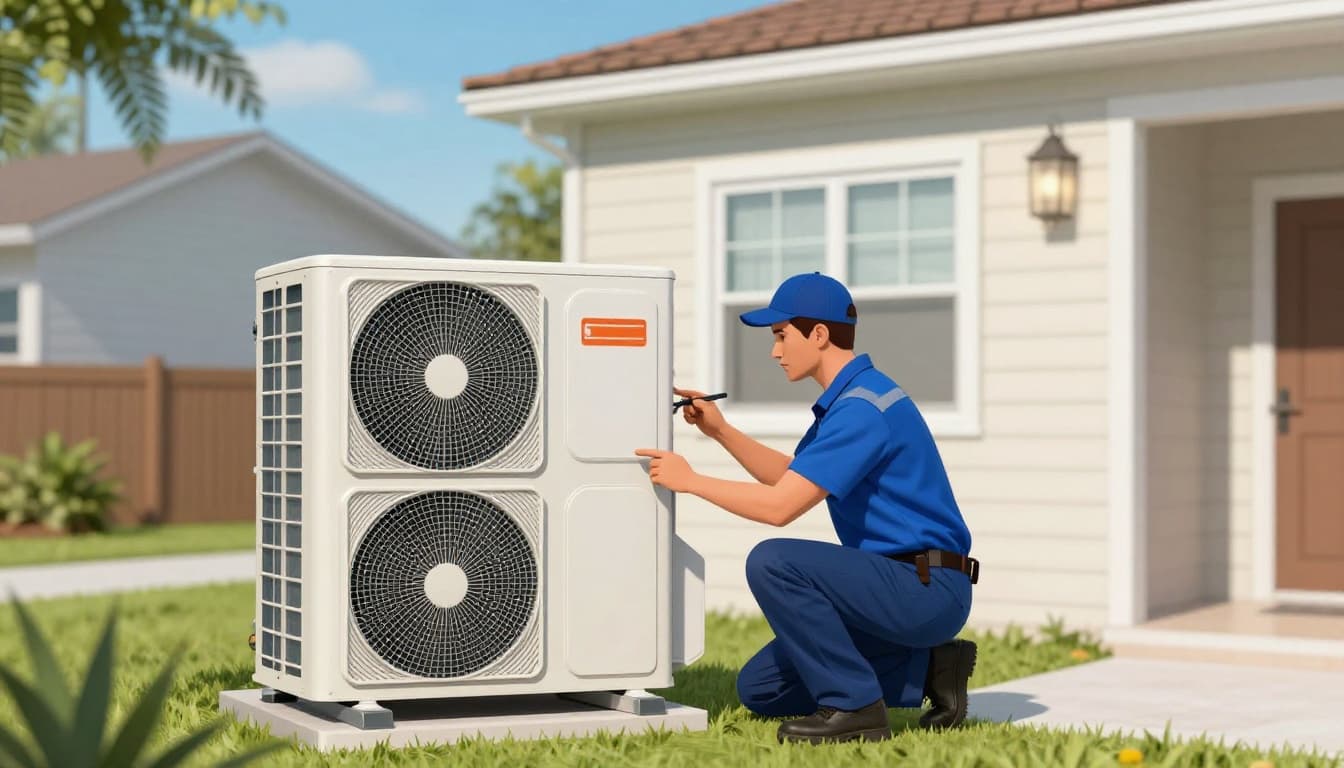
Why Matching AC Components Matters in Florida
Manufacturers design an AC system as a combination, not as a random collection of parts. The condenser, evaporator coil, air handler, blower, and metering device must share compatible capacity and refrigerant requirements.
A mismatched system may still turn on, but that doesn't mean it will cool your home properly. It could run for long periods, struggle to remove humidity, or cycle too often. These problems are especially uncomfortable in Fort Myers, where moisture control matters nearly as much as lowering the temperature.
The system's efficiency rating also depends on the approved match. A condenser advertised with a high SEER2 rating may not deliver that rating with your existing indoor coil. The final efficiency comes from the tested combination, not the outdoor unit alone.
The metering device is another important part. This component controls how much refrigerant enters the indoor coil. A fixed orifice, piston, or thermostatic expansion valve may need to match the new condenser's design. If it doesn't, pressures and temperatures can fall outside the intended range.
The indoor blower must also move the correct amount of air. Too little airflow can cause poor cooling and coil problems. Too much airflow can reduce dehumidification and create comfort complaints.
A system replacement also raises warranty questions. Some manufacturers limit coverage when a condenser operates with an unapproved indoor coil. Ask the contractor to identify the approved equipment match and explain what parts the warranty covers.
The existing line set can create another concern. Copper tubing may be the wrong size, contaminated, damaged, or unsuitable for the new refrigerant. Reusing it might be possible, but the contractor should test and clean it first. In some installations, replacing the line set is the safer option.
When Replacing Only the Condenser Can Make Sense
Outdoor-only replacement may be reasonable when the indoor coil is relatively new, the refrigerant matches, and the manufacturer approves the combination. The existing air handler, blower, thermostat, and electrical components must also support the new condenser.
This situation is more likely when a system has had an early outdoor-unit failure while the indoor equipment remains in good condition. A failed capacitor, contactor, fan motor, or control board may also look like a condenser replacement problem, even though a repair could solve it.
Before replacing the outdoor unit, ask the technician to identify the actual failure. A compressor problem is different from a failed electrical component. A refrigerant leak may require coil or line-set work rather than a new condenser alone.
Outdoor-only replacement may also make sense when the manufacturer offers a listed replacement for the existing indoor coil. The contractor should document the model numbers and approved combination. Verbal assurance alone isn't enough.
In Southwest Florida, the outdoor cabinet may show corrosion from salt air, storm exposure, or standing water while the indoor equipment remains clean and functional. Even then, corrosion around the coil, electrical panel, or refrigerant connections needs a careful inspection.
A partial replacement is less attractive when the indoor coil is old, the system uses obsolete refrigerant, or the blower has signs of wear. It may also be a poor choice when the existing equipment has a history of leaks and repeated repairs.
Look at the age of the complete system rather than the age of one component. If the indoor coil and air handler are near the end of their expected service life, replacing only the condenser may postpone a larger expense instead of reducing it.
What a Fort Myers AC Evaluation Should Include
A proper evaluation goes beyond looking at the outdoor unit. Your contractor should review the system's condition, capacity, compatibility, and expected performance before recommending equipment.
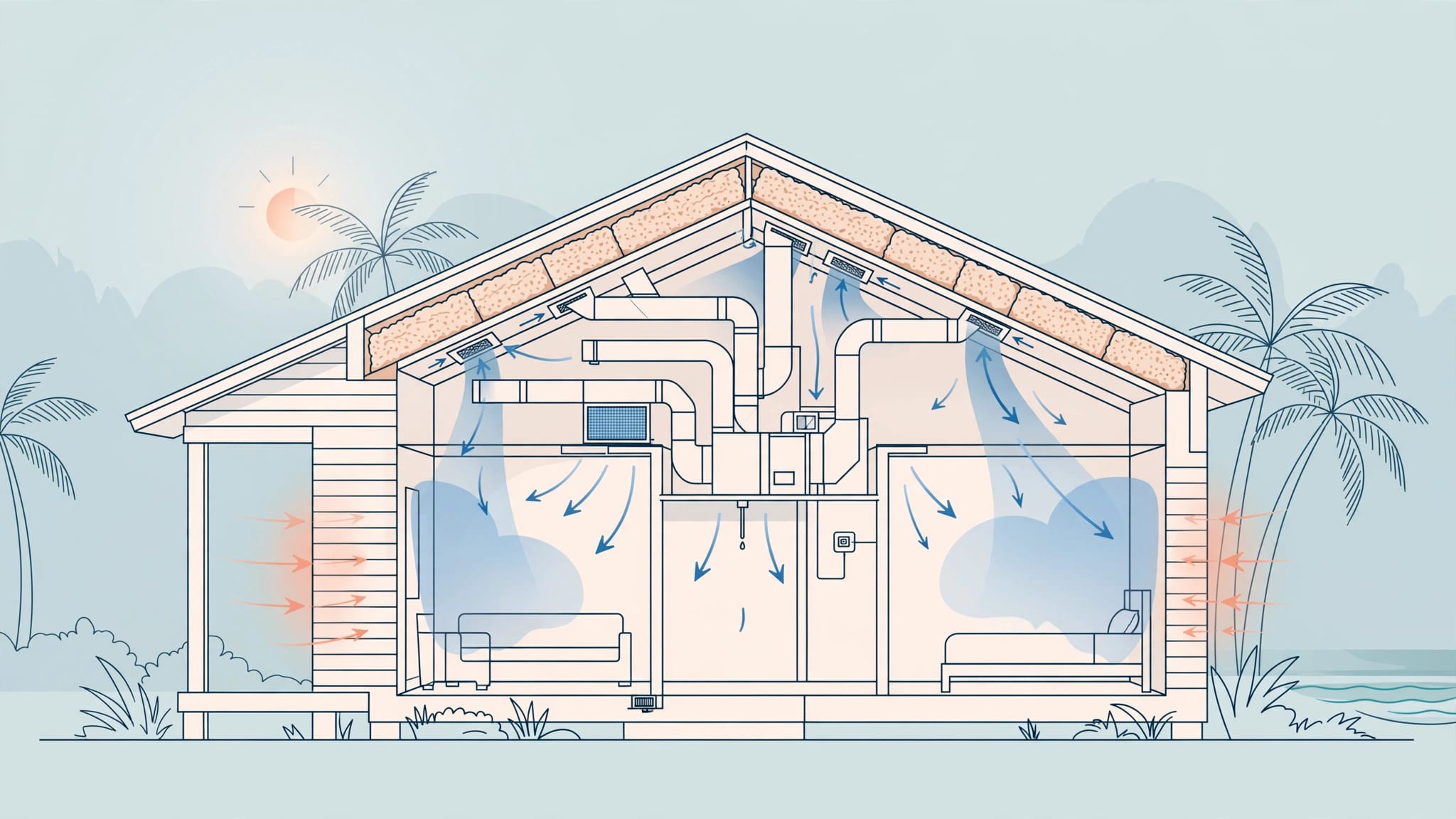
The first step is a load calculation , usually based on ACCA Manual J methods. This calculation considers the home's size, insulation, windows, ceiling height, sun exposure, construction, and duct system. Square footage alone doesn't tell a contractor which capacity your home needs.
An oversized AC can cool the air quickly but leave rooms damp. An undersized unit may run constantly during a hot afternoon. You can review more local guidance about calculating the correct AC size for your home, especially if you're replacing equipment in a newer Babcock Ranch home.
The contractor should also inspect:
- The indoor evaporator coil and drain pan for corrosion, leaks, and biological growth.
- The air handler or furnace blower, wiring, controls, and filter cabinet.
- Supply ducts, return ducts, insulation, and visible air leaks.
- The refrigerant line size, condition, insulation, and routing.
- The electrical disconnect, breaker, wiring, and available voltage.
- The thermostat and its compatibility with the proposed system.
- The outdoor pad, drainage, clearances, and storm-related damage.
Humidity control deserves special attention. A system that reaches the thermostat setting but leaves the home clammy isn't doing the job Florida homeowners need. The contractor should discuss airflow, coil temperature, run time, and equipment capacity.
Ask for the proposed model numbers, efficiency rating, refrigerant type, warranty details, permit requirements, and scope of work. You should know whether the quote includes the indoor coil, air handler, line set, drain modifications, startup testing, and disposal of old equipment.
If the recommendation changes the outdoor unit but leaves the indoor coil untouched, ask for the documented equipment match before approving the work.
Outdoor-Only Replacement vs. Full AC Replacement
The best option depends on the system's condition, not only the repair bill. These common situations can help frame the decision:
| Situation | More suitable option |
|---|---|
| Failed capacitor, contactor, or fan motor | Repair the existing condenser |
| Newer indoor coil with an approved matching condenser | Consider outdoor-only replacement |
| Older R-22 system with major refrigerant or compressor failure | Compare a full replacement |
| Repeated leaks, weak airflow, and aging indoor equipment | Full system evaluation |
| Corroded condenser with healthy, compatible indoor equipment | Partial replacement may be possible |
| Comfort problems caused by ducts or poor sizing | Correct the airflow or sizing issue first |
A repair can cost less when the underlying equipment remains sound. However, repeated repairs on an older system can add up while the indoor coil and blower continue to age.
A full replacement usually includes the outdoor condenser and indoor coil, plus an air handler or furnace when needed. This approach provides a matched system with one refrigerant type, one efficiency rating, and a clearer warranty structure.
A partial replacement can reduce the immediate scope of work, but it may leave older parts behind. That choice makes sense only when the remaining components pass inspection and the new combination has documented approval.
Don't choose based on the condenser's advertised tonnage alone. The contractor should confirm the home's cooling load, the existing duct capacity, and the airflow required by the proposed equipment.
What to Expect During the Replacement Process
After you approve a plan, the contractor should confirm equipment availability and schedule the installation around your home's needs. In Fort Myers, summer cooling failures can become urgent, so ask how the company handles temporary loss of AC and emergency service.
The crew should protect floors and nearby surfaces, recover refrigerant according to federal requirements, remove the old equipment, and install the approved components. New electrical connections, drain piping, refrigerant lines, and controls should be checked before startup.
A proper startup includes pressure and temperature measurements, airflow checks, refrigerant adjustment when required, drain testing, thermostat operation, and a review of the system's performance. The contractor should also explain filter changes and basic maintenance.
Permits and inspections may apply to AC replacements in Fort Myers and surrounding communities. Requirements can vary by location and project scope. Your HVAC company should explain who handles the permit and what the work includes.
Before the technician leaves, request the equipment documentation, model numbers, warranty information, and maintenance recommendations. If you decide that a complete replacement is the better fit, you can request an AC installation quote that accounts for your home's layout and existing equipment.
Conclusion
You can replace outdoor AC unit equipment without replacing the indoor system in some Fort Myers homes. The decision depends on a documented match between the condenser, evaporator coil, refrigerant, blower, controls, and electrical components.
A load calculation and complete compatibility evaluation protect you from paying for equipment that runs but doesn't manage Florida heat and humidity well. When the indoor equipment is old or uses an outdated refrigerant, a matched full-system replacement often provides the cleaner long-term choice.
Recent Posts