AC Control Board Failure Symptoms in Cape Coral Homes
When your AC stops responding on a hot Cape Coral afternoon, a failed control board may come to mind. But the same warning signs can come from a thermostat, wiring, a safety switch, or another electrical part.
AC control board failure can interrupt cooling, cause erratic starts, or leave the indoor blower running at the wrong time. The symptoms give you a reason to call for service, not a way to identify the failed part yourself. Start by noting what the system does without opening any equipment.
Key Takeaways
- A control board problem may cause missed cooling calls, intermittent operation, repeated clicking, or unusual blower behavior.
- A blank thermostat or short-cycling AC doesn't prove the board has failed. Power, wiring, airflow, and other components can produce similar symptoms.
- You can check settings, batteries, the filter, visible water, and breaker status without touching HVAC wiring.
- Turn the system off for burning smells, smoke, repeated breaker trips, visible water near electrical equipment, or persistent abnormal operation. A qualified HVAC technician should test the circuit before replacing parts.
AC control board failure symptoms to watch for
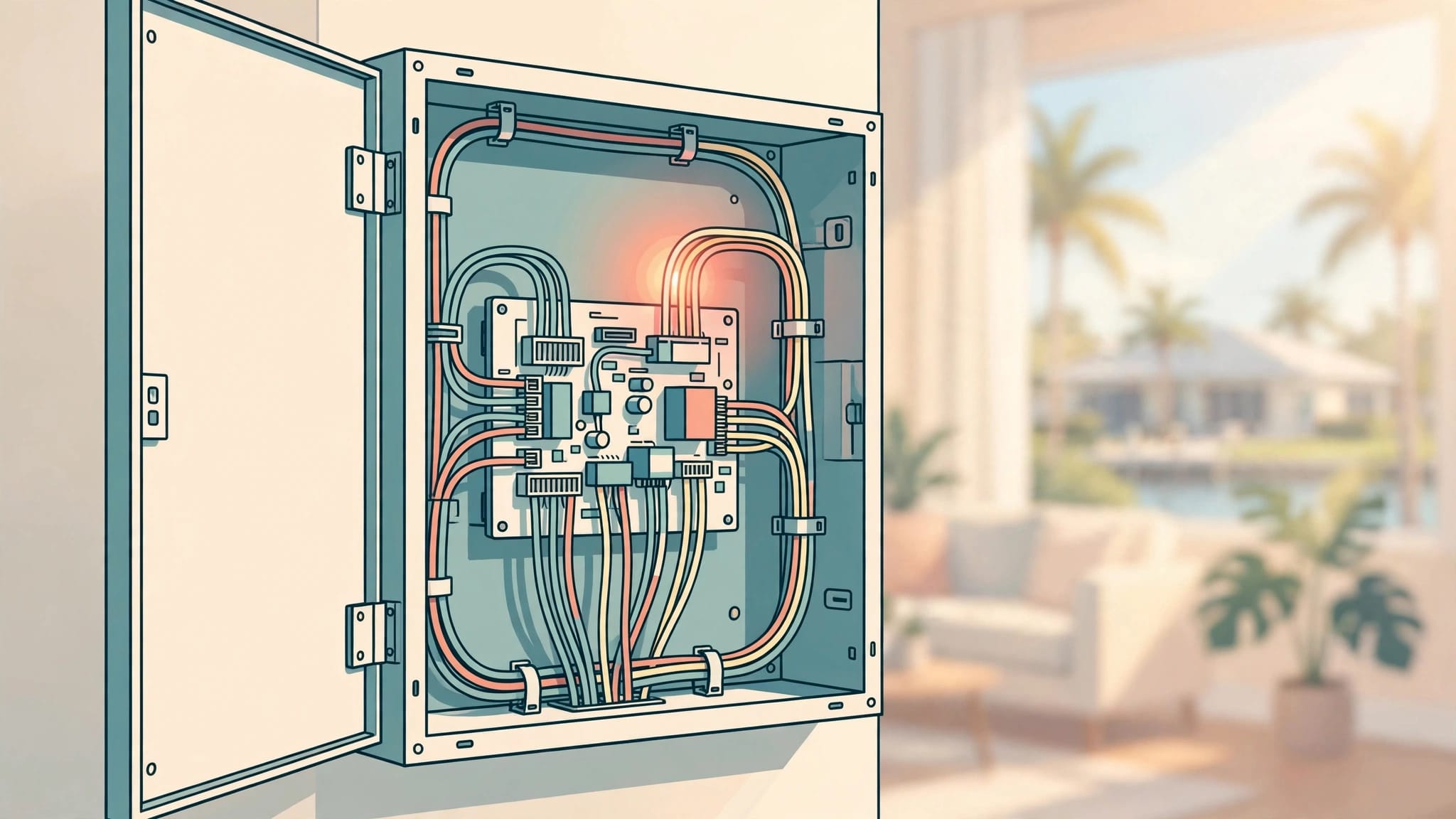
The control board helps coordinate signals between the thermostat and equipment inside the air handler. Depending on the system, it may also control the indoor blower and monitor safety switches. When that control path fails, your AC's behavior can seem inconsistent.
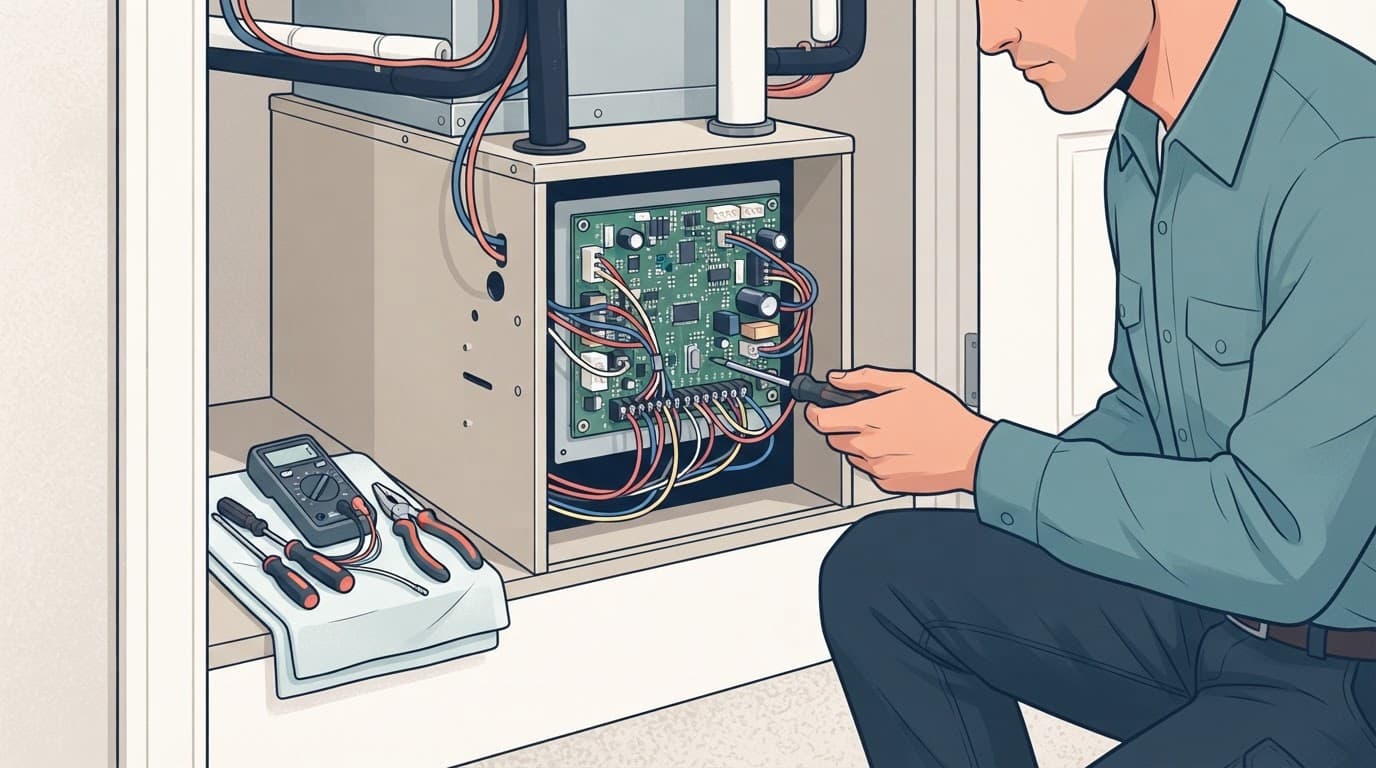
The system ignores a call for cooling
Your thermostat may show that it's calling for cooling while the indoor blower never starts. In another case, the blower runs but the outdoor unit stays silent. Either pattern can involve a control problem, but the point where the signal stops matters.
Note whether the thermostat display is working and whether you hear the indoor or outdoor equipment start. A blank screen widens the possibilities: batteries, equipment power, a low-voltage fuse, the transformer, and thermostat wiring all deserve consideration. These common causes of a blank thermostat display can look like a board failure at first.
Operation becomes erratic
An AC that starts, stops, and starts again after a few minutes may have a control fault. The blower might also stay on after cooling ends or fail to start when the system calls for it. Repeated clicking can suggest a relay or control-signal problem, although one click when cooling starts can be normal.
Write down which unit clicks and what happens next. Thermostat batteries, a contactor, loose wiring, and other faults can cause similar behavior. The causes of AC short cycling extend well beyond the circuit board.
Why these signs can point to another problem
A control board receives inputs and sends instructions. If an input never arrives, or another part can't respond, the board may appear to be at fault even when it's working correctly.
Thermostat, power, and low-voltage faults
A thermostat set to the wrong mode won't request cooling. An inaccurate temperature reading can also end a cooling call before the house feels comfortable. Loose low-voltage wiring may create intermittent operation or repeated resets.
Likewise, a tripped breaker, transformer fault, or blown low-voltage fuse can interrupt part of the control circuit. The location of the fault isn't clear from the thermostat display alone. If the displayed temperature doesn't match how the room feels, these signs of an inaccurate thermostat reading are worth reviewing before assuming the board needs replacement.
Outdoor components, airflow, and safety controls
A failing capacitor or contactor can prevent the outdoor unit from starting even when the board sends the right signal. Meanwhile, a dirty filter or blocked return can restrict airflow. Ice on the refrigerant line may point to an airflow or refrigerant problem rather than a failed board.
Condensate-related safety controls can also stop cooling when water isn't draining properly. That's an important distinction in a humid climate, where the AC removes moisture as well as heat. Never bypass a safety switch to get the unit running. It may be stopping the system to prevent damage or water overflow.
Safe checks you can make before calling
Keep your checks outside the equipment cabinets. You don't need a meter or an exposed circuit board to give a technician useful information.
- Set the thermostat to Cool and choose a temperature below the displayed room temperature. Check that the fan setting is Auto, and replace batteries if your thermostat uses them.
- Look at the air filter and replace it if it's dirty, using the correct size and type. Make sure furniture and rugs aren't blocking returns or supply vents.
- Observe the indoor and outdoor units from a safe distance. Note whether the blower runs, the outdoor fan turns, or the system makes repeated clicking or humming sounds. Stay clear of moving parts.
- Look for water near the air handler, ice on an accessible refrigerant line, or an obviously tripped breaker. Don't remove panels, touch wiring, or repeatedly reset a breaker.
Then record when the problem began and whether it followed a storm or outage. Mention if cooling returned on its own. Intermittent faults can disappear by the time a technician arrives, so a short timeline helps.
If the thermostat and filter checks don't change anything, stop troubleshooting at the cabinet. Changing wire connections or replacing a board based on symptoms can create a second problem.
When to turn the AC off and call for help
Turn the thermostat to Off if you smell burning insulation, see smoke or sparks, hear harsh electrical buzzing, or notice water reaching electrical equipment. Keep clear of the unit and call for urgent service. If there's smoke or an active fire, get to safety and call emergency services.
A breaker that trips again is another stop sign. Don't keep resetting it to see whether the AC will hold. Repeated trips can involve equipment, wiring, or the electrical panel, and the circuit needs testing. These causes of a tripping AC breaker require a different approach than changing thermostat settings.
For recurring short cycles, persistent warm air, or a blower that won't stop, arrange a prompt service visit even without an emergency sign. Running an abnormal system through repeated cooling calls may worsen the underlying fault. While you wait, closed blinds and limited door openings can help slow heat and humidity buildup indoors.
How Cape Coral conditions affect the picture
Long cooling demand exposes weak parts
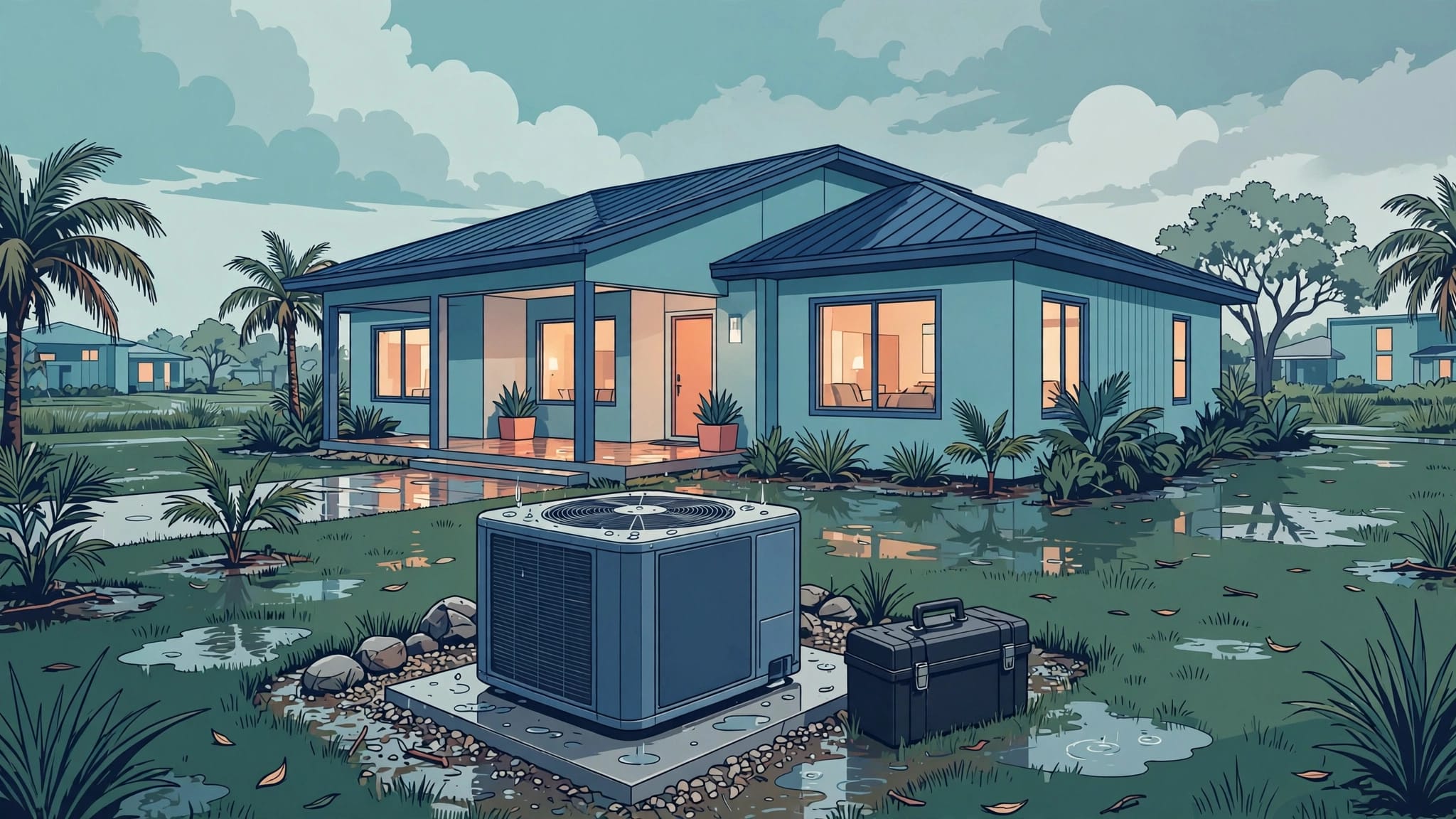
Cape Coral AC systems work through extended periods of heat and humidity. Long run times can make a marginal electrical connection, weak capacitor, dirty coil, or restricted filter more noticeable. Humid air also adds moisture for the system to remove, so poor airflow or short cycling can leave rooms clammy.
That doesn't mean humidity caused an AC control board failure. A sticky room is a comfort clue, not an electrical diagnosis. Check the simple airflow issues you can see, then let a technician trace the operating fault.
Coastal air and storms warrant careful inspection
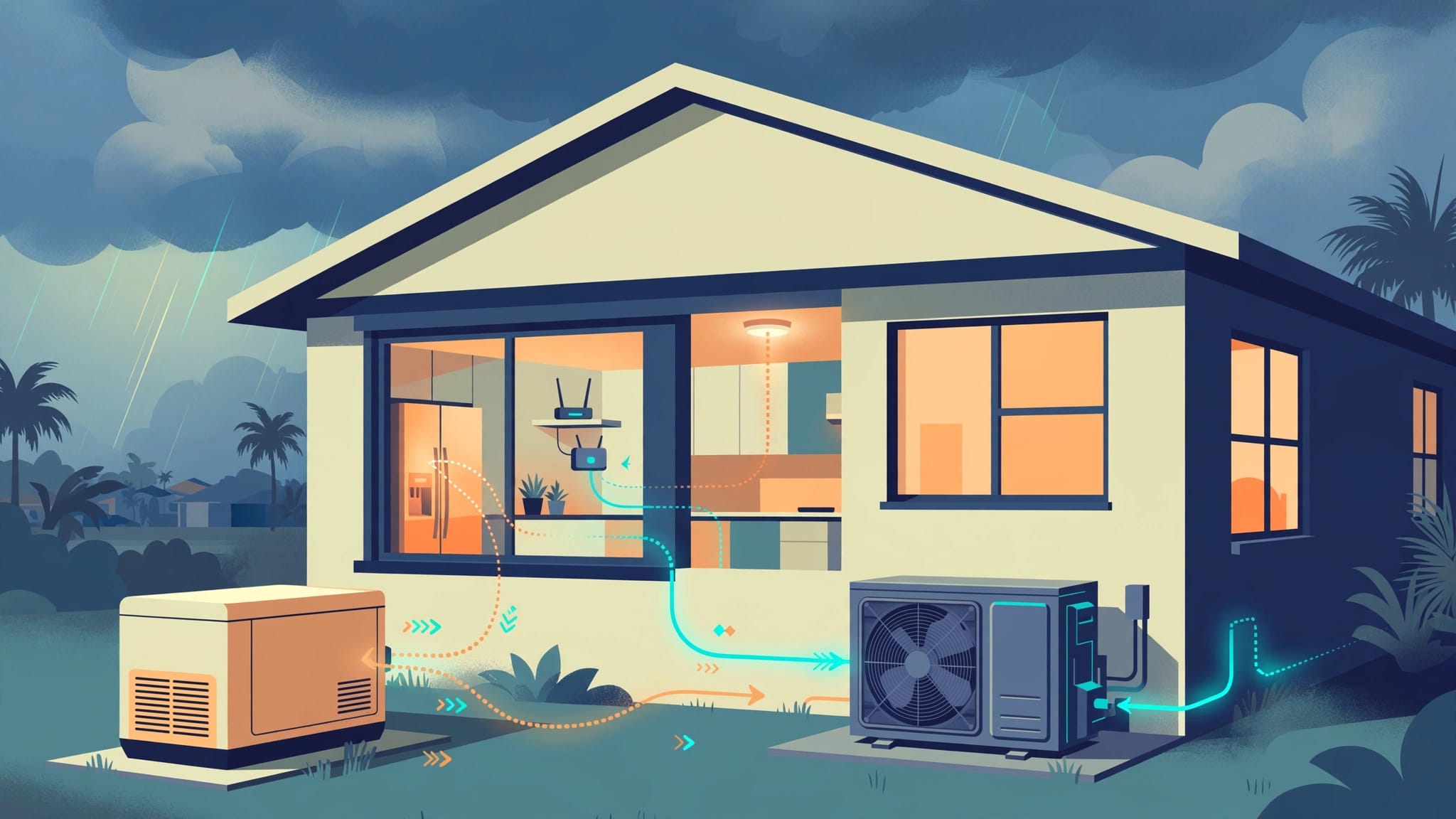
Moisture and salt exposure can contribute to corrosion on accessible outdoor components and connections over time. Storms may also bring outages or power changes. Neither condition proves that a board failed, and an indoor board has a different exposure than an outdoor condenser.
Tell the technician if trouble started after heavy rain or power returned following an outage. During routine care, ask for an inspection of electrical connections, drainage, and the outdoor unit. A homeowner's AC tune-up checklist can help you keep track of maintenance between visits.
How a technician confirms the cause
A reliable diagnosis follows the cooling request through the system. The technician needs to find where the expected signal or power disappears, then determine why.
Testing the control path
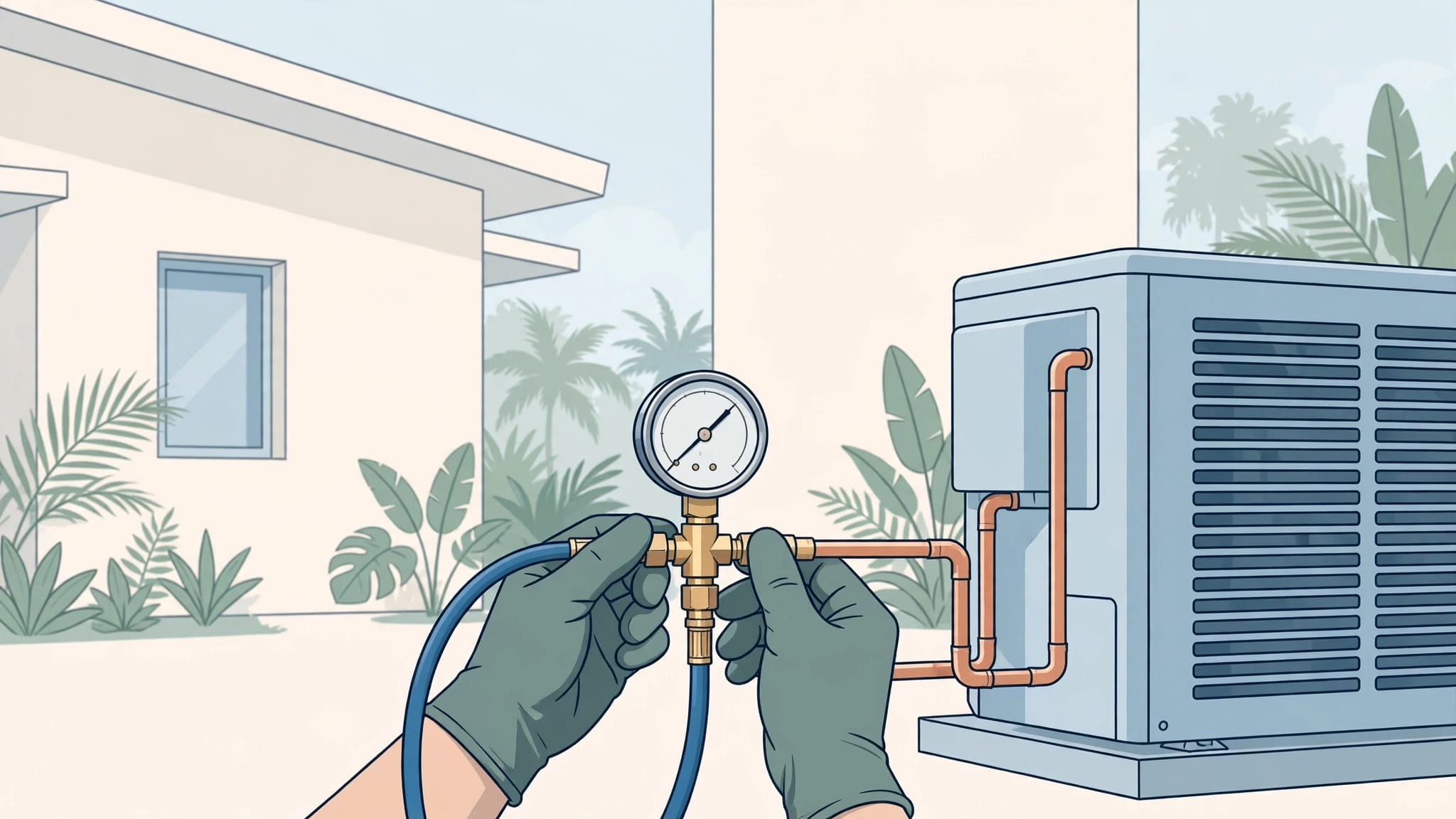
A qualified HVAC technician can verify thermostat settings and the call for cooling, then test voltage at appropriate points in the low-voltage circuit. They may inspect the transformer, fuse, wiring, safety controls, and board connections. If the board should send an output but doesn't, that finding has more weight than a click or a blank screen.
Testing also matters when a board has visible damage. A short in another component or wire may have contributed to the failure. Replacing the board without checking the connected circuit could leave the original problem in place.
Checking the equipment that should respond
When the board sends the correct signal, the technician can check whether the blower, contactor, and outdoor equipment respond. Electrical measurements and an inspection of airflow or drainage help separate a control fault from a motor, capacitor, or safety-switch issue.
Ask what the tests showed before approving a repair. The useful explanation is concrete: which component received the signal, which one didn't respond, and whether another fault needs correction. Sunset Gulf HVAC offers AC repair in Southwest Florida, including service for Cape Coral homeowners.
What happens if the board needs replacement?
A confirmed board failure usually calls for a compatible replacement matched to the equipment. A technician should identify the system and board, inspect the wiring and connected parts, and test operation after installation. Proper diagnosis matters more than ordering a part that looks similar.
The repair decision also depends on the broader condition of the AC. If the system has other significant faults, ask for a clear explanation of each issue and its repair cost. A control-board symptom alone doesn't mean you need a complete system replacement.
FAQ
Can a bad AC control board make the thermostat go blank?
It can, depending on how the thermostat receives power and where the electrical fault occurs. Dead batteries, a tripped breaker, transformer trouble, a fuse, or loose wiring can produce the same result. A technician needs to test the circuit to identify the cause.
Does repeated clicking mean the board is failing?
Repeated clicking can involve a board relay or an unstable control signal. It can also come from the thermostat, wiring, or an outdoor contactor. Note where the sound comes from and whether either unit starts, then arrange service if it continues.
Should I reset the breaker before calling?
You can check its position without opening HVAC equipment. If the breaker has tripped, don't reset it repeatedly or try to run a system that trips again. Turn the AC off and have the electrical fault checked. Burning smells, smoke, or sparks call for urgent attention.
The bottom line for Cape Coral homeowners
When cooling becomes unpredictable, record what starts, what stays off, and when the behavior changes. Those clues help, but electrical testing is what separates AC control board failure from a thermostat or component problem.
Stick to safe checks and shut the system off when warning signs appear. In Cape Coral heat, a timely, accurate diagnosis is the surest route back to dependable cooling.
Recent Posts