
Sunset Gulf HVAC • September 3, 2026

Thermostat Location Tips for Babcock Ranch Homes

Share this article

Thermostat Location Tips for Babcock Ranch Homes

A thermostat can only control the air it senses. If it sits in a hot, sunny, drafty, or humid spot, your AC may run at the wrong times and leave other rooms uncomfortable.

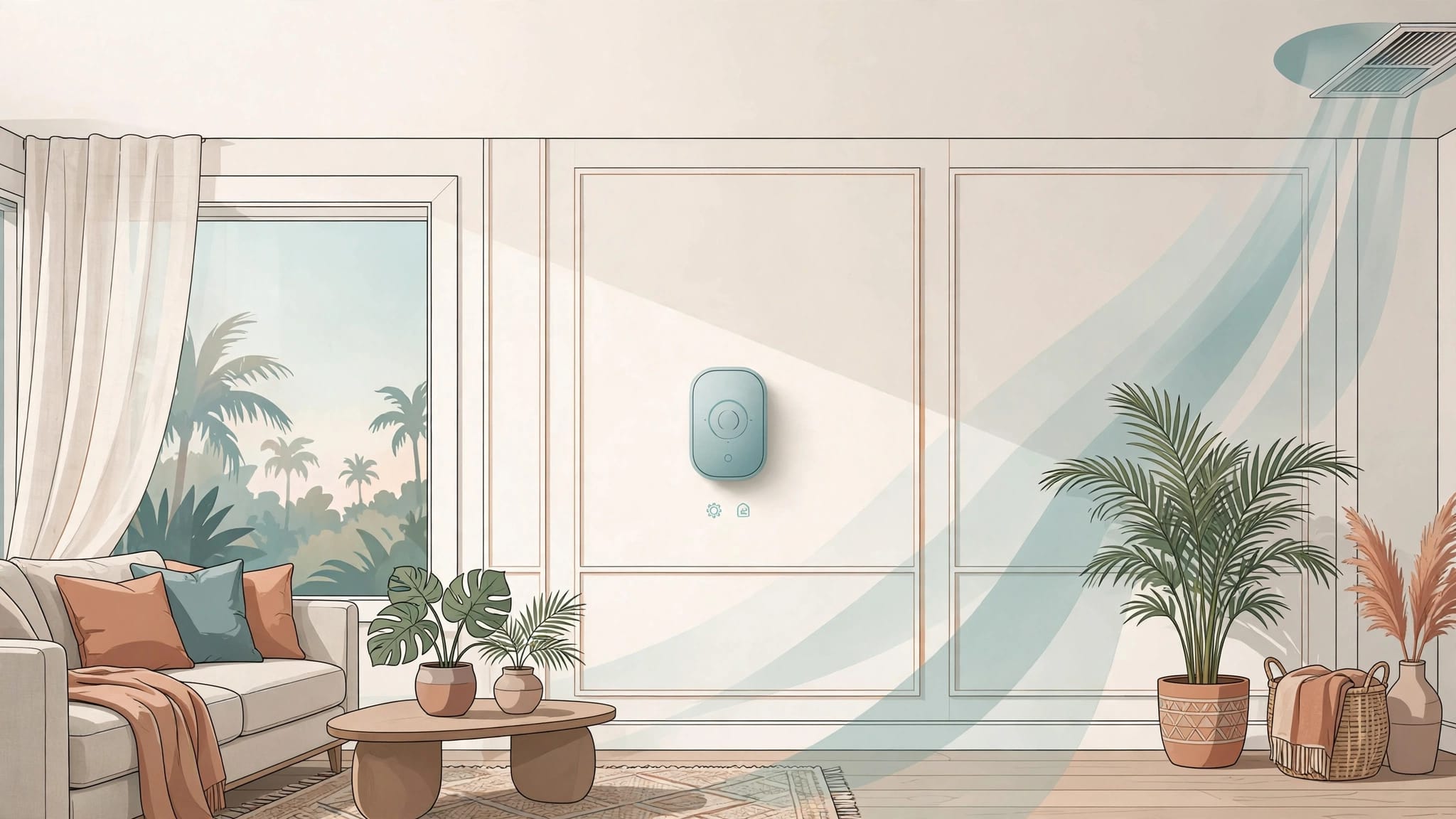
The best thermostat location is usually a central interior wall in a regularly used living area. That placement gives the thermostat a more honest picture of your home's average conditions, which matters during long Southwest Florida cooling seasons.

The Best Thermostat Location for Babcock Ranch Homes

Choose an interior wall in a living room, family room, or open central area that your household uses every day. The wall should have steady airflow, without furniture pressed against it or a nearby source of heat.

Mount the thermostat about 4 to 5 feet above the floor . At that height, it measures the air where people spend time, rather than the warmer air that gathers near the ceiling or cooler air near the floor.

Pick a wall that reflects everyday comfort

A thermostat needs to sense mixed room air. A central interior wall near the main living space usually works well because it isn't directly affected by outdoor heat, a garage wall, or a single room's unusual conditions.

In many homes, a wall near an open living area or a broad interior hallway is a better choice than a tucked-away corridor. However, a narrow hallway with little airflow may not represent the rest of the home.

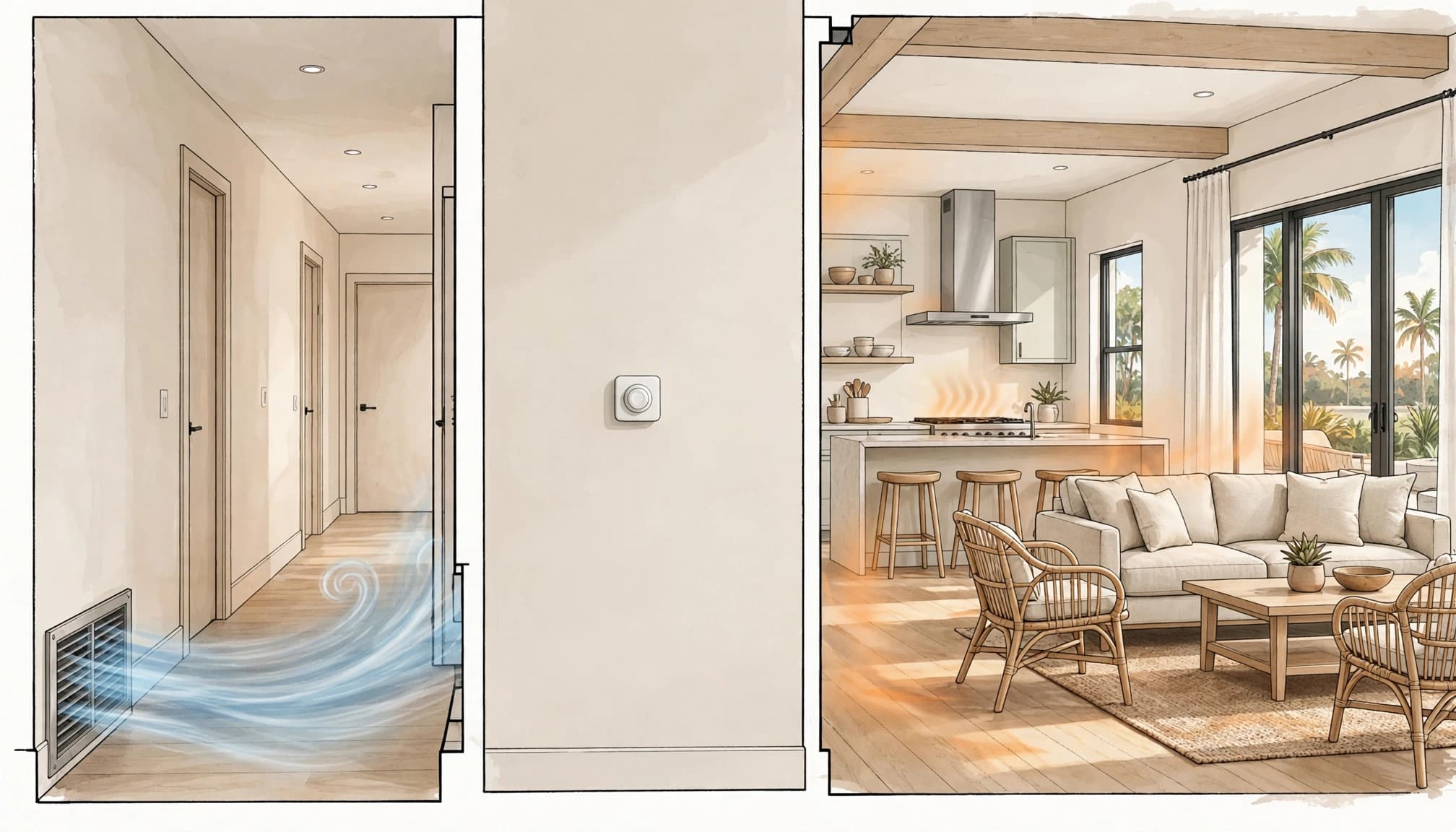
The right spot measures the home's normal living conditions, not the temperature beside a vent, window, or cooking appliance.

Locations That Can Distort Thermostat Readings

A poor thermostat location can create false readings, sometimes called ghost readings. The AC responds to the air around the thermostat, even when that air doesn't match the rest of the house.

Keep it away from sun, doors, and windows

Direct sunlight can heat the thermostat's wall and make the system cool longer than needed. Windows can add solar heat, while exterior doors bring in brief blasts of warm, humid air each time they open.

Avoid exterior walls when possible. Florida heat, insulation differences, and afternoon sun can affect their surface temperature. Keep the thermostat several feet from windows and exterior doors, rather than placing it in an entryway.

Avoid kitchens, bathrooms, vents, and garages

Kitchens heat up quickly during cooking. Bathrooms can become warm and humid after showers. Neither room gives a reliable reading for the rest of the home.

Also, don't place a thermostat directly above, below, or beside a supply register. Cool supply air may satisfy the thermostat before the living area cools down. Keep it away from return grilles and narrow return-air pathways too, because strong air movement there may not reflect normal room conditions.

Garages are also poor locations. Their temperatures can swing far beyond the conditioned space, so they can't guide comfort inside the home.

Thermostat Placement in One-Story and Two-Story Homes

Floor plan matters. A single-story home often has one main living zone, while a two-story home can have noticeable temperature differences between levels.

One-story homes need a central reference point

For a one-story layout, place the thermostat near the center of the conditioned living space, not in a guest room, laundry room, or rarely used office. An open-plan home may have several possible walls, so choose one away from kitchen heat and large sun-facing glass.

If one bedroom always feels warmer or cooler, don't move the thermostat there without a full system review. That room may have an airflow, duct, insulation, or return-air issue instead.

Two-story homes may need sensors or zoning

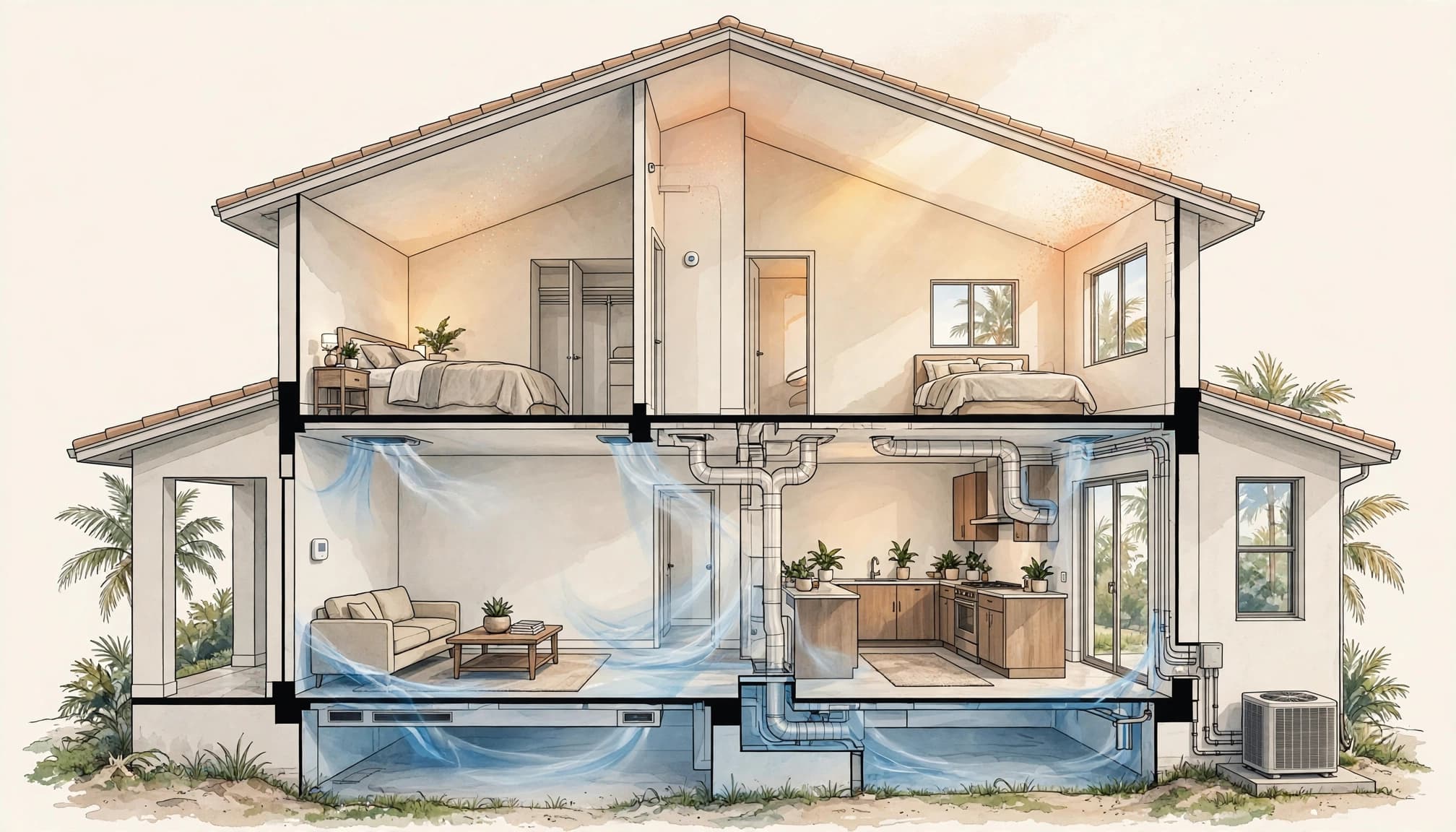
Warm air rises, so upstairs rooms often differ from the main floor. A single thermostat downstairs may keep the first floor comfortable while upstairs bedrooms stay warmer.

A remote sensor can help a compatible smart thermostat account for an upstairs bedroom or another frequently used room. A zoned HVAC system needs a thermostat in each zone, placed where it accurately represents that zone.

Those are system-specific choices. A technician should confirm whether your equipment supports sensors, zoning controls, or thermostat relocation before any changes are made.

Humidity Changes How Your AC Feels

In Babcock Ranch, temperature is only part of comfort. High indoor humidity can make a 76-degree room feel sticky, while balanced humidity makes the same temperature feel more comfortable.

Many Florida homes perform best when indoor relative humidity stays below 60%, often around 45% to 55%. A thermostat near a bathroom, kitchen, or sun-warmed window may react to a moisture or heat spike rather than whole-home conditions.

Let the system complete useful cooling cycles

Set the fan to Auto unless your HVAC professional recommends another setting. Continuous fan operation can move moisture back through the home after a cooling cycle ends.

Avoid frequent large temperature changes. Stable settings give the air conditioner more consistent run time, which supports moisture removal. If humidity stays high despite normal cooling, the issue may involve equipment sizing, drainage, airflow, ductwork, or a humidistat setting.

A Better Thermostat Location Starts With the Whole System

The right thermostat location is a central interior wall, about 4 to 5 feet high, with free airflow and no nearby heat, moisture, sunlight, or drafts.

That simple placement helps your AC respond to the conditions you actually live in. When one room still feels wrong, look beyond the thermostat, because airflow and system design often tell the rest of the story.

Recent Posts

By Sunset Gulf HVAC September 13, 2026
A hissing air conditioner can make any Naples homeowner worry about a refrigerant leak. However, AC hissing sounds can also come from airflow problems, duct leaks, expansion components, or normal pressure changes as the system starts and stops. The sound matters most when it a...
By Sunset Gulf HVAC September 12, 2026
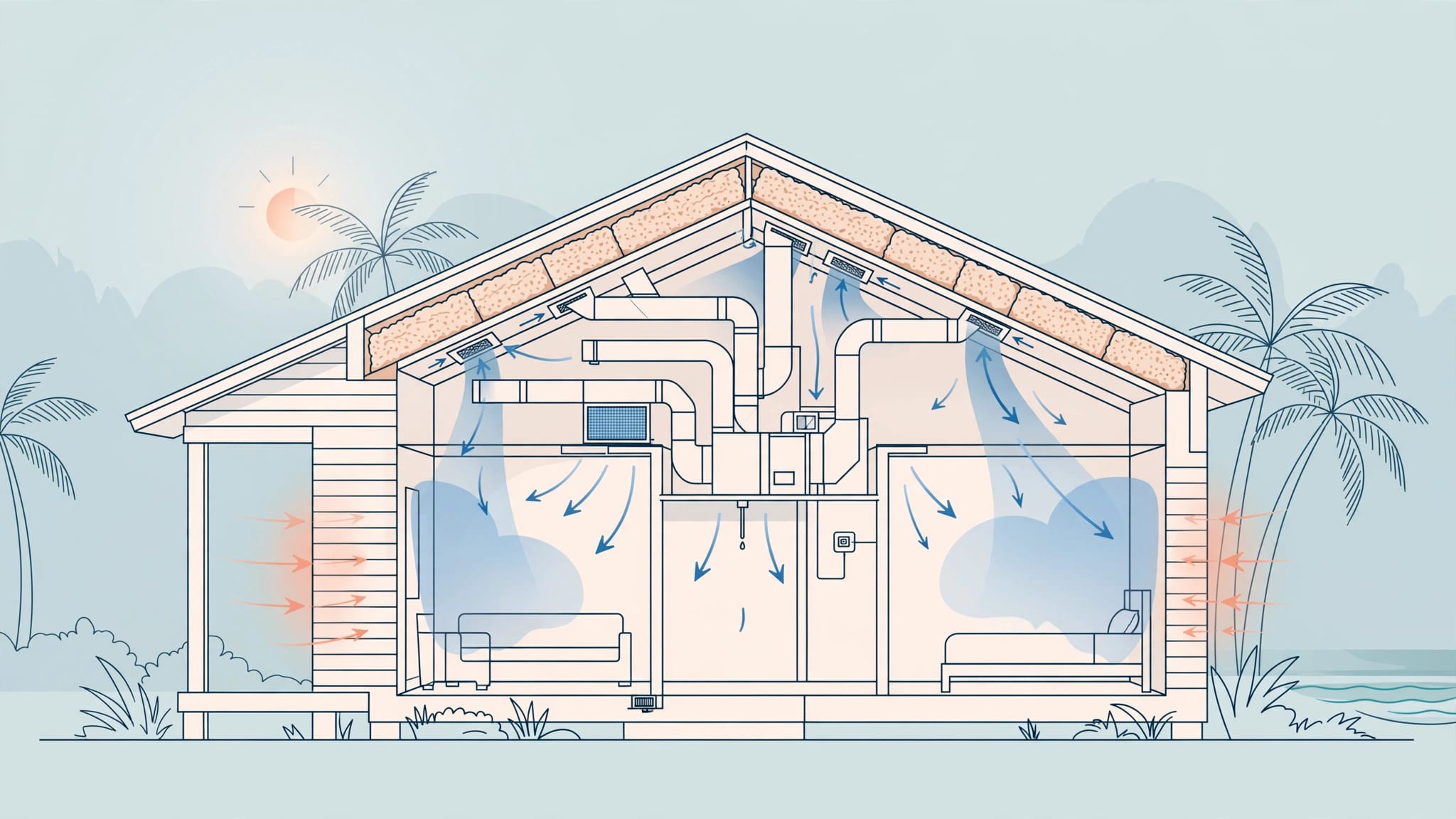
A rising electric bill, sticky rooms, or an air conditioner that runs all day can point to more than an aging unit. Your ducts, insulation, thermostat, filter, and home envelope may also be wasting cooling. If you're searching for an HVAC energy audit Fort Myers homeowners can...
By Sunset Gulf HVAC September 11, 2026
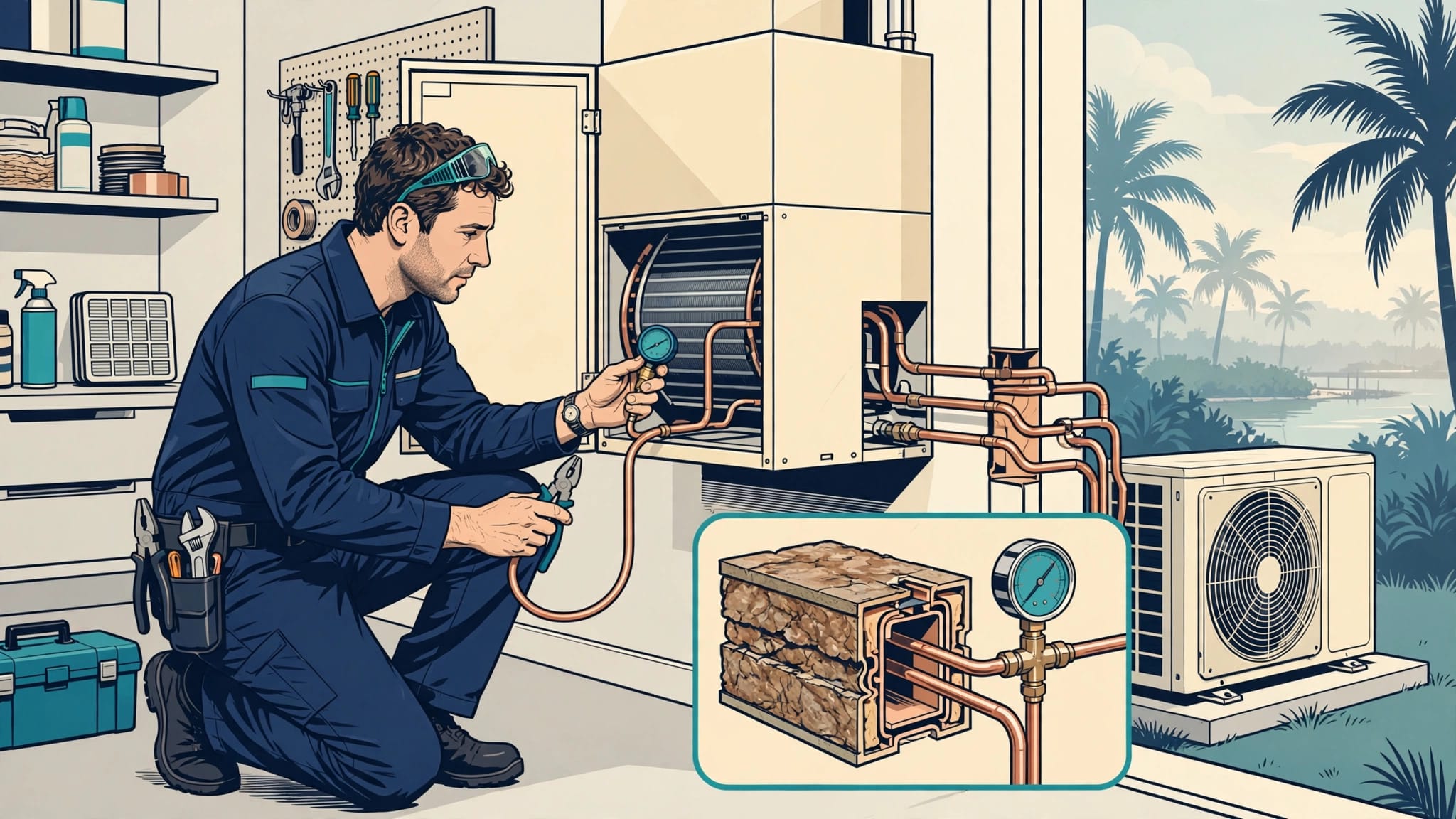
A new outdoor unit can connect to old copper tubing, but that connection alone doesn't make it safe. In Cape Coral, humidity, salt air, heat, and years of vibration can affect the line set hidden between your indoor and outdoor equipment. Homeowners can sometimes reuse refrige...