AC Contactor Failure Symptoms in Babcock Ranch Homes
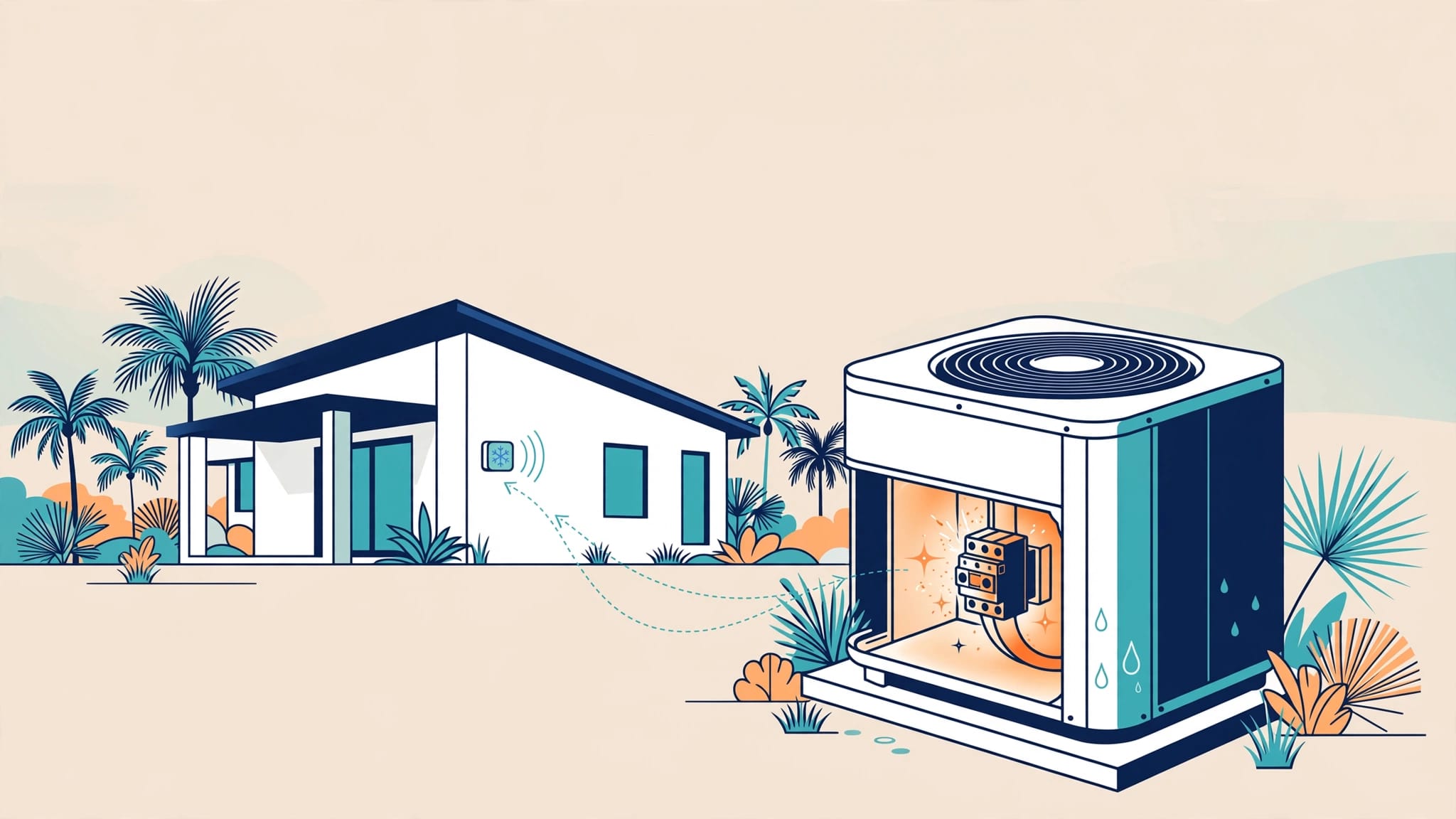
An air conditioner can seem fine at breakfast and leave the house warm and sticky by lunch. AC contactor failure symptoms often appear during a thermostat cooling call, but they can also resemble other HVAC electrical problems involving a capacitor, wiring, compressor, or condenser fan.
For Babcock Ranch homeowners, the safest first step is careful observation, not opening the condenser cabinet. A licensed HVAC technician can distinguish a failed contactor from other issues that interrupt cooling in Southwest Florida.
Key Takeaways
- A failed AC contactor may leave the outdoor unit silent, cause clicking or chattering, or keep the condenser running after the thermostat is satisfied.
- Similar symptoms can come from a capacitor, wiring, compressor, condenser fan motor, breaker, or other electrical component, so proper diagnosis matters.
- Don't open the condenser cabinet, touch wiring, force the contactor closed, or repeatedly reset a tripped breaker. Observe the system from a safe distance and contact a licensed HVAC technician.
- Burning smells, smoke, sparks, melted insulation, exposed wiring, and repeated breaker trips require same-day attention or emergency service.
- Regular maintenance can help identify loose connections, capacitor wear, heat damage, debris, and other problems before they cause a no-cooling call.
AC Contactor Failure Symptoms You May Notice First
The contactor sits inside the outdoor condenser. It acts as an electrical switch that tells the compressor and outdoor fan when to receive high-voltage power. When it wears out or sticks, the air conditioner may behave in ways that are hard to ignore.
The outdoor unit will not start
Your thermostat may call for cooling, and the indoor blower may run, yet the condenser stays silent. Warm air can continue moving through the vents because the indoor equipment is still circulating air.
A bad AC contactor is one possible cause when you find the condenser not running. However, a bad capacitor, tripped breaker, damaged control wiring, failed fan motor, or a fault in that control can create the same result. The equipment needs a proper diagnosis before anyone replaces parts.
You hear clicking, buzzing, or chattering
A contactor normally makes one brief click when the system starts and another when it stops. Repeated clicking, a loud hum, or a chattering noise isn't normal.
Unstable control voltage can cause the magnetic coil to pull in and release repeatedly. The moving armature can make the sound more noticeable when the contactor is worn. For a closer look at similar sounds, read about AC clicking noise diagnosis.
Repeated electrical noise paired with lost cooling calls for service, especially when the sound comes from the condenser.
The system runs when it should be off
A contactor can also fail in the closed position. Its internal contacts may weld together after severe electrical arcing. Then welded contacts may leave the condenser running continuously after the thermostat is satisfied.
Turn it to Off if the equipment won't stop. Don't touch the condenser or pull panels. Request professional service promptly.
How the Contactor Controls Your Outdoor Condenser
The contactor is a small electromechanical component with an important job. Its magnetic coil receives the thermostat's 24-volt signal and moves the armature.
Low-voltage signal, 240-volt power
When the armature moves into position, the contactor closes its electrical contacts. Those contacts allow roughly 240-volt household power to reach the compressor and condenser fan motor. When the thermostat reaches its set temperature, the 24-volt signal ends and the contactor opens again.
That cooling cycle may repeat many times on a hot Florida day. The compressor and condenser fan motor are inductive loads, so each start creates electrical loads for the contactor and capacitor to handle. As inductive loads, they draw strong starting current that repeatedly stresses the contactor.
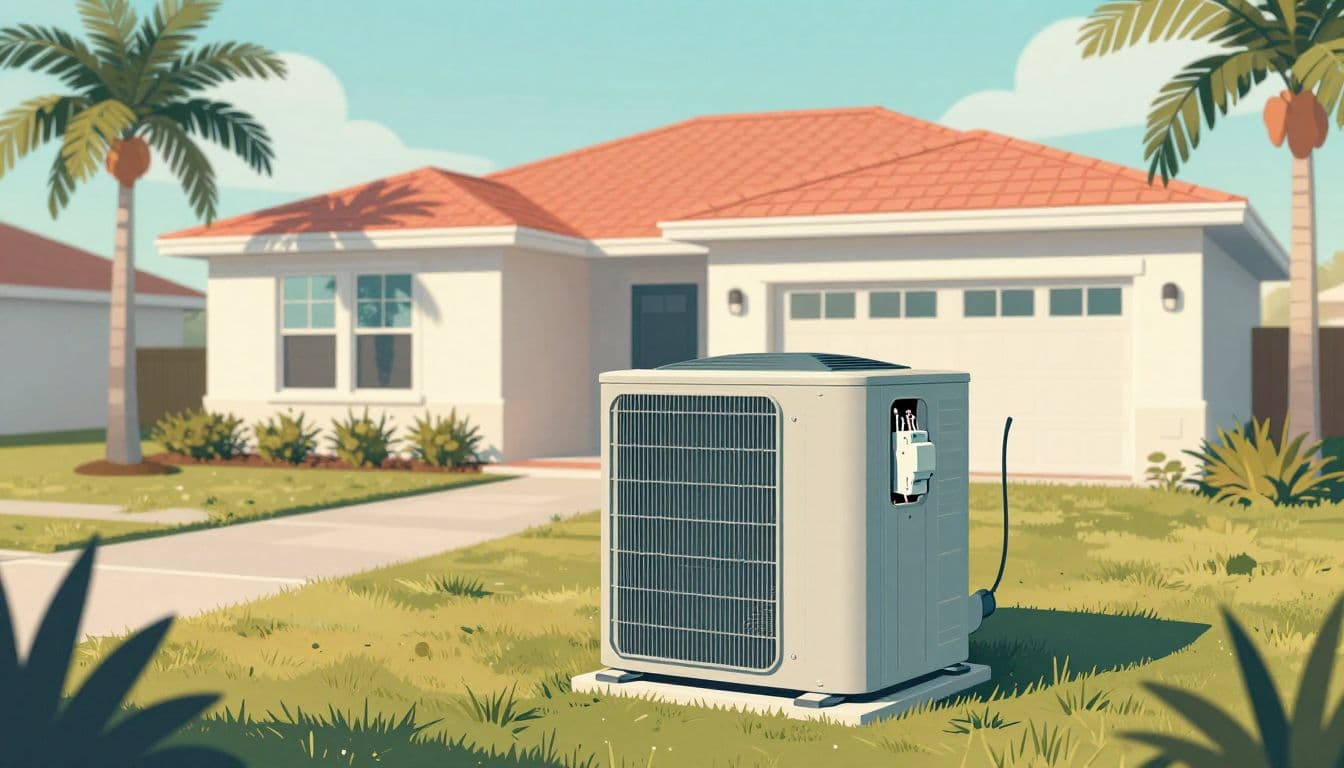
single pole contactor and two pole contactor differences
A single pole contactor interrupts one side of the power circuit, while a two pole contactor opens both power legs. The armature moves the contacts, but the switching arrangement depends on the system's design.
These parts can look similar, but the correct replacement depends on voltage, coil rating, equipment design, and electrical load. An incorrect replacement can create safety and performance problems, so a technician matches the part to the system rather than choosing one based on appearance alone.
When Warm Air Does Not Mean a Bad Contactor
Warm airflow or intermittent cooling is frustrating, but it doesn't identify the failed part. Your system may have a contactor issue, or another fault may prevent the cooling cycle from completing.
Cooling stops while the blower keeps moving air
If the house gets warm while air still blows from the vents, check the thermostat mode and setpoint first. Set it to Cool and select a temperature below the current indoor temperature. A display set to Fan Only can move air without cooling it.
A dirty filter, frozen evaporator coil, refrigerant problem, weak blower, or duct issue can also affect comfort. Helpful Babcock Ranch summer thermostat settings support efficient operation, but thermostat adjustments can't repair a damaged electrical component.
A humming condenser may have several causes
A buzzing outdoor unit that won't start may involve a contactor, a run capacitor, or the compressor. A condenser fan motor, disconnect, or another control or power component may also be involved.
Because these components work together, swapping one part based on a sound is unsafe and unreliable. A professional diagnosis checks the full circuit and confirms the source of the failure.
A Safe Observation Checklist Before You Call
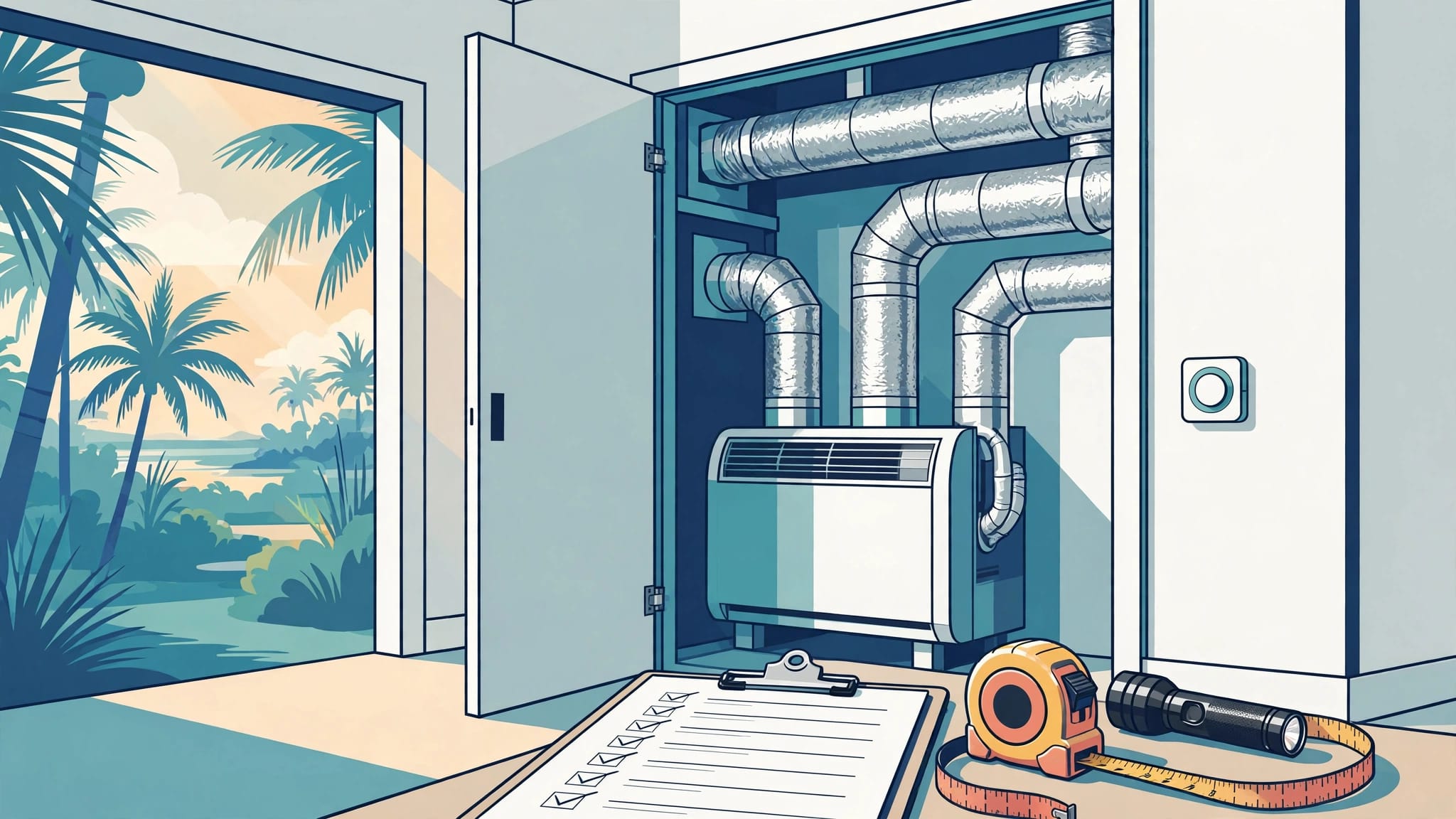
Homeowners can collect useful details without removing a panel, touching wiring, or approaching energized equipment. These notes help a licensed professional understand what happened.
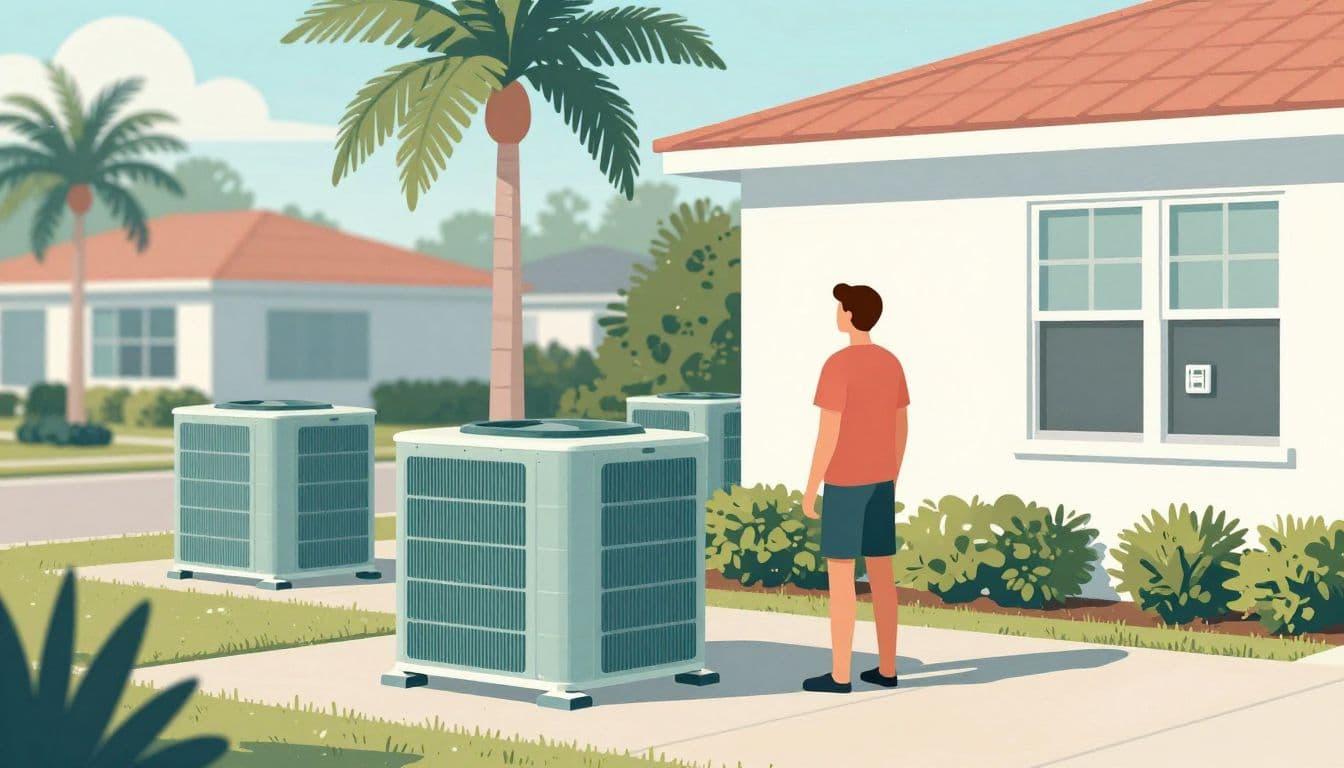
Before scheduling service, observe these items from a safe distance:
- Note whether the thermostat display is on, set to Cool, and below room temperature.
- Listen for a startup click, continuous humming, repeated chatter, or silence at the outdoor unit.
- Check whether the condenser fan is turning, but stay clear of the grille and cabinet.
- Notice whether air from the supply vents feels warm, cool, weak, or normal.
- Look for a tripped breaker only if you can do so safely, and don't reset it repeatedly if it trips again.
- Write down when the issue began, especially after a power outage, lightning, heavy rain, or thermostat setting change.
Don't open the condenser cabinet to inspect burnt contacts, wiring, or internal components. The equipment contains high voltage even when the controls are off, and stored electrical energy can also cause serious injury.
Why AC Contactors Burn, Pit, or Stick
Contactors wear over time because opening and closing a high-voltage circuit creates electrical arcing. Compressor and fan motors are inductive loads, so repeated switching creates demanding electrical loads. Tiny arcs gradually roughen contact surfaces. Wear or contamination can restrict the armature's movement. Eventually, pitting can prevent a solid connection, or contacts can fuse together. A contactor that sticks may leave the armature engaged, keeping the circuit energized.
Loose connections create heat
A loose wire connection increases resistance. That resistance produces heat, which can discolor terminals, damage insulation, or pit contacts. Corrosion, vibration, and aged spade terminals can add to the problem.
A technician checks the contactor, surrounding wires, terminals, disconnect, capacitor, and electrical connections. Finding the reason for the damage matters as much as replacing the damaged part.
Heat, storms, and frequent cycling add stress
Southwest Florida heat means long cooling hours for many homes. Frequent starts and stops add wear to electrical switching components. Power surges during summer storms can also damage parts inside the condenser.
Insects, dirt, and debris near the electrical compartment may worsen mechanical or electrical problems. Regular maintenance keeps the condenser clean and gives a technician a chance to spot worn parts before a no-cooling call.
When a Contactor Problem Becomes an Electrical Emergency
Some AC contactor failure symptoms require same-day attention. A faint click alone may not be urgent, but burning smells, visible smoke, sparks, melted insulation, exposed wiring, or repeated breaker trips are different.
Shut the system down and leave it alone
If you smell burning or see smoke, turn the thermostat off if it is safe to do so. Stay away from the outdoor unit and any high voltage components. Do not restart the system, reset the breaker, or try to force the contactor closed.
Call emergency services if there is a fire or immediate danger. For an AC-related electrical concern, arrange Babcock Ranch emergency HVAC service as soon as possible.
A professional diagnosis protects the whole system
A licensed HVAC technician uses a multimeter and appropriate safety procedures to check control voltage, incoming power at the disconnect, contactor operation, and continuity. The technician can also inspect the armature's movement and look for heat damage that isn't visible from outside.
This approach avoids blaming every no-start issue on the contactor. It also helps protect expensive components, including the compressor and condenser fan motor. After confirming the failure and the cause of any heat damage, the technician can select the correct replacement contactor. For non-emergency problems, AC repair and replacement in Babcock Ranch can address the electrical fault and confirm the system is cooling safely.
Preventing Premature Contactor Wear
No contactor lasts forever, but preventive maintenance can reduce avoidable damage beyond routine coil rinsing. A technician can inspect electrical connections, test capacitors, and verify safe operation during service. They can also identify heat-damaged terminals, capacitor wear, debris, or airflow restrictions before a no-cooling call.
Keep the condenser area clear
Maintain open space around the condenser so it can reject heat properly. Remove loose leaves and yard debris from the surrounding area, but don't spray electrical compartments or bend the coil fins.
After major storms, listen for new electrical noises and watch for changes in cooling. If either occurs, call a professional rather than opening the cabinet or inspecting its components yourself.
Schedule service before the hottest stretch
Biannual tune-ups fit Florida's cooling demands. Spring service prepares the system for extended summer use, while a later visit can catch wear after months of heavy operation.
A Comfort Club HVAC maintenance plan includes scheduled system checks, electrical testing, and priority service options. Regular care won't prevent every contactor failure, yet it can reveal trouble before the house loses cooling on a humid afternoon.
Frequently Asked Questions
What are the most common symptoms of a bad AC contactor?
Common signs include an outdoor unit that will not start, repeated clicking or chattering, and a condenser that keeps running after the thermostat reaches the set temperature. These symptoms can also result from other HVAC or electrical failures.
Can I replace an AC contactor myself?
Replacing a contactor is not a safe do-it-yourself repair because the condenser contains high voltage and stored electrical energy. A licensed HVAC technician should test the circuit, identify the cause of the failure, and install the correct replacement.
Why does my AC click but not turn on?
Clicking without startup may involve a worn contactor, failed capacitor, control wiring problem, compressor issue, or condenser fan fault. Avoid repeatedly restarting the system and have a professional diagnose the full circuit.
Should I turn off my AC if the contactor is stuck?
If the condenser continues running after the thermostat is satisfied, turn the thermostat to Off if it is safe to do so and stay away from the outdoor unit. Do not open the cabinet or touch the contactor; arrange professional service promptly.
When is an AC contactor problem an emergency?
Burning smells, smoke, sparks, melted insulation, exposed wiring, or repeated breaker trips indicate a potentially dangerous electrical problem. Shut the system down if it is safe, avoid the equipment, and request emergency HVAC service.
A Small Switch Can Cause a Big Comfort Problem
A worn contactor can stop the condenser, create a chattering noise, or keep the system running after shutdown. A sticking armature may cause similar behavior, and these signs overlap with other AC failures, so sound diagnosis matters.
Treat burning smells, smoke, arcing, exposed wiring, and repeated breaker trips as urgent electrical concerns. Stop using the system and contact a licensed HVAC professional. For other warning signs, prompt local service can protect your comfort, equipment, and peace of mind.
Recent Posts