AC squealing noise in Naples homes: Causes and fixes
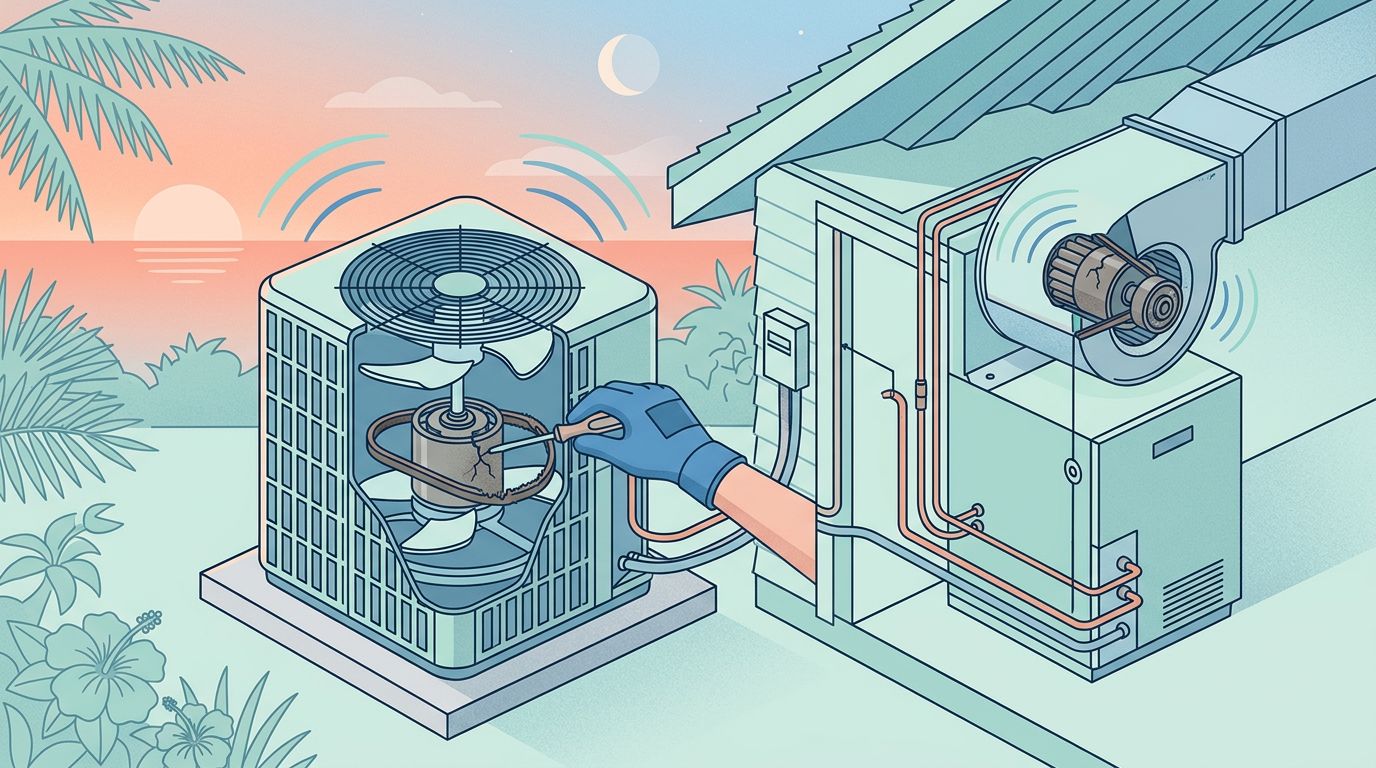
An AC squealing noise can turn a quiet Naples evening into an immediate worry. The sound may come from a worn motor bearing, a loose fan part, restricted airflow, or a belt on an older system.
Because Florida air conditioners run hard through long, hot cooling seasons, a small mechanical problem can worsen quickly. Persistent or loud squealing deserves prompt attention, especially if cooling has weakened or the system smells hot. The sound's timing and location can help point to the source.
What an AC squealing noise can mean
The pitch and timing of the sound offer useful clues. A brief chirp at startup has different likely causes than a high-pitched squeal that continues while the blower or outdoor fan runs.
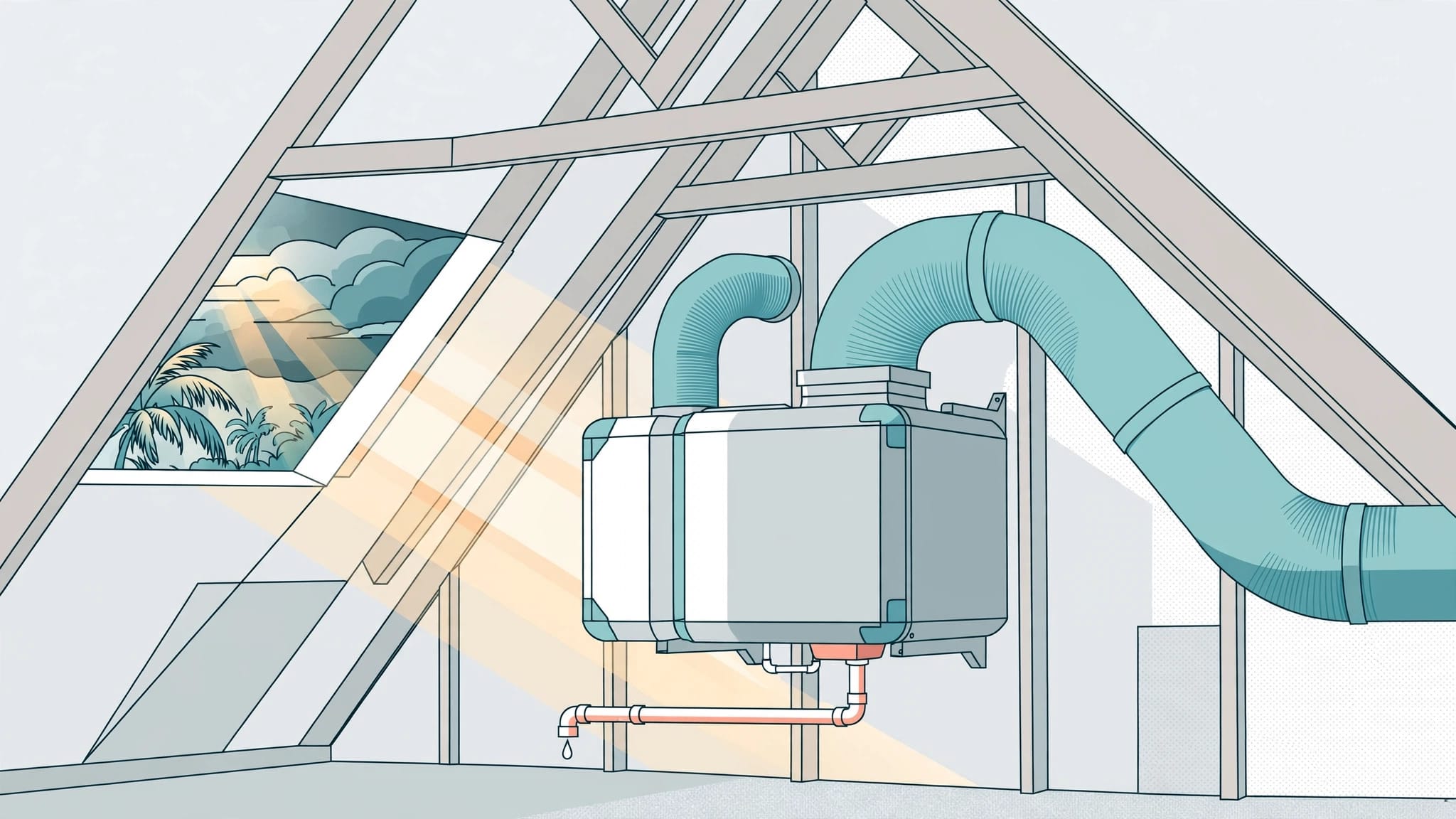
A worn indoor blower motor
The indoor air handler contains a blower motor that pushes cooled air through your ducts. When its bearings begin to wear, the motor can produce a sharp squeal or whine. The sound may start softly, then become louder as the motor heats up.
A failing blower motor can also cause weak airflow, uneven temperatures, or a system that shuts off before reaching the thermostat setting. In some cases, the motor still runs but draws more electrical current than normal. Continued operation can add stress to the motor and related controls.
Older air handlers may use a belt-driven blower. A loose, cracked, or misaligned belt can squeal during startup and may leave a rubber smell near the equipment. Many newer systems use direct-drive motors, so a belt isn't present in every Naples home.
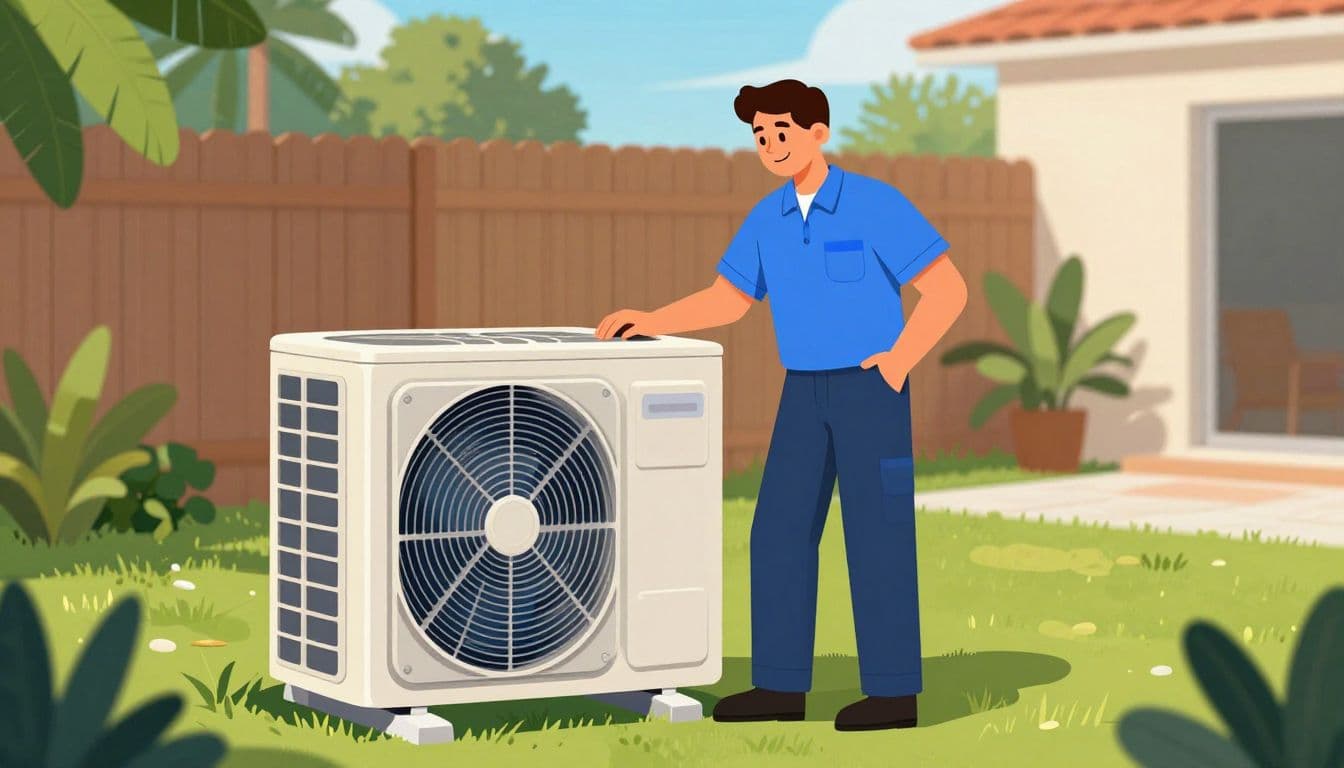
A condenser fan motor under strain
The outdoor condenser fan releases heat from your home. Its motor and bearings face intense heat, moisture, rain, dust, and salt air, particularly in neighborhoods closer to the Gulf.
A squeal from the outdoor cabinet often points to worn bearings, a damaged fan motor, or a fan blade that has shifted. You may also hear scraping if the blade touches its housing. If the outdoor fan stops while the compressor keeps running, the system can overheat and suffer expensive damage.
A loose fan wheel, belt, or piece of hardware
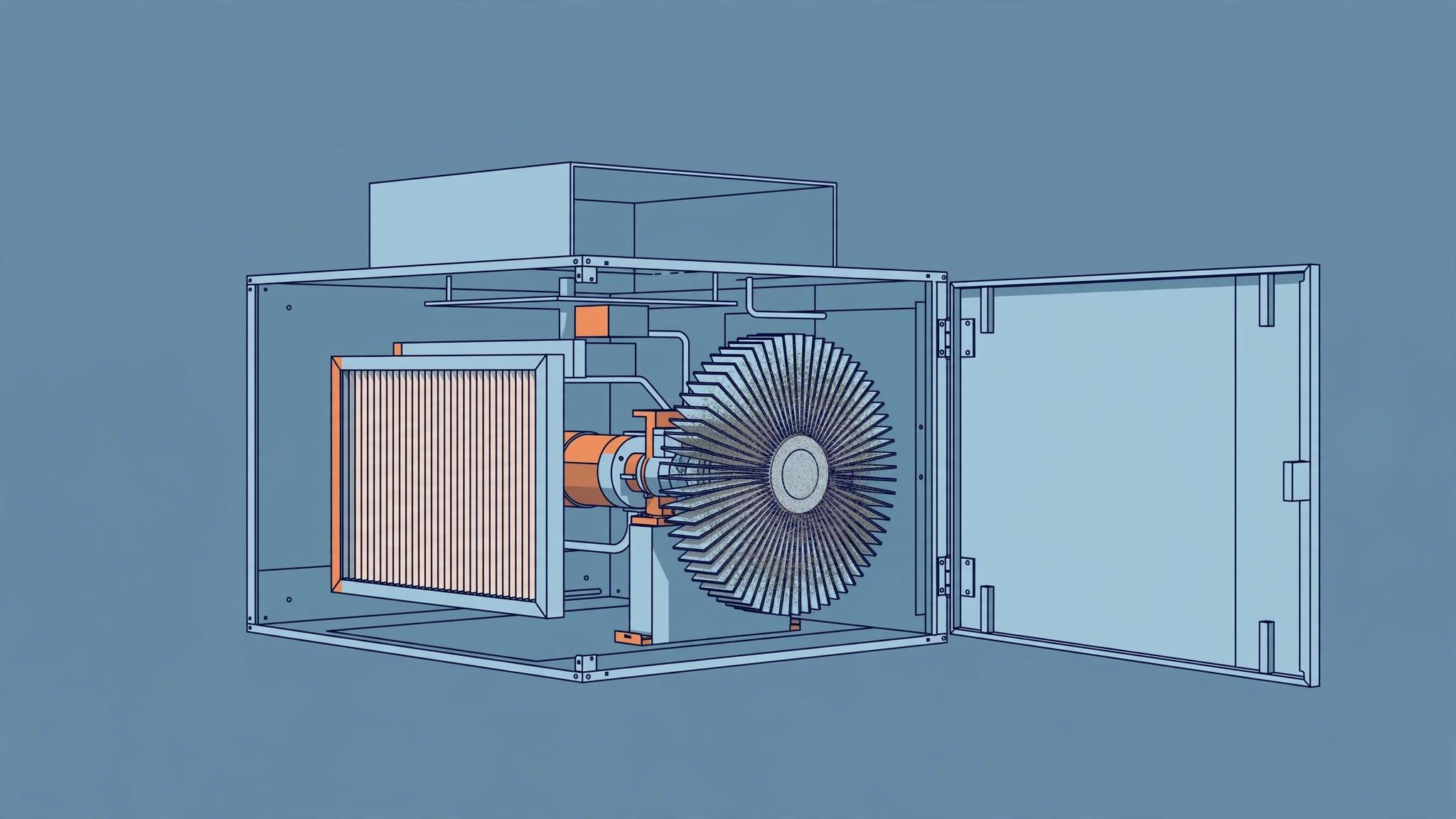
Indoor blower wheels collect dust when filters are neglected or when gaps allow unfiltered air into the cabinet. That buildup can make the wheel unbalanced. A loose set screw, bent wheel, or damaged mounting bracket may create a squeal, vibration, or rhythmic scraping sound.
Outdoor units can develop similar problems after heavy rain, wind, or a storm. Leaves and small debris may reach the fan area, while corrosion can weaken fasteners over time. A weak capacitor isn't the usual cause of squealing, but it can make a motor struggle during startup and change its normal sound.
Why Naples conditions can worsen the problem
Air conditioners in Naples deal with long run times, high humidity, and frequent starts during hot weather. That workload leaves less time for motors to cool between cycles. A bearing that makes a faint noise in spring may become much louder during a July afternoon.
Salt air adds another concern for homes near the coast. Salt deposits can speed corrosion on outdoor electrical connections, fan motors, and cabinet hardware. Storm debris can also bend a fan guard or interfere with the blade.
Indoor conditions matter, too. High humidity encourages longer cooling cycles, while clogged filters make the blower work harder to move air. Restricted airflow can raise operating stress throughout the system, even when the original problem began with a simple filter or dirty coil.
A squeal that changes with fan speed often points to a moving part, while a whistle at a register may point to airflow or duct pressure.
A refrigerant issue usually produces hissing, bubbling, or poor cooling rather than a classic mechanical squeal. Low refrigerant can still harm system performance, but the noise alone doesn't identify it.
How to check the sound safely
You can gather useful information without opening the equipment cabinet or touching electrical components. Follow these steps:
- Turn the thermostat to "Off" when the squeal is loud, continuous, or accompanied by a burning smell. If you see smoke, hear harsh grinding, or notice that the outdoor fan isn't spinning, leave the system off and arrange service.
- Identify where the sound begins. Stand near an indoor supply register, the air handler, and the outdoor condenser, keeping hands and clothing away from moving equipment. A sound inside the home usually points toward the blower or ductwork. A sound outside often involves the condenser fan or motor.
- Note when the noise occurs. Write down whether it happens at startup, during the entire cooling cycle, when the system shuts off, or only at certain fan speeds. A short recording from a safe distance can help a technician hear the pattern.
- Check simple airflow issues. Look at the filter and replace it if it's visibly loaded with dust. Confirm that supply registers are open and clear. Outside, remove loose leaves around the cabinet only when the system is off, and don't remove panels or reach through the grille.
A clean filter may reduce strain, but it won't repair a damaged bearing, belt, fan blade, or motor. Avoid spraying WD-40 or household lubricant into the unit. The wrong product can damage parts, attract dirt, or create a fire risk near electrical components.
When to schedule AC diagnosis and repair
A faint sound that appears once may deserve observation, but repeated squealing should not become part of your home's normal background noise. The longer a worn motor or rubbing fan runs, the greater the chance of overheating, loss of cooling, or damage to nearby components.
Schedule service promptly if the sound gets louder, returns every cycle, or comes with:
- Weak airflow from the vents
- Warm air from normally cold registers
- A burning or rubber smell
- Vibration near the air handler or condenser
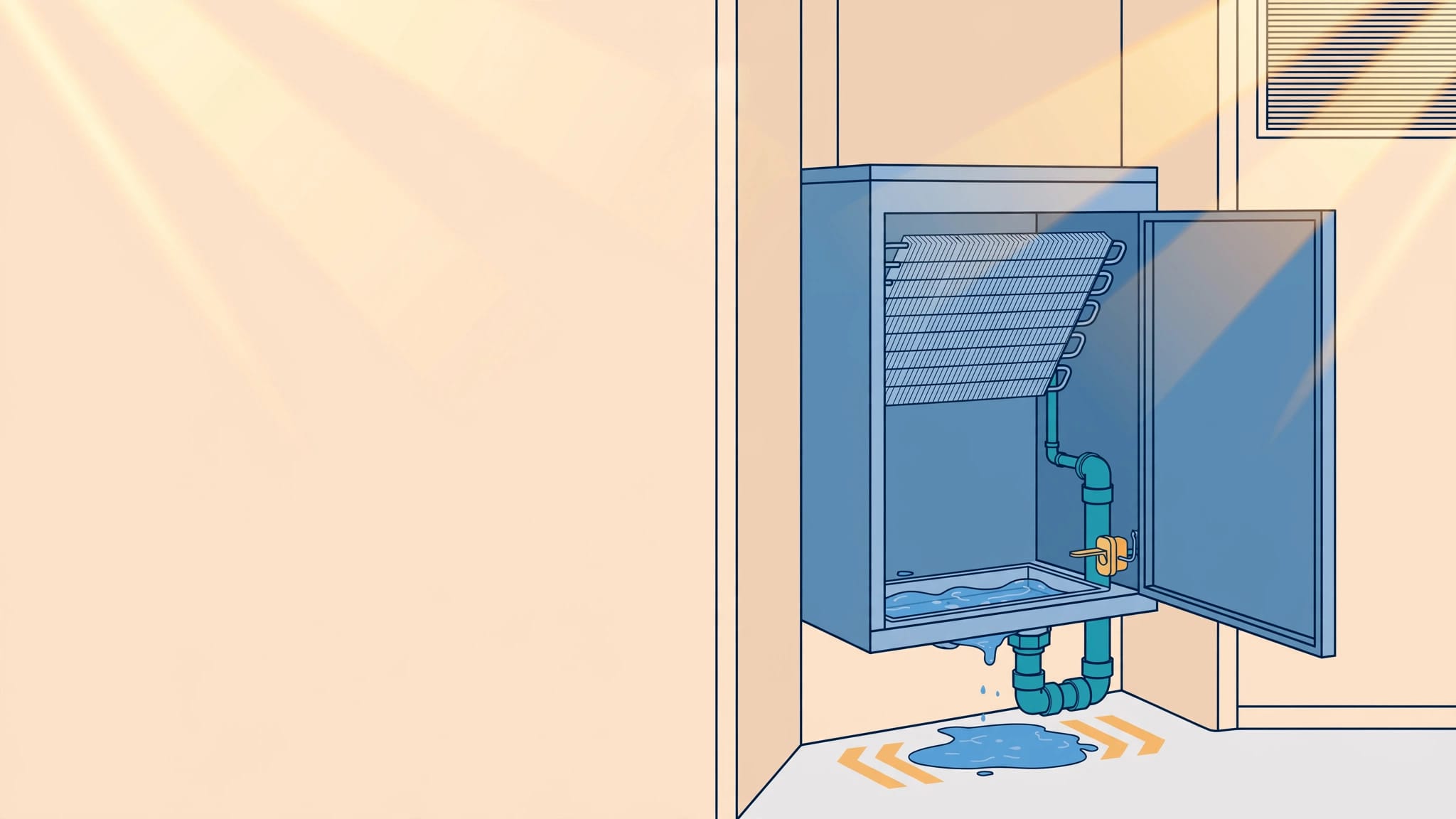
- Water around the indoor unit
- Breaker trips or repeated shutdowns
A technician can inspect motor bearings, fan wheels, belts, electrical connections, capacitors, coils, and duct airflow. The repair may involve a small adjustment or replacement part, but only an inspection can separate those possibilities.
Sunset Gulf HVAC provides air conditioning repair services for homeowners in Babcock Ranch and across Southwest Florida. Ask for a clear diagnosis and upfront pricing before approving work.
Regular maintenance can also catch worn components before they stop the system during a hot spell. Have the filter checked monthly during heavy use, keep the outdoor area free of loose debris, and schedule professional service before the cooling season becomes demanding. A Comfort Club maintenance membership includes scheduled tune-ups and inspections designed to find developing problems early.
Maintenance doesn't make every part last forever. It does give a technician a chance to spot belt wear, motor noise, dirty coils, loose connections, and airflow problems while the system still cools your home.
Conclusion
A Naples air conditioner can squeal because of a worn blower motor, condenser fan motor, belt, fan wheel, loose hardware, or restricted airflow. The sound's location and timing can narrow the possibilities, but persistent noise calls for a professional inspection.
Turn the system off if the squeal is loud or paired with heat, smoke, weak cooling, or grinding. Prompt AC diagnosis can help prevent further damage and keep your home comfortable through Southwest Florida's hottest weather.
AC squealing noise FAQ
Is an AC squealing noise dangerous?
The sound itself isn't always an immediate safety emergency, but it can indicate a motor or fan problem that worsens with operation. Turn the system off if the noise is loud, continuous, or paired with a burning smell, smoke, grinding, or a fan that isn't moving.
Why does my AC squeal only when it starts?
Startup squealing often points to a worn motor bearing, loose belt, or a motor that struggles to begin turning. A weak capacitor can contribute to difficult startup, although it usually causes humming or clicking rather than a pure squeal. A technician should test the motor and electrical components.
Can I fix the squeal by adding lubricant?
Don't spray lubricant into the air handler or condenser. Many modern motors have sealed bearings, and the wrong lubricant can damage components or collect dust. A technician must identify the part before deciding whether adjustment, lubrication, or replacement is appropriate.
Why is my AC squealing but still cooling?
A system can continue cooling while a motor, belt, or fan assembly begins to fail. Cooling may decline later, especially if the affected part overheats or stops. Continuing to run the system can turn a manageable repair into a larger one.
Should I repair or replace the air conditioner?
Age, repair history, efficiency, refrigerant type, and the condition of the compressor and coil all matter. A squealing motor doesn't automatically mean you need a new system. Start with a diagnosis, then compare the repair with the system's remaining service life and operating costs.
Recent Posts