AC Air Handler Replacement in Fort Myers: What to Check
An AC air handler replacement can improve comfort, airflow, and humidity control, but the indoor unit is only one part of the job. In Fort Myers, heat, moisture, salt air, attic conditions, and storm-related power problems all affect how the replacement should be planned.
The right contractor should verify the system size, match the indoor and outdoor equipment, protect against condensate leaks, and document permits, warranties, and startup testing. Before choosing an estimate, know what the work should include.
Key Takeaways
- Ask for a home-specific load calculation instead of sizing equipment by square footage alone.
- Confirm that the air handler, indoor coil, outdoor unit, refrigerant, blower, and controls form a documented matched system.
- Verify permit and inspection requirements with Lee County or the local authority having jurisdiction.
- Review condensate drainage, overflow protection, attic access, and equipment placement before installation.
- Have a licensed HVAC professional handle refrigerant, electrical, airflow, and startup testing.
- Compare multiple written estimates that list equipment model numbers, labor, permits, warranty terms, and exclusions.
Why AC Air Handler Replacement Is More Than a Box Swap
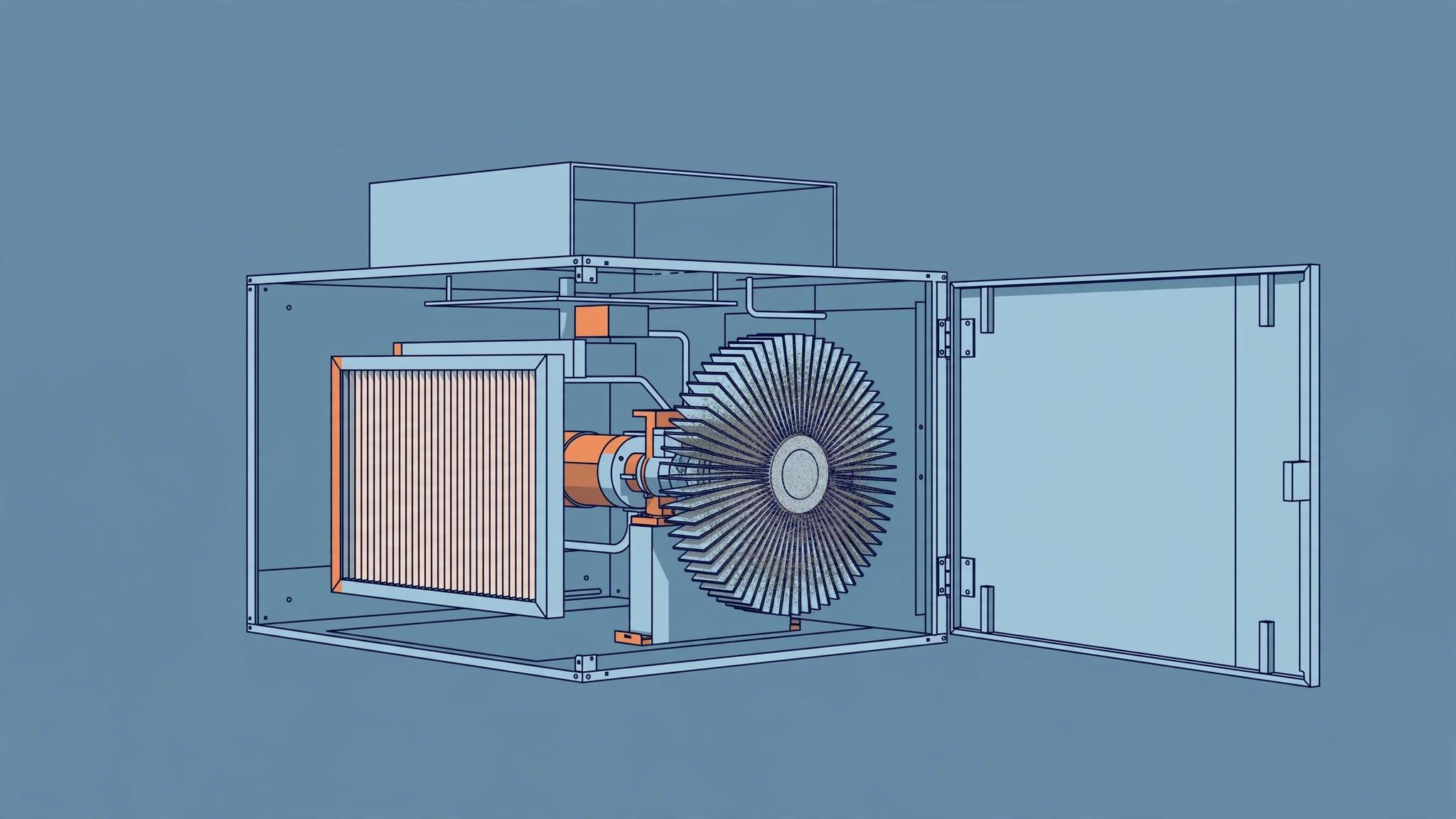
The air handler contains important components that affect how your entire cooling system operates. Depending on the setup, it may house the blower motor, evaporator coil, heat strips, filter rack, control board, and condensate pan.
Replacing only the indoor equipment can make sense when the outdoor unit remains reliable and compatible. However, a new air handler may not work correctly with an older condenser, coil, refrigerant, or control system.
Inspect the whole system first
A proper evaluation should look beyond the failed component. The technician should inspect the duct connections, refrigerant lines, wiring, drain pan, condensate line, thermostat, filter location, and outdoor condenser.
Existing ductwork may not need replacement, but leaks, poor sizing, contamination, damaged insulation, or weak supports can reduce the benefit of new equipment. In Fort Myers, ducts located in hot attics can lose cooling capacity and add moisture problems when insulation or vapor protection has failed.
Sunset Gulf HVAC provides AC installation and repair services for homeowners who need a system evaluation before committing to replacement work.
Consider the installation location
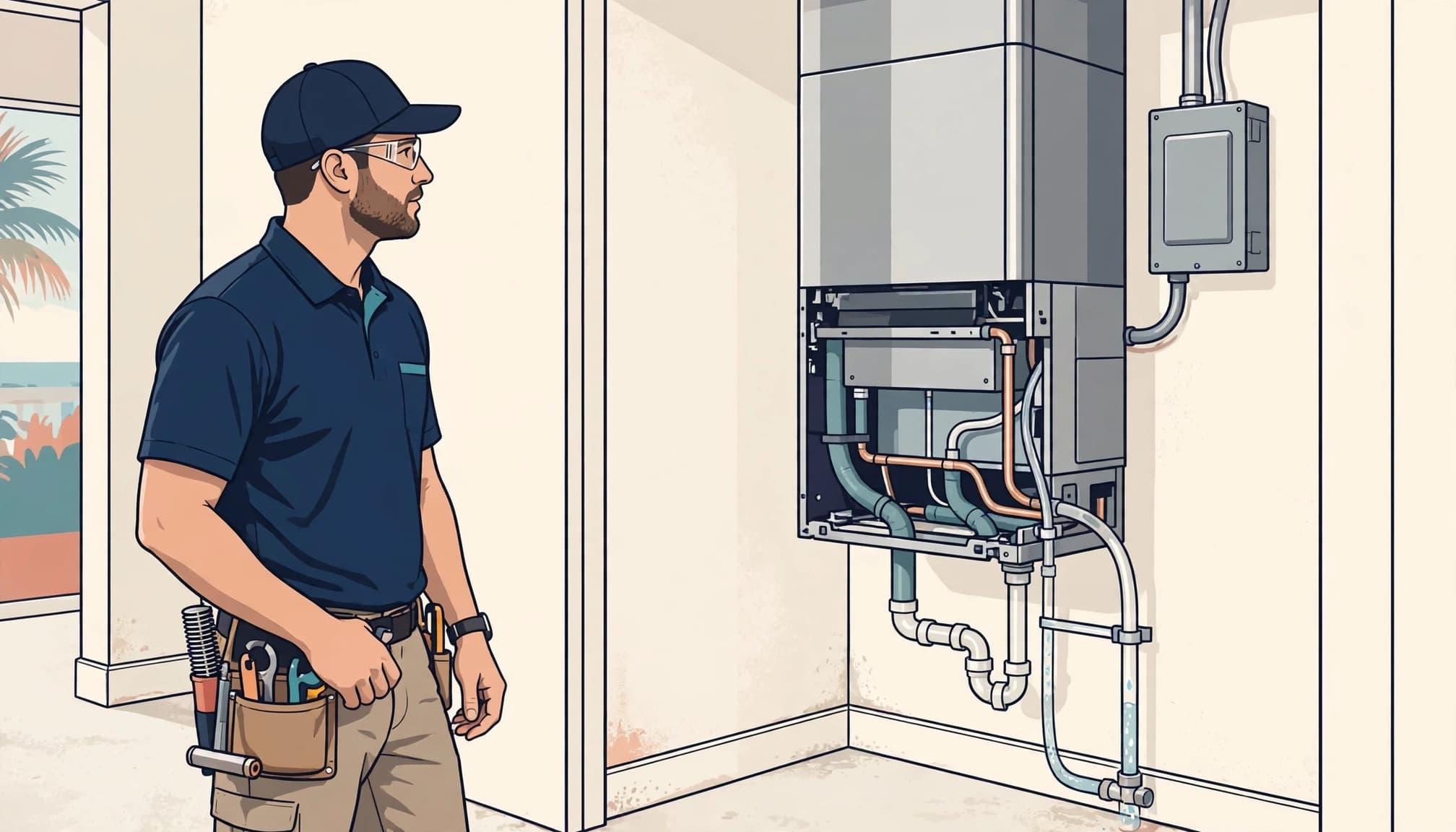
Air handlers are often installed in closets, garages, or attics. Each location creates different concerns.
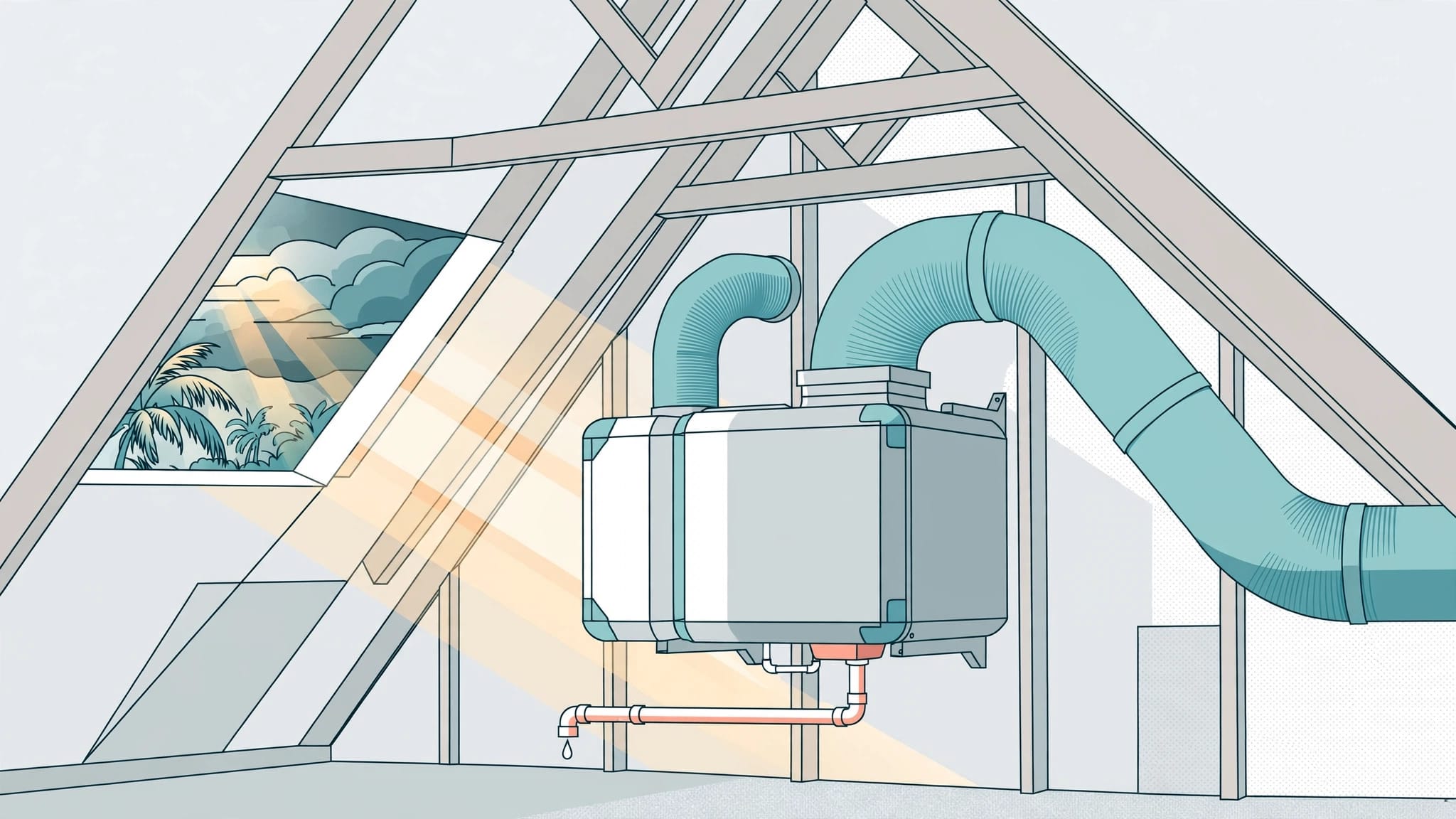
A closet needs adequate service clearance, a safe drain path, and protection against water damage to nearby walls or flooring. An attic installation needs stable support, accessible equipment, suitable working space, and a way to remove the unit later.
Florida Conditions That Affect an Air Handler
Fort Myers homes place heavy demands on cooling equipment. The system may run for long hours while managing both high outdoor temperatures and substantial indoor moisture.
Climate conditions don't automatically dictate a particular brand or model. They do make installation details more important, especially when the equipment sits near an attic, garage, exterior wall, or coastal environment.
Heat and humidity increase the workload
A system that cools the air but leaves the home damp may be too large, have airflow problems, or lack proper moisture control. Oversized equipment can reach the thermostat setting quickly without running long enough to remove enough humidity.
Poor insulation, leaky ducts, blocked returns, and a dirty coil can also reduce comfort. Ask the contractor how the proposed air handler will support airflow and humidity control in your home's actual layout.
You may also need filter, duct, or filtration improvements. These concerns can be reviewed alongside indoor air quality solutions, especially if your home has musty odors, visible dust, or recurring moisture concerns.
Salt air, corrosion, and storms deserve attention
Salt air can accelerate corrosion on exposed metal and electrical components, particularly near coastal areas. A professional should inspect existing corrosion and explain whether the proposed equipment needs additional protection or a different placement.
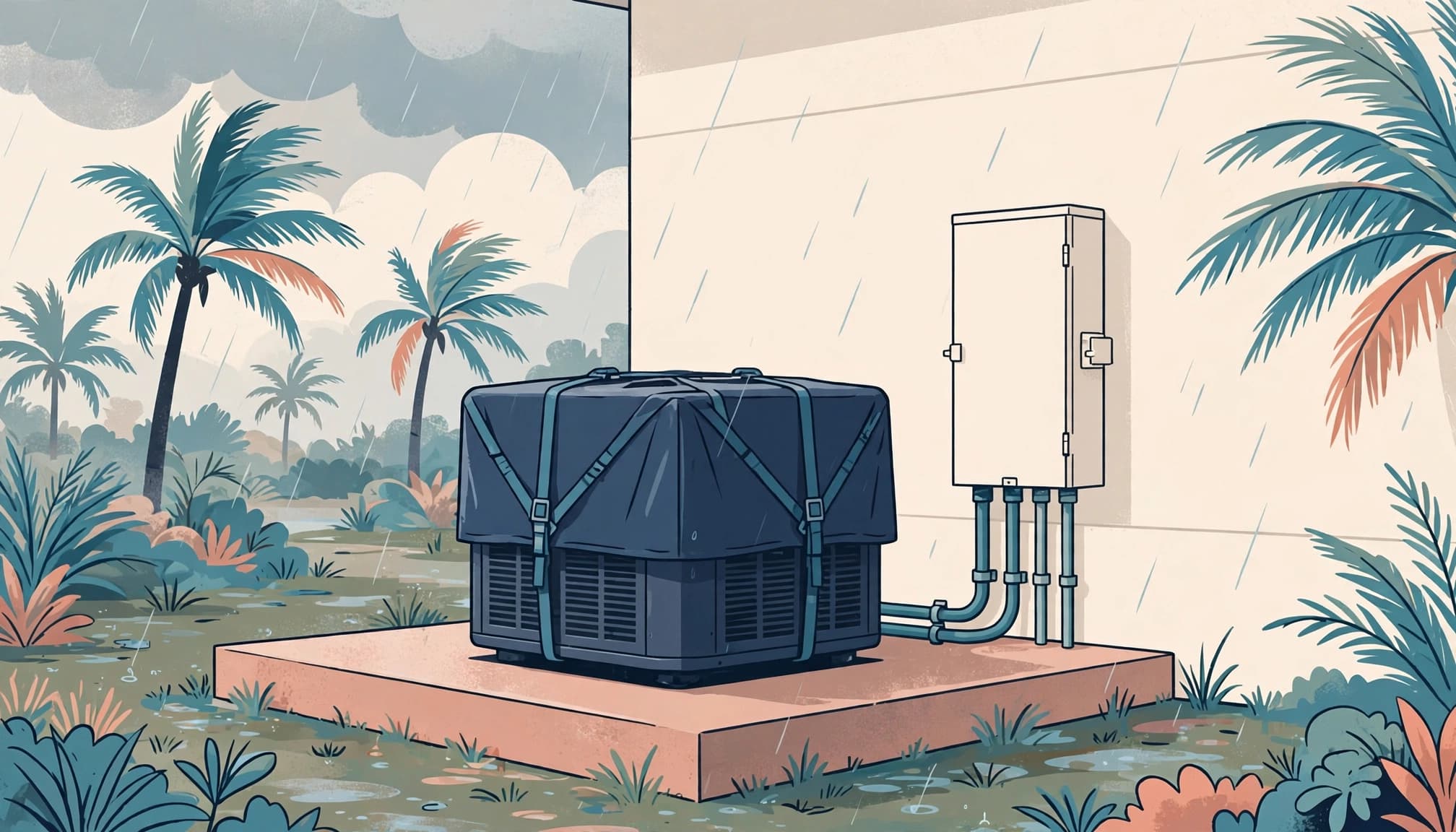
Hurricanes and other severe storms can also cause outages, voltage fluctuations, and repeated power interruptions. Surge protection and storm procedures are practical questions to discuss, although they aren't automatically required for every replacement.
Permits, Inspections, and Installation Conditions
Permit requirements can depend on the work scope and the local authority having jurisdiction. Fort Myers homeowners should ask who will pull the permit, what inspections apply, and whether the estimate includes those costs.
Florida guidance also expects replacement equipment to be properly sized and matched. A contractor should be able to explain how the proposal meets those requirements rather than treating paperwork as an afterthought.
A permit and a plan are different things
Lee County's mechanical guidance indicates that a like-for-like replacement of an air handler or condensing unit may not require plans. That does not necessarily mean the work is permit-free.
The contractor should verify the current requirement for your property and project. Ask for the permit scope in writing, then confirm that the final installation matches the approved work. Homeowners should not rely on a casual statement that no paperwork is necessary.
Attic and closet conditions matter
Before signing, confirm that the crew can safely access the equipment and complete the work without damaging ceilings, flooring, insulation, or stored belongings. Attic access may need to be large enough to remove and replace the air handler.
Florida energy guidance for attic units also addresses condensate overflow protection. A float switch or similar device can alert you or shut the system down when a drain clogs. The technician should explain where this protection is installed and how to test it.
Load Calculations and Matched Equipment
Sizing by the old unit's tonnage or by square footage alone can create comfort problems. A replacement should account for insulation, window exposure, ceiling height, sun, occupancy, duct leakage, and air infiltration.
A Manual J load calculation for Fort Myers AC replacement gives the contractor a documented starting point for selecting capacity.
Proper sizing protects comfort
An oversized system may cycle off before it removes enough humidity. An undersized system can run for long periods and still struggle during hot afternoons.
The calculation should support the proposed capacity, not merely confirm a preferred equipment size. Ask to see the result and request an explanation if the recommendation differs significantly from your current unit.
Confirm the matched system
The air handler must work with the indoor coil, outdoor condenser or heat pump, refrigerant, blower, thermostat, and controls. The units don't have to come from the same manufacturer, but the combination must be approved and compatible.
Ask for model numbers before installation. An AHRI certificate or manufacturer documentation can confirm the tested combination and its rated efficiency. You can also review guidance about AHRI certificates for AC replacement.
Condensate Drainage and Electrical Safety
Water removal is a major part of air-handler performance in Southwest Florida. Every cooling cycle pulls moisture from indoor air, and that water must drain reliably.
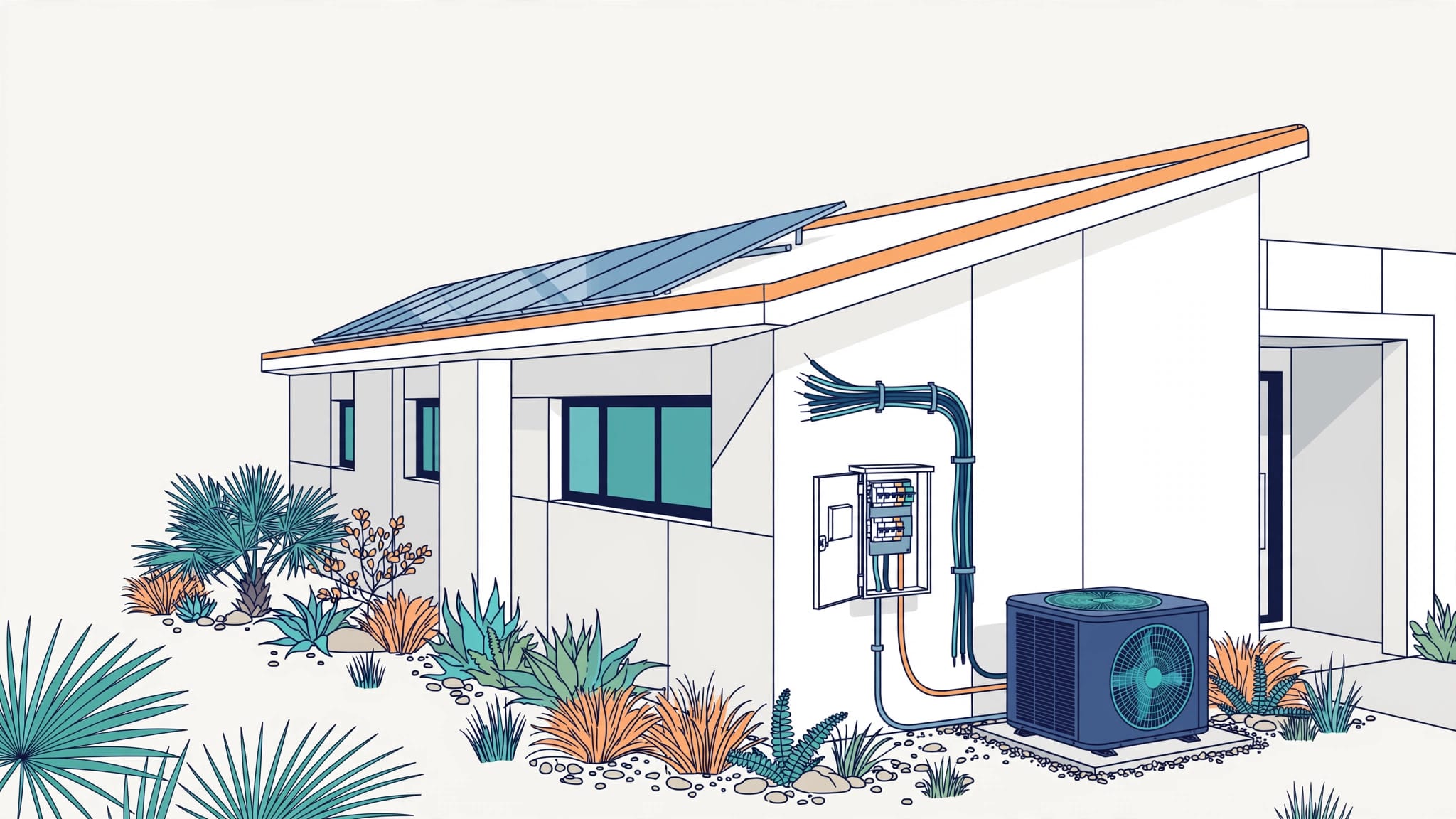
Electrical work also deserves careful attention. Air handlers may include high-voltage components, electric heat strips, disconnects, breakers, and control wiring.
Prevent drain clogs and water damage
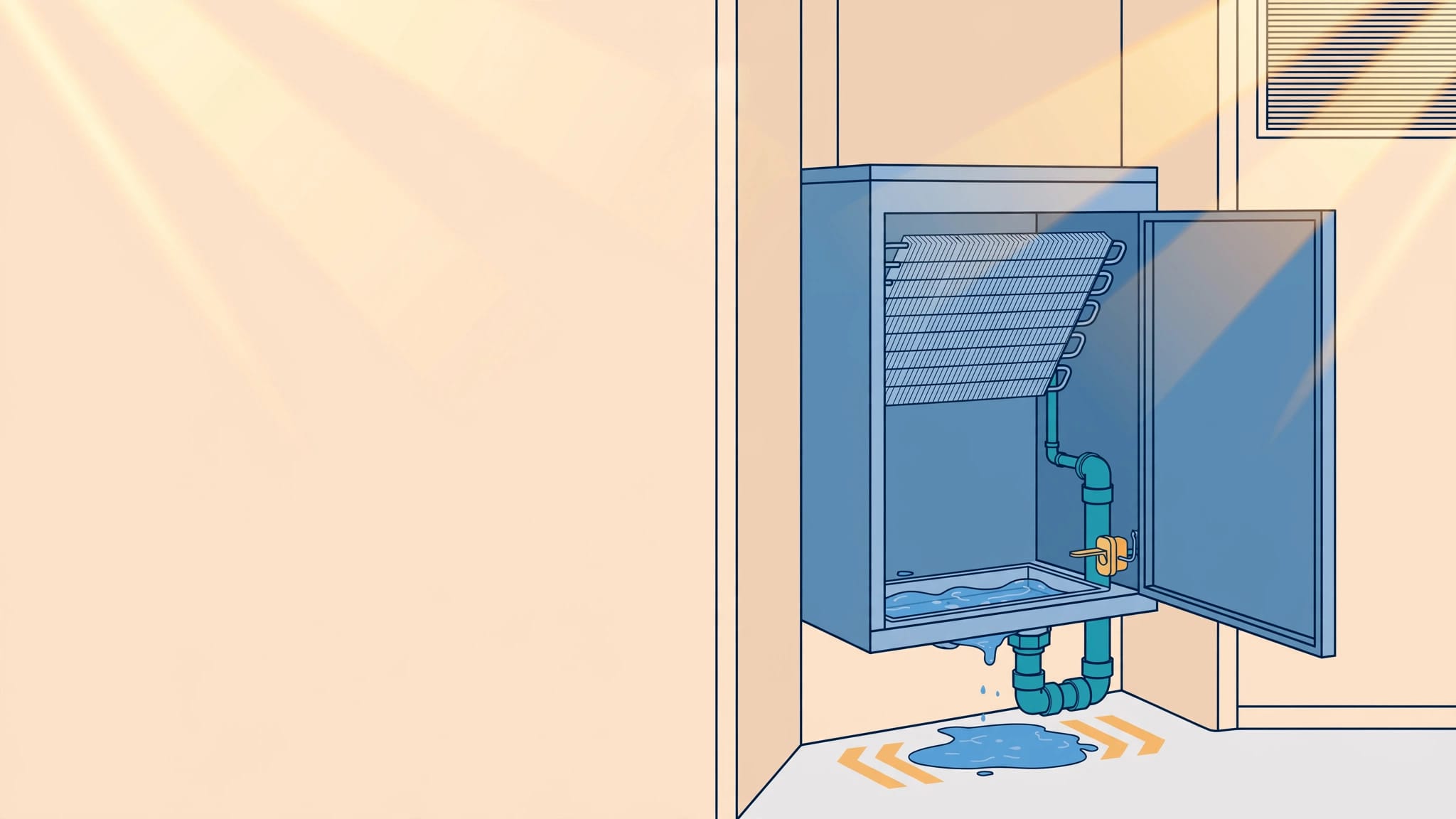
The proposal should identify the primary drain, secondary drain or pan, float switch, termination point, and testing method. The drain should not discharge where water can damage drywall, insulation, flooring, or electrical equipment.
A blocked filter or frozen coil can increase water problems. If you see water near wiring, turn off the system if you can do so safely and call a professional. More information about why AC air handlers leak water can help you recognize warning signs.
Leave electrical work to a professional
Homeowners can clear stored items and keep access paths open, but they shouldn't open electrical compartments, move wiring, or repeatedly reset a tripped breaker.
The installer should verify the disconnect, breaker, wiring size, grounding, heat-strip requirements, and control connections. After installation, request airflow measurements, temperature readings, thermostat testing, drain testing, and a complete startup check.
Comparing Estimates, Warranties, and Final Paperwork
Get at least two or three written estimates when practical. Comparing only the equipment price can hide differences in labor, drainage work, electrical corrections, permits, duct repairs, and warranty coverage.
A detailed estimate makes it easier to compare the actual scope rather than comparing brand names or advertised efficiency alone.
Ask each contractor to list the full scope
A written proposal should identify:
- Indoor and outdoor model numbers, capacity, and efficiency rating.
- Load calculation method and matched-system documentation.
- Equipment removal, disposal, permits, inspections, and startup testing.
- Drain pan, float switch, condensate piping, and attic or closet modifications.
- Refrigerant line work, duct transitions, electrical work, thermostat changes, and filter access.
- Labor warranty, manufacturer warranty, registration responsibilities, and exclusions.
Ask what happens if the crew finds damaged ductwork, corroded wiring, an inaccessible line set, or an unsafe platform. The estimate should explain how extra work receives approval.
Register and save the warranty documents
Warranty terms vary by manufacturer and model. Trane, for example, states that its registered limited warranty requires online registration within 60 days of the commencement date. Some listed Trane air-handler families show five years of base indoor coil and parts coverage, with ten years after registration.
Those terms don't apply to every brand or product. Save the invoice, serial numbers, model numbers, AHRI documentation, permit records, startup readings, and registration confirmation in one place.
FAQ: Fort Myers Air Handler Replacement
How long does an air handler replacement take?
The time depends on access, duct connections, electrical work, drain changes, and whether the outdoor equipment is also replaced. A straightforward changeout may be completed in one visit, while attic access or additional corrections can extend the work.
Ask the contractor how long the home may be without cooling. Make arrangements for pets, children, older adults, and sensitive belongings during the installation.
Can I replace only the air handler?
Sometimes. The existing outdoor unit, indoor coil, refrigerant, controls, and blower must be compatible with the new air handler. Age, refrigerant type, efficiency requirements, and warranty rules may make a matched full-system replacement the better option.
A professional should document the compatibility before recommending a partial replacement.
Should I replace the ductwork at the same time?
Not automatically. Existing ducts may remain if they are properly sized, sealed, insulated, clean, and structurally sound. Replacement or repairs may make sense when ducts leak, restrict airflow, contain contamination, or cannot connect correctly to the new equipment.
Request an inspection and airflow assessment before approving ductwork replacement.
What can I check before the technician arrives?
Clear the path to the air handler, electrical panel, thermostat, and outdoor unit. Remove stored items near the equipment and identify any past leaks, breaker trips, unusual odors, or rooms with poor airflow.
Leave refrigerant, electrical, drain, and equipment adjustments to a licensed HVAC professional.
Conclusion
A successful AC air handler replacement in Fort Myers depends on more than choosing a new indoor cabinet. The contractor should size the system for the home, verify matched equipment, protect condensate drainage, inspect electrical connections, and account for heat, humidity, salt air, and storm-related power concerns.
Multiple written estimates help you compare the real scope of work. When the installation is documented and tested properly, your new air handler has a better chance of delivering reliable comfort through the next Southwest Florida summer.
Recent Posts