Flex Duct Sagging in Southwest Florida Attics
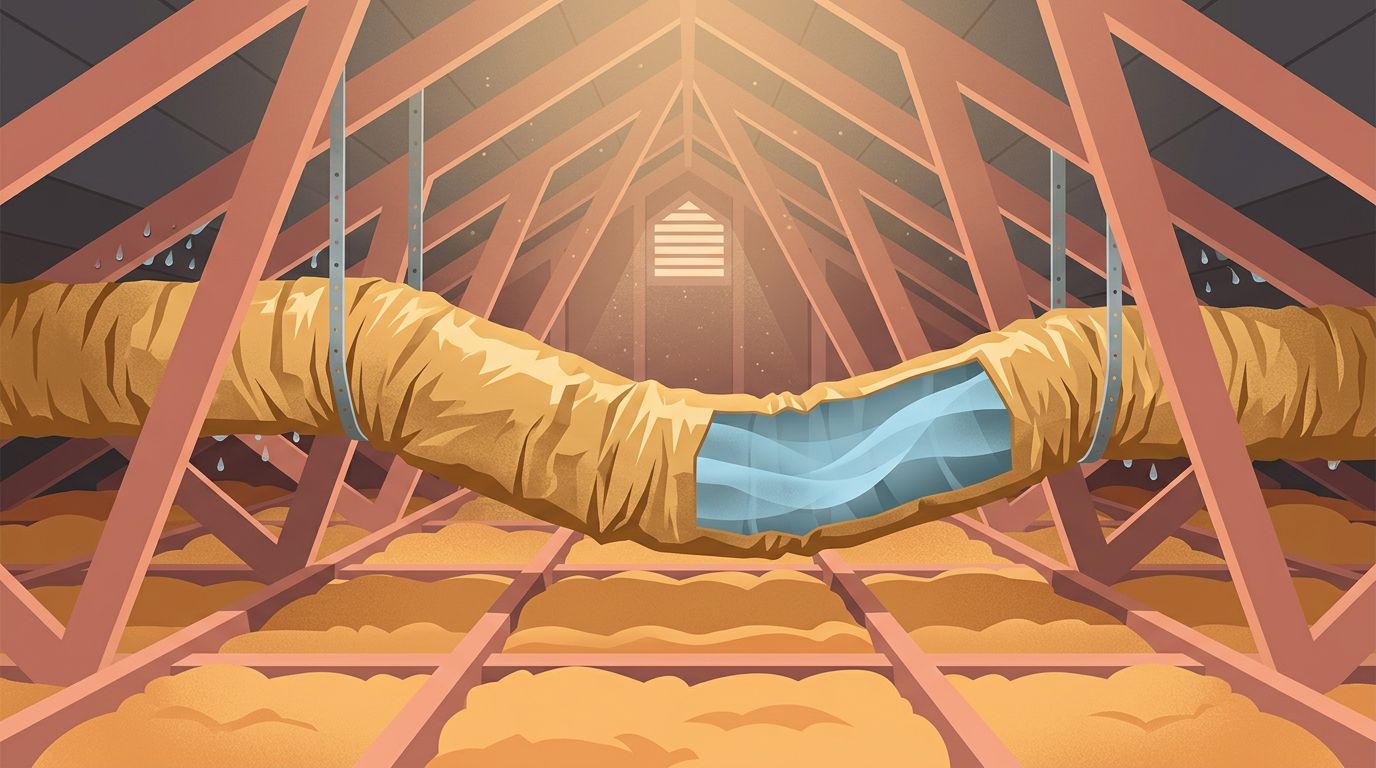
Flex duct sagging can begin as a shallow dip above the ceiling and end with rooms that never feel evenly cool. In Southwest Florida, attic heat, humidity, long duct runs, and weak supports can all place extra stress on flexible air ducts.
Homeowners in Babcock Ranch may notice weak airflow, noisy vents, rising electric bills, or warm bedrooms before they ever see the problem. Understanding why ducts lose their shape makes it easier to choose the right repair instead of treating only the symptoms.
Why flex duct sagging happens in Southwest Florida attics
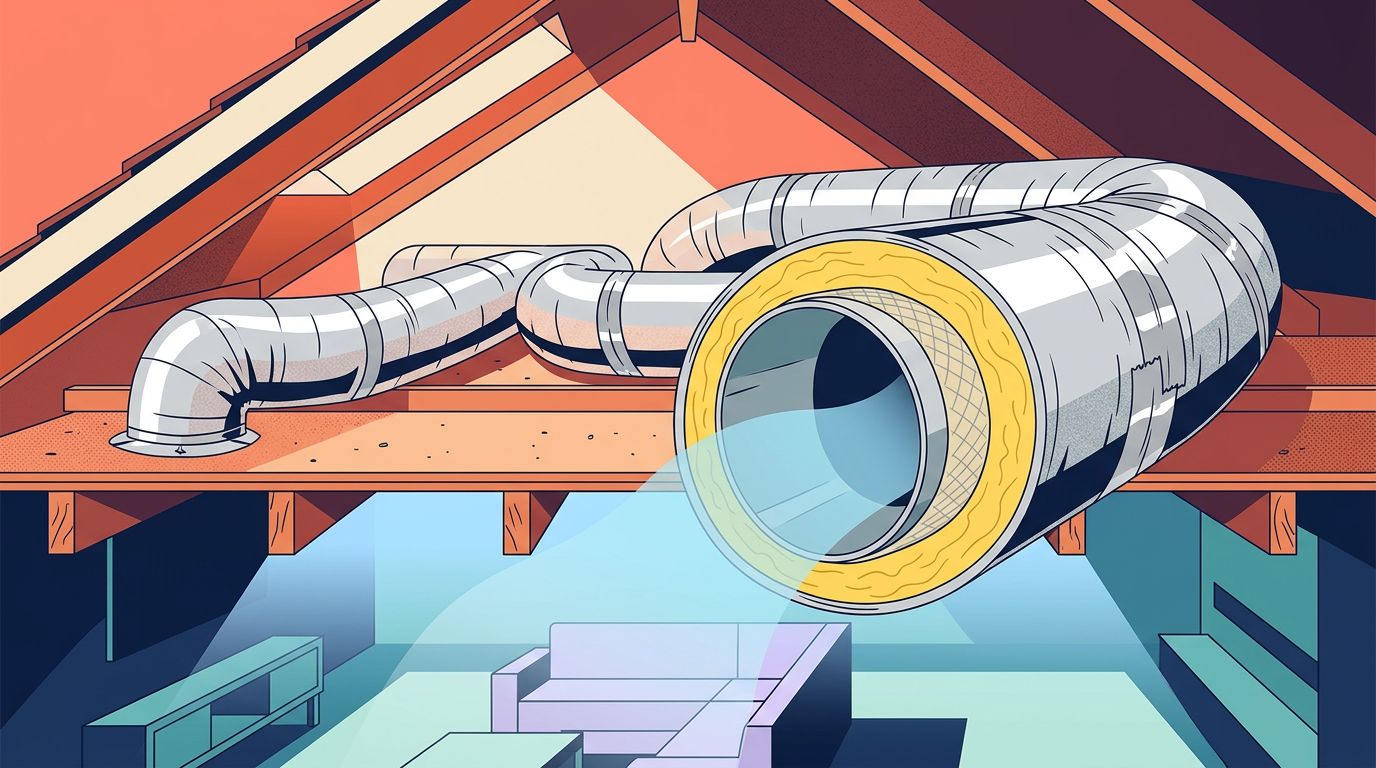
Flexible ductwork has several layers. A wire-reinforced inner liner carries the air, insulation surrounds the liner, and an outer vapor jacket protects the assembly. The duct needs proper support so it keeps a smooth, round path between the air handler and each supply register.
Sagging often starts when support straps sit too far apart. Long unsupported sections gradually droop under their own weight. Installers may also leave more length than necessary, creating loose loops that bend sharply or rest on attic insulation.
Heat adds another source of stress. Southwest Florida attics experience intense heat for much of the year, and repeated heating and cooling cycles can age insulation, fasteners, adhesives, and surrounding materials. If a duct already has weak support, that stress can make the dip worse.
Humidity creates a separate concern. A tear in the outer jacket can allow humid attic air to reach the cold duct surface. Condensation may then wet the insulation, reduce its insulating value, and add weight to the duct. Moisture can also create conditions for microbial growth when the problem continues.
Humid air can damage a duct assembly even when you don't see standing water in the attic. A small break in the vapor jacket may be enough to create condensation around a cold supply run.
In coastal areas, salt-laden air may also accelerate corrosion on some metal supports or fasteners. The result is often gradual movement rather than a sudden collapse.
How sagging ducts reduce airflow and increase AC strain
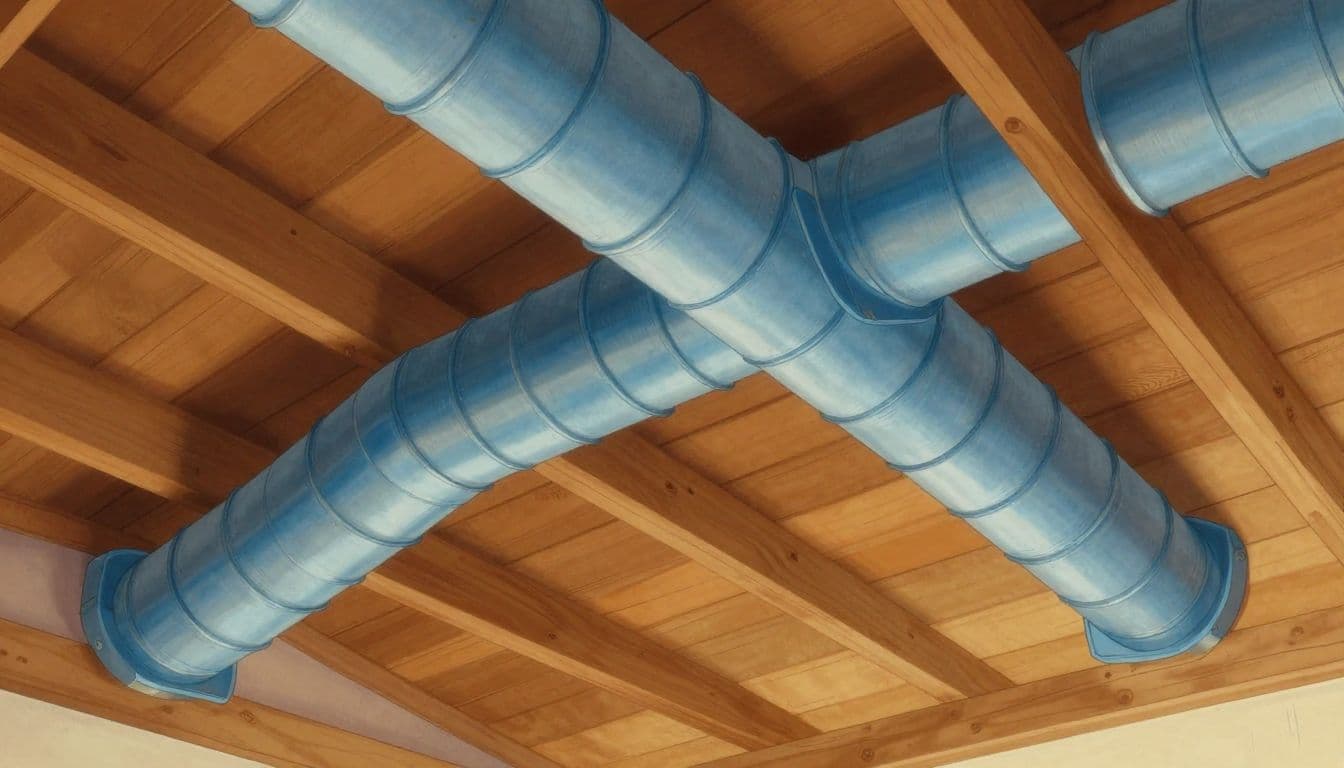
A properly installed duct has a relatively open, rounded interior. A sag creates a low spot that can pinch the liner, especially where the duct bends or changes direction. That restriction forces the blower to work against higher resistance.
Supply air may then slow down before it reaches the register. Rooms at the ends of long runs often feel warmer, while nearby rooms receive more cooling. Closing vents in an attempt to balance the house can make the pressure problem worse.
Flex duct sagging can also increase leakage. When a run pulls against a collar or fitting, the inner liner may separate from the connection. Gaps around collars, takeoffs, and plenums allow conditioned air to escape into the attic.
The air conditioner may respond by running longer. Longer cycles can raise energy use and leave the home feeling humid, even when the thermostat reaches its set temperature. Severe airflow restrictions can contribute to coil icing, although frozen coils can also result from low refrigerant, a dirty filter, or other issues.
Sagging ductwork is only one possible cause of comfort problems. A full inspection should also check insulation, duct leaks, the filter, blower performance, refrigerant charge, and thermostat operation.
Warning signs of sagging flex ducts in your home
You don't need to enter the attic every week to spot a duct problem. Changes in comfort and system behavior often appear first.
Watch for these signs:
- A duct hangs well below nearby runs, forms a sharp bend, or rests on attic insulation.
- One bedroom or hallway stays warm while other areas cool normally.
- A supply register produces weak airflow even after you replace a dirty filter.
- Vents whistle, flutter, or make a rushing sound when the blower starts.
- The air conditioner runs for long periods without evenly cooling the house.
- You find condensation, damp insulation, or a musty odor near ductwork.
- Dust returns quickly around vents, especially after construction or attic work.
These symptoms don't prove the duct has sagged. A closed damper, blocked register, dirty coil, poor insulation, or undersized duct can create similar results.
Dust and odors deserve attention, but cleaning alone won't restore a crushed or poorly supported duct. If you also notice recurring debris, musty smells, or uneven airflow, review these air quality and duct cleaning services before deciding whether cleaning, sealing, or structural repair fits the problem.
Return ducts need special attention. A sagging return can restrict the air entering the air handler, while a damaged return may pull dusty attic air into the system. That issue affects the entire home, not only one room.
How an HVAC technician diagnoses flex duct sagging
A good diagnosis starts with the whole cooling system, not with a quick glance at the lowest section of ductwork. The technician should connect the attic condition to the airflow symptoms inside the home.
A typical inspection includes these steps:
- The technician checks supply and return airflow, room temperatures, thermostat operation, and filter condition.
- They inspect accessible duct runs for dips, kinks, crushed sections, loose straps, damaged jackets, and failed connections.
- Static pressure measurements can show whether the blower is working against excessive resistance.
- The technician checks joints and plenums for leakage, then examines insulation for moisture or compression.
- They decide whether the duct needs re-supporting, sealing, a section replacement, or a larger redesign.
A visual inspection is useful, but it doesn't always reveal a hidden restriction. A duct can look acceptable from below while its inner liner remains compressed at a tight bend.
Attic work also carries safety risks. Drywall ceilings aren't designed to support foot traffic, and attic spaces may contain electrical wiring, sharp fasteners, and hot surfaces. Homeowners should avoid stepping between trusses or pulling on ductwork to test its strength.
The repair plan should follow the duct manufacturer's instructions and applicable building requirements. A technician also needs to protect the vapor barrier, insulation, and connections during the work.
How flex duct sagging is repaired and prevented
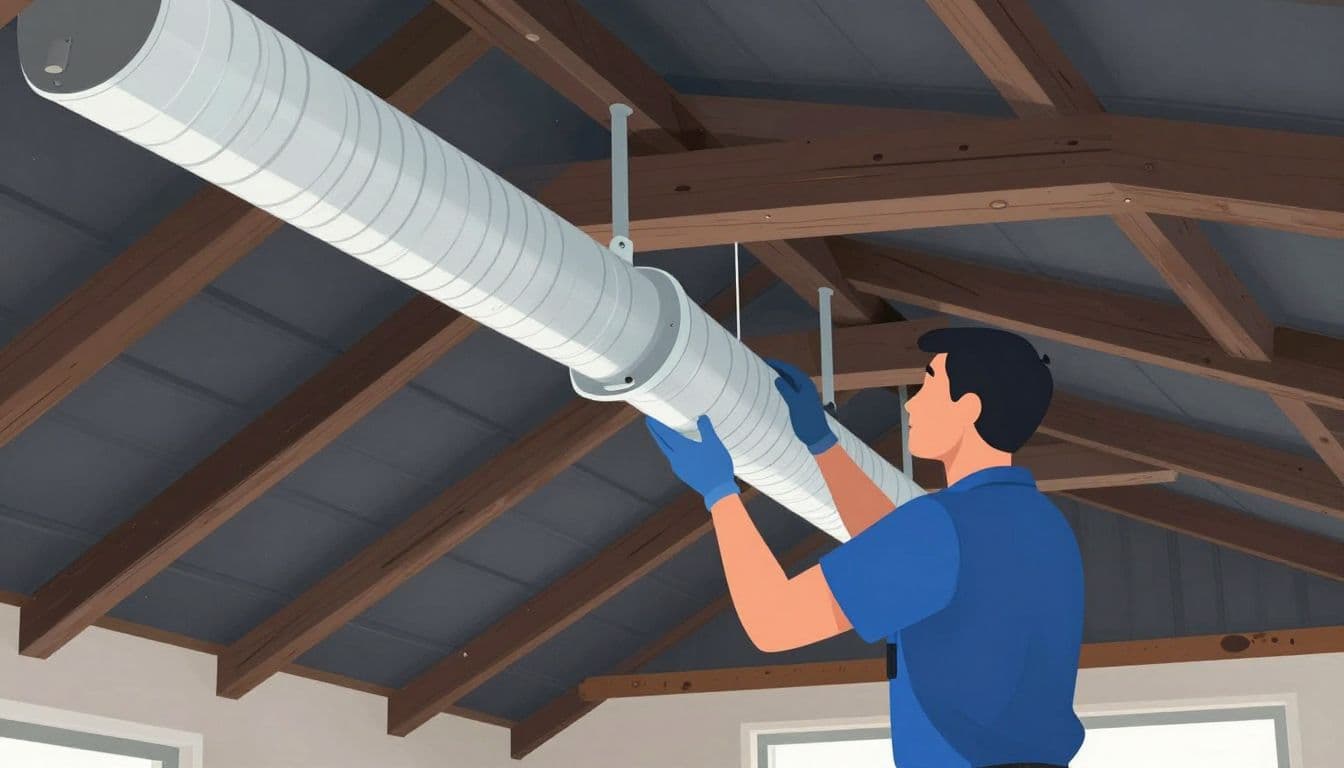
Minor sagging may only require better support. The technician can remove excess slack, re-route the run, and add properly sized straps that cradle the duct without crushing it. Supports should follow the manufacturer's spacing guidance and keep the duct away from sharp edges.
A severely pinched section usually needs replacement. Straightening the outside jacket won't fix an inner liner that has collapsed. The new section must have enough length for the route without creating loose loops or tight bends.
Connections also need careful repair. The inner liner should attach securely to the collar, and the insulation and outer vapor jacket should cover the connection. Professionals commonly use approved mastic or listed foil tape for duct sealing. Ordinary cloth-backed duct tape often fails in hot attic conditions.
When repair is enough
Re-supporting can work when the duct remains flexible, dry, intact, and free of major compression. A small tear in the outer jacket may also be repairable if the insulation and inner liner remain sound.
The technician should confirm that the repair restores airflow. A duct that looks straighter but still has a tight bend hasn't been fully corrected.
When replacement makes more sense
Replacement becomes more practical when insulation is wet, the inner liner has separated, the jacket is brittle, or multiple sections have collapsed. It may also be necessary when the existing route has too many bends or the duct size doesn't match the room's airflow needs.
Attic insulation and air sealing can reduce heat gain around ductwork, but they won't repair a sag. Those improvements work best after the duct route, supports, and connections are in good condition.
Routine maintenance helps catch small problems earlier. Filter changes protect airflow, while scheduled inspections can identify loose supports, leaks, damaged insulation, and condensate issues. Sunset Gulf HVAC's Comfort Club maintenance membership includes recurring system inspections, with airflow checks included in higher membership levels.
Mistakes to avoid with attic ductwork
Tightening a strap around a sagging duct seems simple, but excessive pressure can flatten the liner and restrict airflow. The support should hold the duct in place, not squeeze it.
Avoid placing boxes, tools, or boards on top of flexible ductwork. Weight can crush the insulation and inner liner, even when the outer jacket appears undamaged.
Patching a tear with household tape may hide the opening for a short time. It doesn't address wet insulation, separated liners, or a failed support system. Cleaning the ducts also won't correct a low section or poor routing.
If you see exposed inner liner, moisture, a detached connection, or a duct resting on the attic floor, schedule an inspection. Prompt repairs usually involve less disruption than waiting until the system develops major airflow or comfort problems.
Keep your Southwest Florida ductwork supported
Flex duct sagging is usually a support, routing, moisture, or aging problem, not a thermostat problem. In a hot, humid attic, even a small dip can restrict airflow, increase leakage, and make the AC run longer.
Look for visible low spots, uneven cooling, weak vents, unusual duct noise, and moisture near the runs. A professional can measure airflow and static pressure, inspect the full system, and determine whether re-supporting or replacement is the sensible fix.
When the opening above your ceiling begins affecting comfort below it, the ductwork deserves attention before the next stretch of Florida heat.
Recent Posts