AC Condensate Pump Testing in Cape Coral Homes
A failed condensate pump can turn a small amount of AC water into a soaked closet, stained ceiling, or damaged flooring. AC condensate pump testing helps Cape Coral homeowners catch weak pumps before they stop during a humid afternoon.
Regular AC condensate pump testing doesn't require advanced tools, but it does require care around water and electricity. Follow the safe steps below, then call an HVAC professional when the pump remains unreliable or the drainage problem keeps returning.
Why Cape Coral AC Systems Need a Reliable Condensate Pump
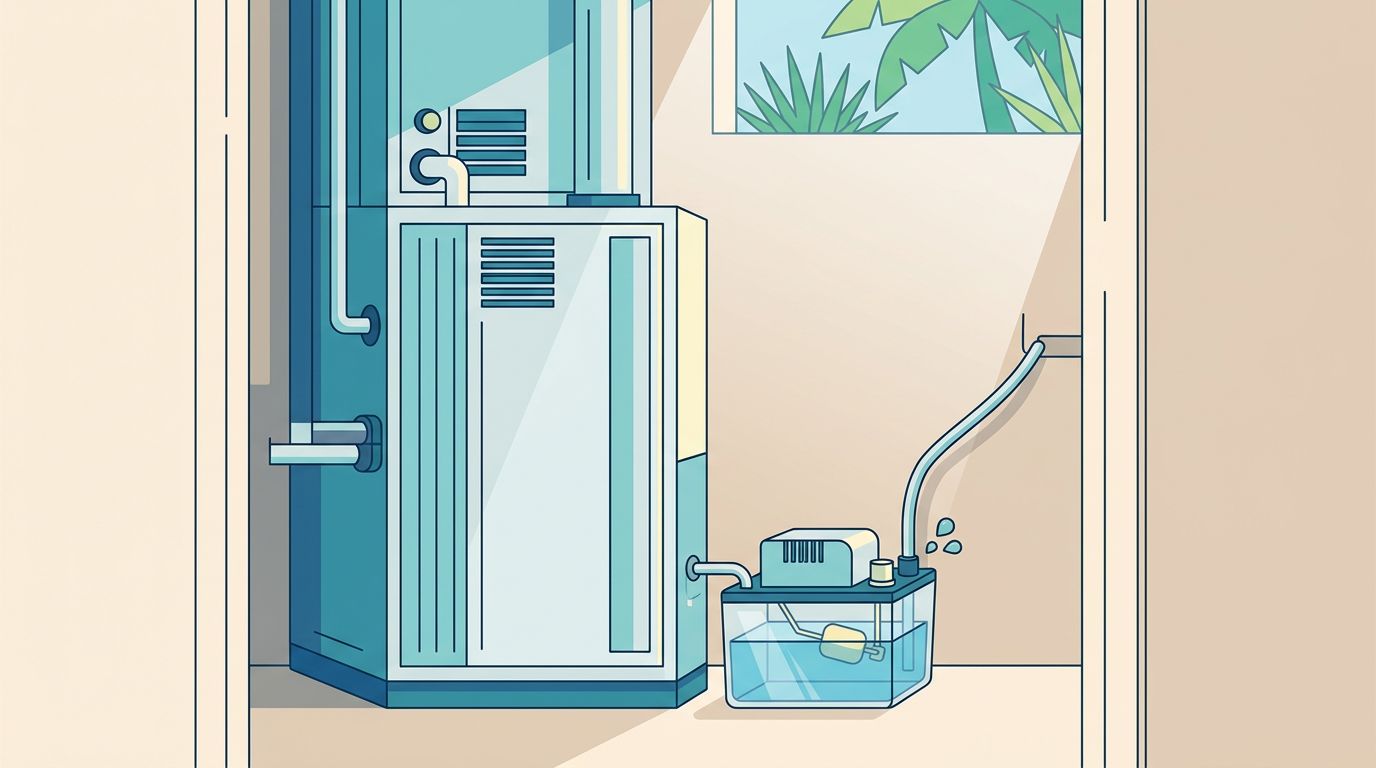
Your air conditioner removes moisture from indoor air as it cools your home. That moisture collects in a drain pan, then moves through a condensate line. When gravity can't carry the water to a suitable drain, a condensate pump collects it in a small reservoir and sends it through a discharge tube.
Most pumps include four working parts:
- A reservoir holds water from the air handler.
- A float rises as the reservoir fills.
- A motor and impeller move water through the discharge tube.
- A high-water safety switch can shut off the AC before an overflow.
Cape Coral's long cooling season means your system may produce condensate for many hours each day. High humidity can also create more moisture at the air handler. Dust, algae, and sediment may collect in the reservoir or drain tubing, especially when the pump sits in a garage, closet, attic, or utility space.
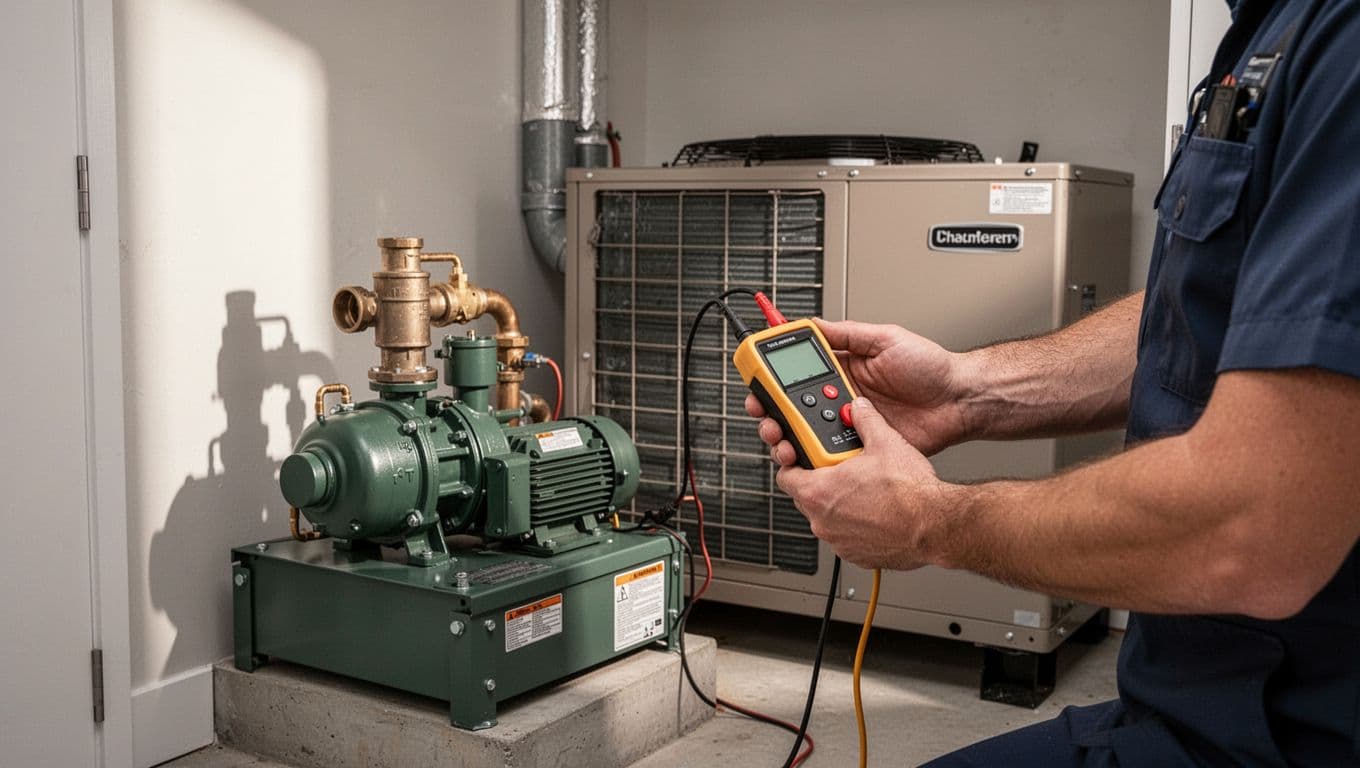
A pump problem may first appear as water around the air handler, an AC that shuts off unexpectedly, or a motor that runs without removing water. You can find more drainage causes in this guide to why air handlers leak water.
Safety Checks Before AC Condensate Pump Testing
Water and electrical equipment need careful handling. A condensate pump may have a plug, a hardwired connection, or wiring connected to an AC safety circuit.
Before opening the pump or cleaning its reservoir, follow these precautions:
- Turn the thermostat off, then switch off power at the air handler's service switch or circuit breaker. A thermostat setting alone doesn't remove electrical power.
- If the pump has a separate plug or circuit, shut that power off as well. Stop if you can't identify the correct disconnect.
- Keep your hands and the floor dry. Place a towel under the pump to catch spills.
- Never remove a pump cover, touch wiring, or reach into the reservoir while power is on.
- Don't bypass, jump, or disconnect the high-water safety switch. That switch protects your home from an overflow.
- Stop immediately if you see burned wiring, melted plastic, corrosion near electrical connections, or water near exposed terminals.
For a basic test, you'll need a flashlight, an absorbent towel, and a cup or small pitcher of clean water. A phone can help you record unusual sounds for a technician. You shouldn't need a multimeter for a homeowner test. Electrical diagnosis belongs with a qualified HVAC professional.
How to Perform AC Condensate Pump Testing Step by Step
Once you understand the pump's layout and have made the area safe, work slowly. The goal is to confirm that water reaches the reservoir, the float activates the motor, and the discharge tube removes the water.
1. Find the pump and inspect the installation
Look for a small plastic pump near the air handler. It may sit below the drain pan or connect to tubing that runs from the air handler into the reservoir.
With power off, check for cracks, loose tubing, standing water, or a tilted pump. The pump should sit level so the float can rise correctly. Also check that the discharge tube isn't crushed behind storage items or furniture.
2. Check the reservoir and float
Remove the reservoir cover only if the design allows it. Some covers lift off, while others use clips or screws. Never force the cover.
Look for slime, dirt, or debris around the float. The float should move freely without sticking against the side of the reservoir. If the pump has visible buildup, wipe accessible surfaces with a cloth and follow the manufacturer's cleaning instructions.
Don't dismantle the motor housing or pour cleaning chemicals into the pump unless the manufacturer specifically allows them. A stuck float can cause either a silent overflow or constant pump cycling.
3. Examine the discharge tube
Trace the small tube from the pump to its outlet. It should rise only within the pump's rated lift height, then run toward a safe drain location. A kink, sag, loose fitting, or blocked outlet can stop water even when the motor works.
Check for water dripping at the fittings. Also look for a check valve, if installed. This valve keeps discharged water from flowing back into the reservoir. If water returns after the pump shuts off, the valve or discharge setup may need service.
4. Restore power safely
Replace the cover and make sure your hands, tools, and towels are clear of moving parts. Restore power to the pump and air handler only after the area is closed and dry.
You can test many pumps by adding water directly to the reservoir. The air conditioner doesn't need to run during this part, which keeps the test controlled.
5. Add water slowly and watch the response
Pour a small amount of clean water into the reservoir. Add it slowly so you can observe the float and stop before the water reaches the top.
As the float rises, the pump should activate. Listen for a steady motor sound and watch the discharge tube. Water should leave the reservoir without leaking around the pump or fittings.
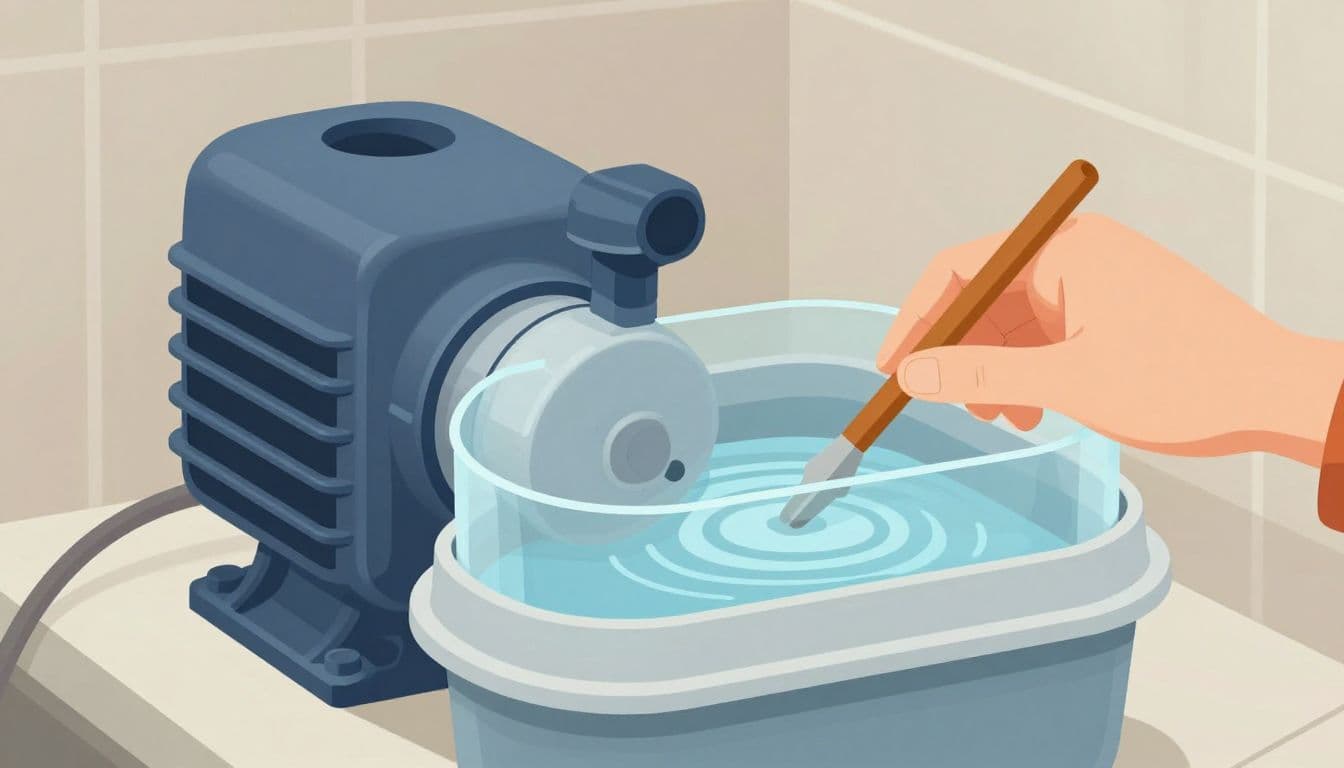
The motor may run briefly after the float drops. That is normal for many installations. A grinding sound, repeated clicking, loud vibration, or a long running cycle needs attention.
6. Check the safety switch without bypassing it
Many condensate pumps include a high-water switch that interrupts the air conditioner when the reservoir level becomes unsafe. Don't hold the float down, lift it by hand, or connect wires together to force the AC to run.
You don't need to fill the reservoir until it overflows to test this protection. If the pump fails to remove water, or if the AC shuts off because the safety switch activates, turn the system off and call for service.
7. Dry the area and confirm normal operation
After the water drains, check the reservoir and fittings for leaks. Dry the floor, restore the thermostat to its normal setting, and watch the pump during the next cooling cycle.
Successful AC condensate pump testing means the pump activates, moves water through the discharge tube, stops after the level falls, and leaves the surrounding area dry.
Troubleshooting Common Pump Test Failures
The sound and water movement usually point toward the problem. Use this quick reference before deciding whether the system needs service.
| What you observe | Possible cause | Safe next step |
|---|---|---|
| The pump stays silent as water rises | No power, stuck float, failed motor, or wiring fault | Turn the system off and schedule professional diagnosis |
| The motor hums but water doesn't move | Kinked tube, blocked outlet, failed impeller, or check valve problem | Stop the test and request service, especially if water remains in the reservoir |
| The pump runs continuously | Float problem, excessive incoming water, or discharge restriction | Shut off the AC and have the pump and drain system checked |
| The AC turns off during the test | High-water safety switch has activated | Don't bypass the switch; arrange service before restarting |
| Water leaks around the pump | Cracked reservoir, loose fitting, or split tubing | Keep the AC off and replace or repair the failed component |
A pump that works once but fails again a few days later still has a problem. The cause may be a partially blocked drain line, a weak motor, an incorrect discharge route, or a safety switch that needs adjustment. Repeating the same water test won't correct the underlying fault.
When to Call a Cape Coral HVAC Professional
Call for professional service when you find an electrical fault , including a tripped breaker, burning odor, damaged wiring, exposed terminals, or a pump that loses power. Don't open the electrical compartment or test live voltage yourself.
Recurring overflows also need more than a quick reservoir cleaning. A technician can check the air handler, drain pan, condensate line, pump capacity, discharge height, and safety controls together. That matters when the pump passes a basic test but the home still develops water damage.
You should also schedule service for a suspected drain-line blockage. A blockage before the pump can keep water from reaching the reservoir. A blockage after the pump can force water back into the unit. Either condition can cause an overflow even when the motor sounds normal.
If your pump has failed, the replacement must match the system's required flow rate and vertical lift. An undersized pump may run often and wear out early. An improperly routed tube can cause water to return to the reservoir.
Keep the Condensate Pump Ready Through Florida's Humid Season
Check the pump visually during the cooling season, especially after a long absence, a storm-related power interruption, or any water near the air handler. Change the AC filter on a schedule that fits your home, often every one to three months. A loaded filter can reduce airflow and contribute to excess moisture or coil problems.
Keep storage items away from the pump and discharge tubing. Confirm that the outlet remains open and that the tube hasn't shifted, sagged, or developed a kink.
Include AC condensate pump testing in routine HVAC maintenance. A professional tune-up can include drain line inspection, pan checks, electrical testing, and safety-switch verification. Cape Coral homeowners who prefer scheduled care can review the Comfort Club maintenance membership for recurring HVAC service options.
Conclusion
A condensate pump should start as the reservoir fills, move water through its discharge tube, and stop after the level drops. Testing it with a controlled amount of water can reveal a stuck float, blocked tubing, weak motor, or leaking connection before the next overflow.
Always shut off power before opening or cleaning the pump, and never bypass its safety switch. When electrical faults, recurring overflows, or suspected drain-line blockages appear, professional service is the safest next step for your Cape Coral home.
Recent Posts