Why Ants Cause AC Electrical Problems in Fort Myers Homes
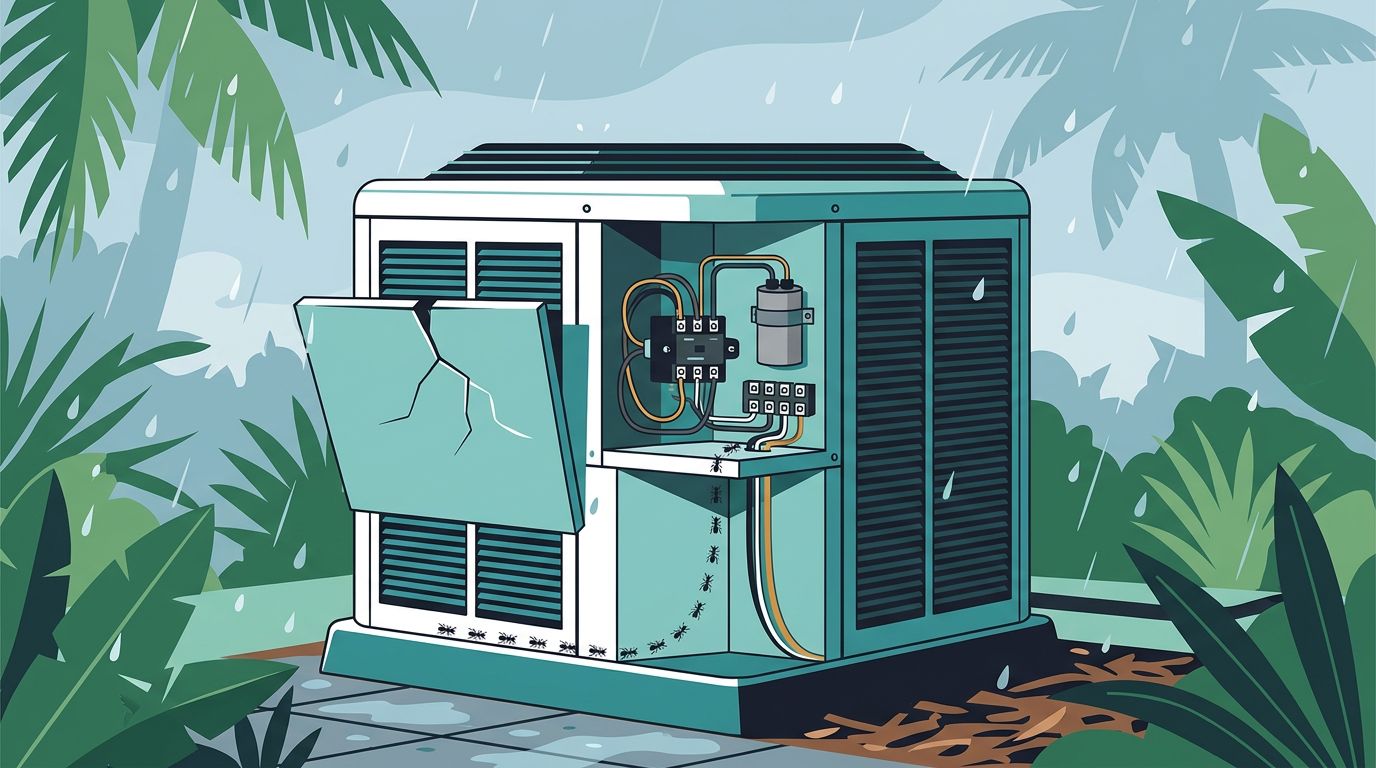
A search for "ants AC electrical problems" often begins after an air conditioner suddenly stops, trips a breaker, or makes a sharp clicking sound. In Fort Myers, warm temperatures, heavy rain, humidity, and dense landscaping create conditions where ants can reach outdoor AC equipment.
Small ants can enter contactors, disconnect boxes, wire terminals, and control compartments. Once inside, they may trigger shorts or damage parts that control the compressor and fan. Knowing how ant damage differs from a failed capacitor, clogged drain, or dirty filter helps you respond safely.
How ants AC electrical problems begin at the outdoor unit
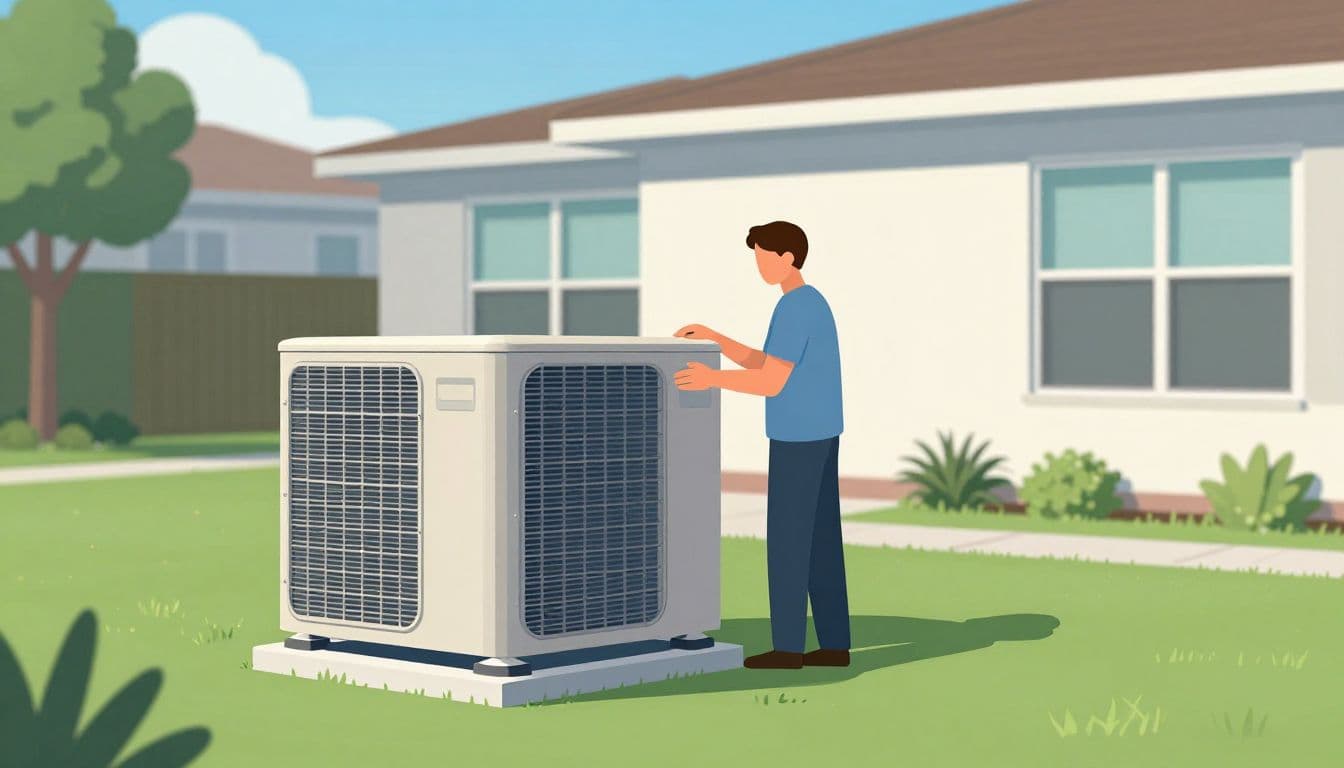
Your outdoor condenser contains several electrical parts behind a service panel. These include the contactor, capacitor, wiring terminals, disconnect connections, and, on some systems, electronic control boards. The unit also has openings around conduit, refrigerant lines, and covers where small insects may find entry points.
Ants can crawl across energized components and create an unwanted path between nearby contacts. Their bodies may cause a short circuit, while moisture raises the chance of electrical tracking. Heat from the resulting fault can burn contact points, melt wire insulation, or damage a circuit board.
Fort Myers weather adds pressure to this problem. Afternoon storms soak soil and mulch, so colonies often seek dry shelter. Outdoor AC cabinets provide shade, warmth, and protection from rain. Landscaping placed close to the condenser gives ants an easy route to the equipment.
Tawny crazy ants have received attention for invading electrical equipment in warm coastal areas. Researchers have linked their behavior to attraction toward electrical equipment, although the exact reason remains under study. Other local ants can also nest in condenser compartments or disconnect boxes.
A few dead ants near an electrical contact can point to a larger colony inside the equipment, especially when the AC problem began suddenly.
Signs of ant-related AC electrical damage
The phrase "ants AC electrical problems" covers several types of failures. The symptoms depend on which component the ants reached and whether the damage affects low-voltage controls or high-voltage equipment.
Common symptoms homeowners notice
An ant-related failure may cause your system to:
- Stop working after a storm or humid day.
- Click at the thermostat or outdoor unit without starting.
- Trip the air conditioner breaker when cooling begins.
- Start and stop at irregular times.
- Run the indoor blower while the outdoor unit stays off.
- Produce a burnt odor near the condenser or disconnect.
A failed contactor can prevent power from reaching the compressor and condenser fan. A damaged low-voltage wire can stop the thermostat from communicating with the equipment. If ants reach a control board, the system may behave unpredictably rather than fail in one clear way.
You may also find dead ants, soil-like nest material, or insect debris around the condenser cabinet. Scorch marks, melted insulation, or blackened terminals require prompt attention. Don't touch those parts, even if the equipment appears to be off.
What homeowners should do first
If the AC stops and you suspect ants AC electrical problems, turn the thermostat to the off position. If you can reach the dedicated AC breaker without touching damaged equipment, switch it off. Don't keep resetting a breaker that trips.
Never remove the outdoor service panel or open your home's electrical panel to investigate. A powered contactor or terminal can cause severe shock, and a loose connection can remain dangerous after the system stops.
If you see smoke, active sparking, melted wiring, or a strong burning smell, move away from the equipment. Contact a qualified HVAC professional, and call emergency services or your utility provider if the situation presents an immediate fire or electrical hazard.
Ant damage or another common AC problem?
Ants can cause AC electrical problems, but they aren't responsible for every sudden cooling failure. Air conditioners have several parts that produce similar symptoms. A proper diagnosis prevents you from replacing a good component or overlooking a safety issue.
Use these patterns as a starting point, not as a substitute for testing.
| What you notice | Possible cause | Clues that help |
|---|---|---|
| Breaker trips when cooling starts | Ant intrusion, shorted wiring, failed compressor | Dead ants, scorch marks, or a strong electrical odor |
| Outdoor unit hums but won't start | Failed capacitor, contactor damage, or compressor issue | A gradual failure often points away from insects |
| Indoor air blows but isn't cold | Low refrigerant, dirty coil, or outdoor electrical failure | The outdoor fan and compressor need inspection |
| Weak airflow from every vent | Dirty filter, blocked coil, or duct problem | This usually develops gradually |
| Water near the indoor unit | Clogged drain line or condensate issue | Moisture appears inside, not only outdoors |
| AC works intermittently | Loose connection, control problem, or ant damage | Timing after rain can provide a useful clue |
A clogged filter restricts airflow and can cause coil icing. A blocked condensate drain may shut the system down through a float switch. Low refrigerant can also reduce cooling, but it doesn't explain dead insects inside a control compartment.
When a homeowner reports ants AC electrical problems, a technician should inspect both the electrical components and the cooling system. The two issues can occur together. For example, a dirty filter may strain the system while ants damage the outdoor contactor.
How a professional repairs ant damage safely
A qualified HVAC technician starts by making the equipment safe to test. They check the breaker, disconnect, voltage, control circuit, and visible wiring before operating the system. If the damage extends into the home's service wiring or electrical panel, a licensed electrician may need to take over that part of the repair.
The inspection often includes these steps:
- The technician confirms whether the fault is in the thermostat circuit, outdoor unit, disconnect, or household wiring.
- They inspect the contactor, capacitor, terminals, wire insulation, and control board for signs of burning or insect debris.
- They remove the infestation from the equipment and identify likely entry points.
- They replace unsafe components, repair approved wiring connections, and test the system under normal load.
Spraying household insecticide inside an AC cabinet is a poor fix. Chemicals can damage electrical components, leave residue, and fail to stop the colony outside. A pest-control professional can address the colony around the home, while the HVAC technician repairs the equipment.
Some repairs involve a contactor or damaged wire. Others require a control board, disconnect component, or more extensive electrical work. Your technician should explain what failed, show damaged parts when practical, and provide the repair cost before proceeding. Sunset Gulf HVAC offers professional air conditioner repair for homeowners who need diagnosis, repair, or replacement options in Southwest Florida.
Don't run an AC unit after a suspected electrical short simply to see whether it starts again. Repeated operation can increase damage and place more heat on a weak connection.
Preventing ant infestations in Southwest Florida
Ant prevention begins outside the condenser. You don't need to seal the unit itself, because the equipment needs proper airflow and service access. Instead, reduce the paths and conditions that lead insects toward it.
Keep these practices in your regular home-care routine:
- Leave the clearance recommended by the equipment manufacturer around the condenser.
- Trim grass, vines, and dense plants away from the cabinet and refrigerant lines.
- Keep mulch, leaves, and stored items away from the pad.
- Correct irrigation spray, roof runoff, and standing water near the unit.
- Seal cracks where conduit or refrigerant lines enter the home, using an exterior-rated sealant.
- Ask a pest-control professional about perimeter treatment if ants repeatedly return.
After heavy rain, check the area around the condenser for new ant trails or disturbed soil. Storm cleanup can also push colonies toward sheltered equipment. Don't place plastic covers over a running condenser, and don't block the cabinet with storage bins.
Humidity makes routine maintenance more useful. A service visit can include electrical testing, capacitor checks, coil cleaning, drain inspection, and a look inside the outdoor compartment. Sunset Gulf HVAC's HVAC maintenance membership program includes scheduled tune-ups, electrical and capacitor testing, condenser coil rinsing, and drain-line inspection.
Why regular AC inspections catch more than ant damage
Routine service doesn't guarantee that ants will never enter your equipment. It does give a technician a chance to find loose covers, damaged seals, corroded terminals, blocked coils, and insect debris before a small issue becomes a no-cooling call.
Electrical connections can loosen over time because outdoor equipment experiences vibration and temperature changes. Salt air near the Gulf can also speed corrosion on exposed metal. Those conditions may combine with humidity and ant activity, especially around older condensers.
A seasonal inspection is useful before the long cooling season and after periods of heavy weather. Ask the technician to look at the outdoor electrical compartment, not only the filter and refrigerant readings. Early attention may limit the repair to one damaged component instead of a wider control-board or wiring failure.
Protect your Fort Myers AC from insect damage
Ants AC electrical problems often look like an ordinary AC breakdown at first. The difference may be hidden inside a contactor, disconnect box, or control compartment. Sudden breaker trips, burnt odors, dead ants, and intermittent operation deserve a professional inspection.
Shut off the equipment safely, avoid opening electrical covers, and don't reset a tripped breaker repeatedly. With sensible landscaping, moisture control, pest prevention, and regular HVAC service, Fort Myers homeowners can reduce the chance that a small colony will interrupt their cooling.
Recent Posts